Top2 min readCEO Pravin Pandhak's Stubborn Stance Halts Dematerialization Process in NepalCEO Pravin Pandhak's Stubborn Stance Halts Dematerialization Process in Nepal The attempt to implement a ‘double ISIN’ system by Pravin Pandhak, the CEO of CDS and Clearing Limited (CDSC), has caused a significant disruption in Nepal’s dematerialization (demat) process for securities. Pandhak’s refusal to back down on this controversial stance, which lacks legal sanction, has led to a halt in the process of dematerializing founder shares in the country’s capital market. The core issue lies in the 'Securities Dematerialization Operational Directive-2082,' which CDSC introduced but has not yet received approval from the Securities Board of Nepal (Sebon). Despite the draft directive being unapproved, CDSC pushed ahead with it, halting the dematerialization of founder shares. This action has triggered confusion in the capital market, with concerns over the legal standing and implications of such an unapproved directive.Dipesh Ghimire·28 Jan, 2026
Top2 min readCDS and Clearing Limited CEO's Stance Causes Deadlock at Sebon MeetingCDS and Clearing Limited CEO's Stance Causes Deadlock at Sebon Meeting Pravin Pandhak, the Chief Executive Officer of CDS and Clearing Limited (CDSC), has been at the center of a controversy that has now extended the ongoing conflict regarding the International Securities Identification Number (ISIN) system in Nepal’s securities market. A recent meeting of the Securities Board of Nepal (Sebon) came to an unresolved conclusion after Pandhak’s firm stance on the ‘double ISIN’ system led to a standoff. The meeting, which lasted for four hours, brought together key stakeholders from the financial sector, including representatives from Nepal Rastra Bank, the Ministry of Law, and the Ministry of Finance. Despite clear support from most attendees in favor of a single ISIN system, the meeting failed to arrive at a conclusive decision. The issue at hand is the implementation of the ISIN system, with the majority advocating for the current single ISIN model. They argued that this system would resolve the ongoing issues in compliance with existing laws.Dipesh Ghimire·28 Jan, 2026
Top3 min readAnalysis of Nepal’s Life Insurance Sector Growth in the First Half of FY 2082/083Analysis of Nepal’s Life Insurance Sector Growth in the First Half of FY 2082/083 The first half of the fiscal year 2082/083 has proven to be an incredibly successful period for Nepal's life insurance sector. According to Nepal Insurance Authority, life insurance companies have recorded a substantial business turnover of over NPR 24 billion. By the end of the month of Poush, these companies collectively generated a total premium income of NPR 24.3 billion, marking a significant rise in the country’s insurance market.Dipesh Ghimire·28 Jan, 2026
Top2 min readUnderstanding the Two Types of Liquidity Entry in TradingUnderstanding the Two Types of Liquidity Entry in Trading In trading, liquidity entry strategies are crucial for capitalizing on market movements. The two most common methods are Liquidity Run Entry and Liquidity Gap Entry, both of which utilize market liquidity and price gaps to determine the best times for entering trades.Dipesh Ghimire·27 Jan, 2026
Top3 min readNepal Signs Landmark Carbon Credit Deal with LEAF Coalition: A Historic Achievement in Climate FinanceNepal Signs Landmark Carbon Credit Deal with LEAF Coalition: A Historic Achievement in Climate Finance Nepal has achieved a historic milestone by becoming the first country in Asia to accelerate forest finance and reduce emissions through a partnership with the LEAF (Lowering Emissions by Accelerating Forest Finance) Coalition. Through this agreement, Nepal will secure up to $55 million in climate finance (approximately NPR 7 billion), aimed at forest conservation and emission reduction efforts. This deal marks a significant step towards combating climate change and strengthening Nepal's role in the global environmental landscape.Dipesh Ghimire·27 Jan, 2026
Top2 min readGold Prices Soar to Record Heights: A Decade-Long Surge in the Global MarketGold Prices Soar to Record Heights: A Decade-Long Surge in the Global Market In the past decade, the price of gold has seen an unprecedented rise in the global market. Based on data in US dollars per ounce, the price of gold, which was around $1,115 in early 2016, has skyrocketed to over $4,988 as of January 2026. This represents an astonishing increase of nearly 347%, with the price of gold rising by approximately $3,872 in just 10 years. This sharp increase in gold's value highlights a significant surge in demand and investment confidence in the precious metal. Gold's price has been relatively stable between 2016 and 2019, with gradual and steady increases. However, the situation changed dramatically after 2020, with a rapid and clear surge in gold prices. In particular, from 2024 onwards, the price of gold has seen an even steeper incline, reaching new records in a short period. Despite some minor fluctuations in the market, the overall trend points towards continuous growth, with the price strengthening in the last couple of years.Dipesh Ghimire·27 Jan, 2026
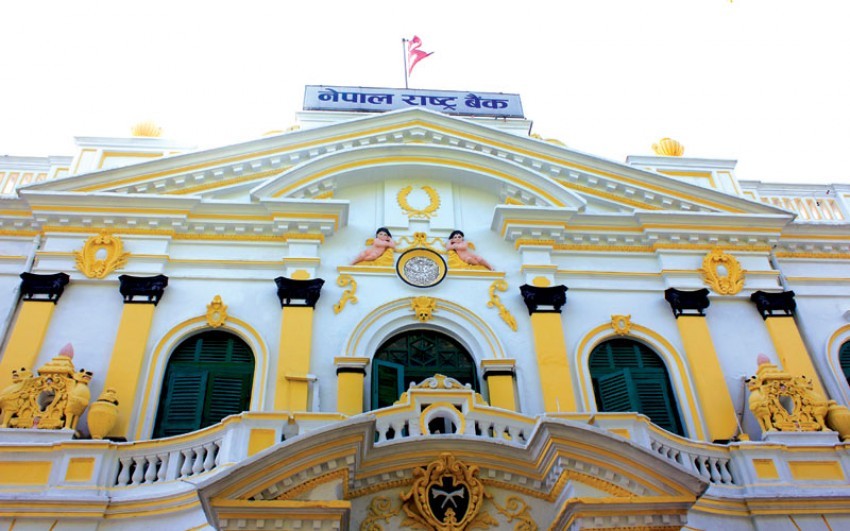
Top2 min readSurge in QR Code Payment Frauds: Nepal Rastra Bank Issues WarningSurge in QR Code Payment Frauds: Nepal Rastra Bank Issues Warning With the rapid increase in the use of electronic payments in Nepal, there has been a noticeable rise in fraudulent activities involving QR code payments. In response to this growing concern, Nepal Rastra Bank (NRB) has issued a directive urging service and goods providers to exercise caution when accepting QR code payments. The central bank's warning comes as part of its ongoing efforts to protect both businesses and consumers from financial fraud in the digital payment sector.Dipesh Ghimire·27 Jan, 2026
Top3 min readAnalysis of Poverty Distribution Across Nepal: A Look at the DistrictsAnalysis of Poverty Distribution Across Nepal: A Look at the Districts Nepal continues to grapple with poverty, with over 6.2 million people living below the poverty line. A recent study has revealed some stark disparities in poverty levels across the country, showing that while some districts have a significantly lower population of poor people, others are struggling with a much higher proportion of their population living in poverty. These findings come as part of a broader analysis of the poorest regions in Nepal, offering a glimpse into the socio-economic challenges that lie ahead for policymakers.Dipesh Ghimire·27 Jan, 2026
Top3 min readGovernment Grants Approval for Four Hydroelectric Projects to Use National Forest AreasGovernment Grants Approval for Four Hydroelectric Projects to Use National Forest Areas In a significant move for Nepal’s energy sector, the government has approved four major hydroelectric projects to utilize national forest areas. This decision was made during a meeting of the Council of Ministers, held today at the Prime Minister’s residence in Baluwatar. The projects that have received approval include the Sutikhola Hydroelectric Project, the Fifth Tamakoshi Hydroelectric Project, the Upper Sankhuwasabha Hydroelectric Project, and the Setikhola Hydroelectric Project.Dipesh Ghimire·27 Jan, 2026
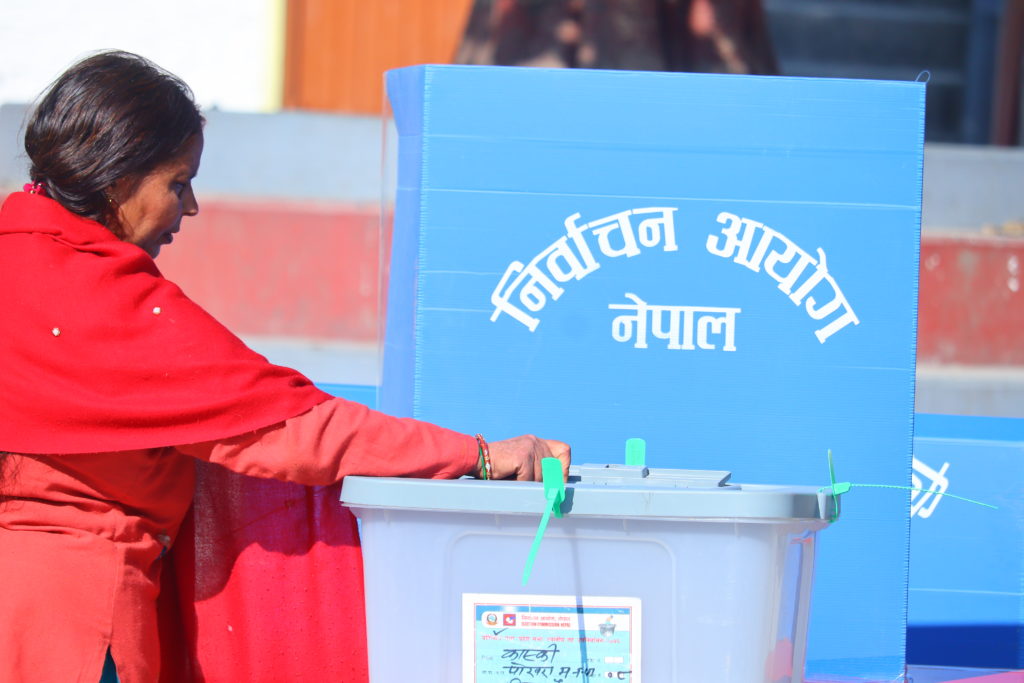
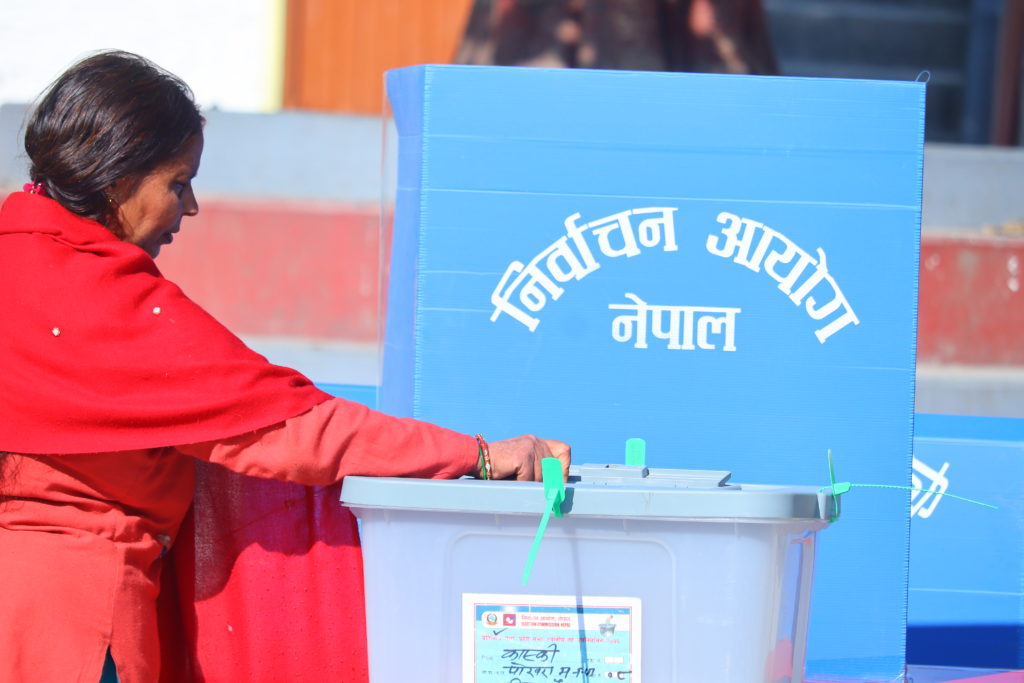
Top3 min readNepal’s Electoral Economy Boosted by New Bank Account DirectivesNepal’s Electoral Economy Boosted by New Bank Account Directives The Nepal Rastra Bank’s recent directive to open separate bank accounts for election-related transactions has introduced a significant shift in the banking sector. With the Election Commission mandating that candidates conduct financial transactions exclusively through banks, there has been a noticeable surge in electoral economic activity. The move, while aimed at ensuring transparency, has also added momentum to the banking sector, which had previously struggled to accommodate cash-based transactions.Dipesh Ghimire·27 Jan, 2026