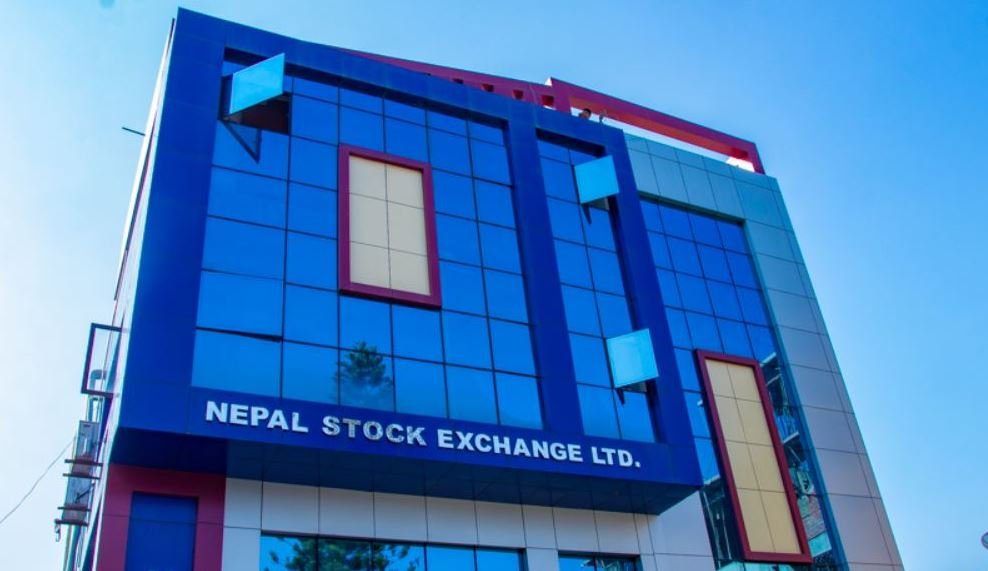
Top3 min readNEPSE Market Analysis: Stable Index and Margin Trading Guidelines ImpactNEPSE Market Analysis: Stable Index and Margin Trading Guidelines Impact The Nepal Securities Board (NEPSE) has recently approved the "Margin Trading Guidelines 2082," which allows stock investors to borrow margin loans from brokers to buy shares. However, despite the introduction of this new system, its implementation has had little impact on the market so far. On Wednesday, the NEPSE index remained relatively stable. After three consecutive days of decline, the index closed at 2662.09, down by just 0.04 points. The trading volume, however, showed a moderate increase, with a total transaction value of NPR 8.69 billion, compared to NPR 8.61 billion on the previous trading day. This indicates a slight upward trend in trading activity.Dipesh Ghimire·11 Feb, 2026
Top2 min readThe Leverage Game: Why Margin Trading is a Breakthrough for Nepal’s Stock MarketThe Leverage Game: Why Margin Trading is a Breakthrough for Nepal’s Stock Market For years, the Nepali stock market felt like a "cash-and-carry" system. If you had Rs. 10,000, you bought shares worth Rs. 10,000. But with the new 'Margin Trading Facility Directive, 2082' coming into effect this February, the rules have changed. If you are wondering, "Is margin trading actually beneficial in the Nepali context?"—the answer is a resounding yes, but with a side of caution. Here is a breakdown of the key benefits for investors and the market.Dipesh Ghimire·11 Feb, 2026
Top2 min readUnderstanding Margin Trading: A New Era for Nepal’s Stock Market (NEPSE)Understanding Margin Trading: A New Era for Nepal’s Stock Market (NEPSE) The Nepali capital market is undergoing a significant transformation. With the Securities Board of Nepal (SEBON) introducing the 'Margin Trading Facility Directive, 2082,' investors now have a powerful tool at their disposal. But what exactly is margin trading, and how does it change the game for a retail investor? What is Margin Trading? In simple terms, margin trading is the process of buying more shares than you can afford with your existing cash. It is essentially a "Buy Now, Pay Later" model for the stock market. Instead of going to a bank for a formal share loan, you provide a portion of the total cost (the Initial Margin) to your broker, and the broker lends you the remaining amount to complete the purchase. Your newly bought shares serve as collateral for that loan.Dipesh Ghimire·11 Feb, 2026
Top2 min readNew Margin Trading Directive: A Strategic Shift Toward Market MaturityNew Margin Trading Directive: A Strategic Shift Toward Market Maturity KATHMANDU – The Securities Board of Nepal (SEBON) has formally institutionalized the margin trading system by approving the 'Margin Trading Facility Directive, 2082.' Scheduled to go into effect on February 13 (Falgun 1), this new regulatory framework is set to replace the stagnant 2017 guidelines, marking a major turning point for the Nepal Stock Exchange (NEPSE).Dipesh Ghimire·11 Feb, 2026
Top2 min readStrategic Overhaul: SEBON’s New Margin Directive to Reshape Market Liquidity and Broker RolesStrategic Overhaul: SEBON’s New Margin Directive to Reshape Market Liquidity and Broker Roles KATHMANDU – In a move to modernize the trading architecture of the Nepal Stock Exchange (NEPSE), the Securities Board of Nepal (SEBON) has greenlit the ‘Margin Trading Facility Directive, 2082.’ Effective from February 13, this directive is not just a procedural update; it represents a fundamental shift in how leverage is managed in the secondary market, moving the power of credit from commercial banks to specialized brokerage firms.Dipesh Ghimire·11 Feb, 2026
Top4 min readPolitical Uncertainty Keeps Nepal’s Stock Market in Sideways Trend, Investors Remain CautiousPolitical Uncertainty Keeps Nepal’s Stock Market in Sideways Trend, Investors Remain Cautious Nepal’s stock market has been moving within a narrow range in recent weeks, reflecting growing uncertainty among investors. Market indicators show repeated small gains followed by minor declines, a pattern commonly described as “sideways movement” in trading terminology. Analysts say the trend highlights hesitation among investors who are struggling to interpret the country’s shifting political environment. According to brokers, the dominant factor influencing current market behavior is uncertainty over whether parliamentary elections will take place in the coming months. “When investors feel elections are likely, the market starts rising,” said one broker. “But when doubts emerge, prices fall again.” This tug-of-war between optimism and fear has kept the market locked in a limited range.Dipesh Ghimire·10 Feb, 2026
Top3 min readProlonged Freeze on Development Budget Slows Capital Spending, Raises Economic ConcernsProlonged Freeze on Development Budget Slows Capital Spending, Raises Economic Concerns The prolonged freeze on a large portion of the government’s development budget has begun to weigh heavily on Nepal’s economic activity, with capital expenditure remaining weak even after more than half of the fiscal year has elapsed. As government agencies complete their mid-year reviews for fiscal year 2025/26, reports indicate that development spending has remained significantly below normal levels, largely due to restrictions imposed on budget execution. By mid-January, six months of the fiscal year had passed, a period typically marked by accelerating project implementation. This year, however, development offices across ministries have reported sluggish spending, reflecting the impact of earlier decisions to withhold funds allocated for infrastructure and development programsDipesh Ghimire·10 Feb, 2026
Top2 min readNepal’s Central Bank Flags Rising Cyber Risks as Digital Banking Use AcceleratesNepal’s Central Bank Flags Rising Cyber Risks as Digital Banking Use Accelerates With digital banking rapidly becoming a primary mode of financial transactions, Nepal’s central bank has raised concerns over growing cyber risks linked to unsafe internet usage. The Nepal Rastra Bank has urged bank customers to remain vigilant, warning that transactions carried out through unsecured internet networks could expose users to serious financial losses. The warning comes at a time when mobile and internet banking services are expanding across urban and semi-urban areas, driven by convenience and wider digital access. While this shift has strengthened financial inclusion, the central bank notes that it has also increased users’ exposure to cyber threats, particularly when basic security precautions are ignored.Dipesh Ghimire·10 Feb, 2026
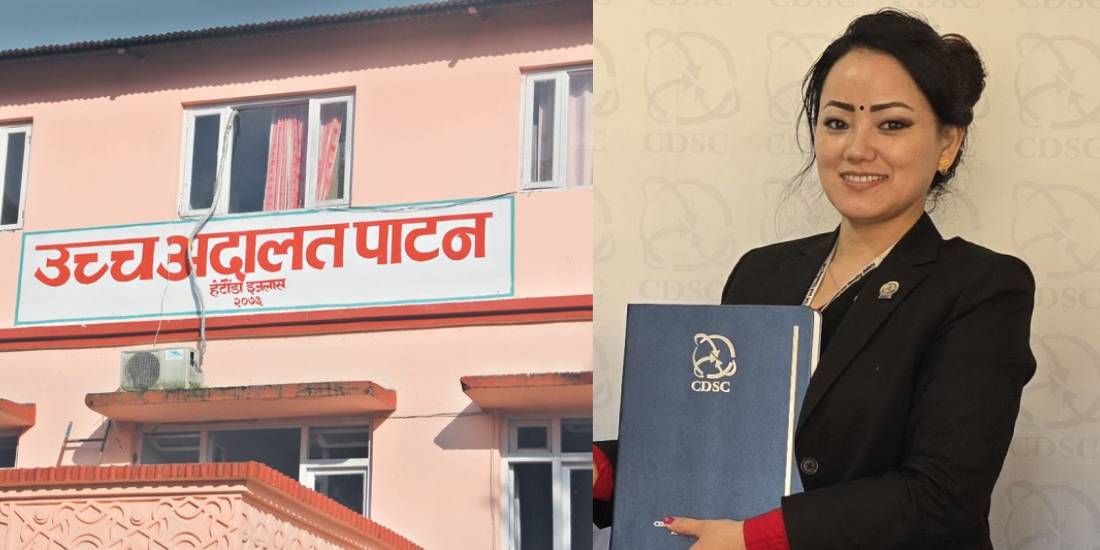
Top3 min readLegal Scrutiny Intensifies Over CDSC Chief’s Appointment as Capital Market Risks MountLegal Scrutiny Intensifies Over CDSC Chief’s Appointment as Capital Market Risks Mount A legal challenge questioning the appointment and continuation of the Managing Director and Chief Executive Officer of CDS and Clearing Limited (CDSC) has reached the Patan High Court, bringing renewed focus on governance standards within Nepal’s capital market infrastructure. The writ petition raises constitutional and legal concerns, arguing that the leadership dispute has already begun to affect market stability and investor confidence.Dipesh Ghimire·10 Feb, 2026
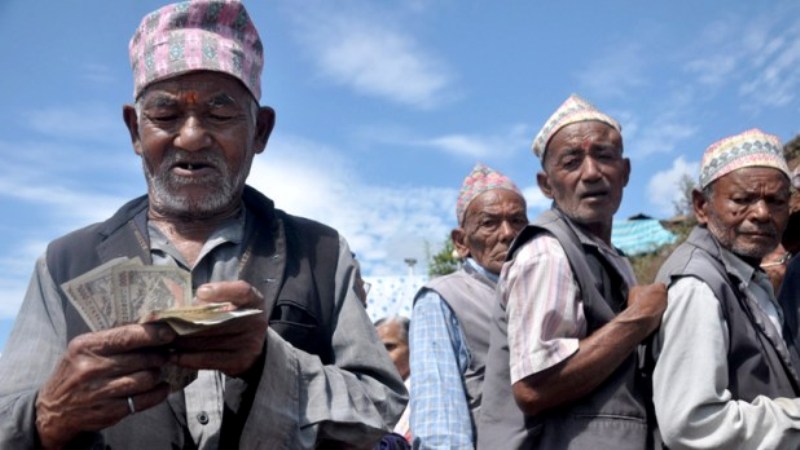
Top4 min readNepal Plans Major Expansion of Social Security System With Legal and Digital ReformsNepal Plans Major Expansion of Social Security System With Legal and Digital Reforms The government has announced a comprehensive plan to expand Nepal’s social security system, aiming to bring a wider section of citizens under formal protection. Through its recently published Financial Development Strategy, the Ministry of Finance has proposed wide-ranging reforms that include legal amendments, digital payment integration, investment restructuring, and institutional coordination. The strategy acknowledges that despite years of operation, social security programs have failed to reach a large portion of workers, particularly those in the informal sector, private enterprises, self-employment, and foreign employment. As a result, millions of economically active citizens remain without long-term financial protection, pensions, or insurance coverage.Dipesh Ghimire·10 Feb, 2026