Syarpu Hydropower
Powering Autonomy: Rukum West Sets a New Precedent with 3.3MW Syarpu Hydropower
The economic projections position this venture as a highly lucrative long-term asset for the region. Engineered to generate an estimated 18.17 million units of electricity annually, the project is expected to yield approximately Rs 101.5 million in yearly revenue. Initiated in 2021 and expedited to completion since its formal foundation-laying in late 2023, the Syarpu project demonstrates that local infrastructure can be delivered swiftly and efficiently. Once commercial sales to the Nepal Electricity Authority (NEA) begin, this steady, independent revenue stream will drastically reduce the municipalities' financial dependence on Kathmandu, offering a replicable blueprint for economic self-reliance across the country.
Dipesh Ghimire
1 min read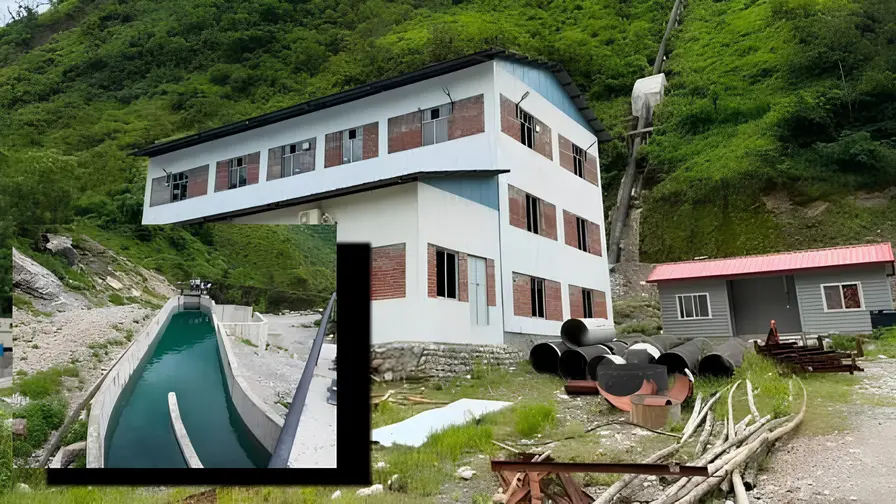
In an unprecedented leap for local governance in Nepal, all six municipal units of Rukum West have transitioned from traditional administrative bodies into energy entrepreneurs. Their joint venture, the 3.3-megawatt Syarpu Hydropower Project, officially entered its test production phase last Friday. This milestone marks a watershed moment in realizing the economic autonomy promised by federalism, proving that local governments can actively engineer their own revenue streams.
Located in Bafikot Rural Municipality-3, the run-of-river facility harnesses the flow of the Tilcha stream, fed via the Syarpu Lake. Having successfully synchronized with the national grid through a 33 kV transmission line via the Bafikot substation, the plant is currently undergoing rigorous technical evaluations. Barring any operational anomalies during this testing window, commercial power generation and distribution are slated to commence within a fortnight.
What truly distinguishes this Rs 620 million project is its innovative financial architecture. Rather than relying solely on federal grants or surrendering local resources to private conglomerates, the district's local governments leveraged their institutional credibility to secure project financing from Rastriya Banijya Bank. They collectively retain a commanding 54 percent equity in the Syarpu Power Company. With the federal Ministry of Finance holding a symbolic 1 percent, the company plans to float the remaining 45 percent of shares to the general public, effectively democratizing the project's financial dividends among local citizens.
The economic projections position this venture as a highly lucrative long-term asset for the region. Engineered to generate an estimated 18.17 million units of electricity annually, the project is expected to yield approximately Rs 101.5 million in yearly revenue. Initiated in 2021 and expedited to completion since its formal foundation-laying in late 2023, the Syarpu project demonstrates that local infrastructure can be delivered swiftly and efficiently. Once commercial sales to the Nepal Electricity Authority (NEA) begin, this steady, independent revenue stream will drastically reduce the municipalities' financial dependence on Kathmandu, offering a replicable blueprint for economic self-reliance across the country.
Advertisement
Written by
Dipesh Ghimire