manoj gyawali
Priority Sector Lending Under Question as Bank CEO Calls for Major Policy Review
His comments come at a time when Nepal’s monetary authorities are preparing a revised policy framework aimed at balancing credit expansion with financial stability, while the banking sector continues to raise concerns over regulatory rigidity and rising credit risk.
Dipesh Ghimire
3 min read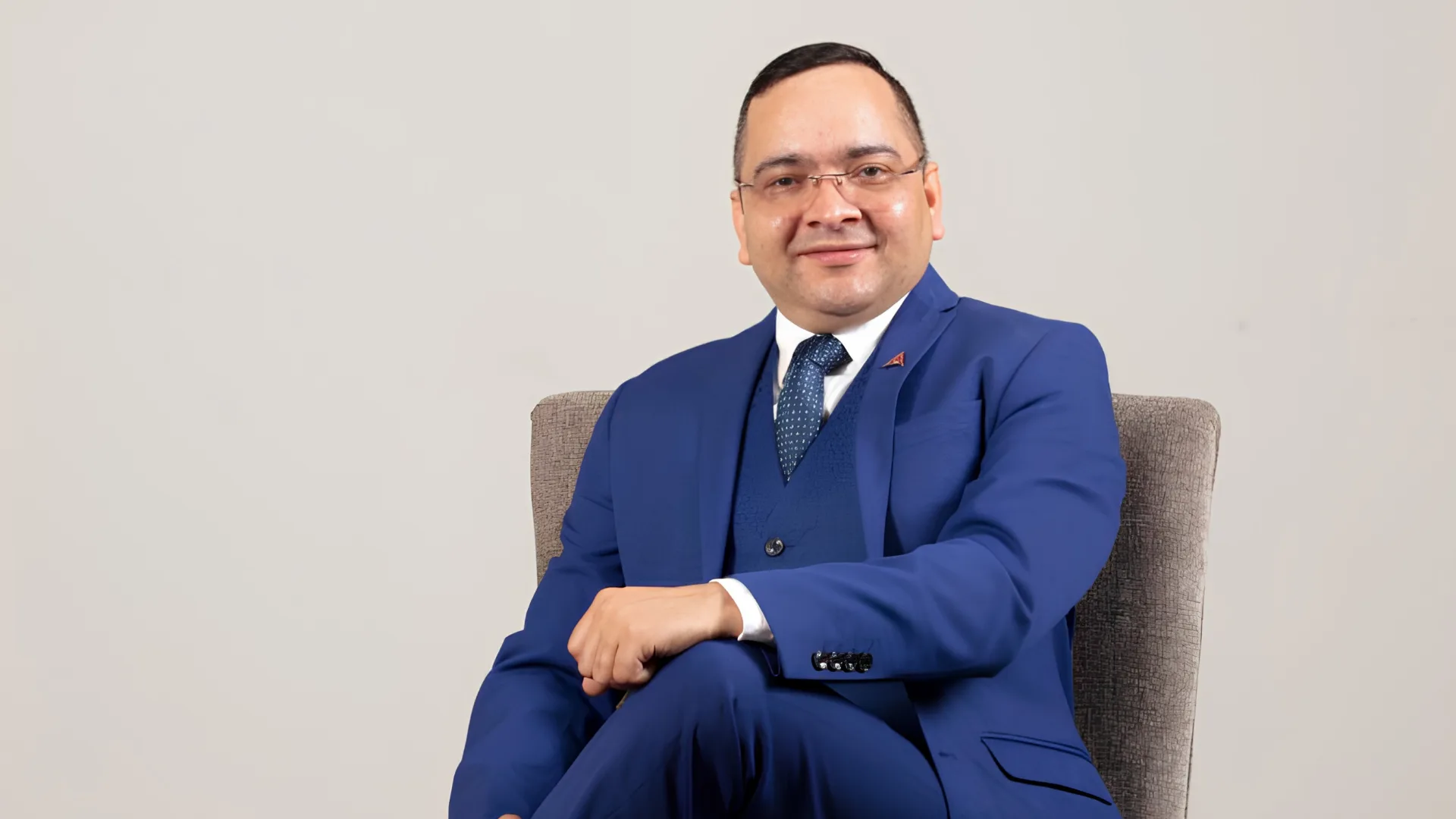
Kathmandu — Nabil Bank Chief Executive Officer Manoj Gyawali has raised serious concerns over Nepal’s mandatory priority sector lending framework, saying the policy has failed to deliver expected economic outcomes and may be contributing to rising credit risks in the banking system.
Speaking at the House of Representatives’ Finance Committee during deliberations on the upcoming monetary policy, Gyawali said commercial banks have already allocated around 45 to 49 percent of their total lending to priority sectors as required by Nepal Rastra Bank. However, he argued that the intended goal of improving production and economic output has largely remained unfulfilled, except in the energy sector.
He stated that while the policy was designed to channel credit into productive areas such as agriculture and other priority sectors, the actual results have been weak in terms of output growth and financial returns. In some cases, he warned, it has even contributed to rising levels of default.
“The loans directed to priority sectors have neither increased production nor reduced default risk,” he was quoted as saying, adding that future monetary policy should not focus only on expanding credit volume but on improving its quality and productivity impact.
Gyawali also urged the central bank to rethink its approach to non-performing loan (NPL) classification. He said the current system treats borrowers who deliberately default and those who face genuine financial distress in the same category, which he believes is undermining business confidence.
According to him, the one-year timeline for classifying loans as bad debt has placed additional pressure on borrowers and may push otherwise viable businesses into financial collapse. He called for a more flexible and differentiated risk assessment framework.
A major area of concern highlighted in his remarks was the construction sector, where he estimated that around Rs 5 trillion in bank credit is currently exposed. He warned that delays in government payments to contractors are increasing systemic risk for banks and could eventually affect government revenue collection as well.
On interest rate policy, Gyawali pointed to structural constraints in the current system, stating that banks have limited flexibility in adjusting rates in line with market conditions. While they can reduce lending rates during periods of excess liquidity, they are less able to raise them when needed, creating imbalance in credit pricing.
He also called for a review of mandatory sectoral lending requirements, arguing that such rules limit the ability of banks to allocate capital based on demand and risk assessment. While acknowledging that the energy sector has delivered relatively stronger returns, he said lending to agriculture and other sectors has often failed to translate into productive economic activity.
In some instances, he noted, agricultural loans have been diverted toward non-productive uses such as land plotting, raising concerns about misallocation of credit.
Gyawali further urged reforms in collateral and lending procedures, stating that current legal requirements—such as obtaining signatures from all family members for collateral agreements—slow down credit processing. He suggested that recognizing the primary property owner alone could make lending more efficient and responsive.
He also addressed perceptions around banking profitability, noting that despite contributing around 13 percent of government revenue, the sector’s returns to investors are often misunderstood and comparatively modest.
Concluding his remarks, Gyawali emphasized that monetary policy should remain focused on core macroeconomic objectives such as financial stability, inflation management, and interest rate balance, rather than becoming overly detailed in operational matters.
He warned that excessive directed lending, without corresponding market demand, risks channeling capital into real estate and other non-productive sectors, potentially increasing long-term financial instability.
His comments come at a time when Nepal’s monetary authorities are preparing a revised policy framework aimed at balancing credit expansion with financial stability, while the banking sector continues to raise concerns over regulatory rigidity and rising credit risk.
Advertisement
Written by
Dipesh Ghimire