Monetary Policy
Private Sector Welcomes New Monetary Policy, Calls for Effective Implementation to Revive Investment
According to FNCCI, structural reforms in the financial sector will be essential to support private investment, improve credit flow and strengthen Nepal’s economic recovery process. The organization has maintained that the new monetary policy provides a positive direction, but its real impact will be measured by how effectively banks, regulators and government agencies implement the announced measures.
Dipesh Ghimire
4 min read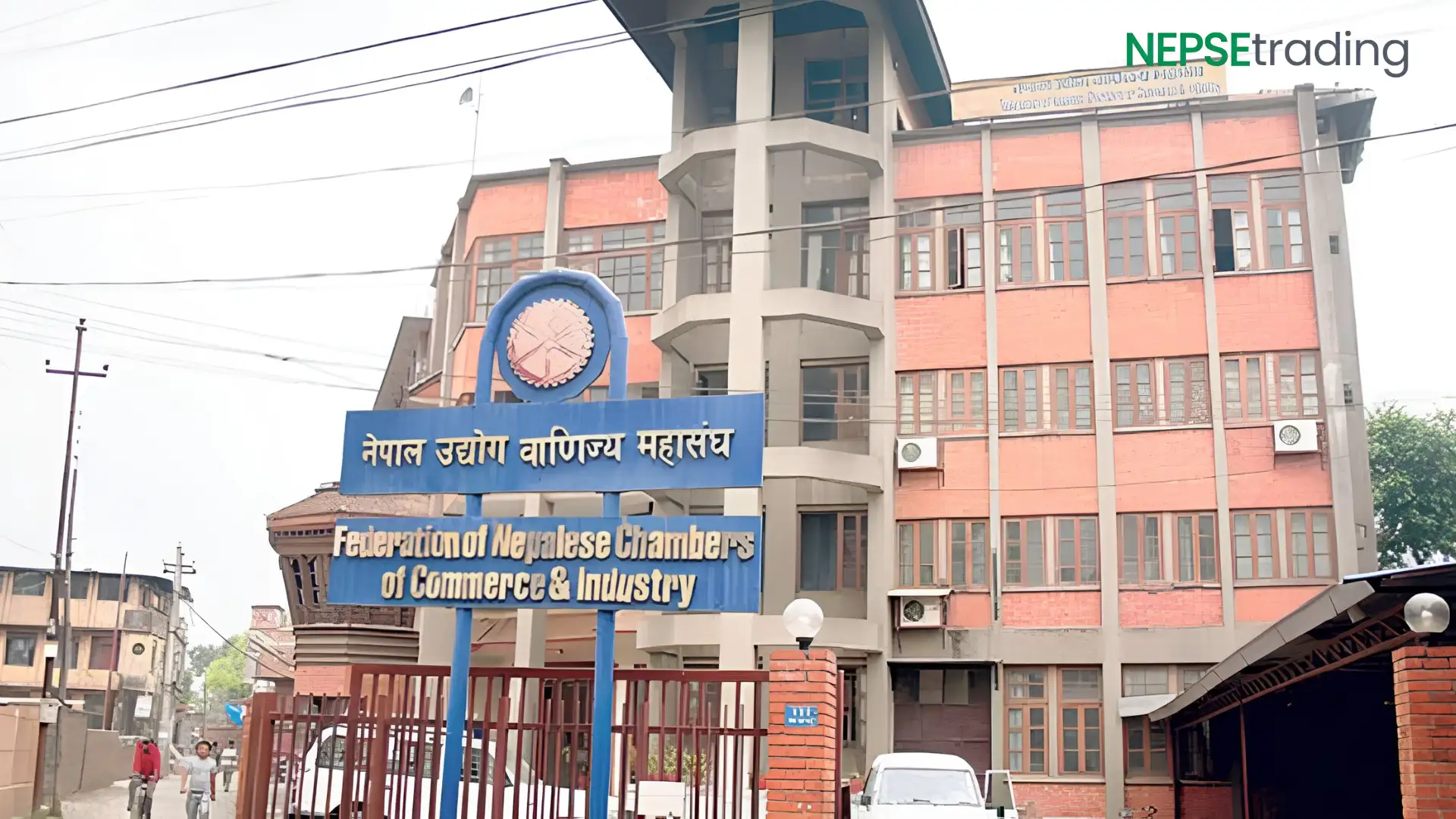
The Federation of Nepalese Chambers of Commerce and Industry (FNCCI) has welcomed Nepal Rastra Bank’s monetary policy for the fiscal year 2083/84, describing it as a balanced and supportive framework aimed at restoring private sector confidence and maintaining stability in the economy.
The umbrella organization of Nepal’s private sector said the new monetary policy has attempted to strike a balance between controlling inflation, ensuring financial sector stability and creating conditions for stronger economic growth at a time when the economy is gradually moving toward recovery.
According to FNCCI, the policy has recognized the important role of the private sector in achieving the government’s target of 7 percent economic growth for the upcoming fiscal year. The organization said measures aimed at encouraging investment expansion, increasing production, generating employment and reviving economic activities indicate a more flexible approach toward business recovery.
FNCCI President Anjan Shrestha said the monetary policy has attempted to address several concerns repeatedly raised by the private sector. He highlighted the removal of unlimited liabilities created through personal guarantees, arrangements for managing inactive loans of distressed industries and measures aimed at restructuring loans facing repayment pressure as positive developments.
The private sector has long argued that excessive personal liability requirements and difficulties in managing stressed loans have discouraged entrepreneurs from taking risks and expanding investment. FNCCI believes that the new provisions could help reduce pressure on businesses struggling due to prolonged economic slowdown and improve confidence among investors.
The federation has also welcomed the decision to determine limits for share-backed loans based on institutional capacity rather than applying a uniform restriction. Similarly, easier loan-to-value provisions for large electric vehicles used in public transportation have been viewed as a step that could support investment in emerging sectors, particularly clean transportation.
However, FNCCI has stressed that the effectiveness of these policy measures will depend on how clearly they are translated into implementation guidelines. The organization has urged Nepal Rastra Bank to include practical provisions for loan restructuring and rescheduling for small, medium and large enterprises across different sectors.
The private sector body said policy announcements alone would not be sufficient to accelerate economic recovery unless banks and financial institutions receive clear operational instructions. According to FNCCI, businesses need predictable procedures and accessible financing mechanisms to convert policy support into actual investment and production growth.
FNCCI has also appreciated the central bank’s decision to keep major policy instruments unchanged, including the policy rate, standing deposit facility rate, bank rate, cash reserve ratio (CRR), statutory liquidity ratio (SLR) and standing liquidity facility. The organization said maintaining stability in these indicators would improve investor confidence and make the business environment more predictable.
The federation further welcomed initiatives related to digital transformation of banks and financial institutions, reduction of financial costs, improvement in service delivery and simplification of regulatory procedures. It said easier foreign exchange arrangements and simplified banking regulations could support trade expansion, investment flows and international business activities.
The organization noted that Nepal’s external sector has shown improvement due to adequate foreign exchange reserves, steady remittance inflows, growth in tourism earnings and expansion of service exports. FNCCI believes these positive external indicators could provide a foundation for increasing domestic economic activities if supported by effective financial policies.
At the same time, FNCCI emphasized that the success of the monetary policy would depend largely on implementation. The federation pointed out that Nepal’s banking system currently has sufficient liquidity and urged financial institutions to ensure that available funds reach productive sectors rather than remaining concentrated in limited areas.
The monetary policy has targeted around 11 percent credit expansion for the upcoming fiscal year. FNCCI said such credit growth should be directed toward productive areas including industries, agriculture, tourism, energy, information technology, infrastructure, export-oriented businesses and small and medium enterprises.
According to the federation, economic recovery cannot gain momentum unless credit reaches sectors that directly contribute to production, employment and income generation. It warned that excessive focus on non-productive lending could limit the broader impact of monetary expansion.
FNCCI has also called for coordination between monetary policy and broader government economic reforms. The organization said investment-friendly legal reforms, effective implementation of capital expenditure and timely completion of national priority projects should move forward alongside monetary measures.
The private sector body argued that monetary and fiscal policies must work together to achieve sustainable economic transformation. Improved coordination between the government, central bank and businesses would be necessary to create a stable environment for long-term investment.
FNCCI has expressed commitment to continue working with Nepal Rastra Bank and the government to improve competitiveness of Nepali businesses, expand investment and support sustainable economic growth. The federation believes continuous dialogue between public and private sectors will be important for maintaining policy stability.
Along with welcoming the monetary policy, FNCCI has requested further flexibility in loan classification and loan loss provisioning arrangements. It has particularly suggested making the existing watchlist and blacklist-related provisions more practical and flexible for at least two years to provide relief to businesses affected by economic difficulties.
The federation has also urged immediate implementation of a “Financial Sector Reform 2.0” programme focusing on bank recapitalization, management of non-performing assets, expansion of risk-sharing mechanisms and development of financial instruments targeted toward productive sectors.
According to FNCCI, structural reforms in the financial sector will be essential to support private investment, improve credit flow and strengthen Nepal’s economic recovery process. The organization has maintained that the new monetary policy provides a positive direction, but its real impact will be measured by how effectively banks, regulators and government agencies implement the announced measures.
Advertisement
Written by
Dipesh Ghimire