SEBON
Questions Grow Over Past SEBON Decisions as Chairmanship Race Enters Final Stage
For many stakeholders, the current moment represents a larger test of credibility for Nepal’s capital market institutions. Investors, regulators, and policymakers now face growing pressure to demonstrate that future reforms will prioritize transparency, institutional independence, and investor protection rather than policy decisions perceived to benefit a limited group of influential actors.
Dipesh Ghimire
4 min read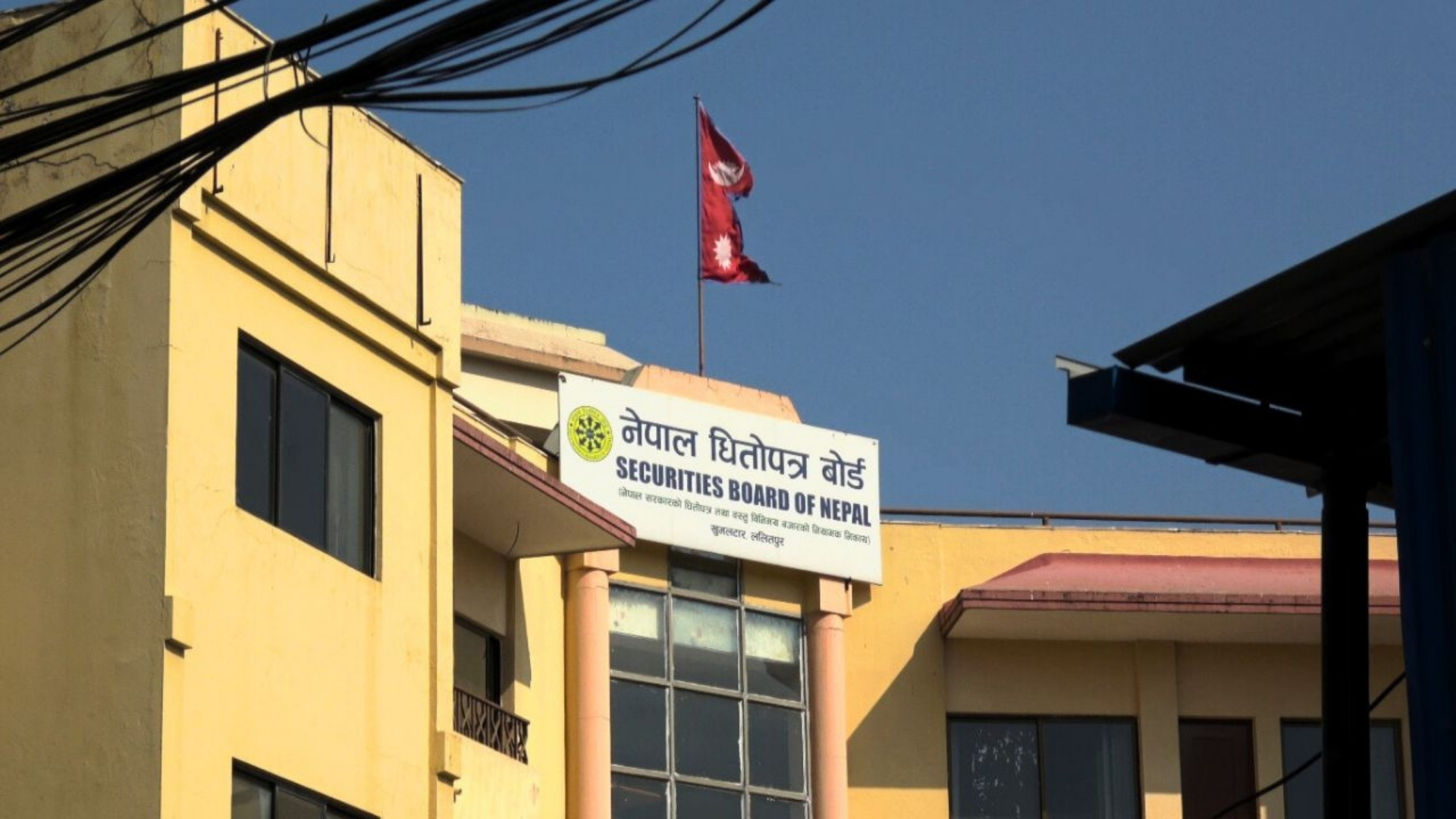
As the process of appointing a new chairperson of the Securities Board of Nepal (SEBON) reaches its final stage, old policy decisions taken inside the capital market regulator are once again drawing public scrutiny. Discussions surrounding regulatory transparency, policy favoritism, and the influence of business interest groups have intensified after details of several controversial amendments and licensing decisions resurfaced in the public domain.
At the center of the debate is Mukunda Kumar Kshetri, former executive director of Nepal Rastra Bank, who served as a board member of SEBON from December 2021 to December 2023. His tenure coincided with one of the most controversial phases in Nepal’s capital market history — a period marked by aggressive regulatory amendments, premium IPO approvals, and disputes over the proposed licensing of new stock exchanges.
One of the most debated decisions from that period was the sixth amendment to the Securities Registration and Issuance Regulation, 2017, introduced during the tenure of then SEBON Chairperson Ramesh Kumar Hamal. The amendment later became controversial because critics alleged that it was designed in a way that primarily benefited a limited group of influential business interests rather than protecting ordinary investors.
Before the amendment, existing regulations required any organized institution to complete at least three years of operation before becoming eligible to issue an Initial Public Offering (IPO). The provision had originally been designed as a safeguard to protect retail investors by ensuring that companies had a sufficient operational track record before entering the public market.
However, the amended regulation reduced that mandatory operating period from three years to two years. The change immediately benefited Himalayan Reinsurance, a company widely associated in public discussions with businessman Deepak Bhatt. The company was subsequently able to issue shares to the public at a premium valuation nearly one year earlier than previously permitted under the older regulation.
The controversy surrounding the amendment did not arise merely because a rule was changed. Rather, the larger concern inside market circles was the perception that regulatory mechanisms were being adjusted in ways that appeared to favor certain powerful corporate groups. Critics argued that the episode raised broader questions about whether Nepal’s securities regulator was functioning independently or gradually becoming vulnerable to pressure from politically connected business networks.
The issue has gained renewed attention at a time when businessman Deepak Bhatt himself is facing separate allegations related to money laundering investigations. Recent reports indicating recommendations for legal action against multiple individuals, including Bhatt, have added another layer of public interest to past regulatory decisions linked to companies associated with him. Although no court verdict has established wrongdoing regarding the SEBON amendments themselves, the overlap between regulatory decisions and corporate interests continues to fuel debate within the investment community.
Questions have also resurfaced regarding the controversial process of introducing new private stock exchanges in Nepal. During Kshetri’s tenure as a board member, SEBON moved forward with directives and regulatory frameworks related to licensing new stock and commodity exchanges. On September 12, 2022, a SEBON board meeting approved amendments and guidelines that paved the way for the proposed expansion of exchange licensing in the country.
That process later became one of the most politically sensitive issues inside Nepal’s capital market sector. Allegations of financial lobbying, crony capitalism, and favoritism soon followed. Concerns were raised in Parliament’s Finance Committee, while court cases were also filed challenging the credibility and transparency of the licensing process. As criticism intensified, the process eventually stalled.
For many investors, the controversy highlighted a deeper institutional problem. Nepal’s capital market regulator, which is expected to function as an independent guardian of investor protection and market integrity, increasingly found itself accused of facilitating policy decisions that appeared aligned with powerful business interests. The debate also exposed growing frustration among retail investors, many of whom already believe that Nepal’s capital market lacks transparency, predictable regulation, and equal access to information.
The discussion has now become even more sensitive because Kshetri himself remains among the final four candidates shortlisted for the position of SEBON chairperson. Alongside Dr. Navaraj Adhikari, Binay Dev Acharya, and Dr. Gopal Prasad Bhatt, Kshetri has been recommended to the Cabinet by the recommendation committee formed to appoint the new SEBON chief. The Cabinet is expected to select one candidate from the final shortlist.
The chairperson’s position became vacant after former Chairperson Santosh Narayan Shrestha resigned citing personal reasons. A total of 47 applicants had originally applied for the post. However, as the appointment process nears completion, the debate surrounding past regulatory decisions has transformed the selection process into more than just an administrative appointment.
For many stakeholders, the current moment represents a larger test of credibility for Nepal’s capital market institutions. Investors, regulators, and policymakers now face growing pressure to demonstrate that future reforms will prioritize transparency, institutional independence, and investor protection rather than policy decisions perceived to benefit a limited group of influential actors.
Advertisement
Written by
Dipesh Ghimire