SEBON Proposes Strict IPO Rules: Artificial Profits Banned, Directors' Backgrounds to be Scrutinized
To prevent the misuse of funds raised from the general public, the Board has proposed that a clear plan for capital utilization must be endorsed by the company's Annual General Meeting (AGM). Funds collected through an IPO cannot be diverted to areas other than the pre-approved objectives, and companies must mandatorily implement an internal risk management system. Once these guidelines are implemented, it will ensure that only financially robust and well-governed companies gain entry into the capital market.
Dipesh Ghimire
1 min read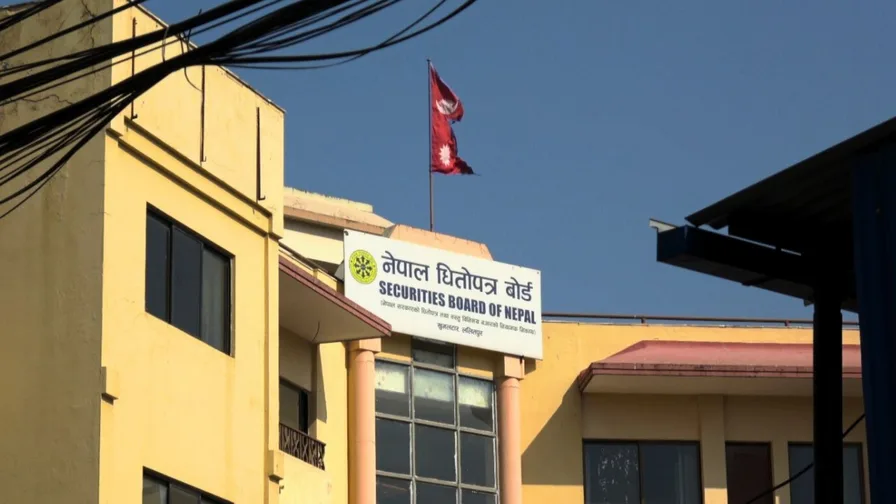
Kathmandu — In a bid to make the Initial Public Offering (IPO) process more secure and transparent, the Securities Board of Nepal (SEBON) has proposed stringent new standards. Prioritizing the protection of investors' wealth, the Board has advanced the draft of the 'General Eligibility Guidelines for Public Issuance, 2083', which heavily focuses on corporate governance, the backgrounds of directors, and the reliability of financial reports.
Under the newly proposed provisions, companies will no longer be allowed to issue IPOs by showing paper-based or artificial profits. A strict condition has been set requiring that a company's income must stem from genuine business transactions, and its net worth per share must not fall below the face value. Additionally, before going public, a company must mandatorily publish its audited financial statements of the last three fiscal years on its own website as well as the issue manager's website.
The most robust aspect of this draft is the 'fit and proper' test for directors and top management. The professional reputation, potential conflicts of interest, and legal history of the founders, directors, and Chief Executive Officers (CEOs) of companies issuing IPOs will now be closely scrutinized. Companies led by individuals convicted by a court of serious financial crimes, fraud, or corruption will be denied IPO approval until three years have passed since the completion of their sentences. Similarly, a restriction will apply if it hasn't been at least six months since their removal from the credit blacklist.
To prevent the misuse of funds raised from the general public, the Board has proposed that a clear plan for capital utilization must be endorsed by the company's Annual General Meeting (AGM). Funds collected through an IPO cannot be diverted to areas other than the pre-approved objectives, and companies must mandatorily implement an internal risk management system. Once these guidelines are implemented, it will ensure that only financially robust and well-governed companies gain entry into the capital market.
Advertisement
Written by
Dipesh Ghimire