Nepal Rastra Bank Governor
South Asia Moves Toward Digital Payment Integration as Nepal Calls for Regional Cooperation
The latest discussions reflect a growing regional interest in building stronger digital financial links. While South Asia has made significant progress in digital payments, policymakers say closer coordination among countries will be necessary to fully utilize the potential of a regional digital payment network.
Dipesh Ghimire
2 min read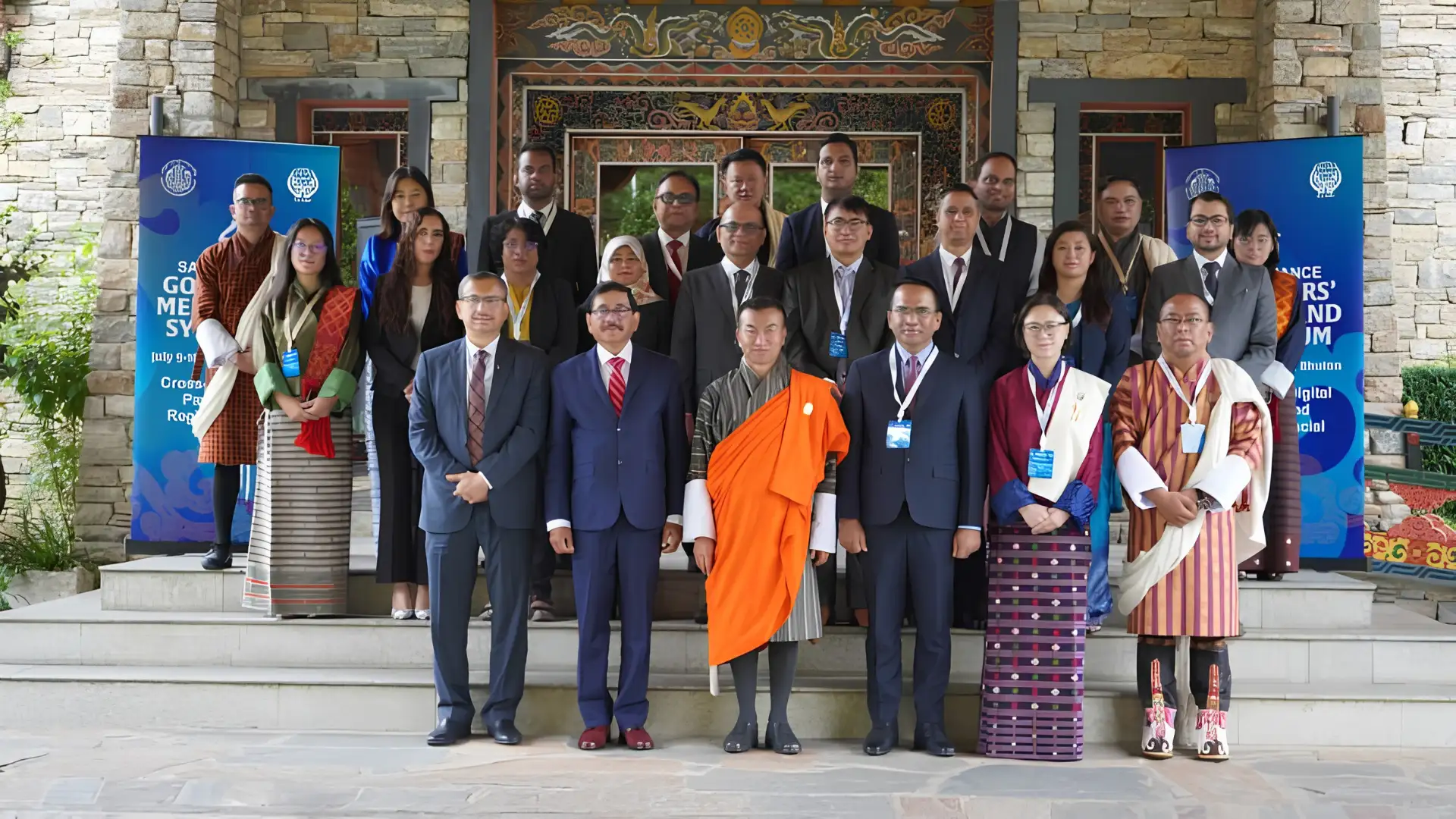
Kathmandu — Nepal has called for stronger cooperation among South Asian countries to develop a connected digital payment ecosystem, arguing that regional collaboration is essential to make cross-border transactions faster, safer and more efficient.
Nepal Rastra Bank Governor Prof. Dr. Bishwanath Poudel made the remarks during the 49th SAARCFINANCE Governors’ Group Meeting and Symposium held in Paro, Bhutan. The meeting brought together central bank governors, senior officials and financial policymakers from SAARC member countries to discuss emerging challenges and opportunities in the financial sector.
The growing use of digital payment systems has changed the way people and businesses conduct transactions. However, differences in payment infrastructure, regulatory systems and technological capacity among South Asian countries remain major challenges in creating a seamless regional payment network.
Addressing a panel discussion on “Advancing Regional Financial Integration through Digital Payment Connectivity and Innovation,” Governor Poudel highlighted Nepal’s progress in expanding electronic payment systems and improving digital financial infrastructure.
He said that cooperation among regional economies would be important to develop payment systems that are secure, affordable and accessible for citizens and businesses across South Asia.
Nepal Rastra Bank has been working on expanding digital payment services and improving payment connectivity. During the meeting, the central bank shared Nepal’s experience in increasing electronic transactions and exploring possibilities for facilitating international payments.
The meeting also focused on improving interoperability between the payment systems of different countries. Nepal Rastra Bank’s Executive Director of the Payment Systems Department, Nishchal Adhikari, presented Nepal’s current position, ongoing initiatives and challenges in developing cross-border payment mechanisms.
Experts and policymakers believe that better regional payment connectivity could reduce transaction costs, support trade and tourism, and make financial services more accessible. For countries with large numbers of migrant workers and increasing digital transactions, efficient cross-border payment systems have become increasingly important.
During the meeting, Governor Poudel also informed participants that Nepal’s external and financial sectors remain stable. However, he pointed out that global geopolitical uncertainties continue to create challenges for price stability and economic management.
Representatives from SAARC member countries discussed wider financial issues, including financial inclusion, climate investment, sustainable development, currency swap arrangements, common research initiatives and future areas of cooperation.
The event also included discussions on strengthening economic and financial ties among South Asian nations. Governor Poudel held a separate meeting with Bhutan’s Finance Minister Lyonpo Lekey Dorji, where issues related to economic cooperation were discussed.
SAARCFINANCE, established in 1998, serves as a platform for cooperation among central banks and finance authorities of SAARC countries. It focuses on sharing experiences, coordinating views on macroeconomic issues and promoting collaboration in the financial sector.
The latest discussions reflect a growing regional interest in building stronger digital financial links. While South Asia has made significant progress in digital payments, policymakers say closer coordination among countries will be necessary to fully utilize the potential of a regional digital payment network.
Advertisement
Written by
Dipesh Ghimire