Iran–US
Strait of Hormuz Crisis: Iran–US Rivalry Raises New Global Security Concerns
The current situation highlights how a regional military confrontation can quickly become a global economic issue. With both sides strengthening their positions while keeping diplomatic options open, the future of the Strait of Hormuz remains one of the most closely watched security challenges in the world.
Dipesh Ghimire
2 min read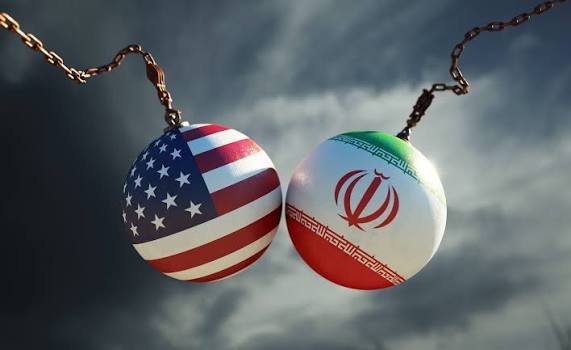
The latest confrontation between Iran and the United States has pushed the Middle East back into a period of uncertainty, with growing concerns over energy security, international shipping and the possibility of a wider military escalation. The dispute has centred on the strategically vital Strait of Hormuz, one of the world’s most important maritime routes for global oil transportation.
Iran’s announcement that it had closed the Strait of Hormuz until further notice marked a significant escalation in the ongoing confrontation. The waterway connects the Persian Gulf with the Gulf of Oman and serves as a critical passage for a large share of global energy exports. Any prolonged disruption in this route could create immediate pressure on oil markets and increase transportation risks worldwide.
However, the United States has rejected Iran’s claim, stating that the maritime passage remains open and that American forces are prepared to ensure the safe movement of international vessels. The conflicting statements from both sides have created uncertainty among shipping companies and energy traders, who are closely monitoring developments in the region.
The latest crisis began after Iran’s Islamic Revolutionary Guard Corps was accused of attacking a commercial vessel that allegedly used an unauthorized route. According to the United States, the attack caused damage to the ship and forced crew members to abandon the vessel for safety. Washington described the incident as a direct threat to international maritime security.
In response, the United States carried out strikes against Iranian military infrastructure, targeting missile facilities, drone operations, communication networks and coastal surveillance systems. The scale of the operation indicates that Washington aimed not only to retaliate but also to reduce Iran’s ability to conduct further attacks in the region.
Iran, however, responded with claims of its own military success. The Islamic Revolutionary Guard Corps said it launched missile and drone attacks against American and allied military positions, claiming damage to command facilities and military assets. Regional governments, including several Gulf countries, said many incoming attacks were intercepted before causing major damage.
The exchange of attacks has raised questions over the stability of the previous ceasefire arrangement between Tehran and Washington. Both sides have accused each other of violating the agreement, creating doubts about whether diplomatic efforts can prevent further escalation.
Despite the rising military tension, officials from both countries have indicated that communication channels have not completely collapsed. International mediators are reportedly attempting to bring the two sides back toward dialogue, suggesting that diplomacy remains an option alongside military pressure.
Analysts say the biggest global concern is not only the direct conflict between Iran and the United States but also its impact on the international economy. The Strait of Hormuz plays a central role in global energy supply, and any prolonged crisis could lead to higher oil prices, increased shipping costs and further instability in international markets.
The current situation highlights how a regional military confrontation can quickly become a global economic issue. With both sides strengthening their positions while keeping diplomatic options open, the future of the Strait of Hormuz remains one of the most closely watched security challenges in the world.
Advertisement
Written by
Dipesh Ghimire