Top
Strong External Buffers Mask a Sluggish Domestic Economy, Central Bank Data Shows
Strong External Buffers Mask a Sluggish Domestic Economy, Central Bank Data Shows Nepal’s economy presents a tale of two contrasting realities, according to the six-month review of the current fiscal year released by Nepal Rastra Bank. While external sector indicators have improved markedly—easing fears of balance-of-payments stress—the pace of domestic economic activity remains slower than expected, raising concerns about investment, production, and job creation. On the surface, macroeconomic stability appears to be returning. Inflation has eased significantly, foreign exchange reserves are at historically comfortable levels, and remittance inflows continue to surge. These developments suggest that the economy has moved away from the turbulence of recent years, when high inflation, liquidity shortages, and external payment pressures dominated policy discussions.
Dipesh Ghimire
2 min read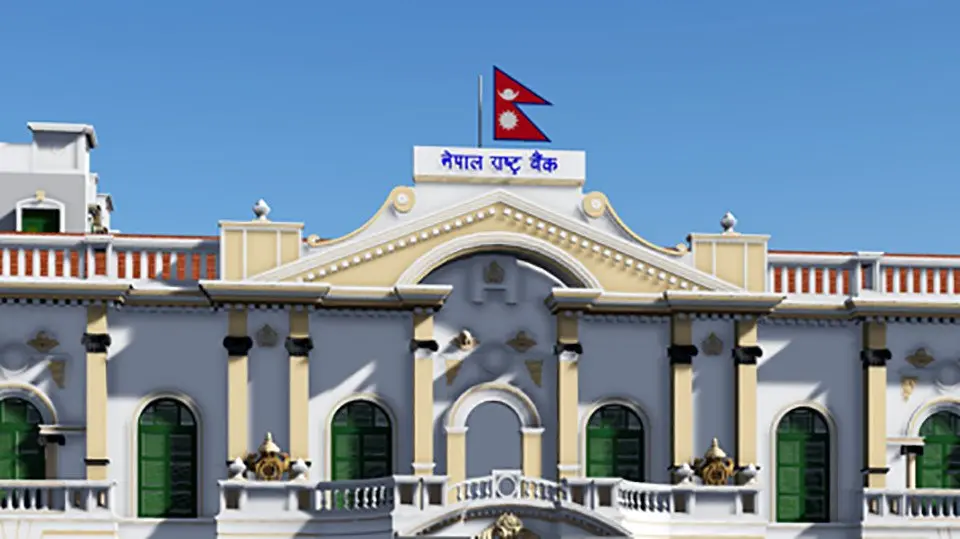
Nepal’s economy presents a tale of two contrasting realities, according to the six-month review of the current fiscal year released by Nepal Rastra Bank. While external sector indicators have improved markedly—easing fears of balance-of-payments stress—the pace of domestic economic activity remains slower than expected, raising concerns about investment, production, and job creation.
On the surface, macroeconomic stability appears to be returning. Inflation has eased significantly, foreign exchange reserves are at historically comfortable levels, and remittance inflows continue to surge. These developments suggest that the economy has moved away from the turbulence of recent years, when high inflation, liquidity shortages, and external payment pressures dominated policy discussions.
Consumer price inflation stood at 2.42 percent during the review period, a level widely regarded as manageable and even favorable in comparison to recent years. The low inflation rate indicates subdued demand conditions and improved supply management. For households, this has meant some relief from rising living costs, while for policymakers it signals that monetary tightening measures have been effective.
The most striking improvement has been in the external sector. Foreign exchange reserves have climbed to over NPR 3.24 trillion, equivalent to USD 22.17 billion, enough to cover about 18 months of imports of goods and services. Such a buffer significantly reduces near-term external vulnerability and provides confidence that Nepal can withstand potential global shocks without immediate pressure on its currency or import capacity.
Trade and remittance trends have reinforced this stability. Exports expanded sharply by more than 43 percent, while import growth remained comparatively modest at around 14 percent. At the same time, remittance inflows surged, growing by over 39 percent in rupee terms. These flows have helped keep both the current account and the balance of payments firmly in surplus, strengthening overall external resilience.
However, beneath these reassuring headline indicators, the domestic economy tells a more cautious story. Credit growth to the private sector remains weak, signaling that businesses are hesitant to expand and investors remain cautious. Despite ample liquidity in the banking system and relatively low interest rates, demand for loans has not picked up at a pace that would indicate a broad-based economic revival.
Monetary data further highlights this disconnect. Bank deposits have continued to grow steadily, yet credit expansion has lagged far behind. This imbalance suggests that while money is available in the financial system, it is not being transformed into productive investment. Economists often view such a trend as a sign of low business confidence and limited viable projects rather than a shortage of funds.
Fiscal indicators also reflect ongoing pressure. Government expenditure has continued at a relatively strong pace, while revenue mobilization has struggled to meet targets. This gap underscores persistent challenges in public finance management and raises questions about how effectively fiscal policy is supporting economic recovery without adding long-term strain.
Overall, the latest central bank data suggest that Nepal’s economy is stable, but not yet dynamic. Strong external fundamentals and low inflation provide a solid foundation, but without a revival in domestic investment and consumption, growth risks remaining subdued. Converting current stability into sustainable, employment-generating growth will require targeted structural reforms, improved investment confidence, and policies that actively encourage the private sector to re-engage with the economy.
Advertisement
Written by
Dipesh Ghimire