Tax Rates
Sweeping Review of Tax Rates, Income Tax Exemption Threshold Doubled
Similarly, a new provision has been made to settle tax disputes pending in courts or judicial bodies. Under this, if a taxpayer pays the assessed tax amount with an additional 1 percent within the specified deadline, the case will be withdrawn and the fees, fines, additional charges, late fees, or interest will be waived.
Dipesh Ghimire
2 min read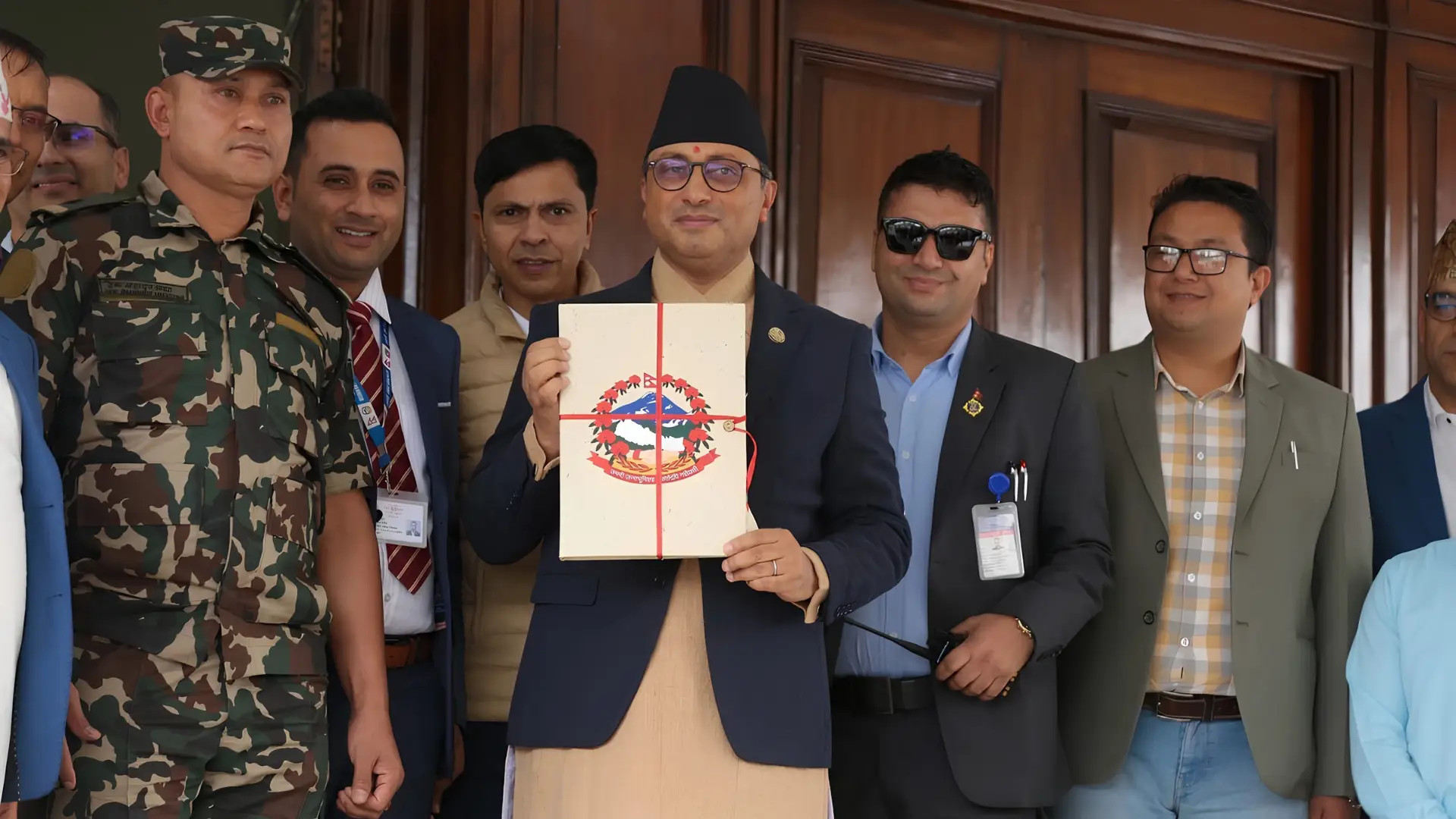
Kathmandu — Finance Minister Dr. Swarnim Wagle has announced a sweeping review of tax rates through the budget for the fiscal year 2083/84. He said the review was carried out with the aim of providing relief to businesses, expanding the middle class, and making the overall economy more dynamic.
With the goal of reducing the tax burden, the personal income tax exemption threshold has been doubled to Rs 1 million. Similarly, the maximum rate of personal income tax has been cut by 10 percentage points.
Significant changes have also been made to customs duties. Customs duty has been reduced on 273 types of raw materials, ensuring that the duty on industrial raw materials is at least one tier lower than on finished goods. The existing eleven-tier customs duty structure has been limited to seven tiers.
The excise duty currently levied on 360 goods has been scrapped. Likewise, scattered taxes collected at customs points — such as the infrastructure development tax and the road maintenance and improvement fee — have been consolidated and merged into a green tax.
The budget has also introduced new provisions for securities transactions. The capital gains tax levied on the sale of listed companies' securities has been made a final tax. In addition, a provision has been made so that Section 57 of the Income Tax Act, 2058, will not apply to involuntary disposals following the death of a natural person or to changes of ownership in controlled entities resulting from ownership changes.
To promote digital transactions, consumers making purchases through digital means will receive a 10 percent discount on value added tax at the time the invoice is issued. The VAT refund system will be automated, and attractive programmes such as lotteries will be launched to encourage the culture of issuing and receiving invoices, Wagle said. A high-level recommendation committee will be formed to study the relevance of multiple VAT rates.
The government has adopted a policy of treating tax compliance as a partner in development rather than a matter for punishment, the Finance Minister said. A special scheme on tax exemptions and concessions has been introduced to resolve long-standing tax disputes arising from legal ambiguity and taxpayers' lack of awareness.
Similarly, a new provision has been made to settle tax disputes pending in courts or judicial bodies. Under this, if a taxpayer pays the assessed tax amount with an additional 1 percent within the specified deadline, the case will be withdrawn and the fees, fines, additional charges, late fees, or interest will be waived.
Advertisement
Written by
Dipesh Ghimire