Top
Upper Tamakoshi Faces Governance Test as AGM Delay Raises Investor Alarm
Upper Tamakoshi Faces Governance Test as AGM Delay Raises Investor Alarm Kathmandu — Upper Tamakoshi Hydropower Limited is increasingly coming under pressure after repeated delays in holding its Annual General Meeting (AGM), a situation that has begun to erode investor confidence and raised questions about regulatory compliance. With three consecutive years passing without a regular AGM, concerns are growing that the company may be drifting toward a governance vacuum, exposing it to the risk of penalties and even delisting if corrective measures are not taken in time.
Dipesh Ghimire
3 min read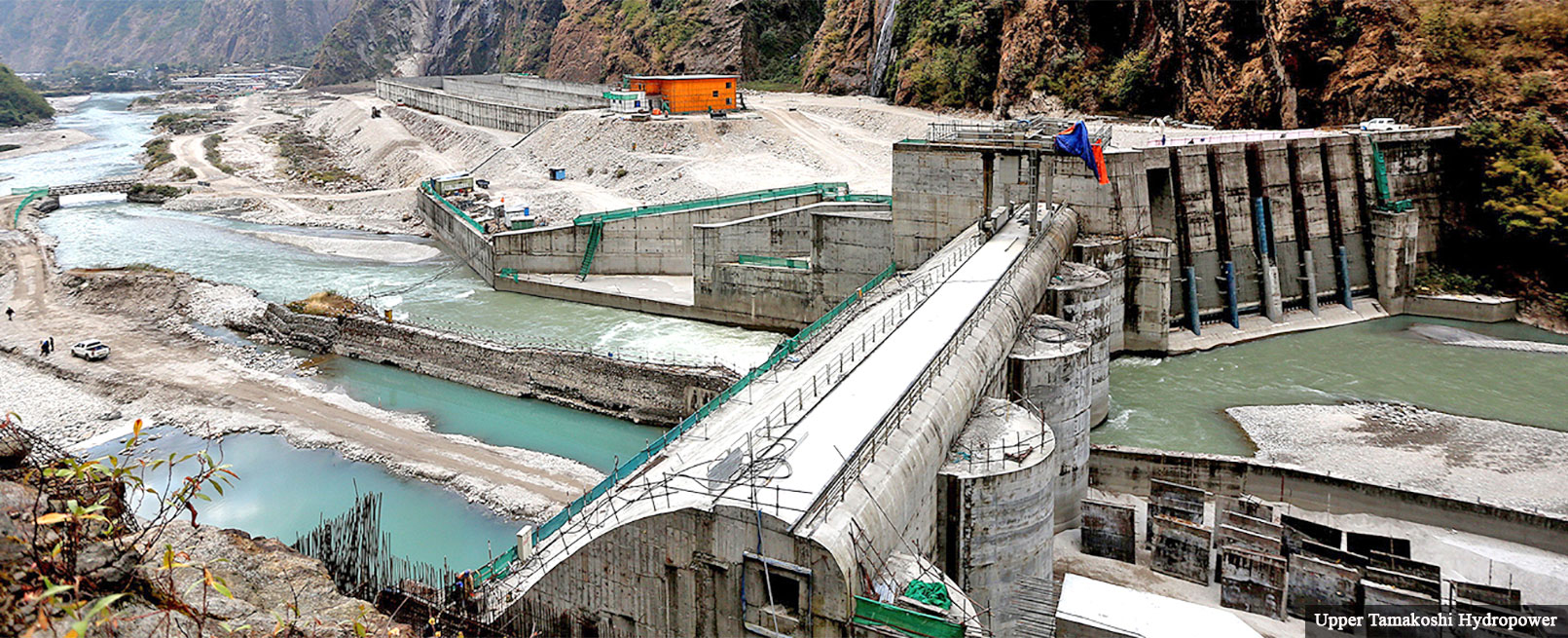
Kathmandu — Upper Tamakoshi Hydropower Limited is increasingly coming under pressure after repeated delays in holding its Annual General Meeting (AGM), a situation that has begun to erode investor confidence and raised questions about regulatory compliance. With three consecutive years passing without a regular AGM, concerns are growing that the company may be drifting toward a governance vacuum, exposing it to the risk of penalties and even delisting if corrective measures are not taken in time.
The Upper Tamakoshi Hydropower Project, once celebrated as a symbol of national pride and self-reliance in energy, now finds itself at the center of a debate over accountability and transparency. Since its last AGM for fiscal year 2079/80, held in Shrawan 2080, the company has failed to convene another shareholders’ meeting. For investors, this prolonged silence has meant limited access to verified information on financial performance, strategic direction, and dividend prospects, leaving them uncertain about the future of their investment.
The absence of regular AGMs has had broader implications for the company’s governance structure. Most notably, Upper Tamakoshi has been unable to appoint independent directors, a requirement considered essential for ensuring checks and balances in publicly listed companies. Investors argue that the board remains heavily influenced by the Nepal Electricity Authority, weakening internal oversight and limiting independent scrutiny of management decisions. This imbalance, they say, has reduced transparency and diluted the role of minority shareholders.
Leadership concentration has further intensified these concerns. The practice of appointing the Managing Director of the Nepal Electricity Authority as the chairperson of Upper Tamakoshi has drawn criticism from investors, who believe that one individual overseeing multiple institutions cannot provide adequate attention to a company of this scale. Allegations of unilateral decision-making and under-discussed board resolutions suggest that institutional governance norms are being stretched thin.
Tensions have also surfaced over staffing practices within the company. Despite being a public limited entity, key positions are reportedly held by officials deputed from the Authority. Shareholders claim this arrangement prioritizes institutional interests over corporate performance and shareholder value. Such practices, they argue, undermine the independence expected of a publicly traded company and raise legal and ethical questions.
Financial stress has added another layer to the company’s challenges. A recent downgrade by ICRA Nepal to the ‘D’ category, following delays of over 30 days in debt servicing, has amplified market concerns. Previously rated ‘Double B’, the downgrade signals heightened credit risk and has triggered fears that continued regulatory inaction by the Nepal Securities Board and the Nepal Stock Exchange could eventually push the company toward delisting.
The financial structure of Upper Tamakoshi remains heavily leveraged. Long-term liabilities have climbed to NPR 45.36 billion, with repayment schedules stretching over 15 years for both government and institutional loans. While the company reports that it has been servicing its debt according to schedule in recent periods, investors point out that high interest costs, depreciation, and operational expenses—exacerbated by construction delays and cost overruns—continue to weigh on profitability.
Despite these pressures, recent financial results offer a mixed picture. In the first quarter of the current fiscal year, the company reported a significant jump in net profit, reaching NPR 1.66 billion, compared to NPR 631.9 million in the same period last year. Electricity sales revenue stood at NPR 3.85 billion, indicating stable operational performance. However, negative retained earnings of NPR 10.77 billion underscore the long road ahead before the company can sustainably reward shareholders.
Ownership structure further complicates the situation. With around 51 percent of shares held by government and public institutions—including the Nepal Electricity Authority, Nepal Telecom, Citizen Investment Trust, and Rastriya Beema Sansthan—decision-making power remains concentrated. While such backing has provided stability during the construction phase, investors now argue that it has also slowed reform and accountability in the operational phase.
For many market observers, Upper Tamakoshi’s current predicament reflects a broader challenge facing Nepal’s infrastructure-led public companies: transitioning from state-driven execution to shareholder-oriented governance. Unless timely AGMs are held, independent oversight strengthened, and transparent communication restored, the company risks not only regulatory action but also lasting damage to investor trust. The outcome will likely serve as a test case for how Nepal’s capital market enforces governance standards in large, strategically important enterprises.
Advertisement
Written by
Dipesh Ghimire