NEPSEtrading

Make smarter moves backed by machine learning. Join thousands of traders leveraging AI to maximize profits.

nepsetrading.com is an online news portal that provides insights into trading and investment by analyzing the stock market and the global economy. We create charts based on the analysis of various indicators. Please do not rely solely on this information for investment decisions. Self-study is crucial. Use this information only as an educational and informational resource.

Marketminds Investment Group Private Limited

DOIB Registration certificate no.: 4680-2081/2082

Director & Editor-in-chief: Dipesh Ghimire · 9802363868, 9851119988

Koteshwor 32, Kathmandu
01-5253221 · +977 9709066745

Contact support

Subscribe to our newsletter

Weekly insights from the NEPSE market in your inbox.

Market

  • Stocks
  • Sectors

Company

  • About Us
  • Our Team
  • Terms of Use
  • Our Policy
  • Training
  • Contact Us

Help

  • Support
  • Report
  • FAQ

© 2026 nepsetrading.com. All rights reserved.
Owned and operated by Marketminds Investment Group Private Limited.

Charts powered by TradingView

  • Home
  • Latest
  • Trending
  • Stock
  • Education
  • International
    1. News
    2. Investor
    3. 14-Year Private Sector Credit Growth Trends: A Historical Perspective
    १४ वर्षको निजी क्षेत्र कर्जा वृद्धिको ऐतिहासिक विश्लेषण
    Investor
    2 min read
    Published on February 1, 2025
    Dipesh Ghimire

    १४ वर्षको निजी क्षेत्र कर्जा वृद्धिको ऐतिहासिक विश्लेषण14-Year Private Sector Credit Growth Trends: A Historical Perspective

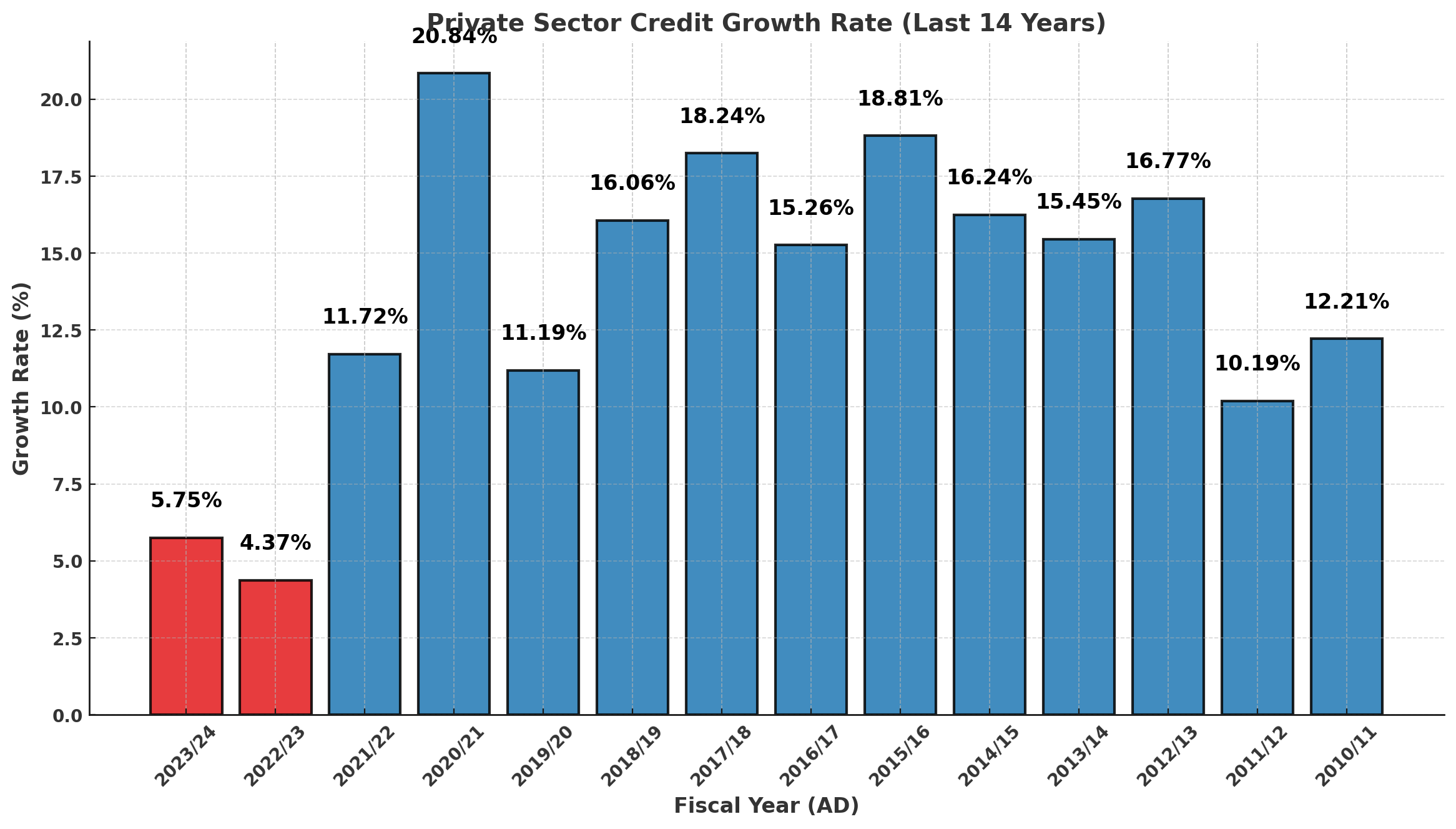
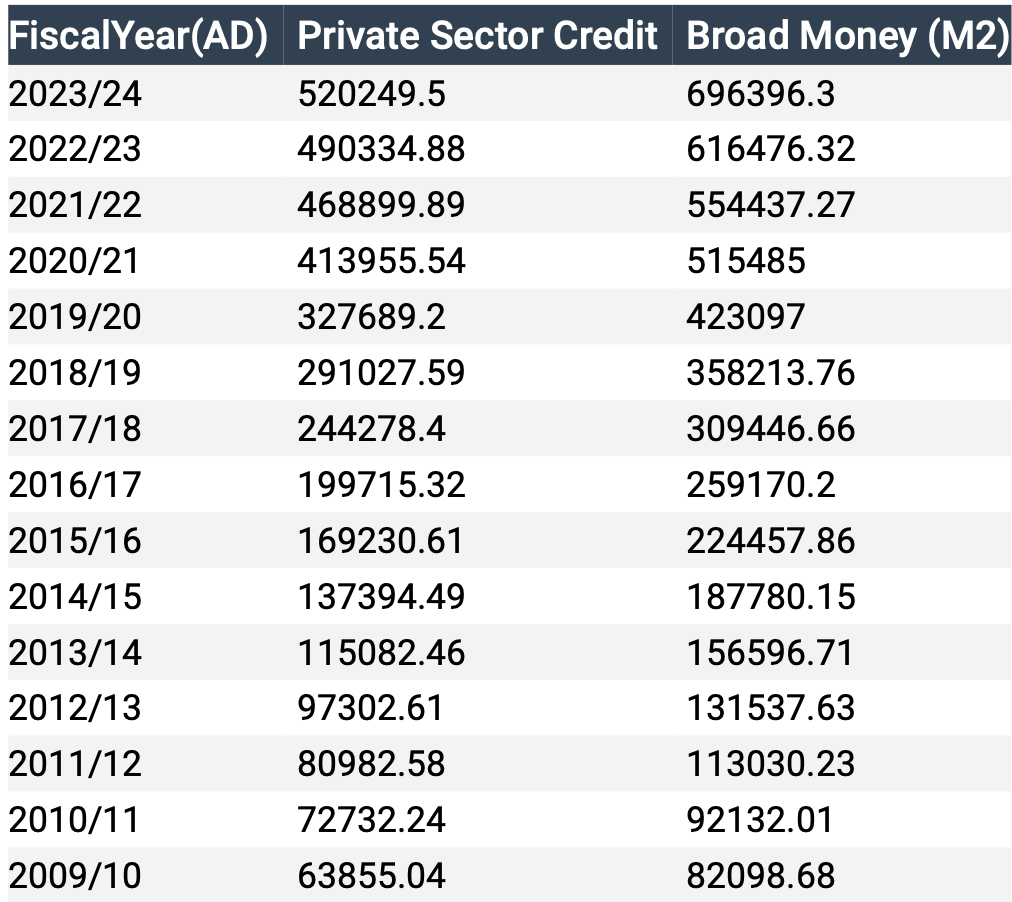
    काठमाडौं, नेपाल – नेपालमा निजी क्षेत्रको कर्जा वृद्धिदर आर्थिक वर्ष २०२३/२४ मा ५.७५% मा सीमित भएको छ। हालसालै सार्वजनिक तथ्याङ्क अनुसार, निजी क्षेत्रको कर्जा ५.२ ट्रिलियन रुपैयाँ (५,२०,२४९.५ करोड) पुगेको छ। तर, यो वृद्धि अघिल्लो वर्ष २०२२/२३ को ४.३७% को तुलनामा केही सुधार भए पनि अघिल्लो वर्षहरूको तुलनामा निकै कम छ।

    तीन वर्षअघिको २०२०/२१ मा निजी क्षेत्रको कर्जा वृद्धिदर २०.८४% थियो, जुन हालको वृद्धिदरको तुलनामा निकै उच्च थियो। तर, पछिल्ला केही वर्षयता कर्जा प्रवाहमा गिरावट आउनु बैंक तथा वित्तीय संस्थाहरूको सावधानीपूर्ण कर्जा नीतिहरू र आर्थिक मन्दीका संकेतहरू देखिन्छन्।
    कर्जा वृद्धिदरको घट्दो प्रवृत्ति

    विगत केही वर्षयता नेपालमा निजी क्षेत्रको कर्जा वृद्धिदर क्रमशः घट्दै गएको देखिन्कर्जा प्रवाह सुस्त हुनुका मुख्य कारणहरू

    १. बढ्दो ब्याजदर: नेपाल राष्ट्र बैंक (NRB) ले मुद्रास्फीति नियन्त्रण गर्न कडाइ गरेको छ, जसले बैंकहरूको ऋणको लागत बढाएको छ।
    २. तरलता अभाव: बैंक तथा वित्तीय संस्थाहरूमा तरलता (liquidity) को समस्या देखिएको छ, जसले नयाँ कर्जा प्रवाहमा असर परेको छ।
    ३. व्यवसायिक विश्वासको कमी: सेयर बजारमा अनिश्चितता, जग्गा तथा निर्माण क्षेत्रमा मन्दी, तथा व्यापारमा कमजोर गतिविधि देखिएको छ।
    ४. लगानीको अभाव: निर्माण, जलविद्युत्, उत्पादन तथा पर्यटन क्षेत्रमा लगानी आकर्षित हुन कठिन भइरहेको छ।
    ५. बैंकिङ नियमन कडाइ: नेपाल राष्ट्र बैंकले लगानी सुरक्षाका लागि नयाँ नीतिहरू ल्याएको छ, जसले बैंकहरूलाई ऋण प्रवाहमा सतर्क बनाएको छ।

    निजी क्षेत्रको कर्जा प्रवाह घट्दा हुने असरहरू

    • व्यवसायहरूमा लगानी कम हुने: बैंक कर्जामा निर्भर व्यवसायहरूलाई विस्तार गर्न कठिनाइ हुन्छ।

    • रोजगारी सिर्जनामा गिरावट: जब उद्योग तथा व्यवसायले ऋण पाउँदैनन्, रोजगारीको अवसरहरू सीमित हुन्छन्।

    • जिडीपी वृद्धिमा असर: आर्थिक वृद्धिका लागि बैंकिङ प्रणालीबाट प्रवाहित कर्जा महत्त्वपूर्ण हुन्छ।

    विशेषज्ञहरूका अनुसार, यदि तरलता समस्या कायमै रह्यो भने नेपालमा निजी क्षेत्रको कर्जा प्रवाह आगामी वर्षहरूमा अझै सुस्त रहन सक्छ।

    नेपाल राष्ट्र बैंकको रणनीति र सम्भावित उपायहरू

    नेपाल राष्ट्र बैंकले मुद्रास्फीति नियन्त्रण र वित्तीय स्थायित्व कायम राख्न विभिन्न उपायहरू अवलम्बन गरिरहेको छ। तर, कर्जा प्रवाह सुधार गर्न निम्न उपायहरू आवश्यक हुन सक्छन्:

    • ब्याजदर घटाउने: कर्जा लिने खर्च घटाउन ब्याजदर समायोजन गर्नुपर्ने आवश्यकता छ।

    • तरलता व्यवस्थापन: बैंकहरूलाई कर्जा प्रवाह सहज बनाउन नेपाल राष्ट्र बैंकले विशेष नीतिहरू ल्याउन सक्छ।

    • कर्जा प्रोत्साहन कार्यक्रम: निर्माण, जलविद्युत्, तथा लघु उद्यमका लागि विशेष कर्जा प्याकेजहरू ल्याउन सकिन्छ।

    भविष्यको सम्भावना: के नेपालको कर्जा प्रवाह पुनः वृद्धि हुन सक्छ?

    नेपालको आर्थिक भविष्य वैश्विक अर्थतन्त्र, बैंकिङ प्रणालीको नीति तथा सरकारको वित्तीय निर्णयहरूमा निर्भर रहनेछ।

    यदि कर्जा प्रवाह सुधार गर्न प्रभावकारी उपायहरू अपनाइएन भने निजी क्षेत्रको विस्तार र आर्थिक वृद्धिमा थप चुनौती आउन सक्छ। तर, सही नीतिहरू लागू भएमा बैंकहरूको तरलता सुधार हुन सक्छ, जसले पुनः आर्थिक गतिविधिलाई गति दिन मद्दत गर्नेछ।

    अहिलेसम्म बैंकहरू तथा व्यवसायहरू आर्थिक परिवर्तहरू हेर्दै सावधानीपूर्वक अघि बढिरहेका छन्। नेपाल राष्ट्र बैंक, सरकार, र निजी क्षेत्रको सहकार्य आवश्यक छ, जसले दीर्घकालीन रूपमा कर्जा प्रवाहलाई सन्तुलित बनाउन सक्छ।
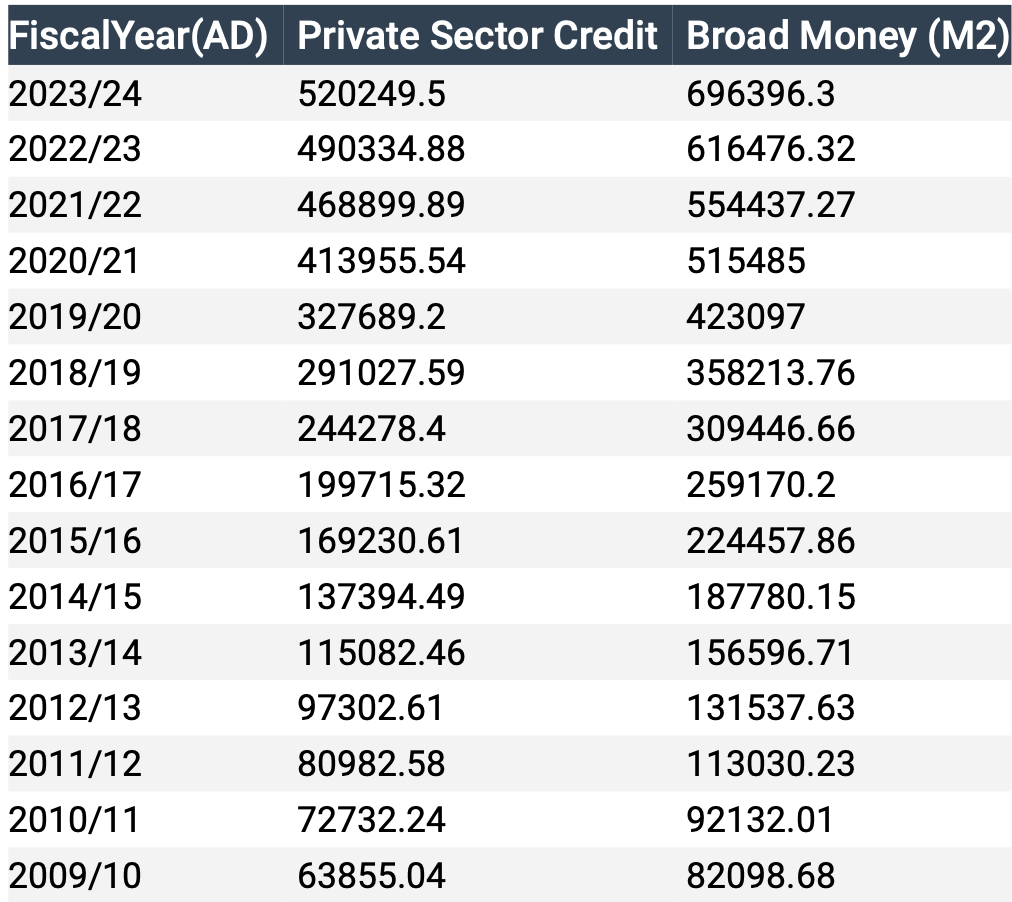
    Kathmandu, Nepal – The private sector credit growth in Nepal has slowed significantly in the fiscal year 2023/24, recording a modest increase of 5.75%, according to the latest financial data. The total private sector credit reached NPR 5.2 trillion (520,249.5 ten million), reflecting the ongoing economic slowdown and cautious lending practices by banks and financial institutions.

    This growth rate marks a continued downward trend compared to 2022/23, when credit expansion stood at 4.37%. In stark contrast, private sector credit had surged by 20.84% in 2020/21, showing a robust post-pandemic recovery. However, the declining trend over the past three years raises concerns over the liquidity situation and the investment climate in the country.

    Reasons Behind the Slowdown

    1. High Interest Rates: Nepal Rastra Bank (NRB) has tightened monetary policy to control inflation, leading to increased borrowing costs. Higher interest rates discourage businesses from taking loans for expansion.

    2. Liquidity Crisis in Banks: Financial institutions are facing liquidity shortages, limiting their ability to lend freely. The liquidity crunch has forced banks to be more selective in approving new loans.

    3. Reduced Business Confidence: Uncertainty in the stock market, real estate slowdown, and a struggling industrial sector have weakened demand for credit. Many businesses are hesitant to take on new debt amid economic instability.

    4. Declining Investments in Key Sectors: Sectors like manufacturing, trade, and infrastructure development have seen reduced credit uptake, affecting overall economic growth.

    5. Banking Sector Reforms: Stricter capital requirements, regulatory interventions, and risk-management measures have made banks more cautious in lending.

    Impact on Nepal’s Economy

    The slowdown in private sector credit growth could have significant implications for Nepal’s economic outlook.

    • Reduced Investments: Businesses rely on bank credit for expansion, infrastructure development, and working capital. A slowdown in credit availability means fewer investments and lower economic activity.

    • Job Market Challenges: Fewer loans for businesses lead to reduced hiring and slower job creation, affecting employment opportunities.

    • Lower GDP Growth: A sluggish credit market often translates into slower GDP growth, as businesses struggle to expand and consumers cut back on spending.

    Economic experts warn that unless liquidity improves and borrowing costs stabilize, the private sector may continue to face credit constraints, further slowing down economic growth.

    Historical Context: A Look Back at Nepal’s Credit Boom

    Nepal’s private sector credit has witnessed rapid expansion over the past two decades. One of the highest growth rates was recorded in 2009/10, when private sector credit grew by a staggering 57.17%. This period saw aggressive lending and expansion in various industries.

    However, after 2021/22, growth rates have declined sharply, signaling a shift in economic conditions and regulatory approaches.

    Government and NRB’s Response

    In response to the slowdown, Nepal Rastra Bank has been working on monetary policy adjustments to balance economic growth with financial stability. While controlling inflation remains a top priority, policymakers are exploring ways to ensure that businesses and industries continue to receive the financial support needed for growth.

    Potential measures that could be introduced include:

    • Lowering Interest Rates to encourage borrowing and investment.

    • Providing Liquidity Support to banks and financial institutions.

    • Introducing Credit Incentives for key industries like manufacturing, hydropower, and tourism.

    Future Outlook: What Lies Ahead?

    As Nepal enters the new fiscal year, economic analysts believe that much depends on global economic conditions, banking sector reforms, and government policies to stimulate investment.

    If liquidity challenges persist and interest rates remain high, Nepal’s private sector growth may continue to struggle in the coming years. However, if corrective measures are implemented effectively, credit expansion could regain momentum, helping businesses grow and boosting economic recovery.

    For now, businesses and financial institutions remain cautious, watching how Nepal Rastra Bank and the government navigate the current economic landscape.

    Trending News

    • Trending14 Jun, 2026

      असारमा वाणिज्य बैंकको मुद्दति ब्याजदर थप घट्यो, ७ बैंकले दर घटाए

      Read news
    • Trending14 Jun, 2026

      नेपालकै सबैभन्दा ठूलो सम्पत्ति शुद्धीकरण मुद्दा अदालत पुग्यो, एक खर्ब ६ अर्बभन्दा बढी बिगो दाबी

      Read news
    • Trending14 Jun, 2026

      अमेरिका–इरान शान्ति सम्झौता निर्णायक मोडमा, पाकिस्तानले भन्यो — '२४ घण्टामा हस्ताक्षर सम्भव'

      Read news

    Related News

  • असारमा वाणिज्य बैंकको मुद्दति ब्याजदर थप घट्यो, ७ बैंकले दर घटाए
    Investor

    1 min read

    असारमा वाणिज्य बैंकको मुद्दति ब्याजदर थप घट्यो, ७ बैंकले दर घटाए

    NEPSE TRADING

    ·

    14 Jun, 2026

  • नेपालकै सबैभन्दा ठूलो सम्पत्ति शुद्धीकरण मुद्दा अदालत पुग्यो, एक खर्ब ६ अर्बभन्दा बढी बिगो दाबी
    Investor

    4 min read

    नेपालकै सबैभन्दा ठूलो सम्पत्ति शुद्धीकरण मुद्दा अदालत पुग्यो, एक खर्ब ६ अर्बभन्दा बढी बिगो दाबी

    NEPSE TRADING

    ·

    14 Jun, 2026

  • अमेरिका–इरान शान्ति सम्झौता निर्णायक मोडमा, पाकिस्तानले भन्यो — '२४ घण्टामा हस्ताक्षर सम्भव'
    Top

    1 min read

    अमेरिका–इरान शान्ति सम्झौता निर्णायक मोडमा, पाकिस्तानले भन्यो — '२४ घण्टामा हस्ताक्षर सम्भव'

    NEPSE TRADING

    ·

    14 Jun, 2026

  • शेयर बजारमा जलविद्युत कम्पनी : अनुत्तरित प्रश्नहरूको भारले थिचिएको लगानीकर्ता
    Investor

    5 min read

    शेयर बजारमा जलविद्युत कम्पनी : अनुत्तरित प्रश्नहरूको भारले थिचिएको लगानीकर्ता

    NEPSE TRADING

    ·

    12 Jun, 2026

  • नेपालको पुँजी बजार : तीन दशकको यात्रा, अझै अधुरो सुधार
    Investor

    3 min read

    नेपालको पुँजी बजार : तीन दशकको यात्रा, अझै अधुरो सुधार

    Dipesh Ghimire

    ·

    12 Jun, 2026