NEPSEtrading

Make smarter moves backed by machine learning. Join thousands of traders leveraging AI to maximize profits.

nepsetrading.com is an online news portal that provides insights into trading and investment by analyzing the stock market and the global economy. We create charts based on the analysis of various indicators. Please do not rely solely on this information for investment decisions. Self-study is crucial. Use this information only as an educational and informational resource.

Marketminds Investment Group Private Limited

DOIB Registration certificate no.: 4680-2081/2082

Director & Editor-in-chief: Dipesh Ghimire · 9802363868, 9851119988

Koteshwor 32, Kathmandu
01-5253221 · +977 9709066745

Contact support

Subscribe to our newsletter

Weekly insights from the NEPSE market in your inbox.

Market

  • Stocks
  • Sectors

Company

  • About Us
  • Our Team
  • Terms of Use
  • Our Policy
  • Training
  • Contact Us

Help

  • Support
  • Report
  • FAQ

© 2026 nepsetrading.com. All rights reserved.
Owned and operated by Marketminds Investment Group Private Limited.

Charts powered by TradingView

  • Home
  • Latest
  • Trending
  • Stock
  • Education
  • International
    1. News
    2. Top
    3. After Four Months of Fire and Blood, Silence: US and Iran Reach Peace Deal, Signing Set fo...
    अमेरिका–इरान युद्धको अन्त्य: रगत र बारुदपछि आयो शान्तिको खबर
    Top
    4 min read
    Published on June 15, 2026
    NEPSE TRADING

    अमेरिका–इरान युद्धको अन्त्य: रगत र बारुदपछि आयो शान्तिको खबरAfter Four Months of Fire and Blood, Silence: US and Iran Reach Peace Deal, Signing Set for June 19 in Switzerland

    संसारले सास रोकेर कुरिरहेको थियो। मध्यपूर्वको आकाशमा चार महिनाभन्दा बढी समयदेखि बम र मिसाइलको धुवाँ उड्दै थियो। लाखौं मानिस विस्थापित थिए, हजारौंले ज्यान गुमाइसकेका थिए र विश्व अर्थतन्त्र तेलको अभावमा थर्किरहेको थियो। त्यही बेला आइतबार साँझ पाकिस्तानी प्रधानमन्त्री शहबाज सरिफको एउटा सन्देश आयो — अमेरिका र इरानबीच शान्ति सम्झौता भइसक्यो। सम्झौताको औपचारिक हस्ताक्षर आगामी शुक्रबार १९ जुनमा स्विट्जरल्यान्डमा हुनेछ।

    यो खबर आउनासाथ विश्वभर राहतको सास फेरियो। तेलको मूल्य ह्वात्तै घट्यो, सेयर बजारहरू उकालो लागे र कूटनीतिक च्यानलहरूमा बधाईको ओइरो लाग्यो। तर यो सम्झौतासम्म पुग्ने यात्रा सजिलो थिएन — यसमा महिनौंको वार्ता, टुटेका युद्धविराम, ज्यान गएका हजारौं नागरिक र असंख्य कूटनीतिक रातहरूको मेहनत लुकेको छ।

    यो युद्ध फेब्रुअरी २८ मा सुरु भएको थियो, जब अमेरिका र इजरायलले इरानमाथि एकसाथ समन्वित सैन्य आक्रमण थाले। त्यसयता इरान र लेबनानका सहरहरूमा आगो बर्सियो। यो संघर्षमा सात हजार पाँच सयभन्दा बढी मानिसले ज्यान गुमाए — जसमध्ये अधिकांश इरान र लेबनानका साधारण नागरिक थिए। हर्मुज जलडमरूमध्य बन्द हुँदा विश्वको तेल आपूर्ति ठप्प जस्तै भयो र ऊर्जा संकट विश्वभर फैलिन थाल्यो।

    अप्रिल ८ मा पाकिस्तानको मध्यस्थतामा दुई साताको अस्थायी युद्धविराम भएको थियो। तर त्यो धागो पातलो थियो — दुवै पक्षबाट उल्लंघनका घटनाहरू भइरहे र शान्ति टाढिँदै गएजस्तो लाग्यो। तर पर्दाका पछाडि कूटनीतिक प्रयास रोकिएन। पाकिस्तान र कतारले मध्यस्थकारीको भूमिका थालिरहे।

    पाकिस्तानको यो भूमिका संयोगी होइन। पाकिस्तान एकातिर अमेरिकाको दीर्घकालीन रणनीतिक साझेदार हो, अर्कातिर इरानको मुस्लिम छिमेकी। यही दोहोरो सम्बन्धले उसलाई दुवै पक्षको विश्वास जित्ने अवस्थामा राख्यो — र अन्ततः यही अवस्थाले शान्ति सम्झौताको बाटो खोल्यो। शहबाज सरिफले घोषणा गरे — "दुवै पक्षले लेबनानसहित सबै मोर्चामा सैन्य कारबाही तत्काल र स्थायी रूपमा बन्द गर्ने घोषणा गरेका छन्।"

    अमेरिकी राष्ट्रपति डोनाल्ड ट्रम्पले आफ्नो 'ट्रुथ सोशल'मा लेखे — इरानसँगको सम्झौता पूर्ण भएको छ। उनले हर्मुज जलडमरूमध्यमाथिको अमेरिकी नौसैनिक नाकाबन्दी तत्काल हटाउने घोषणा पनि गरे। "विश्वका जहाजहरू, इन्जिन सुरु गर! तेलको प्रवाह सुरु होस्!" — उनको यो वाक्यले बजारलाई तत्काल राहत दियो। ट्रम्पले थपे — धेरै अमेरिकी राष्ट्रपतिले इरानसँग शान्ति गर्ने प्रयास गरे, सबै असफल भए, तर यस पटक सफलता मिल्यो।

    इरानतर्फबाट उपविदेशमन्त्री काजेम गरिबाबादीले पुष्टि गरे — सम्झौता भइसकेको छ र यो शुक्रबार स्विट्जरल्यान्डमा हस्ताक्षर हुनेछ। उनका अनुसार इरानले कतारी मध्यस्थकारीहरूसँग लगातार १४ घन्टा वार्ता गरेपछि यो सहमतिमा पुगेको हो। यसअघि इरानी राज्य सञ्चारमाध्यमले सार्वजनिक गरेको १४ पृष्ठको मस्यौदामा अमेरिकाले तेल प्रतिबन्ध हटाउने र इरानले ३० दिनभित्र हर्मुज जलडमरूमध्य पुनः खोल्ने सर्त उल्लेख छ।

    युरोपबाट पनि तत्काल प्रतिक्रिया आयो। बेलायत, फ्रान्स, जर्मनी र इटालीले संयुक्त विज्ञप्तिमार्फत सम्झौताको स्वागत गर्दै इरानले आणविक कार्यक्रमसम्बन्धी उचित कदम चाल्ने हो भने प्रतिबन्ध फुकुवा गर्न तयार रहेको जनाए। यो सामूहिक स्वागतले पश्चिमी जगत् यस सम्झौताको पक्षमा एकजुट रहेको देखाउँछ।

    तर एउटा पक्ष अझै असन्तुष्ट छ — इजरायल। प्रधानमन्त्री बेञ्जामिन नेतान्याहूले स्पष्ट पारे, इजरायल यस सम्झौताको पक्ष होइन। उनले ट्रम्पसँग इरानले परमाणु हतियार कहिल्यै नपाउने विषयमा सहमति रहेको भने पनि यो सम्झौता इजरायलका लागि गहिरो निराशाको विषय बनेको छ। लेबनानमा इजरायली हमलाहरू जारी रहँदा सम्झौतामाथि नै संकट उत्पन्न भएको थियो — ट्रम्पले स्वयं बेरुतका उपनगरमा भएका इजरायली आक्रमणको निन्दा गरे।

    शान्ति सम्झौताको प्रभाव विश्व बजारमा तत्काल देखियो। ब्रेन्ट क्रुड तेलको मूल्य करिब १५.९ प्रतिशत घटेर ९२.३० डलर प्रति ब्यारेलमा झर्‍यो — एक सय डलरको मनोवैज्ञानिक सीमा पार गर्दै। विश्वका प्रमुख सेयर बजारहरूमा उत्साहको लहर आयो।

    नेपालका लागि पनि यो खबरले राहत ल्याउनेछ। हर्मुज बन्द भएपछि तेलको मूल्यमा आएको उछाल नेपालको पेट्रोलियम आयातमा सिधै थपिएको थियो। अब जलमार्ग खुल्ने भएकाले दक्षिण एसियाली मुलुकहरूमा इन्धनको मूल्य क्रमशः स्थिर हुने अपेक्षा गरिएको छ।

    १९ जुनमा स्विट्जरल्यान्डमा हुने हस्ताक्षर समारोहतर्फ अब विश्वको नजर छ। त्यहाँ इतिहासका कैयन् शान्ति सम्झौताहरूमा हस्ताक्षर भएको छ — र अब अमेरिका–इरानको नाम पनि त्यही सूचीमा थपिँदैछ। चार महिनाभन्दा बढीको रगत, बारुद र कूटनीतिक जोडघटाफटपछि शान्तिको बिहानी आएको छ। तर यो शान्ति कति दिगो हुन्छ, इजरायल–लेबनान तनावले यसलाई कत्तिको चुनौती दिन्छ — त्यो प्रश्नको जवाफ भने आउने दिनहरूले मात्र दिनेछन्।
    Washington/Tehran, June 15 — For four months, the world held its breath.

    More than 7,500 dead. Millions displaced. Oil markets in chaos. And a global economy teetering on the edge of an energy crisis it had not seen in decades.

    Then, on Sunday evening, the breath finally released.

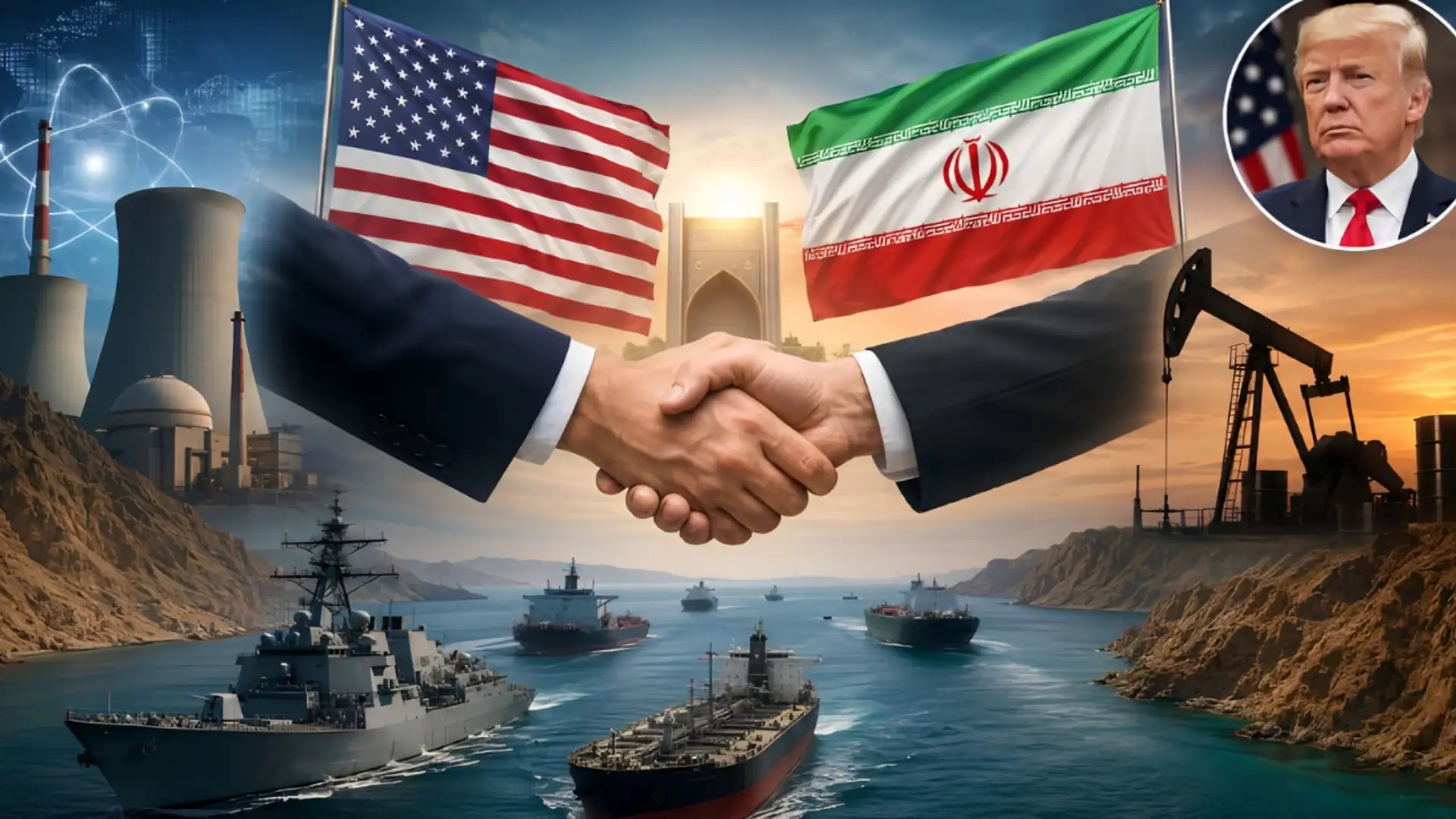
    A message arrived from Pakistani Prime Minister Shehbaz Sharif — and the world changed. The United States and Iran had reached a peace deal. Military operations halted on all fronts, including Lebanon. Immediately and permanently. The official signing ceremony is scheduled for Friday, June 19, in Switzerland.


    No one on the morning of February 28 imagined this war would last this long. The United States and Israel launched coordinated strikes against Iran in the early hours. Iran struck back. The Strait of Hormuz — the narrow waterway through which roughly one-fifth of the world's oil flows — was shut. And with it, the arteries of the global economy began to constrict.

    Tehran's streets burned. Beirut's buildings crumbled. Oil crossed one hundred dollars a barrel. Energy shortages rippled across Asia. In Nepal, fuel prices climbed week after week as the consequences of a distant war arrived at neighborhood petrol stations.

    In April, Pakistan brokered a fragile two-week ceasefire. But it was thin — both sides violated it repeatedly. Months of hope and disappointment followed. Diplomats worked through nights while soldiers kept fighting through days.


    That this deal happened at all is a testament to Pakistan's patience and Qatar's quiet persistence.

    Pakistan occupies a rare position — a long-standing strategic partner of the United States, and a Muslim neighbor of Iran. That dual identity gave Islamabad access to both sides when almost no one else did. Qatar, which has served as a diplomatic back channel in crisis after crisis across the region, ran parallel tracks.

    According to Iranian Deputy Foreign Minister Kazem Gharibabadi, the final agreement came after fourteen consecutive hours of talks with Qatari mediators. A fourteen-page draft memorandum, published earlier by Iranian state media, laid out the core terms — the United States lifts oil sanctions, and Iran reopens the Strait of Hormuz within thirty days.


    President Donald Trump announced the deal on his Truth Social platform in characteristically blunt terms.

    "The Deal with the Islamic Republic of Iran is now complete. Congratulations to all!"

    He followed with the announcement that the American naval blockade of the Strait of Hormuz would be lifted immediately.

    "Ships of the World, start your engines. Let the oil flow!"

    Trump added what has become a familiar refrain — that many presidents had tried to make peace with Iran and failed, and that he had succeeded where they could not.

    Britain, France, Germany, and Italy issued a joint statement welcoming the agreement. They signaled readiness to ease sanctions on Iran, contingent on Tehran following through on commitments related to its nuclear program. The collective response from Europe suggests that, whatever the deal's fragility, the West is broadly aligned behind it.


    But one party remains loudly unhappy — Israel.

    Prime Minister Benjamin Netanyahu made clear that Israel is not a party to this agreement. He and Trump are in full alignment, Netanyahu said, on the principle that Iran must never be permitted to acquire a nuclear weapon. But the deal as it stands is widely described in Israeli government circles as a deep disappointment — one that loosens military pressure on Tehran without resolving the security concerns that drove Israel to strike in the first place.

    Israeli strikes continued in Lebanon even as the deal was being announced. At one point, they threatened to unravel the entire agreement before the ink was dry. Trump himself condemned the strikes on Beirut's southern suburbs — saying they should never have happened. It was a rare and pointed public rebuke of America's closest Middle Eastern ally.


    Markets responded within minutes of the announcement. Brent crude fell nearly sixteen percent, dropping below ninety-two dollars a barrel — retreating sharply from the hundred-dollar threshold it had held through much of the conflict. Stock markets in Europe and Asia opened higher. Investors, who had priced in months of geopolitical risk, began pricing it out again.

    For countries far from the battlefield, the consequences were nonetheless real. Nepal, which imports virtually all of its petroleum, saw fuel prices rise steadily as the Strait of Hormuz closure drove up global costs. With the waterway set to reopen, analysts expect gradual price relief across South Asia in the weeks ahead.


    June 19. Switzerland.

    On that day, representatives of the United States and Iran will pick up pens and write their names into history — in a country that has hosted more peace agreements than perhaps any other on earth.

    Whether this one holds is the question no one can yet answer. The Israel–Lebanon front remains active. Iran's nuclear ambitions have not been dismantled, only negotiated around. The wounds of the Middle East are old and deep and not easily closed by a single document, however carefully worded.

    And yet.

    For four months, bombs fell and people died and the world watched with a particular kind of dread — the dread of a conflict that could still grow larger, still pull in more countries, still become something far worse than it already was.

    Today, at least, the bombs have stopped.

    And the world exhaled.

    Trending News

    • Trending15 Jun, 2026

      सुशासनको दाबी, भित्र छ संकट: राष्ट्र बैंकको प्रतिवेदनले खोल्यो बैंकिङ क्षेत्रको वास्तविक अनुहार

      Read news
    • Trending15 Jun, 2026

      मौद्रिक नीतिमा पुँजीबजारको आवाज: राष्ट्र बैंकसमक्ष ११ सुझाव, लगानीकर्ताको नजर नीतिको पर्खाइमा

      Read news
    • Trending15 Jun, 2026

      अमेरिका–इरान युद्धको अन्त्य: रगत र बारुदपछि आयो शान्तिको खबर

      Read news

    Related News

  • सुशासनको दाबी, भित्र छ संकट: राष्ट्र बैंकको प्रतिवेदनले खोल्यो बैंकिङ क्षेत्रको वास्तविक अनुहार
    Investor

    5 min read

    सुशासनको दाबी, भित्र छ संकट: राष्ट्र बैंकको प्रतिवेदनले खोल्यो बैंकिङ क्षेत्रको वास्तविक अनुहार

    NEPSE TRADING

    ·

    15 Jun, 2026

  • मौद्रिक नीतिमा पुँजीबजारको आवाज: राष्ट्र बैंकसमक्ष ११ सुझाव, लगानीकर्ताको नजर नीतिको पर्खाइमा
    Investor

    5 min read

    मौद्रिक नीतिमा पुँजीबजारको आवाज: राष्ट्र बैंकसमक्ष ११ सुझाव, लगानीकर्ताको नजर नीतिको पर्खाइमा

    NEPSE TRADING

    ·

    15 Jun, 2026

  • असारमा वाणिज्य बैंकको मुद्दति ब्याजदर थप घट्यो, ७ बैंकले दर घटाए
    Investor

    1 min read

    असारमा वाणिज्य बैंकको मुद्दति ब्याजदर थप घट्यो, ७ बैंकले दर घटाए

    NEPSE TRADING

    ·

    14 Jun, 2026

  • नेपालकै सबैभन्दा ठूलो सम्पत्ति शुद्धीकरण मुद्दा अदालत पुग्यो, एक खर्ब ६ अर्बभन्दा बढी बिगो दाबी
    Investor

    4 min read

    नेपालकै सबैभन्दा ठूलो सम्पत्ति शुद्धीकरण मुद्दा अदालत पुग्यो, एक खर्ब ६ अर्बभन्दा बढी बिगो दाबी

    NEPSE TRADING

    ·

    14 Jun, 2026