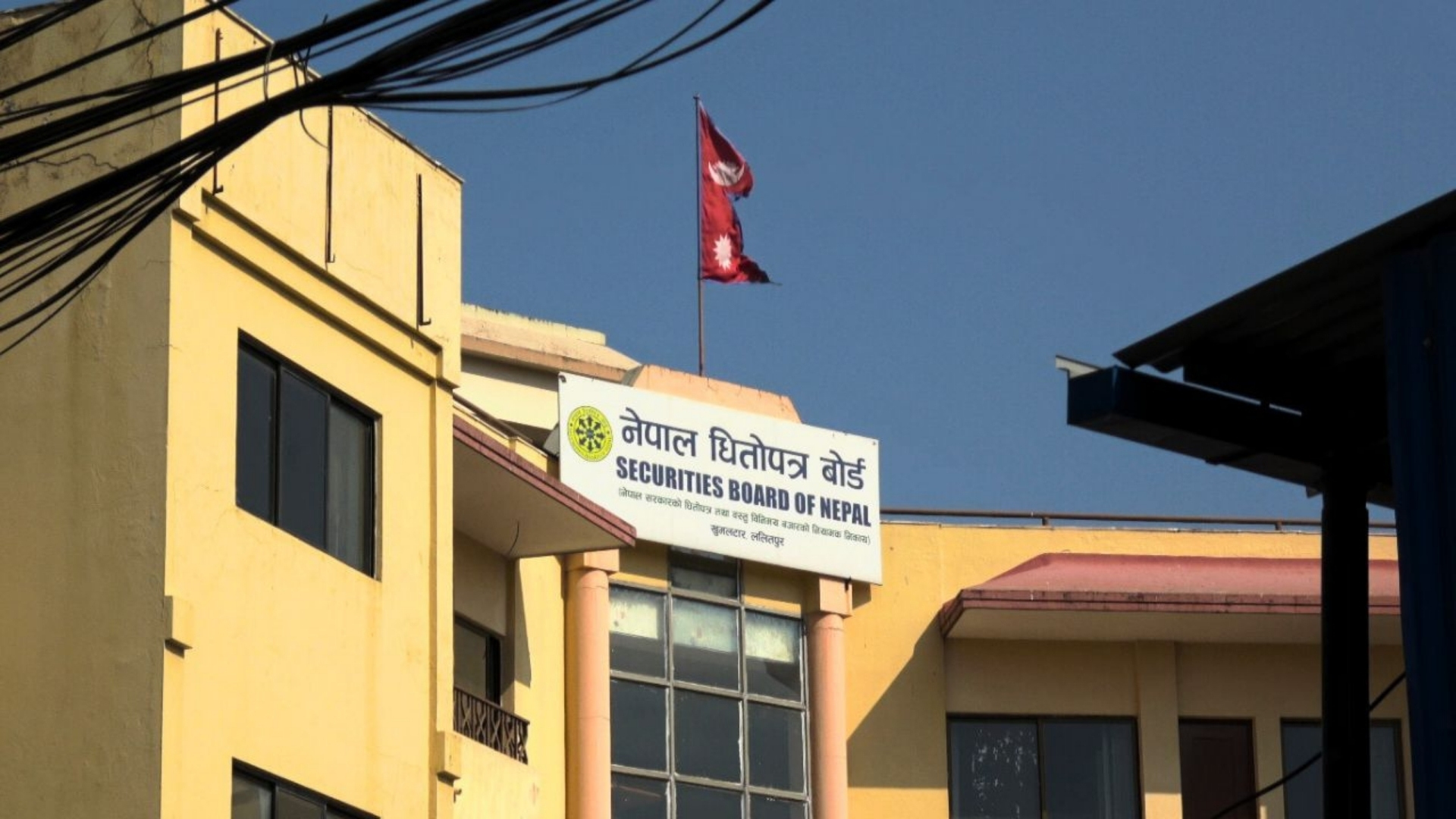
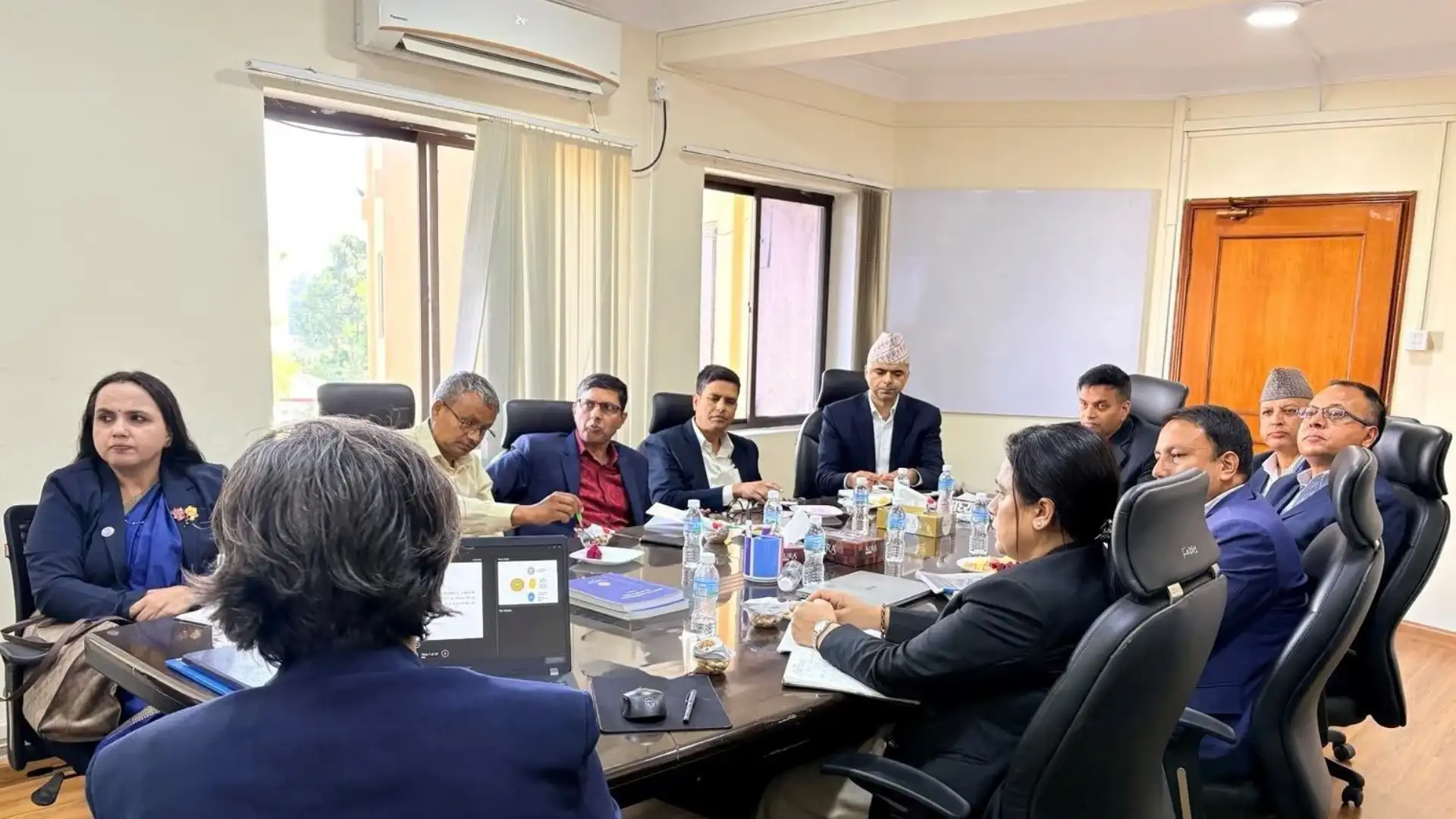
काठमाडौं — नेपाल धितोपत्र बोर्ड (सेबोन) का अध्यक्ष डा. गोपाल भट्टले पुँजी बजारलाई अब सेयरको दोस्रो बजारमा हुने सामान्य खरिदबिक्रीमा मात्रै सीमित नराखिने बताएका छन्। बैंकिङ समाचारद्वारा काठमाडौंमा आयोजित ‘नेपाल क्यापिटल मार्केट डिस्कोर्श २०२६’ कार्यक्रमलाई सम्बोधन गर्दै उनले अर्थतन्त्रका विविध क्षेत्रमा पुँजी परिचालन गर्ने गरी बजारको आधुनिकीकरण र विस्तार गर्न लागिएको जानकारी दिए। आगामी एक वर्षभित्रै पुँजी बजारको संरचनात्मक तथा कार्यप्रणालीमा ऐतिहासिक सुधार र नयाँ अभ्यासहरू देखिने उनको दाबी छ।
अध्यक्ष भट्टले उद्योग र व्यवसायहरूलाई पुँजी जुटाउन बैंक तथा वित्तीय संस्थामै भर पर्नुपर्ने वर्तमान बाध्यताको अन्त्य गर्नुपर्नेमा जोड दिए। यसका लागि ऋणपत्र (बन्ड) बजारको विस्तार अपरिहार्य रहेको उनको भनाइ छ। साथै, साना तथा मझौला उद्योग (एसएमई) र नयाँ स्टार्टअपहरूलाई समेत बजारबाटै पुँजी संकलन गर्न सहज होस् भनेर सुरुमा छुट्टै प्लेटफर्मको व्यवस्था गरिने र कम्पनीको आकार बढेपछि मात्र मुख्य बोर्डमा प्रवेश गराइने योजना रहेको उनले खुलाए।
प्राथमिक बजारमा धितोपत्रको वास्तविक मूल्य निर्धारण (प्राइस डिस्कभरी) अझै प्रभावकारी हुन नसकेको औंल्याउँदै उनले यसका लागि योग्य संस्थागत लगानीकर्ताको सहभागिता बढाउने तयारी भइरहेको जानकारी दिए। प्राथमिक बजारबाट पुँजी संकलन गर्ने र दोस्रो बजारले त्यसमा तरलता प्रदान गर्ने गरी यी दुवैलाई एकअर्काको परिपूरकका रूपमा विकास गरिने भट्टले बताए। यसैगरी, समयसापेक्ष पुँजी बजारको विकास गर्न सरकारसँगको सहकार्यमा धितोपत्र ऐन संशोधन तथा नयाँ कानुनी संरचना निर्माणको कामसमेत अघि बढेको उनले जानकारी दिए।
सोही कार्यक्रममा नेपाल उद्योग परिसंघका अध्यक्ष वीरेन्द्रराज पाण्डेले पुँजी बजारलाई नेप्से सूचकको अंकको उतारचढावबाट मात्रै मूल्यांकन गर्न नहुने भन्दै यसलाई समग्र आर्थिक रूपान्तरणको मेरुदण्ड मान्नुपर्ने बताए। नेपाल चेम्बर अफ कमर्सका अध्यक्ष कमलेश अग्रवालले बजारलाई खुल्ला छाडेर व्यावहारिक नियमन गर्नुपर्नेमा जोड दिए। त्यसैगरी, भारतीय धितोपत्र बोर्ड (सेबी) का कार्यकारी निर्देशक जी. राम मोहन रावले नेपालको पुँजी बजार अब नयाँ चरण अर्थात् '२.०' मा प्रवेश गर्न लागेको भन्दै विदेशी लगानी र गैरआवासीय नेपालीलाई भित्र्याउन १० वर्षे रणनीतिक योजना आवश्यक रहेको औंल्याएका थिए।
Kathmandu — Chairman of the Securities Board of Nepal (SEBON), Dr. Gopal Bhatta, has stated that Nepal's capital market will no longer be confined merely to the basic buying and selling of shares in the secondary market. Speaking at the 'Nepal Capital Market Discourse 2026' organized by Banking Samachar in Kathmandu, Bhatta highlighted ongoing efforts to modernize and expand the market to mobilize capital across diverse economic sectors. He claimed that historic structural and operational reforms, along with new market practices, will become evident within the next year.
Chairman Bhatta emphasized the need to break the current reliance of industries and businesses on banks and financial institutions for capital raising, stating that expanding the bond market is essential to achieve this. He also revealed plans to introduce a dedicated platform for Small and Medium Enterprises (SMEs) and startups to help them raise capital directly from the market, with a provision allowing them to transition to the main board as their scale and operations grow.
Pointing out that price discovery in the primary market remains underdeveloped, the SEBON chief shared that preparations are underway to boost the participation of qualified institutional investors. He noted that the primary and secondary markets will be developed as complementary systems—where the primary market facilitates capital raising and the secondary market provides liquidity. Additionally, he informed that amendments to the Securities Act and a new legal framework are being drafted in collaboration with the government to support market evolution.
During the event, Confederation of Nepalese Industries (CNI) President Birendra Raj Pandey remarked that the capital market should not be judged solely by NEPSE index fluctuations, but recognized as a vital pillar of overall economic transformation. Nepal Chamber of Commerce President Kamlesh Agrawal stressed the importance of practical regulation while keeping the market open. Meanwhile, Securities and Exchange Board of India (SEBI) Executive Director G. Ram Mohan Rao noted that Nepal's capital market is entering a new phase, 'Capital Market 2.0', and called for a 10-year strategic plan to attract foreign investors and Non-Resident Nepalis (NRNs).