NEPSEtrading

Make smarter moves backed by machine learning. Join thousands of traders leveraging AI to maximize profits.

nepsetrading.com is an online news portal that provides insights into trading and investment by analyzing the stock market and the global economy. We create charts based on the analysis of various indicators. Please do not rely solely on this information for investment decisions. Self-study is crucial. Use this information only as an educational and informational resource.

Marketminds Investment Group Private Limited

DOIB Registration certificate no.: 4680-2081/2082

Director & Editor-in-chief: Dipesh Ghimire · 9802363868, 9851119988

Koteshwor 32, Kathmandu
01-5253221 · +977 9709066745

Contact support

Subscribe to our newsletter

Weekly insights from the NEPSE market in your inbox.

Market

  • Stocks
  • Sectors

Company

  • About Us
  • Our Team
  • Terms of Use
  • Our Policy
  • Training
  • Contact Us

Help

  • Support
  • Report
  • FAQ

© 2026 nepsetrading.com. All rights reserved.
Owned and operated by Marketminds Investment Group Private Limited.

Charts powered by TradingView

  • Home
  • Latest
  • Trending
  • Stock
  • Education
  • International
    1. News
    2. Top
    3. Challenges in Development Efforts, Social Justice and Prosperity
    विकास प्रयासमा देखिएका चुनौतीहरू, सामाजिक न्याय र समृद्धि
    Top
    5 min read
    Updated on July 11, 2024
    NEPSE trading

    विकास प्रयासमा देखिएका चुनौतीहरू, सामाजिक न्याय र समृद्धि Challenges in Development Efforts, Social Justice and Prosperity

    आर्थिक वर्ष ८०÷८१ को प्रस्तावित बजेट १७५१ अर्ब भए तापनि संशोधन गरी यस वर्ष १५३० अर्बमा घटाइएको छ । यसै सन्दर्भमा, आर्थिक वर्ष ८१÷८२ मा १८६० अर्बको प्रस्तावित बजेट संसदबाट पास भए तापनि कार्यान्वयनमा चुनौती देखिन्छ । जसमा वैदेशिक अनुदान ८०÷८१ मा ५० अर्ब प्रस्तावित भए तापनि यस वर्ष जेष्ठसम्म ३ अर्ब मात्र प्राप्त हुनु दुःखको कुरा हो ।

    हामीले विदेशसँग आर्जन गर्न नसकेको विश्वसनीयता र अरू स्रोतहरू समेत अनुमान गरिएको तुलनामा उठ्न नसक्नु आफैँमा गम्भीर विषय हो । मुलुकको राजस्व आशातीत परिचालित हुन नसक्नु, पुँजीगत खर्च गर्न नसक्नु, स्वदेश र विदेशबाट ऋण प्रस्तावित कार्यान्वयन हुन नसक्नु तथा साँवा र ब्याज राष्ट्रले तिर्ने ऋणको भार बढ्दै जानु यो परिस्थितिमा अबको समृद्धिको यात्रामा चुनौतीका विषय हुन् । आज हामी मुलुकको अर्थतन्त्र र विकासका विषयमा चर्चा गर्नेछौँ । नेपालको विद्यमान संविधानमा उल्लेखित समाजवाद उन्मुख राज्यव्यवस्था मूलतः लोककल्याणकारी चरित्रको उदार, खुला र प्रतिस्पर्धी  हो । तर, संविधानमा जे व्यावस्था भए पनि कार्यान्वयमा समस्या भने देखिन्छ । यसै विषयमा हामिले विकास प्रयासमा देखिएका चुनौतीहरूको विश्लेषण गरेका छौ ।।

    गरिबी र असमानता

    गरिबी र असमानता नेपालको विकासको प्रमुख बाधक हुन्। ग्रामीण क्षेत्रका जनताले पर्याप्त सुविधा र अवसरहरू प्राप्त गर्न नसकिरहेको अवस्थामा, शहरी क्षेत्रका जनताहरूले तुलनात्मक रूपमा बढी सुविधा र अवसरहरू पाउँदैछन् । आर्थिक असमानताले सामाजिक असन्तुलन पैदा गरिरहेको छ । उदाहरणका लागि, ग्रामीण क्षेत्रमा आधारभूत स्वास्थ्य र शिक्षाको पहुँच सीमित छ, जसले गर्दा गरिबीको चक्रलाई तोड्न कठिनाइ भएको छ ।

    शिक्षा र स्वास्थ्य

    शिक्षा र स्वास्थ्य सेवाहरूको अभाव विकासको लागि अर्को ठूलो बाधा हो। ग्रामीण क्षेत्रका विद्यालयहरूमा आधारभूत सुविधाहरूको कमी छ। शिक्षण स्तर सुधार गर्न र गुणस्तरीय शिक्षा प्रवर्द्धन गर्न सरकारले पर्याप्त स्रोत उपलब्ध गराउनुपर्छ। स्वास्थ्य सेवाहरूमा पहुँच सीमित छ, जसले गर्दा ग्रामीण क्षेत्रका जनताहरूलाई स्वास्थ्य सेवाको पहुँचमा समस्या भएको छ ।

    रोजगारी र व्यवसाय

    रोजगारी र व्यवसायको कमीले पनि नेपाललाई आर्थिक रुपमा पछि पारेको छ । युवा वर्ग बेरोजगार छ, जसले गर्दा उनीहरूको क्षमताको सही प्रयोग हुन सकेको छैन । व्यवसायिक वातावरण सुधार गर्न र स्वरोजगार प्रवर्द्धन गर्न ध्यान दिनु आवश्यक छ। बेरोजगारीले गर्दा युवा विदेशिन बाध्य छन् । यसले देशमा ‘ब्रेन ड्रेन’को समस्या उत्पन्न गरेको छ । देशको विकासका लागि युवा शक्तिलाई सही ढंगले प्रयोग गर्न सरकारले रोजगारीका अवसरहरू सिर्जना गर्नुपर्छ ।

    पूर्वाधार विकास

    पूर्वाधार विकासमा पनि धेरै काम गर्न बाँकी छ । यातायात, संचार, विद्युत् आदि क्षेत्रहरूमा लगानीको आवश्यकता छ। ग्रामीण क्षेत्रका लागि विशेष पूर्वाधार विकास कार्यक्रमहरू आवश्यक छन्, जसले गर्दा गाउँगाउँमा पनि विकासको पहुँच पुग्न सकोस्। नेपालको भौगोलिक विविधता र कठिनाइका कारण पूर्वाधार विकास चुनौतीपूर्ण छ । ग्रामीण क्षेत्रहरूमा यातायात र संचारको पहुँच सीमित छ । यसलाई सुधार गर्न सरकार र निजी क्षेत्रले मिलेर काम गर्नुपर्दछ ।


    सुशासन र पारदर्शिता

    सुशासन र पारदर्शिता विकासको महत्वपूर्ण आधार हो। भ्रष्टाचारले विकास प्रयासहरूमा अवरोध पु¥याइरहेको छ । प्रशासनिक प्रक्रियाहरूलाई सरल र पारदर्शी बनाउन आवश्यक छ, जसले गर्दा जनताले सरकारप्रति विश्वास कायम गर्न सकून् । नेपालमा भ्रष्टाचार व्यापक रूपमा फैलिएको छ। यसले विकास प्रयासहरूमा गम्भीर अवरोध पु¥याइरहेको छ। प्रशासनिक सुधार र भ्रष्टाचार नियन्त्रणका लागि कडा कदम चाल्नुपर्दछ । पारदर्शिता र जवाफदेहिता बढाउन सरकार र गैरसरकारी संस्थाहरूले मिलेर काम गर्नुपर्छ ।

    वातावरण संरक्षण

    वातावरण संरक्षण विकाससँगै अघि बढ्नुपर्ने महत्वपूर्ण विषय हो । वातावरणीय सन्तुलन कायम राख्न र प्राकृतिक स्रोतहरूको दिगो उपयोग सुनिश्चित गर्न आवश्यक छ । जलवायु परिवर्तनको प्रभावलाई मध्यनजर राख्दै विकास रणनीतिहरू तयार गर्नुपर्छ, जसले गर्दा भविष्यका पिँढीहरूलाई स्वस्थ र सुरक्षित वातावरण मिलोस्। नेपाल प्राकृतिक स्रोतहरूले धनी देश हो। यिनको सही संरक्षण र व्यवस्थापन नगर्ने हो भने वातावरणीय संकट उत्पन्न हुन सक्छ। जलवायु परिवर्तनका चुनौतीहरूलाई सामना गर्न र वातावरणीय सन्तुलन कायम राख्न सरकार, निजी क्षेत्र र नागरिक समाजले संयुक्त प्रयास गर्नुपर्छ ।

    सामाजिक न्याय

    सामाजिक न्यायको सुनिश्चितता विकासको आधार हो। सबै वर्ग र समुदायलाई समान अवसर र सुविधाको पहुँच सुनिश्चित गर्नुपर्छ। लैङ्गिक समानता, जातीय समानता, र सामाजिक समावेशीकरणमा ध्यान दिनुपर्छ, जसले गर्दा समाजको हरेक तप्काले विकासको लाभ प्राप्त गर्न सकोस्। नेपाल बहुजातीय, बहुभाषिक र बहुसांस्कृतिक देश हो। यहाँ विभिन्न जाति, भाषा र संस्कृतिका मानिसहरू बसोबास गर्छन्। यिनको अधिकार र अवसरको समान सुनिश्चितता बिना विकास सम्भव छैन। लैङ्गिक समानता र सामाजिक समावेशीकरणमा विशेष ध्यान दिनुपर्छ ।

    दलाल पूँजीवादको विकास

    १९८० को शुरुदेखिनै नेपालले आर्थिक क्षेत्रमा उच्च व्यापार तथा शोधनान्तर घाटा, वढ्दो बजेट घाटा, मुद्रास्फिति, तथा घट्दो विदेशी मुद्रा संचिति जस्ता समस्याको सामना गर्नुपर्यो। सन १९८५ मा नेपालमा पनि आर्थिक सुधारका नाममा राज्यको भूमिका घटाउने र खुला बजार अर्थतन्त्र अपनाउने अवस्था आयो। व्यापार, वित्तीय र विनिमय प्रणालीको उदारीकरण यसैवेला देखि शुरु भयो। प्रजातन्त्रको उदयसंगै सत्तामा आएको नेपाली कांग्रेस सरकारले उदारीकरण, निजीकरण र वैश्वीकरणलाई अघि वढायो। ती नीतिको परिणमस्वरुप अहिले राष्ट्रिय उद्योग धन्दाको विनास, वेरोजगारी, अर्थतन्त्रमा राज्यको भूमिका गौण हुने र राष्ट्रिय पूँजी निर्माणको स्थानमा दलाल पूँजीवादको विकास हुने अवस्थामा देश पुग्यो ।

    नेपालको समाजवाद निर्माणमा पर्ने असर

    अहिले नेपाल एकातिर प्रतिस्पर्धी राजनीति, खुला समाज, खुला व्यापार, निजी क्षेत्रको वाहुल्य भएको अर्थतन्त्र, वाह्य सहायतामा आधारित सार्वजनिक वित्त स्थिति, उच्च लगानीका लागि वाह्य पूँजीमाथिको निर्भरता तथा अर्थतन्त्रमा सार्वजनिक क्षेत्रको कमजोर अवस्थितिका विचमा छ भने अर्कातिर उच्च आर्थिक वृद्धि, सामाजिक न्यायसहितको विकास, सार्वत्रिक सामाजिक सुरक्षा र समृद्धिको वाटोवाट छिटो भन्दा छिटो समाजवाद तर्फ संक्रमण गर्नुपर्ने आकंक्षामा पनि छ। मुलुकी संहिता कार्यान्वयन, संविधानमा उल्लेखित मौलिक हकको पूर्ण कार्यान्वयन, प्रतिस्पर्धी र समाजप्रति जिम्मेवार निजी क्षेत्रको विकास, शिक्षा, स्वास्थ लगायतका आधारभूत सामाजिक सेवामा राज्यको दरिलो उपस्थिति, आर्थिक पूर्वाधारको विकास, सामाजिक संरक्षण र सुरक्षामा राज्यको उत्तरदायी भूमिका, उत्पादनका साधनमा वहुसंख्यक जनताको पहुंच, राष्ट्रिय उद्योगको विकास र न्यायपूर्ण उत्पादन सम्वन्धवाट समाजवादतर्फ अघि वढ्रनु आजको मार्गचित्र हो ।

    वन

    नेपालको मूख्य सुधार गर्नु पर्ने क्षेत्र वन पनि हो। वनको सदुपयोग अझै विस्तारीत रुपमा हुन सकेको छैन। वन पैदावरलाई उपयोग गर्ने नीति आवस्यक देखिन्छ । काठजन्य समाग्री आयतबाट अर्थतन्त्रमा गम्भिर असर परेको छ । आयात रोक्ने एउटा उपाय भनेको वन पैदावरको सहि उपयोग पनि हो ।

    शिक्षा

    विद्यार्थीको सिकाइको स्तर सुधार्न नसक्नु नेपालको शिक्षा प्रणालीको सबभन्दा पेचिलो विषय बनेको छ । अर्थतन्त्रसँग जोड्न नसक्नु पनि यसको गम्भिर समस्या हो । जसले विद्यालयदेखि विश्वविद्यालय तहसम्म सार्वजनिक शिक्षामा सरकारले गरेको लगानीबाट न्यून प्रतिफल प्राप्त भएको छ । शिक्षाको गुणस्तरमा देखिएका यी यावत् समस्याका कारण शिक्षाले नेपालको आर्थिक वृद्धिमा अपेक्षाकृत योगदान दिन सकेको देखिँदैन । यस विषयमा पर्याप्त अध्ययन अनुसन्धान र गरमागरम सार्वजनिक बहस निर्माण हुन नसक्नु नेपालका लागि अर्को विडम्बना हो ।

    समृद्धिका लागि ठोस कदम

    यी सबै मुद्दाहरूलाई मध्यनजर राख्दै नेपालले आफ्नो विकास प्रयासहरूलाई अघि बढाउनुपर्छ । सामाजिक न्याय र समृद्धिको लागि ठोस कदमहरू चाल्न आवश्यक छ, जसले गर्दा सबै नेपालीहरूले विकासको लाभ प्राप्त गर्न सकून् । विकास प्रयासहरूमा सबैको सक्रिय सहभागिता र सहयोगले मात्र देशलाई समृद्धिको यात्रामा अघि बढाउन सकिन्छ ।

    समग्र नेपालको हाल चलीरहेको आर्थिक मोडलमा पुनरावलोकन गरी वैदेशिक व्यापारबाट सामान आयात गर्ने, भ्याटबाट राजश्व संकलन गर्ने, रेमिट्यान्सको पैसा विदेश पठाई राजश्व उठ्दा रमाउने सोचलाई परिवर्तन गरी नेपालको विशिष्टमा आधारित हरित अर्थतन्त्र, पानी, वन, कृषी, जडीबुटी, वन्यजन्तु र पर्यावरणीय पर्यटनलाई सम्वर्धन प्रवर्धन गर्ने सकिने र छरिएको पूँजी एकिकृत भई राष्ट्रिय पूँजी निर्माण हुँदै स्वाभिमानी अर्थतन्त्रको निर्माण र आफ्नै मौलिकतामा आधारित समाजवाद उन्मुख बाटोमा अर्थतन्त्रलाई लैजान सकिन्छ ।

    नेपाललाई सामाजिक न्याय र समृद्धिको मार्गमा अगाडि बढाउन यी चुनौतीहरूलाई समाधान गर्दै, सरकार र सरोकारवाला निकायहरूले ठोस कदम चाल्नु आवश्यक छ । समृद्ध नेपालको सपना साकार पार्न सबै क्षेत्रबाट एकजुट प्रयास आवश्यक छ। देशको समग्र विकासको लागि शिक्षा, स्वास्थ्य, रोजगारी, पूर्वाधार, सुशासन, वातावरण संरक्षण र सामाजिक न्यायमा विशेष ध्यान दिनुपर्छ। यसरी मात्र हामीले समृद्ध नेपाल र सुखी नेपालीको लक्ष्य प्राप्त गर्न सक्छौं ।

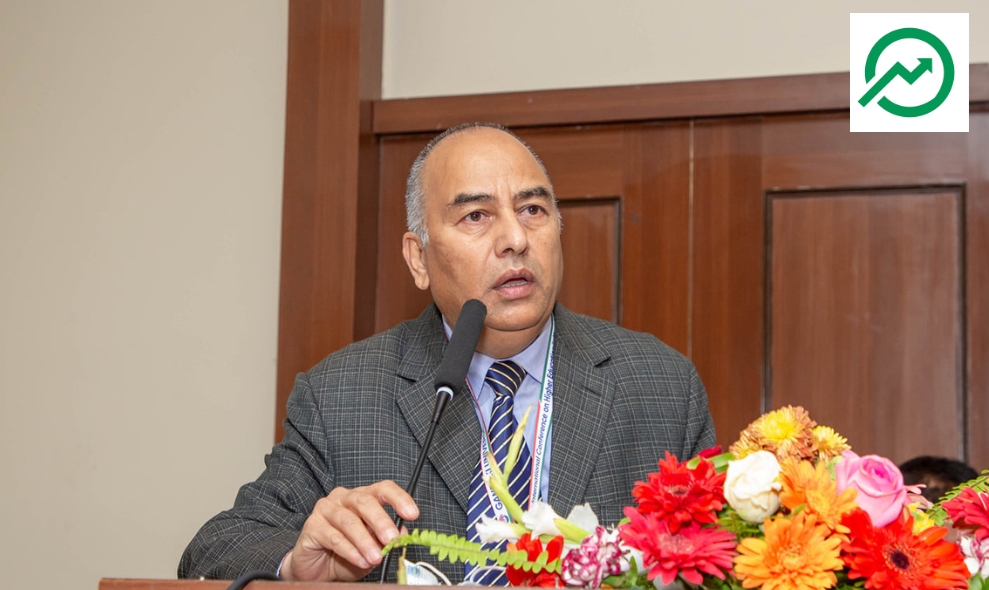
    डा. दिनेशचन्द्र देवकोटा, प्रदेशसभा सदस्य तथा राष्ट्रिय योजना आयोगका पूर्व उपाध्यक्ष
     

    The proposed budget for the fiscal year 80/81 was NPR 1751 billion, but it was revised down to NPR 1530 billion. Similarly, the proposed budget for the fiscal year 81/82 of NPR 1860 billion was passed by the parliament but faces implementation challenges. It is concerning that, despite a proposed foreign grant of NPR 50 billion for the fiscal year 80/81, only NPR 3 billion was received by the end of Jestha.

    We have failed to gain credibility abroad and have not been able to raise other projected resources. This issue is serious. The inability to mobilize expected revenue, to spend capital expenditure, to implement proposed domestic and foreign loans, and the increasing burden of debt repayment are challenges to our journey towards prosperity. Today, we will discuss the country's economy and development issues. The socialist-oriented governance system mentioned in Nepal's existing constitution is fundamentally liberal, open, and competitive in character. However, there are implementation problems despite the provisions in the constitution. We have analyzed the challenges seen in development efforts.

    Poverty and Inequality

    Poverty and inequality are major obstacles to Nepal's development. While people in rural areas lack adequate facilities and opportunities, urban residents enjoy more benefits. Economic inequality creates social imbalance. For example, access to basic health and education is limited in rural areas, making it difficult to break the cycle of poverty.

    Education and Health

    Lack of education and health services is another major obstacle to development. Rural schools lack basic facilities. The government must provide sufficient resources to improve the quality of education. Access to health services is limited, causing problems for rural residents.

    Employment and Business

    The lack of employment and business opportunities has held Nepal back economically. The youth are unemployed, and their potential is not being utilized. It is necessary to improve the business environment and promote self-employment. Unemployment forces the youth to migrate abroad, leading to a brain drain. The government must create job opportunities to utilize the youth for the country's development.

    Infrastructure Development

    There is still much work to be done in infrastructure development. Investments are needed in transportation, communication, and electricity. Special infrastructure development programs are required for rural areas to ensure development reaches every village. Due to Nepal's geographical diversity and challenges, infrastructure development is tough. Access to transportation and communication is limited in rural areas. The government and private sectors must work together to improve this.

    Good Governance and Transparency

    Good governance and transparency are crucial for development. Corruption hinders development efforts. Administrative processes need to be simplified and made transparent to build public trust in the government. Corruption is widespread in Nepal, obstructing development. Strict measures must be taken to control corruption and ensure administrative reforms. Government and non-governmental organizations should work together to enhance transparency and accountability.

    Environmental Protection

    Environmental protection is a significant issue that must advance with development. It is necessary to maintain environmental balance and ensure the sustainable use of natural resources. Development strategies should consider the effects of climate change to provide a healthy and safe environment for future generations. Nepal is rich in natural resources. Failure to protect and manage these resources can lead to environmental crises. Joint efforts by the government, private sector, and civil society are needed to face climate change challenges and maintain environmental balance.

    Social Justice

    Ensuring social justice is the foundation of development. Equal access to opportunities and facilities must be guaranteed for all classes and communities. Attention should be given to gender equality, ethnic equality, and social inclusion, ensuring every segment of society benefits from development. Nepal is a multi-ethnic, multi-lingual, and multi-cultural country. Without ensuring the rights and opportunities of all, development is not possible. Special attention must be given to gender equality and social inclusion.

    Development of Crony Capitalism

    Since the early 1980s, Nepal has faced high trade and balance of payments deficits, increasing budget deficits, inflation, and decreasing foreign currency reserves. Economic reforms in 1985 aimed to reduce the state's role and adopt a market economy. Trade, financial, and exchange system liberalization began during this period. The democratic government's policies led to the destruction of national industries, unemployment, a diminished role of the state in the economy, and the rise of crony capitalism.

    Impact on Nepal's Path to Socialism

    Nepal's current situation is characterized by competitive politics, an open society, an economy dominated by the private sector, public finances reliant on external assistance, dependence on foreign investment for high investment, and a weak public sector in the economy. At the same time, there is a desire for rapid transition to socialism with high economic growth, social justice, universal social security, and prosperity. The implementation of the civil code, full implementation of constitutional rights, development of a responsible private sector, robust state presence in basic social services, development of economic infrastructure, responsible state role in social protection, access to production means for the majority, national industrial development, and equitable production relations form the roadmap to socialism.

    Forestry

    One key area for reform is forestry. Proper utilization of forest resources has not yet been achieved. There is a need for policies to utilize forest products. The economy is significantly impacted by the import of timber products. One way to stop imports is to utilize forest products effectively.

    Education

    The inability to improve students' learning levels is the most critical issue in Nepal's education system. The failure to link education with the economy is another serious problem, resulting in minimal returns on government investments from schools to universities. Due to these quality issues, education has not contributed significantly to Nepal's economic growth. There has been insufficient research and public debate on these issues, which is another unfortunate aspect for Nepal.

    Concrete Steps for Prosperity

    Considering all these issues, Nepal must advance its development efforts. Concrete steps are necessary for social justice and prosperity, ensuring all Nepalese benefit from development. Active participation and cooperation from all sectors can advance the country towards prosperity. By reviewing the current economic model and shifting focus from relying on imports, VAT collection, and remittance-based revenue to promoting green economy based on Nepal's unique characteristics, such as water, forests, agriculture, herbs, wildlife, and environmental tourism, we can build a self-sustaining economy. Consolidating scattered capital into national capital and constructing an economy based on our distinctiveness can guide us towards a socialist-oriented economy.

    To advance Nepal on the path of social justice and prosperity, the government and stakeholders must take concrete steps to address these challenges. Realizing the dream of a prosperous Nepal requires united efforts from all sectors. Special attention must be given to education, health, employment, infrastructure, good governance, environmental protection, and social justice for the country's overall development. This is the only way we can achieve the goal of a prosperous Nepal and happy Nepalese.

    Trending News

    • Trending14 Jun, 2026

      असारमा वाणिज्य बैंकको मुद्दति ब्याजदर थप घट्यो, ७ बैंकले दर घटाए

      Read news
    • Trending14 Jun, 2026

      नेपालकै सबैभन्दा ठूलो सम्पत्ति शुद्धीकरण मुद्दा अदालत पुग्यो, एक खर्ब ६ अर्बभन्दा बढी बिगो दाबी

      Read news
    • Trending14 Jun, 2026

      अमेरिका–इरान शान्ति सम्झौता निर्णायक मोडमा, पाकिस्तानले भन्यो — '२४ घण्टामा हस्ताक्षर सम्भव'

      Read news

    Related News

  • असारमा वाणिज्य बैंकको मुद्दति ब्याजदर थप घट्यो, ७ बैंकले दर घटाए
    Investor

    1 min read

    असारमा वाणिज्य बैंकको मुद्दति ब्याजदर थप घट्यो, ७ बैंकले दर घटाए

    NEPSE TRADING

    ·

    14 Jun, 2026

  • नेपालकै सबैभन्दा ठूलो सम्पत्ति शुद्धीकरण मुद्दा अदालत पुग्यो, एक खर्ब ६ अर्बभन्दा बढी बिगो दाबी
    Investor

    4 min read

    नेपालकै सबैभन्दा ठूलो सम्पत्ति शुद्धीकरण मुद्दा अदालत पुग्यो, एक खर्ब ६ अर्बभन्दा बढी बिगो दाबी

    NEPSE TRADING

    ·

    14 Jun, 2026

  • अमेरिका–इरान शान्ति सम्झौता निर्णायक मोडमा, पाकिस्तानले भन्यो — '२४ घण्टामा हस्ताक्षर सम्भव'
    Top

    1 min read

    अमेरिका–इरान शान्ति सम्झौता निर्णायक मोडमा, पाकिस्तानले भन्यो — '२४ घण्टामा हस्ताक्षर सम्भव'

    NEPSE TRADING

    ·

    14 Jun, 2026

  • शेयर बजारमा जलविद्युत कम्पनी : अनुत्तरित प्रश्नहरूको भारले थिचिएको लगानीकर्ता
    Investor

    5 min read

    शेयर बजारमा जलविद्युत कम्पनी : अनुत्तरित प्रश्नहरूको भारले थिचिएको लगानीकर्ता

    NEPSE TRADING

    ·

    12 Jun, 2026

  • नेपालको पुँजी बजार : तीन दशकको यात्रा, अझै अधुरो सुधार
    Investor

    3 min read

    नेपालको पुँजी बजार : तीन दशकको यात्रा, अझै अधुरो सुधार

    Dipesh Ghimire

    ·

    12 Jun, 2026