मौद्रिक नीति निजी क्षेत्रमैत्री बनाउन चेम्बरको आग्रहChamber Urges Central Bank to Make Monetary Policy Investment-Friendly
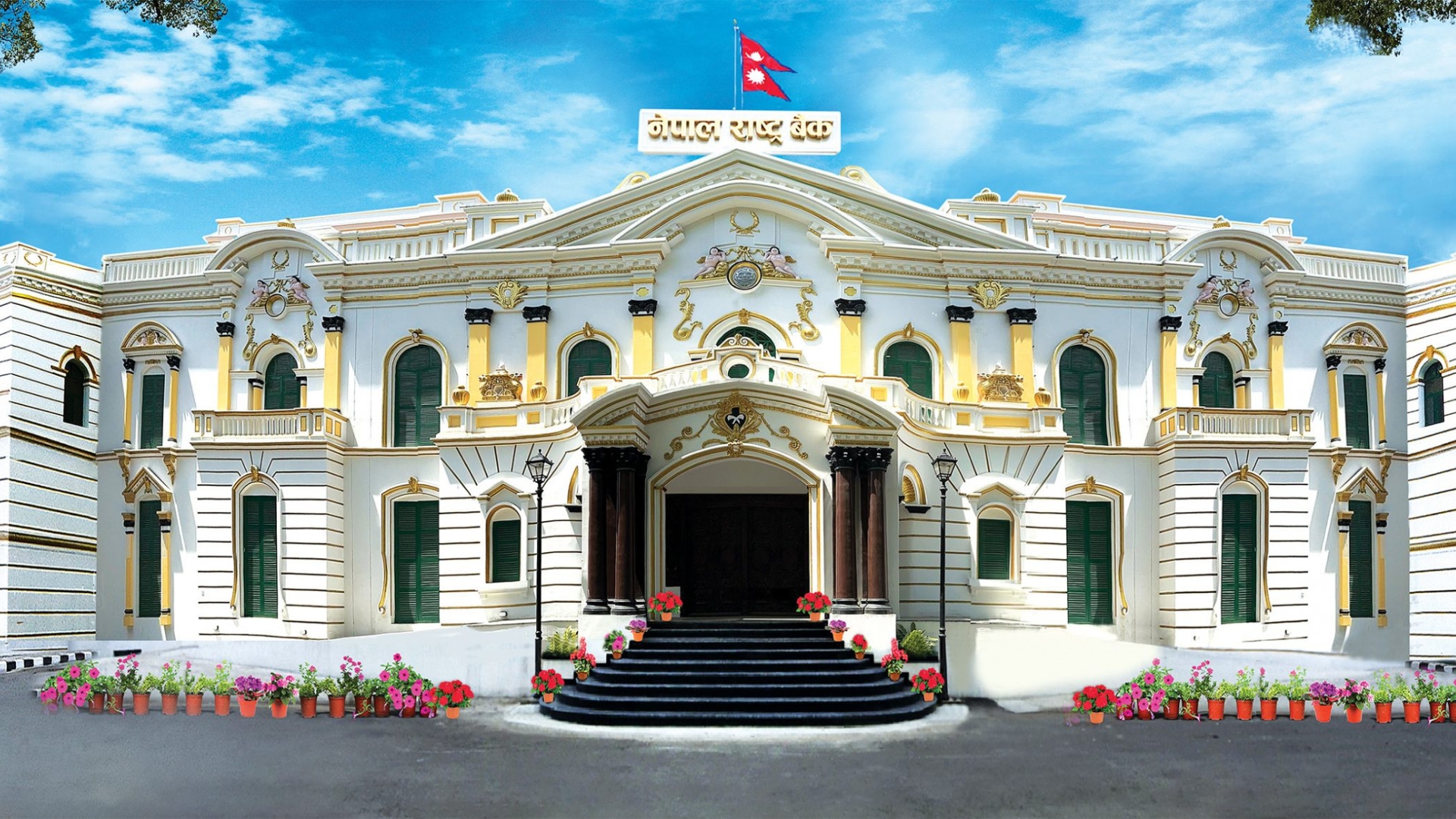
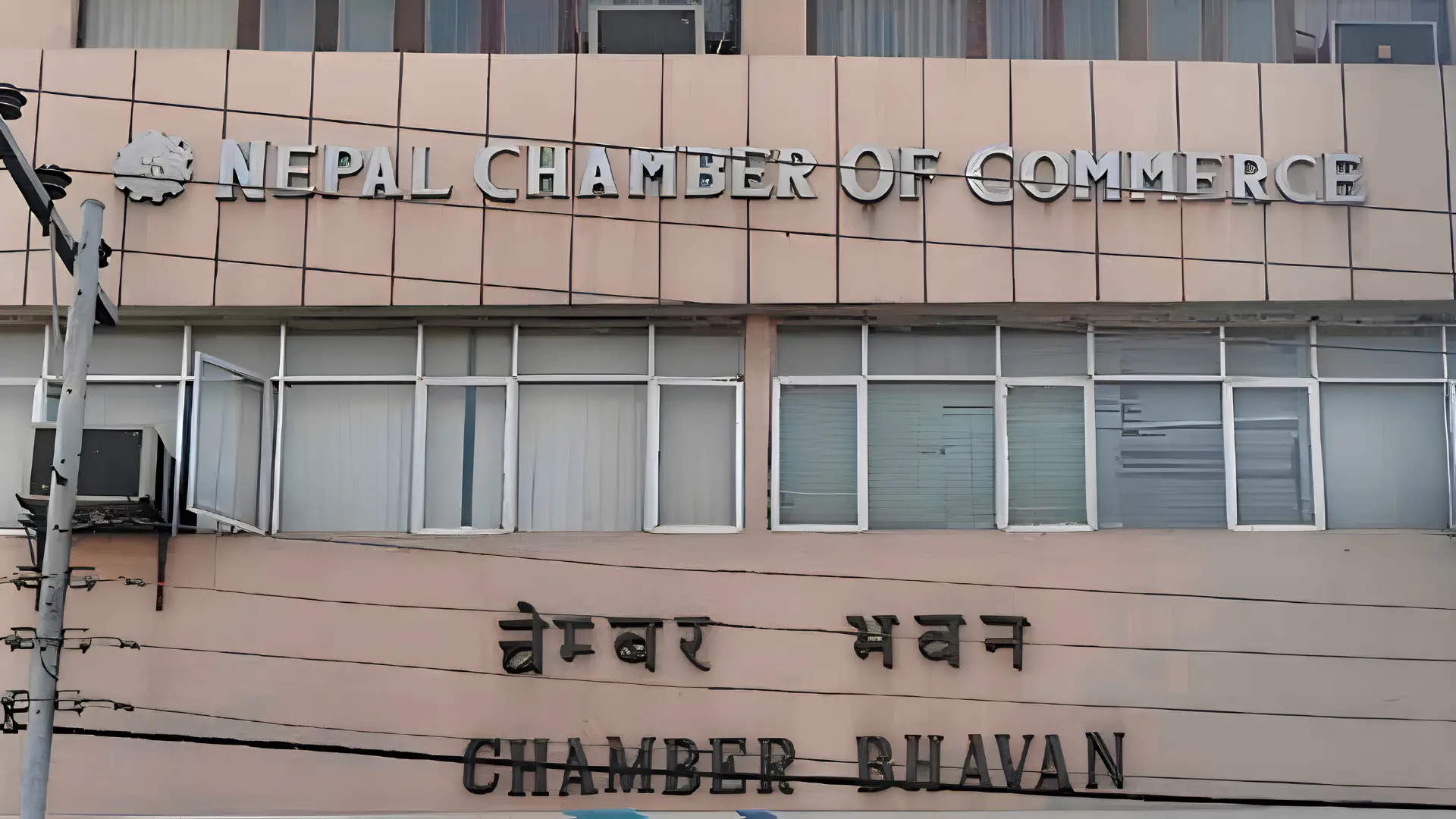
काठमाडौँ — नेपाल चेम्बर अफ कमर्सले आगामी आर्थिक वर्षको मौद्रिक नीति लगानी, उत्पादन र निजी क्षेत्रमैत्री हुनुपर्ने भन्दै नेपाल राष्ट्र बैंकको ध्यानाकर्षण गराएको छ।
चेम्बरका अध्यक्ष कमलेशकुमार अग्रवाल नेतृत्वको प्रतिनिधिमण्डलले राष्ट्र बैंकका गभर्नर डा. विश्वनाथ पौडेललाई भेटेर बैंकिङ तथा वित्तीय क्षेत्रमा देखिएका समस्या समाधान हुने गरी नीति ल्याउन आग्रह गरेको हो।
चेम्बरले पछिल्ला वर्षमा अर्थतन्त्र अपेक्षित रूपमा चलायमान हुन नसकेको, उद्योग–व्यवसायमा उत्साह घटेको र निजी क्षेत्रको मनोबल कमजोर बनेको जनाएको छ। यस्तो अवस्थामा मौद्रिक नीति केवल मूल्य स्थिरतामा केन्द्रित नभई उत्पादन, लगानी र रोजगारी विस्तारतर्फ केन्द्रित हुनुपर्ने चेम्बरको भनाइ छ।
मुलुकले सात प्रतिशतको आर्थिक वृद्धिदर हासिल गर्न कर्जा प्रवाह विस्तार आवश्यक रहेको चेम्बरले जनाएको छ। त्यसका लागि बैंक तथा वित्तीय संस्थाबाट २० प्रतिशतभन्दा बढी कर्जा प्रवाह हुने गरी मौद्रिक नीति तयार गर्नुपर्ने सुझाव दिइएको छ।
चेम्बरले एकल अंकको ब्याजदरलाई स्थायी नीतिका रूपमा अघि बढाउन पनि आग्रह गरेको छ। बैंकदरलाई पाँच प्रतिशतमा झार्न र बैंक तथा वित्तीय संस्थाको स्प्रेडदर तीन दशमलव पाँच प्रतिशतमा सीमित गर्नुपर्ने सुझावसमेत चेम्बरले दिएको छ।
त्यसैगरी, व्यवसायीलाई कार्यशील पुँजी सहज रूपमा उपलब्ध गराउन चालु पुँजी कर्जा निर्देशिका २०७८ खारेज गर्नुपर्ने माग गरिएको छ। उक्त निर्देशिकाका कारण धेरै व्यवसायीले कारोबारको आकारअनुसार आवश्यक कर्जा लिन कठिनाइ भोगेको चेम्बरको भनाइ छ।
चेम्बरले सम्पत्ति शुद्धीकरणसम्बन्धी विद्यमान व्यवस्थालाई पनि व्यावहारिक बनाउनुपर्ने सुझाव दिएको छ। विशेषगरी २०६४ सालअघि आर्जित सम्पत्तिको स्रोतका विषयमा राज्यले व्यावहारिक दृष्टिकोण अपनाउनुपर्ने चेम्बरको माग छ।
बैंक तथा वित्तीय संस्थामा अपनाइँदै आएको केवाइसी प्रक्रिया झन्झटिलो र बैंकपिच्छे फरक रहेको भन्दै चेम्बरले त्यसलाई सरल बनाउन आग्रह गरेको छ। एकपटक पूरा गरिएको ग्राहक पहिचान प्रक्रिया सबै बैंकमा मान्य हुने गरी एकीकृत डिजिटल प्रणाली लागू गर्नुपर्ने सुझाव दिइएको छ।
किस्ता र ब्याज समयमै तिर्न नसकेका उद्यमीलाई तत्काल कालोसूचीमा राख्ने व्यवस्था पुनरावलोकन गर्नुपर्ने चेम्बरको माग छ। व्यवसायको प्रकृति र परिस्थितिको आधारमा त्यस्ता ऋणीलाई पुनर्तालिकीकरण र पुनर्संरचनाको सुविधा दिनुपर्ने चेम्बरले जनाएको छ।
घरजग्गा क्षेत्रलाई चलायमान बनाउन लोन टू भ्यालु रेसियो ८० प्रतिशत कायम गर्नुपर्ने सुझाव पनि चेम्बरले दिएको छ। लामो समयदेखि सुस्त रहेको रियल इस्टेट क्षेत्र सक्रिय भए निर्माण, सिमेन्ट, फलाम, फर्निचरलगायत धेरै सहायक क्षेत्र चलायमान हुने चेम्बरको बुझाइ छ।
चेम्बर अध्यक्ष अग्रवालले निजी क्षेत्रको आत्मविश्वास फर्काउने नीति नआएसम्म अर्थतन्त्र पुनरुत्थान हुन कठिन हुने बताए। उनले मौद्रिक नीतिले लगानीकर्तालाई भरोसा दिने, व्यवसाय सञ्चालन सहज बनाउने र उत्पादनमूलक क्षेत्रमा कर्जा प्रवाह बढाउने वातावरण बनाउनुपर्ने धारणा राखे।
भेटमा गभर्नर डा. पौडेलले राष्ट्र बैंक आर्थिक वृद्धि, लगानी विस्तार र निजी क्षेत्रको विकासप्रति सकारात्मक रहेको बताएका थिए। उनले अनावश्यक नियामकीय बोझ घटाउने प्रयास भइरहेको र निजी क्षेत्रबाट आएका जायज सुझावलाई मौद्रिक नीतिमार्फत सम्भव भएसम्म सम्बोधन गरिने प्रतिबद्धता व्यक्त गरेका थिए।
आगामी मौद्रिक नीतिबाट निजी क्षेत्रले ब्याजदर स्थायित्व, सहज कर्जा प्रवाह, कार्यशील पुँजीको उपलब्धता र नियामकीय सरलताको अपेक्षा गरेको छ। अर्थतन्त्र सुस्त रहेको अवस्थामा राष्ट्र बैंकले ल्याउने नीति व्यवसायी र लगानीकर्ताका लागि महत्वपूर्ण हुने देखिएको छ।

Kathmandu — The Nepal Chamber of Commerce has urged Nepal Rastra Bank to introduce a monetary policy that supports investment, production and the private sector in the upcoming fiscal year.
A delegation led by Chamber President Kamlesh Kumar Agrawal met Nepal Rastra Bank Governor Dr. Bishwo Nath Poudel on Wednesday and requested the central bank to address the problems currently faced by the business community.
The Chamber said the country’s economy has remained sluggish for the past several years and that the confidence of the private sector has weakened. It urged the central bank to adopt a monetary policy that helps revive economic activities and encourages investment.
According to the Chamber, Nepal needs stronger credit expansion to achieve an economic growth rate of seven percent. It suggested that the monetary policy should create an environment for credit flow of more than 20 percent.
The Chamber also called for a stable single-digit interest rate policy. It requested the central bank to reduce the bank rate to five percent and limit the spread rate of banks and financial institutions to 3.5 percent.
It further demanded the immediate scrapping of the Working Capital Loan Guidelines 2078, saying the existing arrangement has made it difficult for businesses to access working capital according to their actual needs.
The Chamber also raised concerns over the existing anti-money laundering provisions, saying they have created fear among businesspeople. It suggested that the authorities take a practical approach regarding the source of assets earned before 2064 BS.
Similarly, the Chamber requested the central bank to simplify the Know Your Customer process. It said the current KYC system is different from bank to bank and has become time-consuming and complicated for customers.
To address this issue, the Chamber proposed the implementation of an integrated digital KYC system. Such a system, it said, would allow customer details verified by one bank to be used across the banking system.
The Chamber also urged the central bank not to immediately blacklist entrepreneurs who are unable to pay loan instalments and interest on time. Instead, it suggested that such borrowers should be given restructuring and rescheduling facilities based on the nature of their business.
For the real estate sector, the Chamber recommended raising the loan-to-value ratio to 80 percent. It said a more flexible credit policy for the real estate sector could help revive related industries such as construction, cement, steel, furniture and other allied businesses.
Chamber President Agrawal said the monetary policy should not focus only on price stability. He said it should also support production, investment and employment generation.
He added that the economy could recover only if the upcoming policy restores the confidence of the private sector and creates a more predictable environment for investors.
During the meeting, Governor Dr. Poudel said Nepal Rastra Bank was positive toward economic growth and private sector development. He said the central bank was working to reduce unnecessary regulatory burdens.
The governor also expressed commitment to addressing genuine suggestions from the private sector through the upcoming monetary policy as far as possible.
The private sector is now expecting the new monetary policy to support lower interest rates, easier credit access, regulatory simplification and a stronger investment climate.