नेपाली चियाको निर्यातमा भन्सार दरको फरक–फरक प्रभावDifferent Tariff Rates Affect Nepal Tea Exports
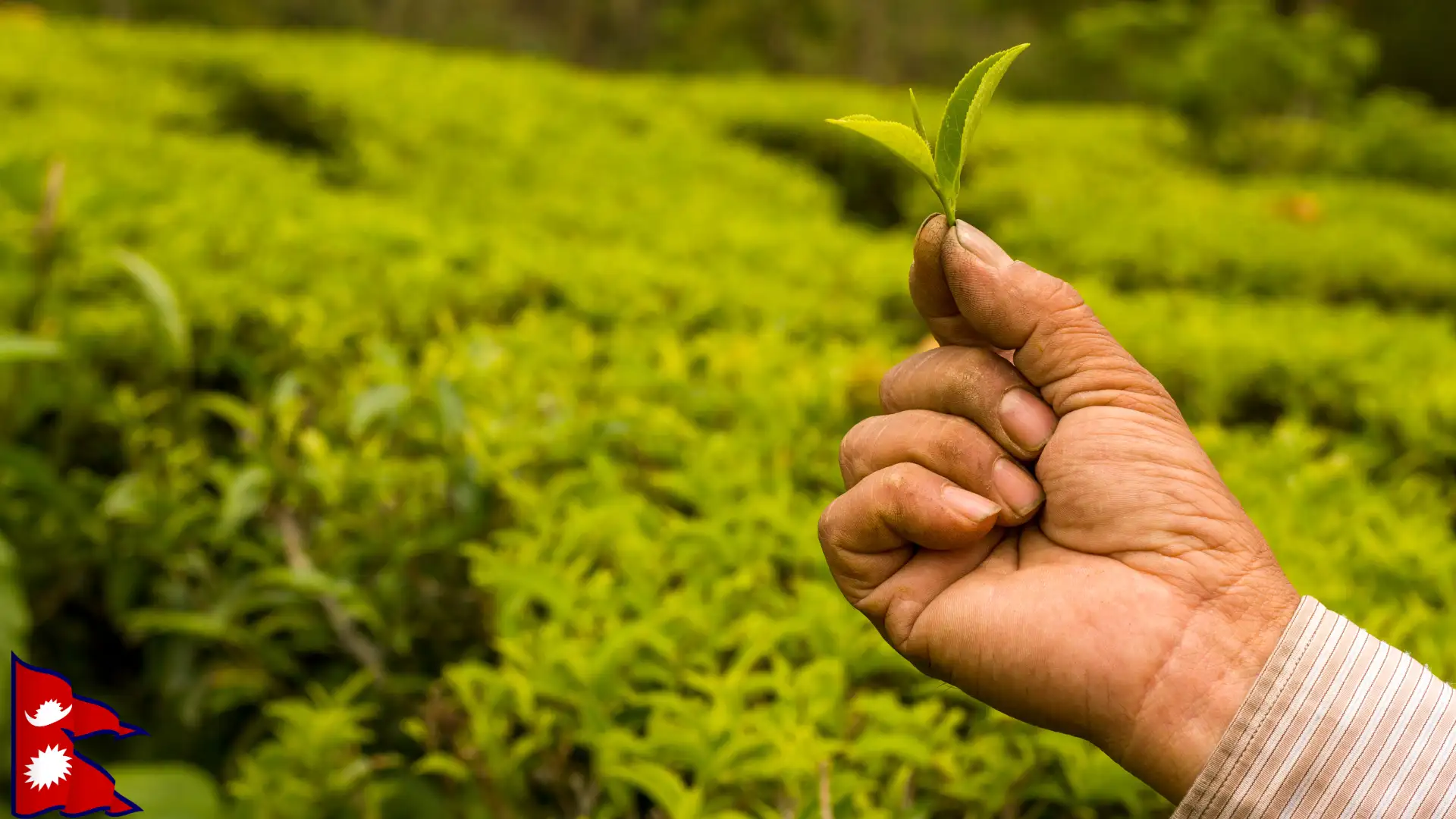
नेपाली चिया विश्वका विभिन्न बजारमा पुग्दै आएको छ। तर, निर्यात गन्तव्य मुलुकअनुसार पाइने व्यापारिक सुविधा समान छैन। कतिपय देशले नेपाली चियामा शून्य भन्सार सुविधा दिएका छन् भने केही मुलुकमा अझै उल्लेख्य दरमा भन्सार महसुल लाग्दै आएको छ। यसले नेपाली चियाको मूल्य, प्रतिस्पर्धा क्षमता र निर्यात लागतमा प्रत्यक्ष असर पार्ने गरेको व्यवसायीहरूको भनाइ छ।
व्यापार तथा निकासी प्रवर्द्धन केन्द्रको तथ्यांकअनुसार नेपालबाट निर्यात हुने चियामा भारत, चीन, जापान, जर्मनी, बेलायत, फ्रान्स, अस्ट्रेलिया, क्यानडा, पोल्यान्ड, नर्वे, स्विडेन, डेनमार्क, माल्टा र मकाउलगायतका मुलुकले शून्य प्रतिशत भन्सार सुविधा दिएका छन्। यस्ता बजारमा नेपाली चियाको प्रवेश लागत तुलनात्मक रूपमा कम हुने भएकाले निर्यातकर्तालाई सहज हुने देखिन्छ।
तर सबै बजारमा नेपाली चियाले समान सुविधा पाएको छैन। दक्षिण एसियाली मुलुक श्रीलंकाले नेपाली चियामा २० प्रतिशत भन्सार लगाउँदै आएको छ भने पाकिस्तानमा १० प्रतिशत भन्सार लाग्छ। त्यस्तै, संयुक्त अधिराज्यमा ६.८२ प्रतिशत, रुसमा ६.७५ प्रतिशत र संयुक्त अरब इमिरेट्समा ५ प्रतिशत भन्सार लाग्ने तथ्यांकले देखाउँछ।
नेपाली चियाको सबैभन्दा ठूलो बजार भारत हो। भारतमा भन्सार शून्य भए पनि निर्यात प्रक्रियामा अन्य प्रकारका चुनौती देखिने गरेका छन्। आर्थिक वर्ष २०८१/८२ मा नेपालबाट भारततर्फ करिब १० अर्ब ३८ करोड रुपैयाँ बराबरको चिया निर्यात भएको तथ्यांकमा उल्लेख छ। भारतपछि जर्मनी, अमेरिका, चीन, जापान, बेलायत, फ्रान्स र नेदरल्यान्ड्स नेपाली चियाका प्रमुख गन्तव्य बजारका रूपमा देखिएका छन्।
व्यापार क्षेत्रका जानकारहरूका अनुसार भन्सार दर कम हुनु मात्रै निर्यात विस्तारका लागि पर्याप्त आधार होइन। गुणस्तर प्रमाणीकरण, स्वास्थ्य तथा वनस्पति सुरक्षा मापदण्ड, प्याकेजिङ, प्रयोगशाला परीक्षण र अन्य प्राविधिक सर्तहरूले पनि चिया निर्यातमा ठूलो भूमिका खेल्छन्। विशेषगरी पछिल्लो समय भारतले गुणस्तर परीक्षणमा कडाइ गरेपछि नेपाली चिया निर्यातकर्ताले थप झन्झट बेहोर्नुपरेको व्यवसायीहरूको भनाइ छ।
नेपाल अल्पविकसित राष्ट्रको सूचीबाट स्तरोन्नति हुने तयारीमा रहेका बेला हाल पाइरहेका केही व्यापारिक सहुलियत भविष्यमा घट्न सक्ने आशंका पनि गरिएको छ। यस्तो अवस्थामा नेपाली चियालाई अन्तर्राष्ट्रिय बजारमा टिकाइराख्न गुणस्तर सुधार, ब्रान्डिङ, मूल्य अभिवृद्धि र बजार विविधीकरणमा विशेष ध्यान दिनुपर्ने विज्ञहरूले सुझाव दिएका छन्।
उनीहरूका अनुसार कच्चा चिया निर्यातमा मात्रै निर्भर रहँदा नेपालले अपेक्षित लाभ लिन सक्दैन। प्रशोधित, प्याकेजिङ गरिएको र नेपाली पहिचानसहितको ब्रान्डेड चिया अन्तर्राष्ट्रिय बजारमा पुर्याउन सके मात्र निर्यात आम्दानी बढाउन सकिने सम्भावना छ।
Nepali tea has been reaching markets across the world, but exporters do not receive the same trade facilities in every country. Tariff rates vary from one importing country to another, directly affecting the cost and competitiveness of Nepali tea in international markets.
According to data from the Trade and Export Promotion Centre, several countries provide zero-tariff access to tea exported from Nepal. These include India, China, Japan, Germany, the United Kingdom, France, Australia, Canada, Poland, Norway, Sweden, Denmark, Malta and Macau, among others.
However, Nepali tea does not enjoy the same benefit in all markets. Sri Lanka imposes a 20 percent customs duty on Nepali tea, while Pakistan charges 10 percent. Similarly, the United Kingdom applies a 6.82 percent tariff, Russia 6.75 percent and the United Arab Emirates 5 percent.
India remains the largest market for Nepali tea. Although India provides zero-tariff access, Nepali exporters continue to face other challenges in the trade process. In the fiscal year 2081/82, Nepal exported tea worth around Rs 10.38 billion to India. Germany, the United States, China, Japan, the United Kingdom, France and the Netherlands are also among the major destinations for Nepali tea.
Trade experts say that low or zero customs duty alone is not enough to expand exports. Quality certification, health and plant safety standards, laboratory testing, packaging requirements and other technical barriers also play a major role in international trade.
In recent times, Nepali tea exporters have faced additional difficulties after India tightened its quality testing procedures. Traders say such non-tariff barriers can delay shipments and increase costs even when customs duties are low.
As Nepal prepares to graduate from the least developed country category, some of the trade preferences currently available to Nepali products may gradually decline. Experts say this makes it necessary for Nepal to focus on improving quality, strengthening branding, adding value and exploring new markets.
They also argue that Nepal cannot gain full benefit from tea exports by relying only on raw or bulk tea sales. Exporting processed, packaged and branded tea with a distinct Nepali identity could help the country increase its earnings and strengthen its position in the global market.