डलरको ऐतिहासिक उकालो, नेपाली अर्थतन्त्रमाथि बढ्दो दबाबDollar Hits Record High in Nepal, Pressure Mounts on Economy
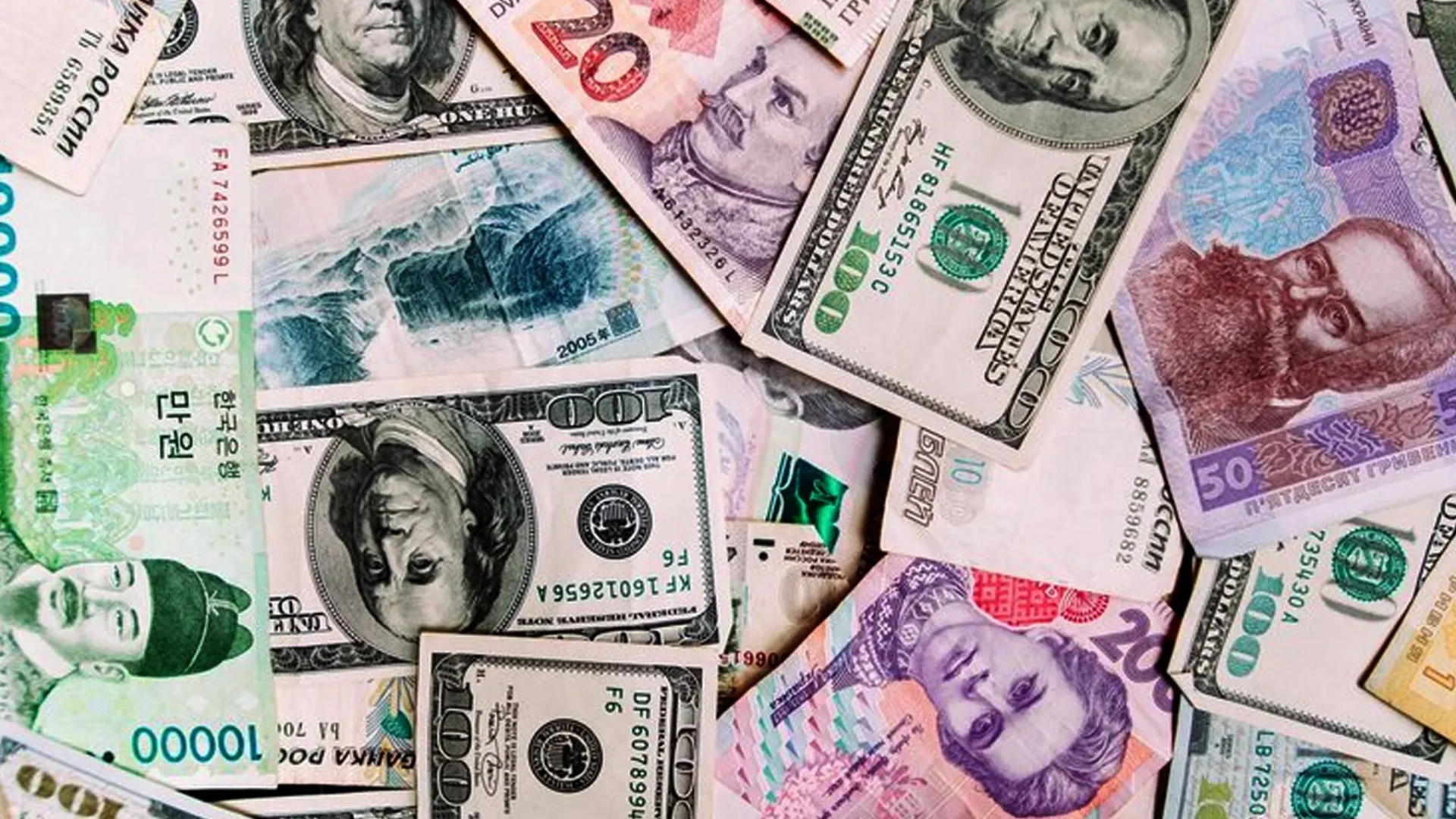
नेपालमा अमेरिकी डलरको मूल्यले फेरि नयाँ कीर्तिमान बनाएको छ । नेपाल राष्ट्र बैंकले शनिबारका लागि सार्वजनिक गरेको विदेशी विनिमयदरअनुसार अमेरिकी १ डलरको खरिददर १५३ रुपैयाँ २५ पैसा र बिक्रीदर १५३ रुपैयाँ ८५ पैसा पुगेको छ । नेपाली रुपैयाँविरुद्ध डलर यति बलियो बनेको यो पहिलो पटक हो । पछिल्ला दिनमा लगातार उकालो लागिरहेको डलरले अर्थतन्त्रमा नयाँ दबाब थप्न थालेको विश्लेषण गरिएको छ ।
केही समयअघिसम्म १५० रुपैयाँको आसपासमा रहेको डलर अहिले दिनहुँ नयाँ उचाइतर्फ बढिरहेको छ । शुक्रबारको तुलनामा पनि शनिबार डलर थप महँगिएको छ । अन्तर्राष्ट्रिय बजारमा अमेरिकी मुद्रा लगातार बलियो बन्दै जाँदा त्यसको प्रत्यक्ष असर नेपालमा देखिन थालेको हो ।
नेपालजस्तो आयातमा अत्यधिक निर्भर मुलुकका लागि डलरको मूल्यवृद्धि संवेदनशील विषय मानिन्छ । पेट्रोलियम पदार्थ, औषधि, मोबाइल फोन, कम्प्युटर, सवारी साधनदेखि उद्योगका कच्चा पदार्थसम्म अधिकांश वस्तु विदेशबाट भित्रिने भएकाले डलर महँगिँदा आयातकर्ताको लागत स्वतः बढ्ने हुन्छ । अहिले व्यापारिक क्षेत्रमा त्यही दबाब विस्तारै देखिन थालेको व्यवसायीहरू बताउँछन् ।
विशेषगरी एलसी खोल्दा पहिलेभन्दा बढी रकम आवश्यक पर्न थालेपछि व्यापारीहरूको खर्च बढेको छ । त्यसको प्रभाव क्रमशः बजारसम्म पुग्ने आकलन गरिएको छ । यदि डलरको मूल्य लामो समयसम्म उच्च रहिरह्यो भने पेट्रोलियम पदार्थ, इलेक्ट्रोनिक्स, औषधि र अन्य आयातित वस्तुको मूल्य वृद्धि हुन सक्ने जोखिम बढेको छ ।
डलर किन लगातार बलियो बनिरहेको छ भन्ने प्रश्नको उत्तर विश्व अर्थतन्त्रसँग जोडिएको छ । अमेरिकी केन्द्रीय बैंक ‘फेडरल रिजर्भ’ले ब्याजदर तत्काल घटाउने संकेत नदिएपछि लगानीकर्ताहरू सुरक्षित मुद्रा मानिने डलरतर्फ आकर्षित भएका छन् । विश्व बजारमा अनिश्चितता बढ्दै जाँदा अमेरिकी मुद्राको माग झन् बढेको देखिन्छ ।
मध्यपूर्वमा बढ्दो तनाव, कच्चा तेलको मूल्यमा आएको उतारचढाव तथा विश्व अर्थतन्त्रमा देखिएको अस्थिरताले पनि डलरलाई थप बलियो बनाएको विश्लेषकहरू बताउँछन् । त्यसमाथि भारतीय रुपैयाँ कमजोर हुँदै जाँदा नेपाली रुपैयाँमाथि थप दबाब परेको छ । नेपाली मुद्रा भारतीय रुपैयाँसँग स्थिर विनिमय प्रणालीमा आबद्ध भएकाले भारतमा देखिएको असर नेपालमा पनि स्वतः सर्ने गर्छ ।
डलर महँगिँदा विदेशमा अध्ययन गरिरहेका नेपाली विद्यार्थीहरू प्रत्यक्ष प्रभावित भएका छन् । विश्वविद्यालय शुल्क, बसोबास खर्च र अन्य भुक्तानी डलरमै गर्नुपर्ने भएकाले अभिभावकमाथि अतिरिक्त आर्थिक भार थपिएको छ । विदेश जाने तयारीमा रहेका कामदार र आयात व्यापारसँग जोडिएका व्यवसायीहरू पनि अहिलेको अवस्थाबाट प्रभावित भएका छन् ।
यद्यपि, यसको एउटा सकारात्मक पक्ष पनि देखिएको छ । विदेशबाट रेमिट्यान्स पठाउने नेपाली परिवारले भने एउटै डलर साट्दा पहिलेभन्दा बढी नेपाली रुपैयाँ प्राप्त गर्न सक्छन् । त्यसले विप्रेषण आम्दानीमा केही राहत दिन सक्छ । तर अर्थशास्त्रीहरूका अनुसार रेमिट्यान्सबाट प्राप्त हुने लाभभन्दा आयात खर्च र महँगीले पार्ने असर समग्र अर्थतन्त्रका लागि बढी चुनौतीपूर्ण हुन सक्छ ।
यसबीच अन्य विदेशी मुद्राको विनिमयदरमा भने मिश्रित अवस्था देखिएको छ । युरो, पाउन्ड स्ट्रलिङ र अस्ट्रेलियन डलर केही कमजोर बनेका छन् भने कुवेती दिनार र बहराइन दिनार थप महँगिएका छन् ।
नेपाल राष्ट्र बैंकले विदेशी मुद्रा सञ्चिति, आयात–निर्यातको अवस्था र अन्तर्राष्ट्रिय बजारको परिस्थितिलाई आधार मानेर विनिमयदर व्यवस्थापन भइरहेको जनाएको छ । तर विश्व बजारमै डलरप्रतिको आकर्षण उच्च रहिरहे नेपाली रुपैयाँमाथि आगामी दिनमा अझै ठूलो दबाब पर्न सक्ने संकेत देखिएको छ ।

The US dollar has reached an all-time high against the Nepali rupee, adding fresh pressure to Nepal’s import-dependent economy. According to the exchange rates published by the central bank for Saturday, the buying rate of one US dollar has climbed to Rs. 153.25, while the selling rate has reached Rs. 153.85 — the highest level recorded so far in Nepal.
The sharp rise comes amid a continuous strengthening of the dollar in the international market. Just a day earlier, the buying rate stood at Rs. 152.93. The steady appreciation of the American currency has begun raising concerns among economists, traders and consumers, particularly as Nepal relies heavily on imported goods and services.
Nepal imports a wide range of products, from petroleum and medicines to electronics, vehicles and industrial raw materials. Since most international transactions are conducted in US dollars, a stronger dollar directly increases the country’s import bill. Businesses say the cost of opening letters of credit (LCs) has already started rising, pushing overall trading expenses upward.
The impact is expected to gradually spread into the consumer market. Prices of fuel, mobile phones, computers, medicines and other imported goods could increase if the dollar remains elevated for a longer period. Economists warn that higher import costs may eventually fuel inflation across the broader economy.
The recent surge in the dollar is largely linked to global financial developments. The US Federal Reserve has signaled that interest rates may remain high for longer than expected, encouraging investors to move toward safer assets. As uncertainty continues in the global economy, demand for the US dollar has increased sharply, reinforcing its strength worldwide.
Growing geopolitical tensions in the Middle East, volatility in oil prices and concerns over global economic stability have also strengthened the dollar’s position as a “safe haven” currency. At the same time, weakness in the Indian rupee has added further pressure on Nepal’s currency. Since the Nepali rupee is pegged to the Indian rupee, any depreciation in the Indian currency directly affects Nepal as well.
Importers are among the first groups feeling the impact. Traders say business costs are rising as they require more rupees to settle dollar-based payments. If the current trend continues, transportation costs, industrial production expenses and consumer prices could all rise in the coming months.
Nepali students studying abroad are also facing increasing financial pressure. Tuition fees, accommodation expenses and daily living costs in many countries are paid in dollars, meaning families now need to spend significantly more in Nepali currency.
Workers preparing for foreign employment and businesses dependent on imports are similarly affected by the strengthening dollar. However, there is one positive side to the trend. Families receiving remittances from abroad may benefit, as every dollar exchanged now converts into more Nepali rupees.
Still, economists argue that the broader economic burden created by expensive imports and inflation is likely to outweigh the benefits gained from remittance income.
While the dollar continues climbing, some other foreign currencies have shown mixed movement. The euro, pound sterling and Australian dollar have weakened slightly, whereas currencies such as the Kuwaiti dinar and Bahraini dinar have become more expensive in Nepal.
Nepal Rastra Bank says it continues managing exchange rates based on foreign currency reserves, import-export conditions and international market developments. However, analysts believe that if global demand for the US dollar remains strong, the Nepali rupee could face even greater pressure in the days ahead.