NEPSEtrading

Make smarter moves backed by machine learning. Join thousands of traders leveraging AI to maximize profits.

nepsetrading.com is an online news portal that provides insights into trading and investment by analyzing the stock market and the global economy. We create charts based on the analysis of various indicators. Please do not rely solely on this information for investment decisions. Self-study is crucial. Use this information only as an educational and informational resource.

Marketminds Investment Group Private Limited

DOIB Registration certificate no.: 4680-2081/2082

Director & Editor-in-chief: Dipesh Ghimire · 9802363868, 9851119988

Koteshwor 32, Kathmandu
01-5253221 · +977 9709066745

Contact support

Subscribe to our newsletter

Weekly insights from the NEPSE market in your inbox.

Market

  • Stocks
  • Sectors

Company

  • About Us
  • Our Team
  • Terms of Use
  • Our Policy
  • Training
  • Contact Us

Help

  • Support
  • Report
  • FAQ

© 2026 nepsetrading.com. All rights reserved.
Owned and operated by Marketminds Investment Group Private Limited.

Charts powered by TradingView

  • Home
  • Latest
  • Trending
  • Stock
  • Education
  • International
    1. News
    2. Investor
    3. Excess Liquidity Becomes Growing Challenge for Nepal’s Central Bank
    बैंकिङ प्रणालीमा अधिक तरलता बढ्दै, व्यवस्थापन राष्ट्र बैंकका लागि चुनौती
    Investor
    3 min read
    Published on February 8, 2026
    NEPSE TRADING

    बैंकिङ प्रणालीमा अधिक तरलता बढ्दै, व्यवस्थापन राष्ट्र बैंकका लागि चुनौतीExcess Liquidity Becomes Growing Challenge for Nepal’s Central Bank

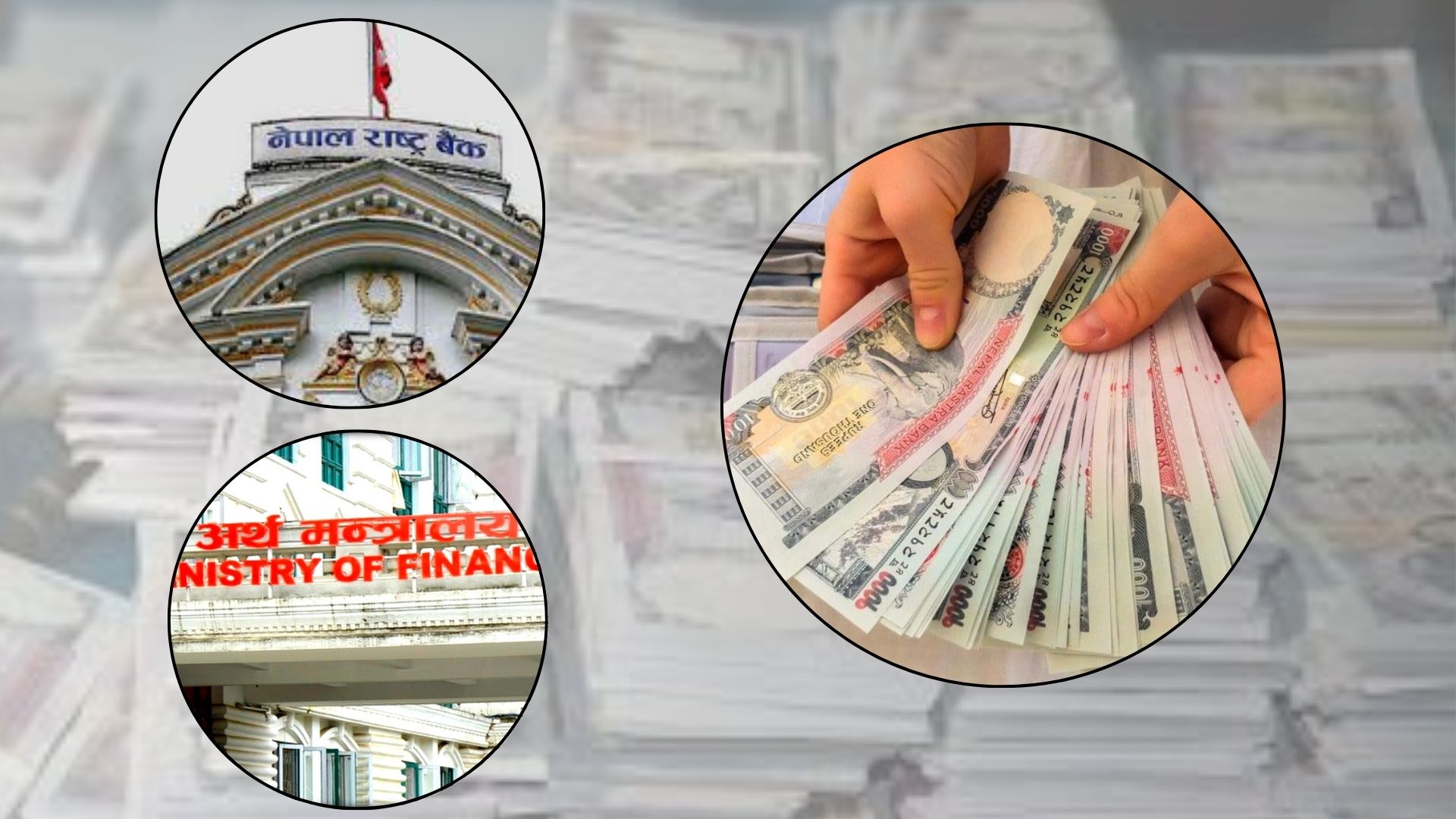
    पछिल्लो समय नेपाली बैंकिङ प्रणालीमा बढ्दो अधिक तरलताले मौद्रिक व्यवस्थापनलाई थप जटिल बनाउँदै लगेको छ। कर्जाको माग कमजोर हुनु, आर्थिक गतिविधि सुस्त हुनु र बैंकहरूले लगानीयोग्य क्षेत्रहरूमा अपेक्षित रूपमा कर्जा प्रवाह गर्न नसक्नुका कारण बैंकहरूमा ठूलो परिमाणमा रकम थुप्रिन पुगेको छ। यस अवस्थाले वित्तीय प्रणालीमा असन्तुलन सिर्जना गर्ने जोखिम बढाएको सरोकारवालाहरूको भनाइ छ।

    तरलता बढ्दै गएपछि अन्तरबैंक ब्याजदर समेत घटेर २.७५ प्रतिशतसम्म झरेको छ। ब्याजदर करिडोरको तल्लो सीमाभन्दा तल नजाओस् भन्नका लागि नेपाल राष्ट्र बैंक ले बजारबाट निरन्तर रूपमा रकम तान्दै आएको छ। यही क्रममा केन्द्रीय बैंकले ४२ दिनका लागि ५० अर्ब रुपैयाँ तरलता संकलन गर्ने भएको छ।

    राष्ट्र बैंकका अनुसार उक्त रकम आइतबार बोलकबोल प्रक्रियामार्फत संकलन गरिनेछ। निक्षेप संकलन उपकरणको बोलकबोल अनलाइन प्रणालीमार्फत सञ्चालन हुनेछ। बैंक तथा वित्तीय संस्थाले दिउँसो २ बजेदेखि ३ बजेसम्म बोलपत्र पेस गर्न सक्नेछन्। निक्षेपको ब्याजदर बोलकबोलकै आधारमा निर्धारण हुनेछ भने सावाँ तथा ब्याजको भुक्तानी २०८२ चैत ८ गते गरिनेछ।

    निक्षेप संकलनमा सहभागी हुन इच्छुक बैंक तथा वित्तीय संस्थाले न्यूनतम १० करोड रुपैयाँ र अधिकतम आह्वान रकमसम्म, पाँच करोडले भाग गर्दा निःशेष भाग जाने गरी बोल गर्न सक्ने व्यवस्था गरिएको छ। बहुब्याजदरमा बहुबोलकबोल गर्न सकिने प्रावधानसमेत राखिएको राष्ट्र बैंकले जनाएको छ।

    रकम बाँडफाँट गर्दा सबैभन्दा कम ब्याजदरमा बोल गर्ने संस्थालाई पहिलो प्राथमिकता दिइनेछ। त्यसपछि क्रमशः बढी ब्याजदरका बोलहरू स्वीकार गर्दै कुल आह्वान रकम पूरा गरिने व्यवस्था गरिएको छ। यस निक्षेप संकलन प्रक्रियामा नेपाल राष्ट्र बैंकबाट इजाजतप्राप्त ‘क’, ‘ख’ र ‘ग’ वर्गका बैंक तथा वित्तीय संस्थामात्र सहभागी हुन पाउनेछन्।

    साढे आठ खर्ब रुपैयाँ राष्ट्र बैंकमा थुप्रियो

    वित्तीय प्रणालीमा अधिक तरलता बढेपछि हाल साढे ८ खर्ब रुपैयाँभन्दा बढी रकम राष्ट्र बैंकमा थुप्रिएको छ। केन्द्रीय बैंकले निक्षेप संकलन बोलकबोल, स्थायी निक्षेप सुविधा तथा राष्ट्र बैंक ऋणपत्रमार्फत बजारबाट तरलता उठाउँदै आएको हो।

    राष्ट्र बैंकको पछिल्लो तथ्यांकअनुसार बैंकहरूको तरलताको ८ खर्ब ६१ अर्ब २५ करोड रुपैयाँ राष्ट्र बैंकमा रहेको छ। यसमध्ये निक्षेप संकलन बोलकबोलमा ४ खर्ब ७४ अर्ब ५५ करोड, स्थायी निक्षेप सुविधामा १ खर्ब ८६ अर्ब ७० करोड र राष्ट्र बैंक ऋणपत्रमा २ खर्ब रुपैयाँ लगानी रहेको छ।

    कर्जा माग कमजोर, अर्थतन्त्रमा सुस्तता

    हाल बैंकिङ प्रणालीमा कुल निक्षेप करिब ७७ खर्ब रुपैयाँ पुगेको छ। तर आर्थिक गतिविधि अपेक्षित रूपमा नबढ्दा कर्जा माग कमजोर बनेको छ। उद्योग, व्यापार र निर्माण क्षेत्रको विस्तार सुस्त हुँदा बैंकहरूको लगानीयोग्य पूँजी प्रयोग हुन सकेको छैन।

    विशेषज्ञहरूका अनुसार दीर्घकालीन प्रकृतिको अधिक तरलता अर्थतन्त्रका लागि चुनौतीपूर्ण अवस्था हो। यदि कर्जा विस्तार हुन सकेन भने बैंकहरूको आम्दानी प्रभावित हुनुका साथै मौद्रिक नीतिको प्रभावकारिता पनि कमजोर हुन सक्छ।

    खुला बजार उपकरणमार्फत व्यवस्थापन प्रयास

    बढ्दो तरलता र ब्याजदर सन्तुलन कायम राख्न राष्ट्र बैंकले निक्षेप संकलन उपकरण, स्थायी निक्षेप सुविधा र ऋणपत्रजस्ता खुला बजार उपकरण प्रयोग गर्दै आएको छ। यी माध्यमबाट बजारमा अत्यधिक रकम नियन्त्रण गर्ने प्रयास भइरहेको छ।

    अर्थविद्हरूका अनुसार दीर्घकालीन समाधानका लागि कर्जा प्रवाह बढाउने वातावरण सिर्जना गर्नु, निजी क्षेत्रको लगानी प्रोत्साहन गर्नु र आर्थिक गतिविधि चलायमान बनाउनु आवश्यक छ। अन्यथा, अधिक तरलताको समस्या अझै जटिल बन्दै जाने उनीहरूको भनाइ छ।

    हालको अवस्थाले बैंकिङ प्रणालीमा तरलता प्रशस्त भए पनि त्यसको सदुपयोग नहुँदा राष्ट्र बैंकका लागि व्यवस्थापन चुनौतीपूर्ण बन्दै गएको संकेत गरेको छ।


    The rising level of excess liquidity in Nepal’s banking system has emerged as a major challenge for monetary authorities in recent months. Weak credit demand, slowing economic activities, and limited lending opportunities in productive sectors have led to a large volume of idle funds piling up in banks and financial institutions.

    As businesses remain cautious and investment activities slow down, banks have struggled to channel their surplus funds into loans. This has resulted in a widening gap between deposits and credit, increasing pressure on the financial system. Economists warn that prolonged excess liquidity could weaken the effectiveness of monetary policy and limit economic recovery.

    With liquidity rising sharply, the interbank interest rate has fallen to as low as 2.75 percent. To prevent rates from falling below the lower limit of the interest rate corridor, the Nepal Rastra Bank has been continuously withdrawing money from the market. As part of this effort, the central bank has announced plans to absorb NPR 50 billion for 42 days through a deposit auction.

    According to the central bank, the auction will be conducted through an online bidding system. Banks and financial institutions will be allowed to submit bids between 2 PM and 3 PM. The interest rate will be determined through competitive bidding, while both principal and interest will be paid on Chaitra 8, 2082.

    To participate in the deposit collection process, institutions must bid a minimum of NPR 100 million. Bids can be submitted up to the total announced amount in multiples of NPR 50 million. The central bank has also allowed multiple bids at different interest rates, providing flexibility to participating institutions.

    In the allocation process, priority will be given to institutions offering the lowest interest rates. Bids with higher rates will be accepted gradually until the total target amount is met. Only ‘A’, ‘B’, and ‘C’ class banks and financial institutions licensed by the central bank are eligible to participate in this process.

    Over NPR 850 Billion Parked at the Central Bank

    Due to persistent excess liquidity, more than NPR 850 billion has now been parked at the central bank. Nepal Rastra Bank has been absorbing surplus funds through deposit auctions, standing deposit facilities, and central bank bonds as part of its liquidity management strategy.

    Recent data shows that NPR 861.25 billion of banks’ liquidity is currently held at the central bank. Of this, NPR 474.55 billion is placed through deposit auctions, NPR 186.70 billion through standing deposit facilities, and NPR 200 billion through central bank bonds.

    This growing accumulation of funds at the central bank reflects the limited lending opportunities in the market. Despite having abundant resources, banks are unable to expand credit at the desired pace, indicating structural weaknesses in economic activity.

    Weak Credit Demand and Economic Slowdown

    At present, total deposits in the banking system stand at around NPR 7,700 billion. However, credit expansion has remained sluggish due to weak demand from the private sector. Slow growth in industries, trade, and construction has reduced the need for bank financing.

    Experts say the long-term nature of excess liquidity poses risks to financial stability. If banks fail to deploy their funds effectively, profitability may decline, and the flow of credit to productive sectors could remain constrained.

    Moreover, low interest rates caused by surplus liquidity may discourage savings and distort market signals. This could further complicate monetary management in the coming months.

    Central Bank’s Efforts Through Open Market Operations

    To manage liquidity and stabilize interest rates, Nepal Rastra Bank has been actively using open market instruments such as deposit collection tools, standing deposit facilities, and central bank bonds. Through these mechanisms, the central bank aims to regulate money supply and maintain balance in the financial system.

    However, economists argue that technical measures alone may not be sufficient. Sustainable liquidity management requires stronger economic activities, increased private investment, and improved business confidence.

    They stress that boosting credit demand, encouraging industrial expansion, and accelerating infrastructure projects are essential to absorb excess funds into the real economy.

    Outlook

    The current situation indicates that while Nepal’s banking system is financially liquid, it is facing difficulties in utilizing resources effectively. The growing dependence on central bank instruments for parking surplus funds highlights underlying weaknesses in economic momentum.

    Unless economic activities revive and credit demand improves, excess liquidity is likely to remain a persistent challenge. For now, managing surplus funds has become one of the central bank’s most pressing tasks, reflecting the broader slowdown in the country’s financial and economic landscape.

    Trending News

    • Trending14 Jun, 2026

      असारमा वाणिज्य बैंकको मुद्दति ब्याजदर थप घट्यो, ७ बैंकले दर घटाए

      Read news
    • Trending14 Jun, 2026

      नेपालकै सबैभन्दा ठूलो सम्पत्ति शुद्धीकरण मुद्दा अदालत पुग्यो, एक खर्ब ६ अर्बभन्दा बढी बिगो दाबी

      Read news
    • Trending14 Jun, 2026

      अमेरिका–इरान शान्ति सम्झौता निर्णायक मोडमा, पाकिस्तानले भन्यो — '२४ घण्टामा हस्ताक्षर सम्भव'

      Read news

    Related News

  • असारमा वाणिज्य बैंकको मुद्दति ब्याजदर थप घट्यो, ७ बैंकले दर घटाए
    Investor

    1 min read

    असारमा वाणिज्य बैंकको मुद्दति ब्याजदर थप घट्यो, ७ बैंकले दर घटाए

    NEPSE TRADING

    ·

    14 Jun, 2026

  • नेपालकै सबैभन्दा ठूलो सम्पत्ति शुद्धीकरण मुद्दा अदालत पुग्यो, एक खर्ब ६ अर्बभन्दा बढी बिगो दाबी
    Investor

    4 min read

    नेपालकै सबैभन्दा ठूलो सम्पत्ति शुद्धीकरण मुद्दा अदालत पुग्यो, एक खर्ब ६ अर्बभन्दा बढी बिगो दाबी

    NEPSE TRADING

    ·

    14 Jun, 2026

  • अमेरिका–इरान शान्ति सम्झौता निर्णायक मोडमा, पाकिस्तानले भन्यो — '२४ घण्टामा हस्ताक्षर सम्भव'
    Top

    1 min read

    अमेरिका–इरान शान्ति सम्झौता निर्णायक मोडमा, पाकिस्तानले भन्यो — '२४ घण्टामा हस्ताक्षर सम्भव'

    NEPSE TRADING

    ·

    14 Jun, 2026

  • शेयर बजारमा जलविद्युत कम्पनी : अनुत्तरित प्रश्नहरूको भारले थिचिएको लगानीकर्ता
    Investor

    5 min read

    शेयर बजारमा जलविद्युत कम्पनी : अनुत्तरित प्रश्नहरूको भारले थिचिएको लगानीकर्ता

    NEPSE TRADING

    ·

    12 Jun, 2026

  • नेपालको पुँजी बजार : तीन दशकको यात्रा, अझै अधुरो सुधार
    Investor

    3 min read

    नेपालको पुँजी बजार : तीन दशकको यात्रा, अझै अधुरो सुधार

    Dipesh Ghimire

    ·

    12 Jun, 2026