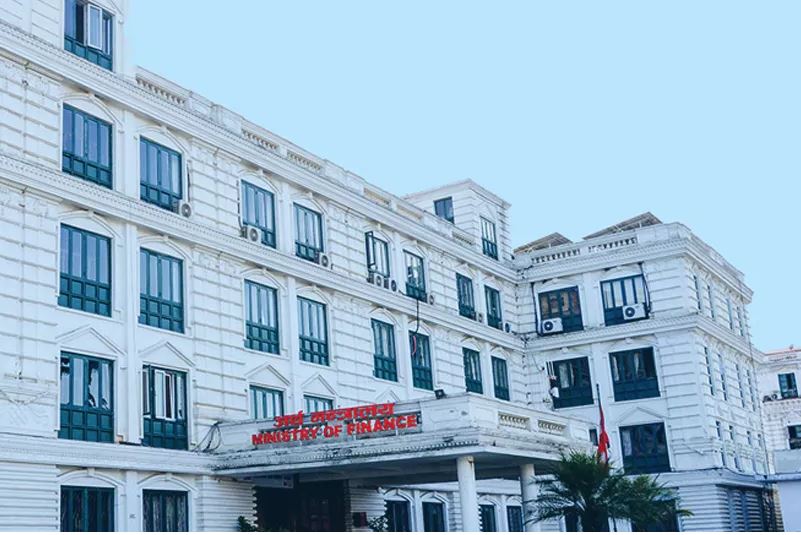
अर्थ मन्त्रालयले चालु आर्थिक वर्ष २०८२/८३ को दोस्रो त्रैमास (पुस मसान्त) सम्म सम्पन्न गरेका कामकारबाही र उपलब्धि सार्वजनिक गरेको छ। मन्त्रालयले बजेट कार्यान्वयन, राजस्व व्यवस्थापन, कानुनी सुधार, वित्तीय सङ्घीयता, वित्तीय क्षेत्र सुधार, योजना–अनुगमन तथा प्रशासनिक व्यवस्थापनसम्बन्धी प्रगति विवरण सार्वजनिक गर्दै राज्यकोष व्यवस्थापन र सुशासन प्रवर्द्धनमा केन्द्रित प्रयास अघि बढाएको जनाएको छ।
मन्त्रालयका अनुसार पुस मसान्तसम्म वार्षिक लक्ष्यको ४६.०६ प्रतिशत बजेट खर्च भएको छ। यो गत आर्थिक वर्षको सोही अवधिको तुलनामा १०.७५ प्रतिशतले बढी हो। चालु आवका लागि १९ खर्ब ६४ अर्ब ११ करोड रुपैयाँको बजेट विनियोजन गरिएकोमा पुससम्म ९ खर्ब ४ अर्ब ६४ करोड ४३ लाख रुपैयाँ खर्च भएको मन्त्रालयको विवरण छ।
विवरणअनुसार चालु शीर्षकमा ११ खर्ब ८० अर्ब ९८ करोड रुपैयाँ विनियोजन गरिएकामा ४०.८२ प्रतिशत अर्थात् ४ खर्ब ८२ अर्ब १० करोड ८० लाख रुपैयाँ खर्च भएको छ। पुँजीगत शीर्षकमा ४ खर्ब ७ अर्ब ८८ करोड ८० लाख रुपैयाँ विनियोजन गरिएकामा ११.६६ प्रतिशत अर्थात् ४७ अर्ब ५४ करोड ४० लाख रुपैयाँ मात्र खर्च भएको छ। पुँजीगत खर्च अपेक्षाअनुसार अघि नबढ्नु सरकारका लागि चुनौतीकै रूपमा देखिएको छ।
गत आर्थिक वर्षको तुलनामा चालु खर्च ३.३५ प्रतिशतले बढेको छ भने पुँजीगत खर्च ४.८६ प्रतिशतले घटेको छ। यस्तै, वित्तीय व्यवस्थातर्फको खर्च भने ५३.२९ प्रतिशतले बढेको मन्त्रालयको प्रतिवेदनमा उल्लेख छ। यसले ऋण व्यवस्थापन र दायित्व भुक्तानीतर्फ दबाब बढेको संकेत गर्छ।
पुँजीगत खर्च कमजोर रहँदा राजस्व संकलनमा पनि उल्लेखनीय दबाब देखिएको छ। चालु आवका लागि सरकारले १४ खर्ब ४० अर्ब रुपैयाँ राजस्व उठाउने लक्ष्य लिएको थियो। पुस मसान्तसम्म ७ खर्ब ११ अर्ब २० करोड ७९ लाख रुपैयाँ राजस्व उठाउने अनुमान गरिए पनि यस अवधिमा ५ खर्ब ८१ अर्ब ४० करोड ७२ लाख रुपैयाँ मात्र संकलन भएको छ। यो लक्ष्यभन्दा १ खर्ब २९ अर्ब ८० करोड रुपैयाँ कम हो।
बेरुजु फछ्र्यौटमा समेत मन्त्रालयको प्रगति कमजोर देखिएको छ। मन्त्रालयसँग कुल १ खर्ब २५ अर्ब रुपैयाँ बेरुजु रहेकामा पुस मसान्तसम्म ८ अर्ब रुपैयाँ मात्र फर्छ्यौट भई १ खर्ब १७ अर्ब रुपैयाँ बेरुजु कायम रहेको छ। यो कुल बेरुजुको ६.४ प्रतिशत मात्र भएको मन्त्रालयको विवरण छ।
यद्यपि निर्वाचन व्यवस्थापनमा स्रोत सहमति र निकासालाई मन्त्रालयले प्राथमिकतामा राखेको देखिन्छ। आगामी फागुन २१ गते तय प्रतिनिधिसभा सदस्य निर्वाचनका लागि निर्वाचन आयोगलाई कात्तिक १८ मा ४ अर्ब ९६ करोड ६६ लाख र मंसिर २० मा थप १ अर्ब ७७ करोड ९० हजार गरी कुल ६ अर्ब ७३ करोड ६६ लाख ९० हजार रुपैयाँ स्रोत सहमति प्रदान गरिएको छ।
यसैगरी राष्ट्रिय अनुसन्धान विभागलाई २ करोड ८० लाख रुपैयाँ, नेपाली सेनालाई सुरक्षा उपकरण खरिदका लागि ४ करोड ४२ लाख ५० हजार रुपैयाँ स्रोत सहमति दिइएको छ। गृह मन्त्रालय तथा मातहतका निकायलाई प्रतिनिधिसभा निर्वाचनका लागि १० अर्ब ३९ करोड ३४ लाख ८० हजार रुपैयाँ स्रोत सहमति प्रदान गरिएको छ भने निर्वाचनसम्बन्धी चालु खर्चतर्फ नेपाली सेनालाई १ अर्ब ९४ करोड ६८ लाख ५५ हजार रुपैयाँ स्वीकृत गरिएको छ।
राष्ट्रियसभा सदस्य निर्वाचनका लागि निर्वाचन आयोगलाई ४ करोड ३१ लाख ७९ हजार रुपैयाँ स्रोत सहमति दिइएको र उक्त रकम निकासासमेत भइसकेको मन्त्रालयले जनाएको छ। प्रतिनिधिसभा निर्वाचनका लागि निर्वाचन आयोगलाई पुस मसान्तसम्म कुल ६ अर्ब ३१ करोड रुपैयाँ निकासा भइसकेको छ।
राजस्व व्यवस्थापनतर्फ सबै भन्सार कार्यालयमा ‘ग्याट भ्यालुएसन’ प्रणालीको पूर्ण कार्यान्वयन सुनिश्चित गर्न अनलाइन मूल्याङ्कन प्रणाली सुरु गरिएको छ। यस अवधिमा नेपाल–मौरिसस दोहोरो करमुक्ति सम्झौतासम्बन्धी विवाद समाधान गर्दै डोल्मा इम्प्याक्ट फण्डको पुँजीगत लाभमा करकट्टीको अन्योल अन्त्य गरिएको छ। साथै नेपाल–मौरिसस दोहोरो करमुक्ति सम्झौता खारेज गरी कूटनीतिक माध्यमबाट जानकारी गराइएको छ।
भन्सार ऐन, २०८२ कार्यान्वयनमा ल्याइँदै भन्सार नियमावलीको मस्यौदा कानुन मन्त्रालयमा पठाइएको छ। उच्चस्तरीय केन्द्रीय राजस्व चुहावट नियन्त्रण समितिको नियमित बैठकमार्फत राजस्व चुहावट नियन्त्रणमा बहुपक्षीय समन्वय गरिएको मन्त्रालयको दाबी छ।
कानुनी तथा प्रशासनिक सुधारतर्फ सेवा प्रवाहमा गुनासो व्यवस्थापन प्रणाली विकास गरिएको, हेलो सरकारलगायत माध्यमबाट आएका गुनासो निरन्तर सम्बोधन गरिएको र गैरकर राजस्वका दर परिमार्जनमा सहमति प्रदान गरिएको छ। सार्वजनिक सेवाका कागजातमा आय टिकटको सट्टा हुलाक टिकट टाँस्ने व्यवस्था हटाइएको तथा सिरहास्थित अस्पतालको जग्गा निःशुल्क हस्तान्तरणका लागि पुँजीगत लाभकर छुट दिने निर्णय पनि यस अवधिमा भएको छ।
वित्तीय क्षेत्र सुधारतर्फ वित्तीय क्षेत्र विकास रणनीति २०८२/८३–२०८६/८७ मन्त्रिपरिषद्बाट स्वीकृत भएको छ। पाँच लाख रुपैयाँभन्दा माथिको नगद कारोबारमा प्रतिबन्ध, नेप्से पुनःसंरचना समिति गठन, पुँजी बजार सुधार प्रतिवेदन कार्यान्वयन र सहुलियतपूर्ण कर्जाको ब्याज अनुदानबापत ९ अर्ब ८० करोड रुपैयाँ निकासा गरिएको मन्त्रालयको प्रतिवेदनमा उल्लेख छ।
समग्रमा मन्त्रालयले बजेट खर्च बढाए पनि पुँजीगत खर्च, राजस्व संकलन र बेरुजु फछ्र्यौटजस्ता मुख्य क्षेत्रमा चुनौती कायमै रहेको देखिन्छ। आगामी त्रैमासमा यी कमजोरी सुधार गर्न नसके आर्थिक व्यवस्थापनमा थप दबाब सिर्जना हुने संकेत मन्त्रालयकै तथ्यांकले देखाएको छ।