NEPSEtrading

Make smarter moves backed by machine learning. Join thousands of traders leveraging AI to maximize profits.

nepsetrading.com is an online news portal that provides insights into trading and investment by analyzing the stock market and the global economy. We create charts based on the analysis of various indicators. Please do not rely solely on this information for investment decisions. Self-study is crucial. Use this information only as an educational and informational resource.

Marketminds Investment Group Private Limited

DOIB Registration certificate no.: 4680-2081/2082

Director & Editor-in-chief: Dipesh Ghimire · 9802363868, 9851119988

Koteshwor 32, Kathmandu
01-5253221 · +977 9709066745

Contact support

Subscribe to our newsletter

Weekly insights from the NEPSE market in your inbox.

Market

  • Stocks
  • Sectors

Company

  • About Us
  • Our Team
  • Terms of Use
  • Our Policy
  • Training
  • Contact Us

Help

  • Support
  • Report
  • FAQ

© 2026 nepsetrading.com. All rights reserved.
Owned and operated by Marketminds Investment Group Private Limited.

Charts powered by TradingView

  • Home
  • Latest
  • Trending
  • Stock
  • Education
  • International
    1. News
    2. Investor
    3. Food Imports Still Soaring – Nepal Spends Over Rs. 16 Billion on Cereals, Oilseeds, and Ve...
    धान, गहुँ, तेलबिउ र तरकारीमा आयातको चरम निर्भरता — नेपालले तीन महिनामै १६ अर्बभन्दा बढी खर्च
    Investor
    2 min read
    Published on October 27, 2025
    NEPSE TRADING

    धान, गहुँ, तेलबिउ र तरकारीमा आयातको चरम निर्भरता — नेपालले तीन महिनामै १६ अर्बभन्दा बढी खर्चFood Imports Still Soaring – Nepal Spends Over Rs. 16 Billion on Cereals, Oilseeds, and Vegetables

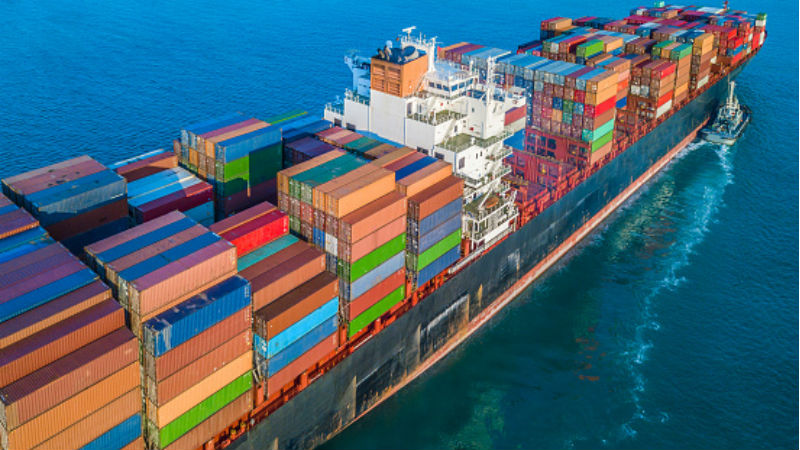
    नेपालको कृषि क्षेत्र अझै पनि विदेशी उत्पादनमा अत्यधिक निर्भर रहेको छ। चालु आर्थिक वर्ष २०८२/८३ को पहिलो तीन महिनाको तथ्यांकले देखाउँछ कि देशले धान, गहुँ, तेलबिउ, तरकारी र फलफूलजस्ता खाद्य वस्तुहरूमा मात्रै १६ अर्ब रुपैयाँभन्दा बढी खर्च गरेको छ। कृषि क्षेत्रलाई आत्मनिर्भर बनाउन सरकारी नीति निरन्तर आएको भए पनि आयातको दबाब झन् बढ्दै गएको छ।

    भन्सार विभागको अनुसार, Chapter 10 (Cereals) अन्तर्गत धान, गहुँ, मकै र चामलजस्ता वस्तु आयातका लागि मात्रै १२ अर्ब ४७ करोड रुपैयाँ बराबरको खर्च भएको छ। यसैगरी, Chapter 12 (Oilseeds and Oleaginous Fruits) अन्तर्गत तेलबिउ तथा बालीजन्य वस्तु आयात ४ अर्ब २८ करोड रुपैयाँ बराबर पुगेको छ।

    तरकारी र फलफूलमा समेत ठूलो रकम खर्च भएको छ। Chapter 07 (Vegetables) अन्तर्गत ८ अर्ब ६४ करोड रुपैयाँ र Chapter 08 (Fruits and Nuts) अन्तर्गत ८ अर्ब ८० करोड रुपैयाँ बराबरको आयात भएको छ। यी चार शीर्षक मात्रले नै नेपालको कुल आयातमा ३४ अर्ब रुपैयाँभन्दा बढीको हिस्सा ओगटेका छन्।

    निर्यातको अवस्थाबारे कुरा गर्दा, यो क्षेत्र अत्यन्त कमजोर देखिन्छ। धान र गहुँ जस्ता अन्नबालीहरूको निर्यात ३१ लाख रुपैयाँ मात्र भएको छ। तेलबिउको निर्यात करिब ४५ करोड रुपैयाँ, तरकारीको ३५ करोड रुपैयाँ, र फलफूलको ८ लाख रुपैयाँ मात्र रहेको छ। यसले स्पष्ट पार्छ कि नेपालले दैनिक उपभोग हुने बस्तुहरूमा समेत विदेशी बजारमा निर्भरता कायम राखिरहेको छ।

    आर्थिक विश्लेषकहरूका अनुसार, यो प्रवृत्ति खाद्य सुरक्षाका लागि गम्भीर चुनौती हो। उत्पादन लागत बढ्नु, श्रमिक विदेश पलायन, आधुनिक खेती प्रविधिको कमी, र पर्याप्त सिंचाइको अभावले गर्दा देशभित्र उत्पादन घट्दै गएको छ। यस्ता कारणहरूले गर्दा नेपालले आयातमा निर्भर रहनु परेको छ, जसले देशको विदेशी मुद्रा सञ्चिति (foreign reserve) मा थप दवाव सिर्जना गरेको छ।

    नेपालले खाद्य वस्तु मुख्यतः भारत र चीनबाट आयात गर्ने गर्दछ। यद्यपि यी आयातहरूले तत्काल आपूर्ति सुनिश्चित गरे पनि, दीर्घकालीन रूपमा व्यापार घाटा बढाउने र मूल्यवृद्धि (inflation) मा असर पार्ने सम्भावना उच्च छ। चालु आर्थिक वर्षको पहिलो त्रैमासिकमै देशको कुल व्यापार घाटा ३ खर्ब ९५ अर्ब रुपैयाँ पुगेको छ, जसमा कृषि वस्तुको ठूलो हिस्सा रहेको छ।

    विशेषज्ञहरूले सुझाव दिएका छन् कि नेपालले यदि आगामी वर्षहरूमा धान, गहुँ, तेलबिउ र तरकारी उत्पादनमा आत्मनिर्भरता हासिल गर्न चाहन्छ भने, सिंचाइ पूर्वाधार, भण्डारण प्रणाली, बीउ सुधार, र कृषकलाई प्रत्यक्ष अनुदानमा लगानी बढाउनैपर्छ। त्यसो नगरे दीर्घकालीन रूपमा देशको खाद्य सुरक्षा र आर्थिक स्थायित्व दुवै संकटमा पर्न सक्छन्।
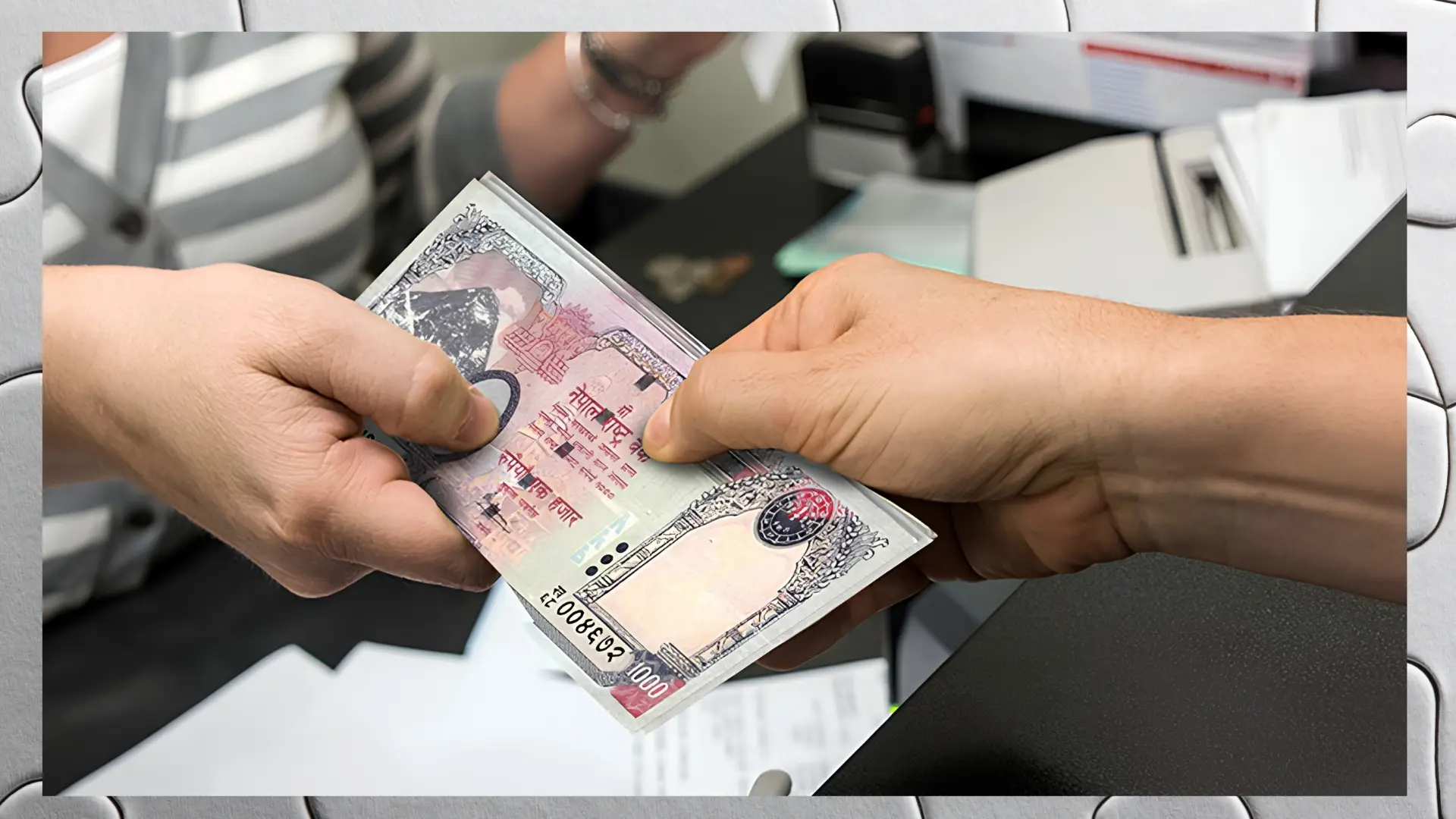
    Nepal’s agriculture sector remains heavily dependent on foreign products despite years of government promises to achieve self-sufficiency. According to the Department of Customs, during the first three months of the current fiscal year 2082/83 (mid-July to mid-October 2025), the country spent over Rs. 16 billion on importing key agricultural and food products such as rice, wheat, oilseeds, vegetables, and fruits.

    Under Chapter 10 (Cereals), Nepal imported Rs. 12.47 billion worth of rice, wheat, maize, and other grains. Similarly, Chapter 12 (Oilseeds and Oleaginous Fruits) shows that oilseeds and related crops worth Rs. 4.28 billion were brought into the country.

    The import of fresh produce is also striking. Nepal imported Rs. 8.64 billion worth of vegetables (Chapter 07) and Rs. 8.80 billion worth of fruits and nuts (Chapter 08). Combined, these four categories alone accounted for over Rs. 34 billion, highlighting the deep-rooted dependency on food imports.

    When it comes to exports, the figures are negligible. Exports of cereals stood at just Rs. 31 million, oilseeds at Rs. 458 million, vegetables at Rs. 353 million, and fruits at a mere Rs. 8 million. This stark contrast between import and export values clearly indicates Nepal’s weak domestic production base and its increasing reliance on imported food for daily consumption.

    Economists say this trend poses a serious challenge to Nepal’s food security. Rising production costs, labor shortages due to foreign migration, inadequate irrigation systems, and limited access to modern farming technologies have weakened the country’s agricultural productivity. As a result, Nepal’s foreign exchange reserves face growing pressure from high import bills.

    Most of Nepal’s food imports come from India and China. While these imports temporarily meet domestic demand, they have a long-term impact on the trade deficit and inflation levels. In the first quarter alone, Nepal’s total trade deficit reached Rs. 395 billion, a significant portion of which came from agricultural imports.

    Experts emphasize that Nepal must urgently work toward self-sufficiency in rice, wheat, oilseeds, and vegetables. They recommend increasing investments in irrigation infrastructure, seed improvement programs, storage facilities, and direct subsidies for farmers. Without these structural reforms, Nepal’s food security and economic stability will remain at risk in the coming years.

    Trending News

    • Trending14 Jun, 2026

      असारमा वाणिज्य बैंकको मुद्दति ब्याजदर थप घट्यो, ७ बैंकले दर घटाए

      Read news
    • Trending14 Jun, 2026

      नेपालकै सबैभन्दा ठूलो सम्पत्ति शुद्धीकरण मुद्दा अदालत पुग्यो, एक खर्ब ६ अर्बभन्दा बढी बिगो दाबी

      Read news
    • Trending14 Jun, 2026

      अमेरिका–इरान शान्ति सम्झौता निर्णायक मोडमा, पाकिस्तानले भन्यो — '२४ घण्टामा हस्ताक्षर सम्भव'

      Read news

    Related News

  • असारमा वाणिज्य बैंकको मुद्दति ब्याजदर थप घट्यो, ७ बैंकले दर घटाए
    Investor

    1 min read

    असारमा वाणिज्य बैंकको मुद्दति ब्याजदर थप घट्यो, ७ बैंकले दर घटाए

    NEPSE TRADING

    ·

    14 Jun, 2026

  • नेपालकै सबैभन्दा ठूलो सम्पत्ति शुद्धीकरण मुद्दा अदालत पुग्यो, एक खर्ब ६ अर्बभन्दा बढी बिगो दाबी
    Investor

    4 min read

    नेपालकै सबैभन्दा ठूलो सम्पत्ति शुद्धीकरण मुद्दा अदालत पुग्यो, एक खर्ब ६ अर्बभन्दा बढी बिगो दाबी

    NEPSE TRADING

    ·

    14 Jun, 2026

  • अमेरिका–इरान शान्ति सम्झौता निर्णायक मोडमा, पाकिस्तानले भन्यो — '२४ घण्टामा हस्ताक्षर सम्भव'
    Top

    1 min read

    अमेरिका–इरान शान्ति सम्झौता निर्णायक मोडमा, पाकिस्तानले भन्यो — '२४ घण्टामा हस्ताक्षर सम्भव'

    NEPSE TRADING

    ·

    14 Jun, 2026

  • शेयर बजारमा जलविद्युत कम्पनी : अनुत्तरित प्रश्नहरूको भारले थिचिएको लगानीकर्ता
    Investor

    5 min read

    शेयर बजारमा जलविद्युत कम्पनी : अनुत्तरित प्रश्नहरूको भारले थिचिएको लगानीकर्ता

    NEPSE TRADING

    ·

    12 Jun, 2026

  • नेपालको पुँजी बजार : तीन दशकको यात्रा, अझै अधुरो सुधार
    Investor

    3 min read

    नेपालको पुँजी बजार : तीन दशकको यात्रा, अझै अधुरो सुधार

    Dipesh Ghimire

    ·

    12 Jun, 2026