बजेटअघि पूर्व अर्थमन्त्रीहरूको ‘कडा सुझाव’, सुधारदेखि खर्च कटौतीसम्मको बहसFormer Finance Ministers Urge Reforms, Spending Discipline Ahead of New Budget
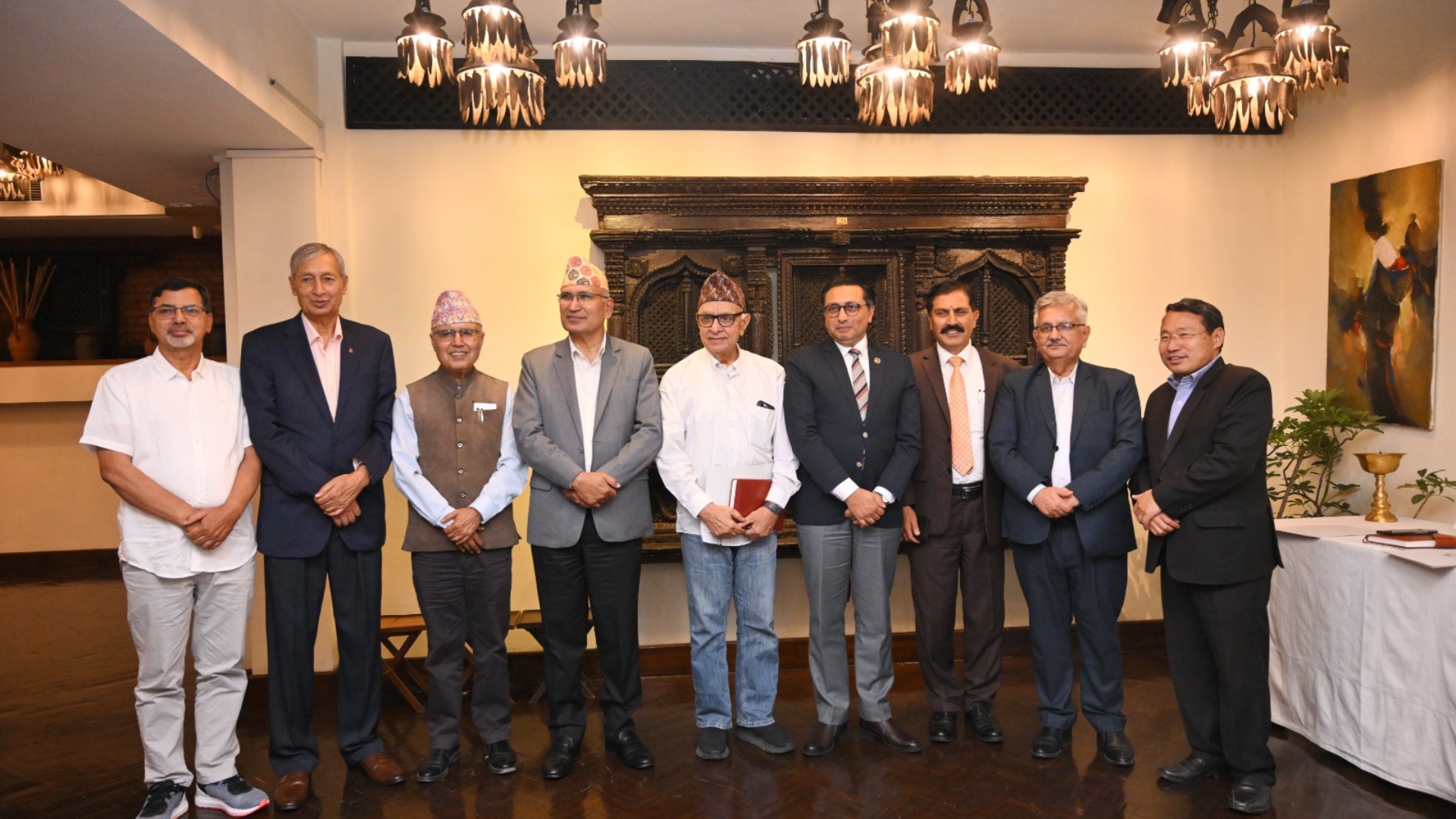
आगामी आर्थिक वर्ष २०८३/८४ को बजेट निर्माण अन्तिम चरणमा पुगेका बेला अर्थमन्त्री डा. स्वर्णिम वाग्ले ले बुधबार विभिन्न पूर्व अर्थमन्त्रीहरूसँग व्यापक छलफल गरेका छन्। काठमाडौंमा आयोजित सुझाव संकलन कार्यक्रममा सहभागी पूर्व अर्थमन्त्रीहरूले अर्थतन्त्रको सुस्त अवस्था, कमजोर निजी लगानी, अनुत्पादक सरकारी खर्च, कृषि संकट र संरचनात्मक सुधारका विषयमा खुला रूपमा धारणा राखेका हुन्।
छलफलमा अर्थमन्त्री डा. वाग्लेले सुशासन, उत्पादन, रोजगारी र निजी क्षेत्रको विश्वासलाई केन्द्रमा राखेर बजेट ल्याउने तयारी भइरहेको बताएका थिए। उनले सुधारमुखी बजेटमार्फत आम नागरिकको जीवनस्तर उकास्ने लक्ष्य सरकारको रहेको उल्लेख गरे।
पूर्व अर्थमन्त्री रामेश्वर खनाल ले उच्चस्तरीय आर्थिक सुधार आयोगको प्रतिवेदन कार्यान्वयन गर्न आग्रह गर्दै तयारी नै नभएका साना–साना आयोजनामा बजेट छर्ने प्रवृत्ति रोक्न सुझाव दिए। उनले विद्युत क्षेत्रमा मूल्य अभिवृद्धि कर नलगाउन पनि सरकारलाई आग्रह गरे।
पूर्व अर्थमन्त्री शंकर कोइराला ले निजी क्षेत्रलाई विद्युत व्यापारमा खुला पहुँच दिनुपर्ने, वनसम्बन्धी कानुनी जटिलता हटाएर आयोजना निर्माण सहज बनाउनुपर्ने र नयाँ उद्योग तथा औद्योगिक क्षेत्र स्थापना गर्नुपर्नेमा जोड दिए। उनले हेजिङ नीति कार्यान्वयनलाई पनि प्राथमिकता दिन सुझाव दिएका छन्।
त्यस्तै, पूर्व अर्थमन्त्री डा. युवराज खतिवडा ले अत्यधिक महत्वाकांक्षी राजश्व लक्ष्य नबनाउन चेतावनी दिएका छन्। उनले १५ प्रतिशतभन्दा बढी राजश्व वृद्धिको लक्ष्य अव्यावहारिक हुने भन्दै बजेटलाई यथार्थपरक बनाउन सुझाव दिए। खतिवडाले संघीय सरकारले उपभोक्ता समितिमार्फत विकास निर्माण गर्ने अभ्यास रोक्नुपर्ने, वित्तीय क्षेत्र सुधार गर्नुपर्ने र निजी क्षेत्रको मनोबल उच्च बनाउने नीति आवश्यक रहेको धारणा राखे।
पूर्व अर्थमन्त्री डा. प्रकाशचन्द्र लोहनी ले सरकार र निजी क्षेत्रबीच सहकार्यको वातावरण निर्माण गर्नुपर्ने बताए। कृषिमा अनुदान, उद्योगलाई प्रोत्साहन तथा भारतीय बजारमा नेपाली कृषि उत्पादनको पहुँच विस्तार गर्न आर्थिक कूटनीति आवश्यक रहेको उनको भनाइ थियो।
सुरेन्द्र पाण्डे ले राष्ट्रिय गौरवका आयोजनाको संख्या घटाएर सीमित परियोजनामा केन्द्रित हुन सुझाव दिए। उनले जग्गा उपयोग नीति स्पष्ट नभएसम्म विकासले गति लिन नसक्ने भन्दै कृषि, उद्योग, आवास र व्यवसायिक प्रयोजनका लागि जमिन वर्गीकरण गर्नुपर्ने धारणा राखे।
पूर्व अर्थमन्त्री डा. प्रकाश शरण महत ले सामाजिक सुरक्षा भत्ता लक्षित वर्गलाई मात्र दिनुपर्ने, सरकारी संरचना घटाउन आँट गर्नुपर्ने तथा नेपाल वायुसेवा निगमलाई निजीकरण मोडलमा लैजानुपर्ने सुझाव दिएका छन्। उनले पाँच अर्बभन्दा माथिका ठेक्कामा सीमित समूहको प्रभाव देखिएको भन्दै ठूला ठेक्का टुक्र्याएर प्रतिस्पर्धा बढाउनुपर्ने बताए।
वर्षमान पुन ले विगतमा पूर्वाधार निर्माण भए पनि त्यसको आर्थिक प्रतिफल कमजोर रहेको स्वीकार गर्दै अब पर्यटन, कृषि बजार र ग्रामीण सडकमा ध्यान दिनुपर्ने बताए। उनले भारतको बढ्दो मध्यम वर्गलाई लक्षित गरेर नेपालमा ‘हिल स्टेशन’ र विवाह पर्यटनको अवधारणा अघि बढाउन सुझाव दिएका छन्।
पूर्व अर्थमन्त्री विष्णुप्रसाद पौडेल ले स्रोत अनुमानभन्दा खर्चको आवश्यकता हेरेर बजेट बनाउने परम्परा अन्त्य गर्नुपर्ने बताए। उनले खानी उत्खनन, ढुंगागिट्टी बिक्री र बुढीगण्डकीजस्ता गेम चेन्जर परियोजनालाई अब नारामा सीमित नराखी कार्यान्वयनमा लैजानुपर्ने धारणा राखे।
त्यस्तै, जनार्दन शर्मा ले बजेटलाई राजनीतिक संकल्प कार्यान्वयनको दस्तावेजका रूपमा व्याख्या गर्दै सरकारी खर्चमा निर्मम कटौती गर्नुपर्ने बताए। उनले निजी क्षेत्रको आत्मविश्वास बढाउने, सीपयुक्त जनशक्ति उत्पादन गर्ने, सीमावर्ती बजारलाई चलायमान बनाउने तथा खानी र कृषि क्षेत्रमा स्वदेशी उत्पादन वृद्धि गर्ने नीति आवश्यक रहेको बताए।
पूर्व अर्थमन्त्रीहरूको सुझाव हेर्दा आगामी बजेटमा खर्च कटौती, संरचनात्मक सुधार, निजी क्षेत्रको विश्वास पुनःस्थापना, कृषि तथा पर्यटनमा लगानी र अनुत्पादक आयोजनामा नियन्त्रणजस्ता विषय मुख्य बहसका रूपमा देखिएका छन्। अहिले सुस्त अर्थतन्त्र, कमजोर निजी लगानी र घट्दो उपभोगको दबाबबीच सरकार कस्तो बजेट ल्याउँछ भन्ने विषयलाई अर्थतन्त्रका सरोकारवालाले निकै चासोका साथ हेरिरहेका छन्।

Finance Minister Dr. Swarnim Wagle has held extensive discussions with former finance ministers while preparing Nepal’s budget for the upcoming fiscal year 2083/84. During a program organized in Kathmandu on Wednesday, former finance ministers shared suggestions focused on economic reforms, fiscal discipline, private sector confidence, agriculture, infrastructure efficiency, and governance improvement.
Addressing the gathering, Finance Minister Dr. Wagle said the government is preparing a reform-oriented budget aimed at improving governance and raising the living standards of ordinary citizens. He stated that the upcoming budget would prioritize production, employment generation, and restoring economic confidence.
Former finance secretary and economic expert Rameshwor Khanal urged the government to implement the recommendations of the High-Level Economic Reform Commission. He also advised the government not to scatter the budget into small, unprepared projects and recommended removing VAT on electricity.
Former Finance Minister Shankar Koirala stressed the need to open electricity trading to the private sector, ease forest-related legal hurdles for infrastructure projects, and establish new industries and industrial zones. He also suggested moving forward with the hedging policy initiated in the past.
Meanwhile, former Finance Minister Dr. Yubaraj Khatiwada warned against setting overly ambitious revenue targets. He argued that expecting revenue growth above 15 percent would be unrealistic and advised the government to prepare a practical and achievable budget. Khatiwada also emphasized financial sector reform, stronger coordination with the central bank, and policies to boost private sector morale.
Former Finance Minister Dr. Prakash Chandra Lohani highlighted the importance of cooperation between the government and private sector. He called for incentives for industries, support for agriculture through subsidies, and stronger economic diplomacy to expand Nepal’s agricultural exports into the Indian market.
Surendra Pandey suggested reducing the number of national pride projects and focusing on only a few priority projects. He also argued that Nepal would not achieve effective development without clear land-use reforms, including proper classification of land for agriculture, industry, housing, and commercial purposes.
Former Finance Minister Dr. Prakash Sharan Mahat called for targeted social security allowances, removal of unnecessary government structures, and restructuring Nepal Airlines through a privatization-based model. He also raised concerns about alleged collusion in large government contracts and suggested breaking mega contracts into smaller competitive packages.
Barshaman Pun acknowledged that Nepal has invested heavily in infrastructure in recent years, but said the economic returns remain weak. He suggested focusing more on tourism infrastructure, agricultural markets, and rural connectivity. Pun also proposed developing hill stations and destination wedding infrastructure to attract India’s growing middle-class tourists.
Former Finance Minister Bishnu Prasad Paudel said Nepal should move away from the traditional practice of estimating spending first and later searching for resources. He encouraged the government to move forward boldly with mining projects, stone and aggregate exports, and large “game changer” projects such as the Budhigandaki hydropower project.
Similarly, Janardan Sharma described the budget as a political commitment document and urged the government to aggressively cut unnecessary spending. He stressed the importance of boosting private sector confidence, investing in mining and agriculture, developing border markets, and producing skill-oriented manpower through the education system.
The discussions reflected growing concern over Nepal’s slowing economy, weak private investment, rising fiscal pressure, and declining public confidence. Most former finance ministers agreed that the upcoming budget should prioritize structural reforms, efficient spending, stronger production sectors, and long-term economic sustainability rather than politically motivated populist programs.