NEPSEtrading

Make smarter moves backed by machine learning. Join thousands of traders leveraging AI to maximize profits.

nepsetrading.com is an online news portal that provides insights into trading and investment by analyzing the stock market and the global economy. We create charts based on the analysis of various indicators. Please do not rely solely on this information for investment decisions. Self-study is crucial. Use this information only as an educational and informational resource.

Marketminds Investment Group Private Limited

DOIB Registration certificate no.: 4680-2081/2082

Director & Editor-in-chief: Dipesh Ghimire · 9802363868, 9851119988

Koteshwor 32, Kathmandu
01-5253221 · +977 9709066745

Contact support

Subscribe to our newsletter

Weekly insights from the NEPSE market in your inbox.

Market

  • Stocks
  • Sectors

Company

  • About Us
  • Our Team
  • Terms of Use
  • Our Policy
  • Training
  • Contact Us

Help

  • Support
  • Report
  • FAQ

© 2026 nepsetrading.com. All rights reserved.
Owned and operated by Marketminds Investment Group Private Limited.

Charts powered by TradingView

  • Home
  • Latest
  • Trending
  • Stock
  • Education
  • International
    1. News
    2. Investor
    3. From Finance Secretary to Finance Minister: The Story of Rameshore Khanal’s Determined Jou...
    अर्थसचिवदेखि अर्थमन्त्रीसम्म : रामेश्वर खनालको दृढ यात्राको कथा
    Investor
    3 min read
    Published on September 15, 2025
    NEPSE TRADING

    अर्थसचिवदेखि अर्थमन्त्रीसम्म : रामेश्वर खनालको दृढ यात्राको कथाFrom Finance Secretary to Finance Minister: The Story of Rameshore Khanal’s Determined Journey

    प्रधानमन्त्री सुशीला कार्कीले संवेदनशील घडीमा मन्त्रिपरिषदलाई पूर्णता दिँदै पूर्वअर्थ सचिव रामेश्वर खनाललाई अर्थमन्त्री नियुक्त गरेकी छन्। देश आर्थिक संकटको गहिरो खाडलमा छ, यस्तो अवस्थामा खनालको अनुभव र दृढताले अर्थतन्त्रलाई नयाँ बाटो देखाउन सक्ने विश्वास गरिएको छ।

    ०१३ साल असार २ गते पाल्पा, तानसेनमा जन्मिएका खनाल बाल्यकालदेखि नै असाधारण विद्यार्थी थिए। १७ दिन बाँकी रहँदा तीन कक्षामा एकैपटक भर्ना भएर प्रथम हुने, विद्यालयदेखि विश्वविद्यालयसम्म निरन्तर अग्रस्थानमा रहने, वैदिक संस्कारअनुसार पूजा–जपमा अनुशासित हुने उनको पहिचान थियो। पढाइसँगै घरायसी काममा समेत सक्रिय हुने बानीले उनलाई अनुशासन र श्रमको संस्कार दियो।

    २०३७ सालमा २३ वर्षको उमेरमा उनले लोक सेवा आयोगमार्फत सहकारी अधिकृतको रूपमा सरकारी सेवा सुरु गरे। नेपालगञ्जमा साझा विकास कार्यालय प्रमुख हुँदा उनले सीमावर्ती वार्तामा प्रमुख जिल्ला अधिकारीसँगै सहभागिता गरे। बजेट अभाव हुँदा साइकलमै अनुगमनमा निस्कने र अनियमितता गर्ने व्यापारीलाई सदरमुकाम ल्याउने उनको शैली चर्चित रह्यो।

    करिब १६ वर्ष सहकारी क्षेत्रमा बिताएपछि उनी महालेखा नियन्त्रक कार्यालय हुँदै ०५९ सालमा अर्थ मन्त्रालय पुगे। त्यही बाटो हुँदै उनी अर्थसचिव बने र अन्ततः आज अर्थमन्त्रीको कुर्सीमा पुगेका छन्।

    खनाल अर्थसचिव हुँदा धेरै घटनाले उनलाई चर्चित बनाए। विद्युत प्राधिकरणमा ८ सय करार कर्मचारीलाई स्थायी गर्न गरिएको दबाबलाई उनले अस्वीकार गरे। मन्त्रीदेखि कार्यकारी निर्देशकसम्म उनको कक्षमा पटक–पटक पुगे तर उनले भने, “प्राधिकरण बन्द भए पनि स्थायी स्वीकृति दिन्न।”

    त्यसैगरी, एक पटक शेयर लगानीकर्ताले कारोबार ठप्प पारे। दबाब दिन उनीहरू अर्थ मन्त्रालय पुगे। तर खनाल अडानमा अडिग रहे—“कारोबार नखोली वार्ता गर्दिनँ।” अन्ततः एक हप्तापछि बजार खुल्यो र लगानीकर्ताले वार्तामा आउन बाध्य भए।

    नेपाल राष्ट्र बैंकमा आन्दोलनरत कामदारलाई समेत उनले चेतावनी दिए—“धर्ना हटेपछि मात्र छलफल हुन्छ।” दुई महिनासम्म धर्ना चले पनि अन्ततः कामदार आफैं आन्दोलन अन्त्य गर्न बाध्य भए। यी घटनाले खनाललाई लोकप्रिय भन्दा पनि विवेकशील र कठोर निर्णयकर्ता बनायो।

    उनको इमानदारी पनि प्रशंसनीय रह्यो। पदमा रहेर व्यक्तिगत फाइदा लिन उनले कहिल्यै खोजेनन्। मातहत कर्मचारीलाई खुलेर चेतावनी दिन्थे—“मेरो नाममा पैसा असुल्ने हो भने सहन्न।” राजनीतिक पहुँच प्रयोग गरेर सरुवा वा बढुवा माग्ने संस्कृतिलाई उनले सधैं अस्वीकार गरे। यसले उनलाई स्वच्छ छविको प्रशासक बनायो।

    खनाल अध्ययनशील व्यक्तित्व पनि हुन्। सार्वजनिक कार्यक्रममा उनले अरु भन्दा छिट्टै समस्या बुझ्ने, पालो नआउँदासम्म मोबाइल वा आइप्याडमार्फत अनुसन्धान गर्ने बानी बसाल्थे। उनलाई प्रायः “ज्ञान दिने पात्र”को रूपमा चिनिन्थ्यो, जसले गर्दा उनी सबैभन्दा बढी विषयगत ज्ञान भएका सचिव बने।

    राजनीतिक जीवनमा उनले नेपाली कांग्रेसमार्फत प्रवेश गरे पनि दलगत स्वार्थसँग सम्झौता नगर्ने सिद्धान्तमा अडिग रहे। विपक्षी दलका उदारवादी नेताको समेत खुलेर प्रशंसा गर्ने उनको स्वभावले उनी “दलको सदस्य भए पनि स्वतन्त्र विवेकमा अडिग सचिव” बने।

    यद्यपि, चाकडी नगर्ने प्रवृत्तिका कारण उनलाई सचिव बन्न ढिलो भयो। उनीभन्दा पछि सेवा प्रवेश गरेका साथीहरु सचिव भएर अवकाश पाए, तर उनी ढिलो मात्र सचिव बने। ढिलाइले उनलाई कमजोर बनाएन, बरु अझ दृढ र प्रभावशाली बनायो।

    आज उनी अर्थमन्त्री बनेका छन्। तर चुनौतीहरु ठूला छन्। बेरोजगारी बढ्दो छ, लगानी पलायन तीव्र छ, उत्पादनमूलक क्षेत्र कमजोर छ, कर संरचना जटिल छ। तर उनको विगतले आशा पनि जगाएको छ—सुधार सम्भव छ। लगानी सहजता, कर प्रणाली सुधार, उद्यमशीलतालाई प्रोत्साहन र रोजगारी सिर्जनातर्फ उनी लाग्ने अपेक्षा गरिएको छ।

    रामेश्वर खनालको कथा केवल व्यक्तिगत जीवनयात्रा होइन, नेपालकै प्रशासनिक संस्कृतिको दर्पण हो। उनका कठोर अडानहरूले देखाएका छन्—प्रणालीगत सुधार सम्भव छ। उनको इमानदारीले सन्देश दिएको छ—सार्वजनिक पद निजी फाइदाको साधन होइन। अध्ययनशीलताले प्रमाणित गरेको छ—ज्ञान र विवेककै आधारमा निर्णय गर्न सकिन्छ।

    अब सबैको नजर एकै प्रश्नमा टक्क अडिएको छ—अर्थमन्त्रीको रूपमा खनालले आफ्नो विगतकै दृढता, इमानदारी र विवेक कायम राख्छन् कि राख्दैनन्? यदि राखे भने, यो मुलुक आर्थिक पुनरुत्थानको नयाँ अध्यायतर्फ अघि बढ्नेछ।
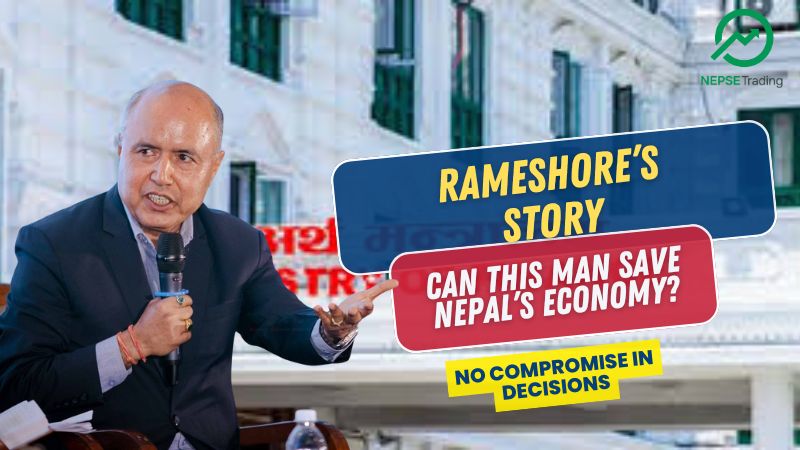
    In one of the most sensitive moments for Nepal’s fragile economy, Prime Minister Sushila Karki appointed former Finance Secretary Rameshore Khanal as the country’s new Finance Minister. With the economy in deep crisis, his appointment has drawn both attention and expectation. Known for his integrity, firm stance, and rational decision-making, Khanal enters the cabinet as one of the most experienced technocrats in public finance.

    Early Life and Education

    Born on June 16, 1956 (Ashar 2, 2013 BS) in Tansen, Palpa, Khanal showed academic brilliance from a young age. He once enrolled in three grades at once, just 17 days before exams, and still came first. Throughout school and university, he consistently ranked among the top students. Raised in a disciplined household, he combined studies with daily chores—feeding and milking buffaloes, cutting grass, and cooking for the family. His early life instilled in him discipline, hard work, and a sense of responsibility.

    Entry into Civil Service

    In 1980 (2037 BS), at just 23, Khanal entered Nepal’s civil service as a cooperative officer through the Public Service Commission. His first posting was in Nepalgunj as head of the District Cooperative Development Office. During his tenure, he even joined border talks with India alongside the Chief District Officer.

    With little budget available, Khanal famously used a bicycle for monitoring visits, personally bringing dishonest traders back to the district headquarters when necessary. He spent almost 16 years in the cooperative sector before moving on to the Office of the Auditor General and, eventually, the Ministry of Finance in 2002 (2059 BS).

    A Tough Secretary

    Khanal’s career as Finance Secretary was marked by firmness and independence.

    • Electricity Authority dispute: When pressured to make 800 contractual employees permanent, Khanal refused. “Even if the Authority shuts down, I will not approve permanency,” he said. The Authority never closed, and his decision is still remembered.

    • Stock market incident: Once, investors halted all trading to pressure the government. When they went to the Finance Ministry, Khanal stood firm—“I won’t negotiate until you reopen trading.” After a week, the investors relented, reopened the market, and only then sat for talks.

    • Nepal Rastra Bank protest: Daily-wage staff at the central bank locked the Governor and Deputy Governor inside the office. As a board member, Khanal refused to hold discussions, insisting, “No talks until the sit-in ends.” After two months, the workers abandoned the protest.

    Such cases reinforced his image as a tough, rational decision-maker, one who prioritized principles over popularity.

    Integrity and Clean Image

    Throughout his career, Khanal never misused public office for personal gain.

    • He warned subordinates: “If anyone uses my name to collect bribes, I won’t tolerate it.”

    • He rejected politically influenced transfers and promotions.

    • To corrupt staff, he once said bluntly: “Because of your habits, I’ll block your career not only in this life but in the next.”

    These practices gave him the reputation of a strict but honest bureaucrat.

    An Intellectual Personality

    Khanal was also known for his intellectual curiosity. In public forums, he often understood new issues faster than others. While waiting for his turn to speak, he would quickly research topics on his mobile or iPad. Colleagues often described him not as someone who needed to “learn” from such events but as someone who came to “teach.”

    Political Connection and Independence

    Khanal once entered politics through the Nepali Congress, but he never compromised his integrity for partisan interests. He openly praised liberal leaders from rival parties and maintained independence in judgment. This gave him a unique identity—a bureaucrat with political ties but unwavering personal principles.

    Delayed Promotion, Stronger Legacy

    Despite excellent performance, Khanal was promoted to Secretary later than many of his peers. Those who joined service after him reached secretary earlier and retired before him. The reason was simple: Khanal refused to curry political favor. This delay, however, only strengthened his reputation as an uncompromising civil servant.

    Challenges as Finance Minister

    Today, as Finance Minister, Khanal faces immense challenges:

    • Rising unemployment.

    • Capital flight and declining investment.

    • Weak production sectors.

    • Complex and burdensome tax structures.

    Yet his past record inspires hope. Many expect him to simplify investment procedures, reform taxation, encourage entrepreneurship, and create jobs for the country’s restless youth.

    Rameshore Khanal’s story is more than a personal biography—it is a mirror of Nepal’s administrative culture.

    • His firm stances show that systemic reform is possible.

    • His integrity proves that public office need not be a source of personal gain.

    • His intellectual approach demonstrates that policy can be rooted in knowledge and reason.

    The key question now is whether he can carry the same firmness and honesty into his new political role as Finance Minister. If he does, Khanal’s tenure may mark not just his personal success but the beginning of Nepal’s economic revival.

    Trending News

    • Trending14 Jun, 2026

      असारमा वाणिज्य बैंकको मुद्दति ब्याजदर थप घट्यो, ७ बैंकले दर घटाए

      Read news
    • Trending14 Jun, 2026

      नेपालकै सबैभन्दा ठूलो सम्पत्ति शुद्धीकरण मुद्दा अदालत पुग्यो, एक खर्ब ६ अर्बभन्दा बढी बिगो दाबी

      Read news
    • Trending14 Jun, 2026

      अमेरिका–इरान शान्ति सम्झौता निर्णायक मोडमा, पाकिस्तानले भन्यो — '२४ घण्टामा हस्ताक्षर सम्भव'

      Read news

    Related News

  • असारमा वाणिज्य बैंकको मुद्दति ब्याजदर थप घट्यो, ७ बैंकले दर घटाए
    Investor

    1 min read

    असारमा वाणिज्य बैंकको मुद्दति ब्याजदर थप घट्यो, ७ बैंकले दर घटाए

    NEPSE TRADING

    ·

    14 Jun, 2026

  • नेपालकै सबैभन्दा ठूलो सम्पत्ति शुद्धीकरण मुद्दा अदालत पुग्यो, एक खर्ब ६ अर्बभन्दा बढी बिगो दाबी
    Investor

    4 min read

    नेपालकै सबैभन्दा ठूलो सम्पत्ति शुद्धीकरण मुद्दा अदालत पुग्यो, एक खर्ब ६ अर्बभन्दा बढी बिगो दाबी

    NEPSE TRADING

    ·

    14 Jun, 2026

  • अमेरिका–इरान शान्ति सम्झौता निर्णायक मोडमा, पाकिस्तानले भन्यो — '२४ घण्टामा हस्ताक्षर सम्भव'
    Top

    1 min read

    अमेरिका–इरान शान्ति सम्झौता निर्णायक मोडमा, पाकिस्तानले भन्यो — '२४ घण्टामा हस्ताक्षर सम्भव'

    NEPSE TRADING

    ·

    14 Jun, 2026

  • शेयर बजारमा जलविद्युत कम्पनी : अनुत्तरित प्रश्नहरूको भारले थिचिएको लगानीकर्ता
    Investor

    5 min read

    शेयर बजारमा जलविद्युत कम्पनी : अनुत्तरित प्रश्नहरूको भारले थिचिएको लगानीकर्ता

    NEPSE TRADING

    ·

    12 Jun, 2026

  • नेपालको पुँजी बजार : तीन दशकको यात्रा, अझै अधुरो सुधार
    Investor

    3 min read

    नेपालको पुँजी बजार : तीन दशकको यात्रा, अझै अधुरो सुधार

    Dipesh Ghimire

    ·

    12 Jun, 2026