NEPSEtrading

Make smarter moves backed by machine learning. Join thousands of traders leveraging AI to maximize profits.

nepsetrading.com is an online news portal that provides insights into trading and investment by analyzing the stock market and the global economy. We create charts based on the analysis of various indicators. Please do not rely solely on this information for investment decisions. Self-study is crucial. Use this information only as an educational and informational resource.

Marketminds Investment Group Private Limited

DOIB Registration certificate no.: 4680-2081/2082

Director & Editor-in-chief: Dipesh Ghimire · 9802363868, 9851119988

Koteshwor 32, Kathmandu
01-5253221 · +977 9709066745

Contact support

Subscribe to our newsletter

Weekly insights from the NEPSE market in your inbox.

Market

  • Stocks
  • Sectors

Company

  • About Us
  • Our Team
  • Terms of Use
  • Our Policy
  • Training
  • Contact Us

Help

  • Support
  • Report
  • FAQ

© 2026 nepsetrading.com. All rights reserved.
Owned and operated by Marketminds Investment Group Private Limited.

Charts powered by TradingView

  • Home
  • Latest
  • Trending
  • Stock
  • Education
  • International
    1. News
    2. Investor
    3. Government Approves Policy to Improve Governance and Performance of Public Enterprises
    सार्वजनिक संस्थानको व्यवस्थापन र सुशासनमा सुधार गर्ने सरकारको नीति स्वीकृत
    Investor
    2 min read
    Published on October 28, 2025
    NEPSE TRADING

    सार्वजनिक संस्थानको व्यवस्थापन र सुशासनमा सुधार गर्ने सरकारको नीति स्वीकृतGovernment Approves Policy to Improve Governance and Performance of Public Enterprises

    सरकारले सार्वजनिक संस्थानहरूको कार्यक्षमता, पारदर्शिता र जवाफदेहितामा सुधार ल्याउने उद्देश्यसहित ‘सार्वजनिक संस्थानको व्यवस्थापन तथा सुशासन नीति, २०८२’ स्वीकृत गरेको छ। मन्त्रिपरिषद्को असोज १२ गते बसेको बैठकले उक्त नीति पारित गरेको हो। नीतिको दीर्घकालीन लक्ष्य सार्वजनिक संस्थानहरूलाई प्रतिस्पर्धी, व्यवसायिक, स्वायत्त र नतिजामुखी बनाउने रहेको छ।

    अर्थ मन्त्रालयका अनुसार, देशमा हाल ४५ वटा सार्वजनिक संस्थान सञ्चालनमा छन्, जसमा २० वटा पूर्ण सरकारी स्वामित्वमा र २५ वटा आंशिक लगानीमा रहेका छन्। तीमध्ये २८ संस्थान नाफामा र १५ घाटामा छन्। आर्थिक वर्ष २०८०/८१ मा सरकारले यी संस्थानहरूमा करिब सात खर्ब रुपैयाँभन्दा बढी लगानी गरेको छ, तर लगानीको प्रतिफल घट्दै २.४ प्रतिशतमा सीमित भएको छ। घाटामा रहेका संस्थानहरूको कुल घाटा तीन अर्ब ६३ करोड रुपैयाँ पुगेको छ।

    नीतिले संस्थानहरूको कमजोर वित्तीय स्थिति व्यवस्थापकीय कमजोरी, राजनीतिक हस्तक्षेप, अप्रभावकारी निर्णय प्रक्रिया, कमजोर आन्तरिक नियन्त्रण र बढी प्रशासनिक खर्चका कारण भएको ठहर गरेको छ। यसलाई सम्बोधन गर्न सरकारले संस्थानहरूको सञ्चालन र नियमनलाई अलग गर्ने, नीति निर्माण गर्ने निकायले सञ्चालनमा प्रत्यक्ष हस्तक्षेप गर्न नपाउने व्यवस्था गर्ने बताइएको छ।

    अबदेखि प्रत्येक संस्थाले वार्षिक र त्रैमासिक प्रतिवेदन सार्वजनिक गर्नुपर्नेछ। प्रमुख कार्यकारी र सञ्चालक समितिबीच कार्यसम्पादन सम्झौता गर्नुपर्नेछ। साथै, प्रशासनिक खर्च कुल खर्चको २० प्रतिशतभन्दा बढी हुन नपाउने र सबै संस्थानहरूले नेपाल वित्तीय प्रतिवेदन मानक अनुसार लेखा विवरण तयार गर्नुपर्ने व्यवस्था गरिएको छ।

    नीतिले सार्वजनिक संस्थानहरूको आन्तरिक नियन्त्रण प्रणाली सुदृढ बनाउने, वित्तीय जोखिम न्यूनीकरण गर्ने र अनुगमन–मूल्याङकन प्रणालीलाई प्रभावकारी बनाउने प्रावधान राखेको छ। साथै, सबै संस्थानहरूमा डिजिटल लेखा प्रणाली अनिवार्य लागू गरिनेछ।

    अर्थ मन्त्रालयका अधिकारीहरूले भनेका छन्, “यो नीति कार्यान्वयनपछि सार्वजनिक संस्थानहरूमा पारदर्शिता र वित्तीय अनुशासन बढ्नेछ। सेवा वितरण प्रभावकारी हुनेछ र सरकारी लगानीबाट प्रतिफल सुधारिनेछ।”

    सरकारले कमजोर प्रदर्शन गर्ने संस्थानहरूको सुधारका लागि विशेष योजना ल्याउने र दीर्घकालीन रूपमा सार्वजनिक संस्थानहरूलाई स्वायत्त, कुशल र आर्थिक रूपमा दिगो बनाउने तयारी गरेको छ। मन्त्रालयका अनुसार, नीति आगामी आर्थिक वर्षदेखि चरणबद्ध रूपमा लागू गरिनेछ।
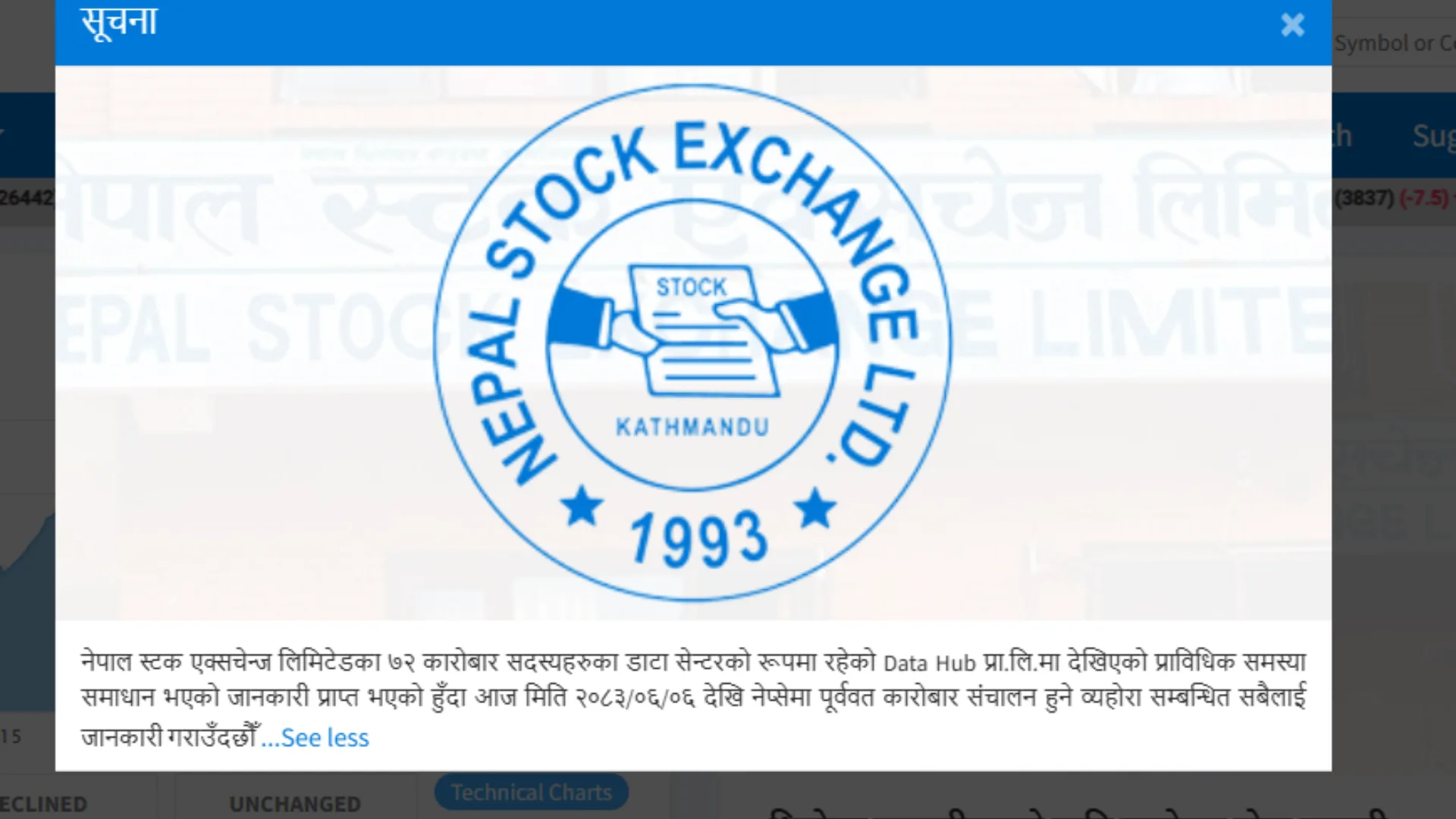

    The Government of Nepal has approved the Public Enterprises Management and Governance Policy, 2082, aimed at enhancing the efficiency, transparency, and accountability of state-owned enterprises. The policy, endorsed by the Cabinet meeting on Asoj 12, envisions transforming public enterprises into competitive, professional, autonomous, and results-oriented institutions in the long run.

    According to the Ministry of Finance, there are currently 45 public enterprises operating in Nepal — 20 fully government-owned and 25 with partial government investment. Of these, 28 are in profit while 15 are incurring losses. In FY 2080/81, the government invested a total of Rs 703.93 billion in these enterprises — including Rs 364.86 billion in equity and Rs 339.07 billion as loans. However, the return on investment (ROI) has declined from 3.8% in FY 2079/80 to just 2.4% in the current fiscal year. Loss-making enterprises collectively recorded a deficit of Rs 3.63 billion, while the profits of profitable institutions dropped by 11.5% year-on-year.

    The policy identifies management inefficiency, political interference, weak internal control, excessive administrative costs, and low competitiveness as the main reasons behind the poor financial performance of public enterprises. To address these issues, the government plans to separate regulatory and operational functions, ensuring that policymaking bodies do not directly interfere in operations.

    Under the new policy, all public enterprises must publish annual and quarterly reports, and performance agreements will be signed between executive heads and boards of directors. Administrative expenses will be capped at 20% of total expenditure, and all institutions must prepare financial statements in line with the Nepal Financial Reporting Standards (NFRS).

    The policy also mandates stronger internal control systems, risk management mechanisms, and regular monitoring and evaluation frameworks. Moreover, all public enterprises will be required to implement a digital accounting system, with audit and internal audit reports to be made publicly available.

    Officials at the Ministry of Finance stated that the policy’s implementation is expected to enhance transparency, financial discipline, and accountability in public enterprises. “Once implemented, service delivery will become more effective and returns on government investments will improve,” said one official.

    The government also plans to develop a performance evaluation system and introduce special reform programs for underperforming enterprises. The overarching goal is to make Nepal’s public enterprises autonomous, efficient, and financially sustainable in the long term. The Ministry confirmed that a detailed action plan has already been drafted and the policy will be implemented gradually from the next fiscal year.

    Trending News

    • Trending14 Jun, 2026

      असारमा वाणिज्य बैंकको मुद्दति ब्याजदर थप घट्यो, ७ बैंकले दर घटाए

      Read news
    • Trending14 Jun, 2026

      नेपालकै सबैभन्दा ठूलो सम्पत्ति शुद्धीकरण मुद्दा अदालत पुग्यो, एक खर्ब ६ अर्बभन्दा बढी बिगो दाबी

      Read news
    • Trending14 Jun, 2026

      अमेरिका–इरान शान्ति सम्झौता निर्णायक मोडमा, पाकिस्तानले भन्यो — '२४ घण्टामा हस्ताक्षर सम्भव'

      Read news

    Related News

  • असारमा वाणिज्य बैंकको मुद्दति ब्याजदर थप घट्यो, ७ बैंकले दर घटाए
    Investor

    1 min read

    असारमा वाणिज्य बैंकको मुद्दति ब्याजदर थप घट्यो, ७ बैंकले दर घटाए

    NEPSE TRADING

    ·

    14 Jun, 2026

  • नेपालकै सबैभन्दा ठूलो सम्पत्ति शुद्धीकरण मुद्दा अदालत पुग्यो, एक खर्ब ६ अर्बभन्दा बढी बिगो दाबी
    Investor

    4 min read

    नेपालकै सबैभन्दा ठूलो सम्पत्ति शुद्धीकरण मुद्दा अदालत पुग्यो, एक खर्ब ६ अर्बभन्दा बढी बिगो दाबी

    NEPSE TRADING

    ·

    14 Jun, 2026

  • अमेरिका–इरान शान्ति सम्झौता निर्णायक मोडमा, पाकिस्तानले भन्यो — '२४ घण्टामा हस्ताक्षर सम्भव'
    Top

    1 min read

    अमेरिका–इरान शान्ति सम्झौता निर्णायक मोडमा, पाकिस्तानले भन्यो — '२४ घण्टामा हस्ताक्षर सम्भव'

    NEPSE TRADING

    ·

    14 Jun, 2026

  • शेयर बजारमा जलविद्युत कम्पनी : अनुत्तरित प्रश्नहरूको भारले थिचिएको लगानीकर्ता
    Investor

    5 min read

    शेयर बजारमा जलविद्युत कम्पनी : अनुत्तरित प्रश्नहरूको भारले थिचिएको लगानीकर्ता

    NEPSE TRADING

    ·

    12 Jun, 2026

  • नेपालको पुँजी बजार : तीन दशकको यात्रा, अझै अधुरो सुधार
    Investor

    3 min read

    नेपालको पुँजी बजार : तीन दशकको यात्रा, अझै अधुरो सुधार

    Dipesh Ghimire

    ·

    12 Jun, 2026