NEPSEtrading

Make smarter moves backed by machine learning. Join thousands of traders leveraging AI to maximize profits.

nepsetrading.com is an online news portal that provides insights into trading and investment by analyzing the stock market and the global economy. We create charts based on the analysis of various indicators. Please do not rely solely on this information for investment decisions. Self-study is crucial. Use this information only as an educational and informational resource.

Marketminds Investment Group Private Limited

DOIB Registration certificate no.: 4680-2081/2082

Director & Editor-in-chief: Dipesh Ghimire · 9802363868, 9851119988

Koteshwor 32, Kathmandu
01-5253221 · +977 9709066745

Contact support

Subscribe to our newsletter

Weekly insights from the NEPSE market in your inbox.

Market

  • Stocks
  • Sectors

Company

  • About Us
  • Our Team
  • Terms of Use
  • Our Policy
  • Training
  • Contact Us

Help

  • Support
  • Report
  • FAQ

© 2026 nepsetrading.com. All rights reserved.
Owned and operated by Marketminds Investment Group Private Limited.

Charts powered by TradingView

  • Home
  • Latest
  • Trending
  • Stock
  • Education
  • International
    1. News
    2. Investor
    3. Government Identifies 13 Key Challenges in Energy Sector, Targets Export-Led Growth
    ऊर्जा क्षेत्रमा १३ चुनौती औंल्याउँदै सरकारको नयाँ रणनीति, निर्यातमार्फत अर्थतन्त्र सुदृढ गर्ने लक्ष्य
    Investor
    3 min read
    Published on April 26, 2026
    NEPSE TRADING

    ऊर्जा क्षेत्रमा १३ चुनौती औंल्याउँदै सरकारको नयाँ रणनीति, निर्यातमार्फत अर्थतन्त्र सुदृढ गर्ने लक्ष्यGovernment Identifies 13 Key Challenges in Energy Sector, Targets Export-Led Growth

    काठमाडौं — सरकारले मुलुकको ऊर्जा क्षेत्र अझै पनि संरचनागत चुनौतीहरूले घेरिएको निष्कर्ष निकाल्दै त्यसको समाधानका लागि व्यापक सुधार र लगानी विविधीकरण आवश्यक रहेको जनाएको छ। ‘ऊर्जा खपत वृद्धि तथा निर्यात रणनीति, २०८३’ सार्वजनिक गर्दै सरकारले ऊर्जा क्षेत्रमा देखिएका प्रमुख १३ चुनौती पहिचान गरेको हो। यससँगै दीर्घकालीन रूपमा विद्युत् खपत बढाउने र निर्यातमार्फत अर्थतन्त्र सुदृढ गर्ने लक्ष्यसमेत अघि सारिएको छ।

    रणनीतिमा वितरण प्रणालीको क्षमता तथा गुणस्तर कमजोर हुनु प्रमुख समस्याका रूपमा उल्लेख गरिएको छ। विशेषगरी औद्योगिक क्षेत्रमा स्थिर र भरपर्दो विद्युत् आपूर्तिको अभावले उत्पादन लागत र प्रतिस्पर्धात्मकतामा असर पारेको सरकारको निष्कर्ष छ। त्यस्तै, घरायसी र व्यावसायिक क्षेत्रमा उच्च खपत गर्ने विद्युतीय उपकरणको प्रयोग विस्तार गर्नु, कृषि तथा सिँचाइमा विद्युत् उपयोग बढाउनु र विद्युतीय सवारीका लागि आवश्यक चार्जिङ पूर्वाधार अभाव हुनु पनि चुनौतीकै रूपमा प्रस्तुत गरिएको छ।

    ऊर्जा खपतसँग सम्बन्धित उद्योगहरूको विकास अपेक्षाअनुसार हुन नसक्नु पनि अर्को प्रमुख कमजोरीका रूपमा देखिएको छ। डाटा सेन्टर, हरित हाइड्रोजन, रासायनिक मल उद्योग तथा आधुनिक इँटाभट्टाजस्ता ऊर्जा सघन उद्योगहरू न्यून विकास हुनुका कारण उत्पादन भएको विद्युत् आन्तरिक रूपमा खपत गर्न कठिन भइरहेको सरकारको विश्लेषण छ। यसैसँगै, आन्तरिक माग पूरा भएपछि बाँकी विद्युत् निर्यात गर्न आवश्यक प्रसारण लाइन र संरचनाको पर्याप्त विकास हुन नसक्नु पनि चुनौतीकै रूपमा औंल्याइएको छ।

    छिमेकी मुलुकहरूसँगको ऊर्जा व्यापारसम्बन्धी नीति र प्रक्रियामा समन्वयको अभावले पनि बजार विस्तारमा बाधा पुर्‍याइरहेको सरकारको निष्कर्ष छ। निजी क्षेत्रलाई विद्युत् व्यापारमा सहभागी गराउने स्पष्ट कानुनी संरचना नहुनु, उत्पादन लागत उच्च हुनु र अन्तरदेशीय प्रतिस्पर्धामा कमजोर देखिनु पनि चुनौतीका रूपमा चिनिएको छ। साथै, राष्ट्रिय ग्रिड प्रणालीलाई छिमेकी देशहरूको स्तरमा विस्तार गर्न नसक्दा ऊर्जा व्यापारको सम्भावना पूर्ण रूपमा उपयोग हुन सकेको छैन।

    यद्यपि, सरकारका अनुसार यी चुनौतीसँगै ऊर्जा क्षेत्रभित्र ठूलो सम्भावना पनि रहेको छ। जलविद्युत्लाई निर्यातयोग्य वस्तुका रूपमा विकास गर्न सके व्यापार घाटा घटाउन महत्वपूर्ण योगदान पुग्ने अपेक्षा गरिएको छ। यातायात, उद्योग र घरायसी क्षेत्रमा विद्युत् विस्तार गरेर आन्तरिक खपत बढाउने आधार पनि बलियो बन्दै गएको उल्लेख गरिएको छ। स्वदेशमै उत्पादित स्वच्छ ऊर्जाको प्रयोगमार्फत दीर्घकालीन ऊर्जा सुरक्षा सुनिश्चित गर्न सकिने विश्वास सरकारको छ।

    रणनीतिले नेपाल र भारतबीच भएको दीर्घकालीन ऊर्जा व्यापार सम्झौतालाई अवसरका रूपमा लिएको छ, जसअनुसार आगामी १० वर्षमा १० हजार मेगावाट विद्युत् निर्यात गर्ने लक्ष्य राखिएको छ। त्यस्तै, बर्खायाममा नेपालमा बढी उत्पादन हुने विद्युत् छिमेकी देशहरूमा उच्च माग हुने समयसँग मेल खाने भएकाले राम्रो मूल्य प्राप्त गर्न सकिने सम्भावना पनि औंल्याइएको छ। कार्बन उत्सर्जन घटाउने लक्ष्य लिएका देशहरूका लागि नेपालको जलविद्युत् हरित ऊर्जाको रूपमा आकर्षक विकल्प बन्न सक्ने उल्लेख गरिएको छ।

    सरकारले सन् २०३५ सम्म प्रतिव्यक्ति विद्युत् खपत १,५०० युनिट पुर्‍याउने र कुल जडित क्षमता २८,५०० मेगावाट बनाउने लक्ष्य तय गरेको छ। यसमध्ये १३,५०० मेगावाट आन्तरिक खपतका लागि र १५,००० मेगावाट निर्यात गर्ने योजना रहेको छ। रणनीति कार्यान्वयनपछि व्यापार घाटा घट्ने, राजस्व बढ्ने र समग्र अर्थतन्त्रमा ऊर्जा क्षेत्रको योगदान उल्लेख्य रूपमा विस्तार हुने अपेक्षा गरिएको छ।

    रणनीति सफलतापूर्वक कार्यान्वयन भएमा देशभर भरपर्दो विद्युत् पहुँच सुनिश्चित हुनुका साथै वातावरणीय प्रदूषणमा कमी आउने र दिगो विकास लक्ष्य प्राप्तिमा समेत टेवा पुग्ने सरकारको विश्वास छ। ऊर्जा क्षेत्रलाई उत्पादनमात्र नभई आर्थिक रूपान्तरणको आधारका रूपमा विकास गर्ने दिशामा यो रणनीति महत्वपूर्ण कदमका रूपमा हेरिएको छ।
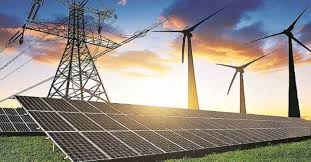
    Kathmandu — The government has concluded that Nepal’s energy sector remains constrained by multiple structural challenges and has emphasized the need for policy reforms, diversified investment, and stronger implementation strategies. Unveiling the Energy Consumption Growth and Export Strategy 2083, authorities have outlined 13 major challenges while simultaneously setting ambitious targets to boost domestic electricity consumption and expand exports in the coming years.

    One of the primary concerns highlighted in the strategy is the weak capacity and quality of the electricity distribution system. The lack of reliable and high-quality power supply, particularly in the industrial sector, has been identified as a critical bottleneck affecting productivity and competitiveness. In addition, the government has pointed out the need to increase the use of electricity-intensive appliances in households and businesses, expand electrification in agriculture and irrigation, and address the shortage of infrastructure for electric vehicle charging.

    The strategy also notes the underdevelopment of energy-intensive industries such as data centers, green hydrogen, chemical fertilizer plants, and modern brick kilns. This gap has limited the country’s ability to utilize its growing electricity production efficiently. Furthermore, inadequate development of domestic and cross-border transmission lines has emerged as a major hurdle in exporting surplus electricity after meeting internal demand.

    Policy and regulatory mismatches with neighboring countries have also been cited as a significant challenge. The absence of a clear legal framework to facilitate private sector participation in electricity trade, coupled with the relatively high cost of electricity production in Nepal, has reduced competitiveness in regional markets. Additionally, the government has acknowledged the need to upgrade Nepal’s national grid system to align with neighboring countries and to develop a competitive electricity market integrated with regional systems.

    Despite these challenges, the government sees strong opportunities within the energy sector. Hydropower, in particular, is viewed as a potential export commodity capable of reducing Nepal’s long-standing trade deficit. Expanding electricity use across transportation, industry, and households is expected to significantly boost domestic consumption. The strategy also emphasizes the role of clean, domestically produced electricity in ensuring long-term energy security.

    The government has also identified regional cooperation as a key opportunity. Under the long-term electricity trade agreement between Nepal and India, a clear pathway has been established to export 10,000 megawatts of electricity within the next decade. Seasonal demand patterns also favor Nepal, as peak electricity production during the monsoon coincides with higher demand in neighboring countries, offering the potential for better pricing.

    In the context of global climate goals, Nepal’s hydropower is positioned as an attractive green energy source for countries aiming to achieve carbon neutrality. The strategy further highlights opportunities to reduce dependence on fossil fuels, strengthen foreign exchange reserves, and improve the balance of payments. It also underscores the potential to build an energy-driven economy through the development of industries such as data centers, green hydrogen, and chemical manufacturing, along with access to climate finance and carbon markets.

    Looking ahead, the government has set a target to increase per capita electricity consumption to 1,500 units and expand total installed capacity to 28,500 megawatts by 2035. Of this, 13,500 megawatts will be allocated for domestic use, while 15,000 megawatts are planned for export. Successful implementation of the strategy is expected to significantly boost export revenues, reduce the trade deficit, and enhance the overall contribution of the energy sector to the national economy.

    If effectively executed, the strategy is also expected to ensure reliable electricity access for the entire population, improve market management of surplus energy, and contribute to environmental sustainability. Overall, the plan marks a crucial step toward transforming Nepal’s energy sector from a supply-focused system into a key driver of economic growth and long-term stability.

    Trending News

    • Trending14 Jun, 2026

      असारमा वाणिज्य बैंकको मुद्दति ब्याजदर थप घट्यो, ७ बैंकले दर घटाए

      Read news
    • Trending14 Jun, 2026

      नेपालकै सबैभन्दा ठूलो सम्पत्ति शुद्धीकरण मुद्दा अदालत पुग्यो, एक खर्ब ६ अर्बभन्दा बढी बिगो दाबी

      Read news
    • Trending14 Jun, 2026

      अमेरिका–इरान शान्ति सम्झौता निर्णायक मोडमा, पाकिस्तानले भन्यो — '२४ घण्टामा हस्ताक्षर सम्भव'

      Read news

    Related News

  • असारमा वाणिज्य बैंकको मुद्दति ब्याजदर थप घट्यो, ७ बैंकले दर घटाए
    Investor

    1 min read

    असारमा वाणिज्य बैंकको मुद्दति ब्याजदर थप घट्यो, ७ बैंकले दर घटाए

    NEPSE TRADING

    ·

    14 Jun, 2026

  • नेपालकै सबैभन्दा ठूलो सम्पत्ति शुद्धीकरण मुद्दा अदालत पुग्यो, एक खर्ब ६ अर्बभन्दा बढी बिगो दाबी
    Investor

    4 min read

    नेपालकै सबैभन्दा ठूलो सम्पत्ति शुद्धीकरण मुद्दा अदालत पुग्यो, एक खर्ब ६ अर्बभन्दा बढी बिगो दाबी

    NEPSE TRADING

    ·

    14 Jun, 2026

  • अमेरिका–इरान शान्ति सम्झौता निर्णायक मोडमा, पाकिस्तानले भन्यो — '२४ घण्टामा हस्ताक्षर सम्भव'
    Top

    1 min read

    अमेरिका–इरान शान्ति सम्झौता निर्णायक मोडमा, पाकिस्तानले भन्यो — '२४ घण्टामा हस्ताक्षर सम्भव'

    NEPSE TRADING

    ·

    14 Jun, 2026

  • शेयर बजारमा जलविद्युत कम्पनी : अनुत्तरित प्रश्नहरूको भारले थिचिएको लगानीकर्ता
    Investor

    5 min read

    शेयर बजारमा जलविद्युत कम्पनी : अनुत्तरित प्रश्नहरूको भारले थिचिएको लगानीकर्ता

    NEPSE TRADING

    ·

    12 Jun, 2026

  • नेपालको पुँजी बजार : तीन दशकको यात्रा, अझै अधुरो सुधार
    Investor

    3 min read

    नेपालको पुँजी बजार : तीन दशकको यात्रा, अझै अधुरो सुधार

    Dipesh Ghimire

    ·

    12 Jun, 2026