प्रधानमन्त्री वालेन्द्र शाहले पुँजी बजारलाई देशको आर्थिक विकास र रोजगारी सिर्जनाको प्रमुख माध्यमका रूपमा विकास गर्ने सरकारको स्पष्ट प्राथमिकता सार्वजनिक गरेका छन्।
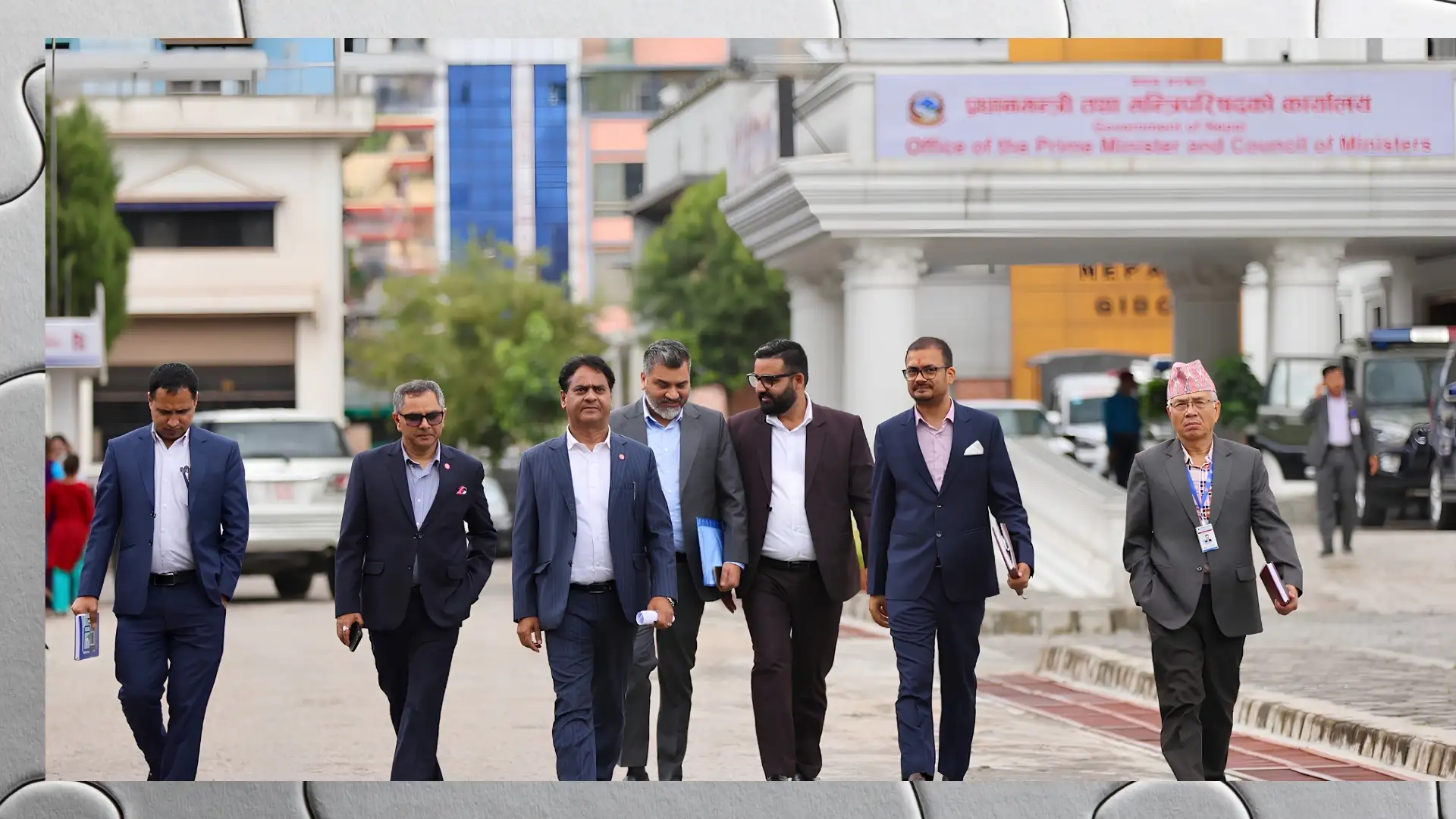
सोमबार प्रधानमन्त्री कार्यालयमा पुँजी बजारका सरोकारवाला तथा नियामक निकायसँग भएको बैठकमा उनले बजारलाई व्यावसायिक, पारदर्शी र मर्यादित बनाउनुपर्ने आवश्यकतामा जोड दिए। राम्रो काम गर्नेलाई प्रोत्साहन र गल्ती गर्नेप्रति शून्य सहनशीलताको नीति अपनाइने उनले स्पष्ट पारे।
बैठकमा सरोकारवालाहरूले बजारको दिगो विकासका लागि कानुनी तथा नीतिगत सुधारको माग राखे। आईपीओ प्रणालीमा सुधार, दैनिक कारोबार ३० अर्ब रुपैयाँभन्दा माथि पुर्याउने वातावरण निर्माण र मार्जिन कर्जा प्रवाह सहज बनाउन राष्ट्र बैंकले कदम चाल्नुपर्ने उनीहरूको आग्रह थियो।
यसका साथै व्यक्तिगत कारोबारको नोक्सानीमा कर समायोजन, कर्मचारी सञ्चय कोषलगायत ठूला संस्थागत लगानीकर्तालाई दोस्रो बजारमा सक्रिय गराउने र गैरआवासीय नेपाली (एनआरएन) लाई लगानीको अवसर दिने विषयमा पनि सुझाव आए।
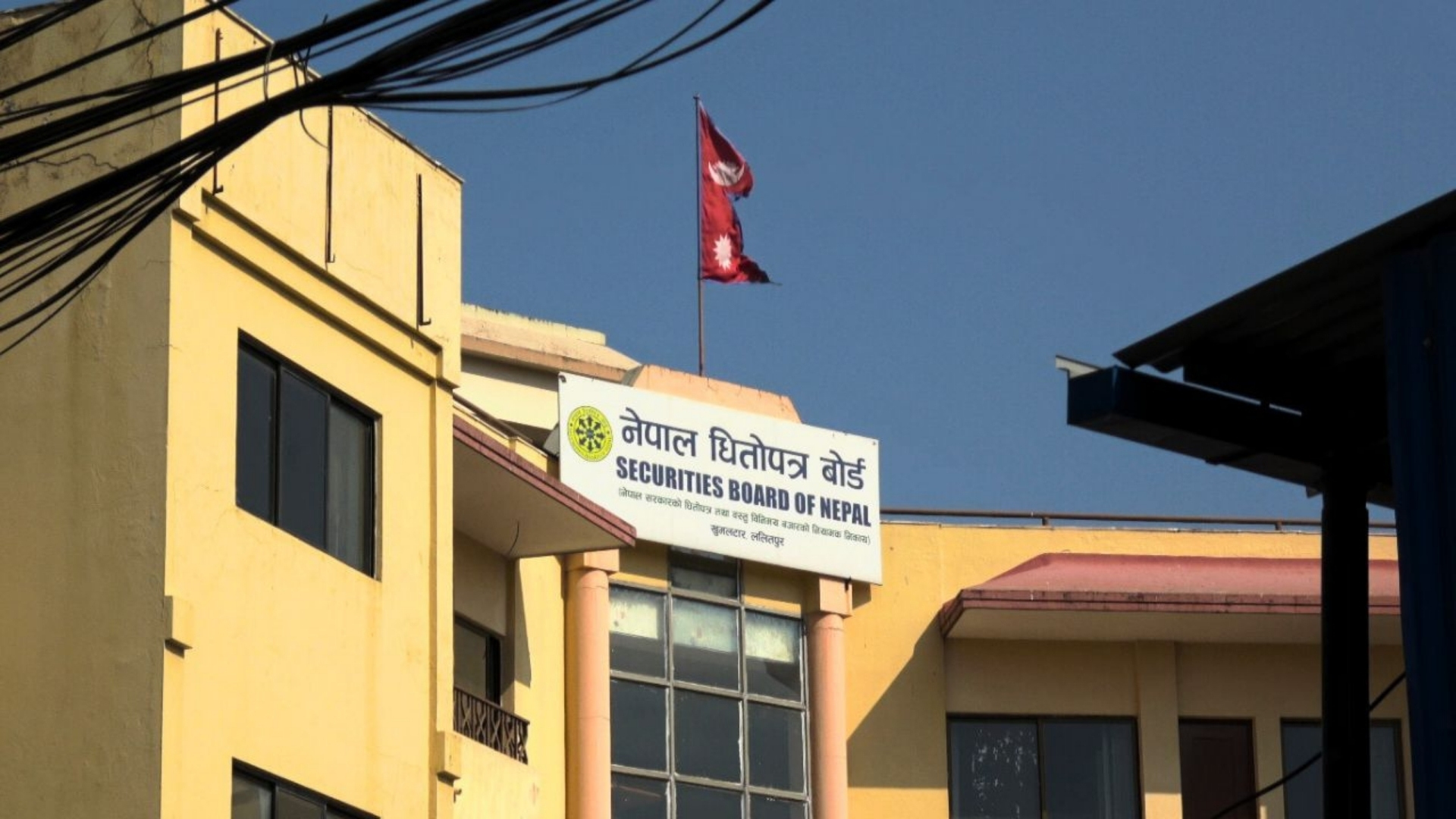
धितोपत्र बोर्ड (सेबोन) का अध्यक्ष गोपाल भट्टले आर्थिक वर्ष २०८३/८४ को पुँजी बजार नीति र 'मार्गचित्र २०८३' कार्यान्वयनमा आइसकेको र कार्यक्रमहरू चरणबद्ध रूपमा अघि बढिरहेको जानकारी दिए। नेप्सेका अध्यक्ष अमृत लम्सालले पनि पुनर्संरचनाको मोडालिटी तय गरी कारोबारलाई थप व्यवस्थित बनाइने प्रतिबद्धता व्यक्त गरे।
Prime Minister Walendra Shah on Monday reaffirmed the government's commitment to prioritizing Nepal's capital market as a key driver of economic development, entrepreneurship, and job creation.
Speaking at a discussion held at the Office of the Prime Minister and Council of Ministers with capital market stakeholders and regulatory bodies, Shah stressed the need to make the market professional, transparent, and disciplined. He made clear that the government would always encourage those performing well, while maintaining a zero-tolerance policy toward wrongdoers.
Stakeholders at the meeting called for legal, policy, institutional, and systemic reforms to ensure sustainable market growth. Among their key demands were improvements to the IPO system, development of a fair price discovery mechanism through demand-supply balance in the secondary market, and creating conditions to push daily trading volume above Rs 30 billion.
Participants also urged Nepal Rastra Bank to ease margin lending through banks and financial institutions, remove the six-month lock-in period on securities investments, and revise the share collateral loan limit to five percent of total loans rather than primary capital.
Further demands included tax adjustment provisions for individual trading losses, activating large institutional investors such as the Employees Provident Fund and Citizen Investment Trust in the secondary market, and opening doors for Non-Resident Nepalis (NRNs) to invest in Nepal's capital market.
SEBON Chairman Gopal Bhatt informed that the capital market policy for fiscal year 2083/84 and the "Nepal Capital Market Roadmap 2083" had already been implemented and that programs were being rolled out in phases. NEPSE Chairman Amrit Lamsal pledged to finalize an appropriate restructuring modality and develop systems aligned with SEBON's policies to make trading more effective and organized.