काठमाडौं । सरकारले डिजेल तथा पेट्रोलबाट सञ्चालन हुने आईस भेहिकललाई विद्युतीय सवारी (ईभी) मा रूपान्तरण गर्न आवश्यक कार्यविधि निर्माण प्रक्रिया अघि बढाएको छ । चैत २२ गते बसेको मन्त्रिपरिषद् बैठकले आईस भेहिकललाई ईभीमा कन्भर्जन गर्न कानुनी व्यवस्था मिलाउने निर्णय गरेसँगै यातायात व्यवस्था विभागले मापदण्ड तथा प्रक्रिया तयार गर्न अध्ययन सुरु गरेको हो। विभागका अनुसार कन्भर्जनका लागि आवश्यक प्राविधिक मापदण्ड, वर्कशप तथा प्लान्ट सञ्चालनको व्यवस्था, खर्च र सुरक्षा सम्बन्धी विषय समेटेर कार्यविधिको प्रारम्भिक ड्राफ्ट तयार गरिएको छ। अध्ययन समितिमा यातायात व्यवस्था विभाग, भौतिक पूर्वाधार तथा यातायात मन्त्रालय र अटो व्यवसायीहरूको सहभागिता रहेको छ। हाल प्रारम्भिक ड्राफ्टमाथि छलफल भइरहेको र समितिबाट स्वीकृत भएपछि मन्त्रालयमा पेश गरिने बताइएको छ। सरकारले सन् २०३५ सम्म नेपालका ९५ प्रतिशत सवारीसाधन विद्युतीय बनाउने लक्ष्य राखेको छ, जसलाई सहयोग पुर्याउन कन्भर्जन नीति ल्याउन लागिएको हो। यद्यपि, कन्भर्जनको लागत महँगो हुन सक्ने भन्दै केही व्यवसायीहरूले नयाँ ईभी खरिद गर्नु उपयुक्त हुने तर्क गरिरहेका छन् भने कन्भर्जन प्लान्ट सञ्चालनको तयारीमा रहेका व्यवसायीहरू सरकारको निर्णयप्रति उत्साहित देखिएका छन् ।
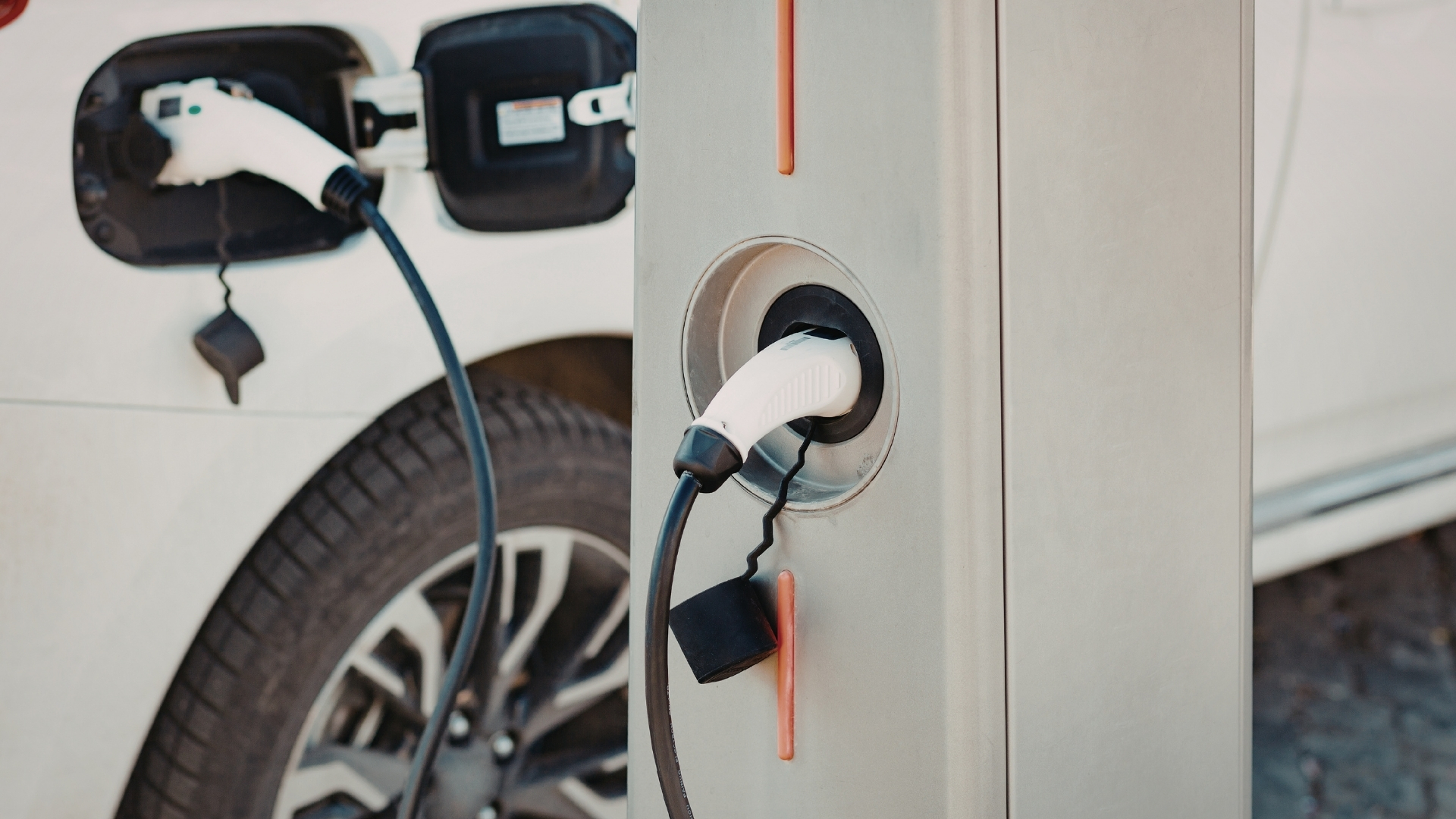
आईस गाडीलाई ईभीमा रूपान्तरण गर्न सरकारद्वारा कार्यविधि तयारीGovernment Preparing Guidelines to Convert ICE Vehicles into EVs
Kathmandu: The government has started drafting procedures to convert ICE vehicles (diesel and petrol-powered vehicles) into electric vehicles (EVs). Following the Cabinet meeting held on Chaitra 22, which decided to create legal provisions for vehicle conversion, the Department of Transport Management has begun preparing the necessary guidelines and standards. According to officials, the proposed procedure will include technical standards for conversion, requirements for conversion plants and workshops, safety measures, and estimated costs. A study committee comprising officials from the Department of Transport Management, the Ministry of Physical Infrastructure and Transport, and automobile entrepreneurs has already prepared an initial draft, which is currently under discussion. Once finalized, the draft will be submitted to the ministry and later published for public feedback. The issue of vehicle conversion had been discussed for years, but no concrete action was taken previously. The government now aims to make 95 percent of vehicles on Nepal’s roads electric by 2035, and the conversion policy is expected to support that target. However, some business operators argue that conversion costs could be too expensive, making it more practical to purchase new EVs instead. Meanwhile, entrepreneurs preparing to operate conversion plants and workshops have welcomed the government’s decision positively.