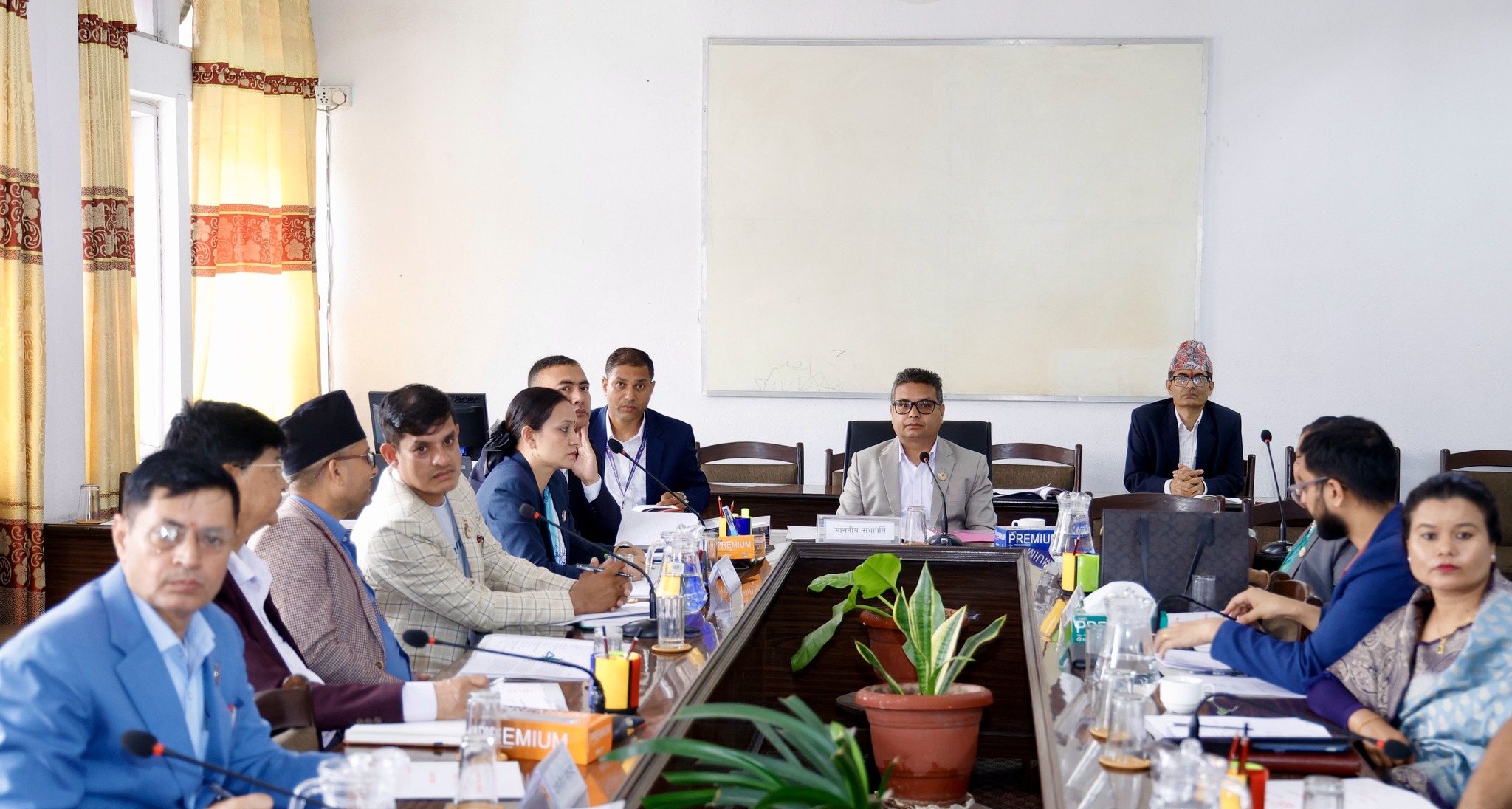
काठमाडौँ । प्रतिनिधिसभा अन्तर्गतको अर्थ समितिको बैठकमा आगामी कामकारबाही, बजेट विनियोजन प्रक्रिया तथा अर्थतन्त्रसँग सम्बन्धित विषयमा व्यापक छलफल भएको छ। सोमबार सिंहदरबारस्थित समितिको सभाकक्षमा बसेको बैठकमा सदस्यहरूले नीतिगत कमजोरी, राजस्व व्यवस्थापन र पारदर्शिताका विषयमा सरकारको ध्यानाकर्षण गराएका छन्।
बैठकमा समिति सदस्य जगदीश खरेलले आयातित वस्तुको भन्सार मूल्य निर्धारण प्रणाली व्यवहारिक नभएको भन्दै यसले अवैध आर्थिक गतिविधिलाई बढावा दिएको धारणा राखे। सरकारले तोकेको मूल्यभन्दा बढी रकम तिरेर सामान आयात गर्नुपर्ने बाध्यता व्यवसायीहरूमा रहेको उल्लेख गर्दै उनले त्यसको अन्तर रकम हुण्डीमार्फत विदेश पठाउने प्रवृत्ति बढिरहेको बताए। कानुनी रूपमा कम रकम देखाएर वास्तविक मूल्य लुकाउने अवस्था रहँदासम्म हुण्डी नियन्त्रण गर्न कठिन हुने उनको भनाइ थियो। यसले व्यवसायी र सरकार दुवैलाई घाटा पुर्याइरहेको उनले संकेत गरे।
त्यस्तै, समिति सदस्य पुष्पराज कंडेलले बजेट विनियोजन प्रक्रियामा पहुँच र प्रभावका आधारमा असमानता हुने गरेको टिप्पणी गरे। उनले विगतमा राजनीतिक दलहरू असफल हुनुको मुख्य कारण यही प्रवृत्ति भएको उल्लेख गर्दै स्रोत र साधन नजिक हुनेहरूले आफ्नो क्षेत्रमा बढी बजेट लैजाने चलन अझै कायम रहेको बताए। दुर्गम तथा पहुँचविहीन क्षेत्र पछाडि पर्ने र पहुँच भएका व्यक्तिको क्षेत्रमा विकास केन्द्रित हुने अवस्था अन्त्य गर्न नयाँ सरकारले ध्यान दिनुपर्ने उनको भनाइ थियो।
अर्की सदस्य निति भण्डारीले बजेट वितरण प्रक्रिया पारदर्शी नभएको भन्दै सुधारको आवश्यकता औँल्याइन्। उनले स्पष्ट मापदण्ड अभावका कारण बजेट बाँडफाँटमा असमानता देखिएको र त्यसले समग्र विकास प्रक्रियामा असर पारेको धारणा राखिन्।
बैठकले बजेट विनियोजनलाई पारदर्शी, न्यायोचित र प्रभावकारी बनाउनेतर्फ नीतिगत सुधार आवश्यक रहेको निष्कर्ष निकाल्दै हुण्डी नियन्त्रण, कर प्रणाली सुधार तथा राजस्व चुहावट रोक्न ठोस पहल गर्न सरकारलाई सुझाव दिने तयारी गरेको जनाएको छ।
Kathmandu — A meeting of the Finance Committee under the House of Representatives on Monday focused on its upcoming agenda, budget allocation practices, and key economic concerns. The discussion, held at Singha Durbar, saw lawmakers raise strong concerns over policy gaps, revenue management, and lack of transparency in fiscal processes.
Committee member Jagadish Kharel pointed out flaws in the customs valuation system, stating that the government-set import prices often do not reflect actual market rates. As a result, traders are forced to pay higher prices than the official valuation, which encourages them to send the remaining amount abroad through informal channels such as hundi. He stressed that as long as businesses are required to pay taxes based on lower declared values while actual payments remain higher, controlling hundi transactions will be difficult. He added that this situation is causing losses for both businesses and the government.
Similarly, committee member Pushparaj Kandel criticized the budget allocation process, saying it is heavily influenced by access and political connections. He noted that this has been a major reason behind the failure of traditional political parties, as those closer to power tend to secure larger budgets for their areas. He highlighted that remote regions continue to lag behind, while already developed areas with better access receive more funding. He expressed hope that the current government would avoid repeating such practices.
Another committee member, Niti Bhandari, also raised concerns about the lack of transparency in budget distribution. She emphasized that the absence of clear criteria for prioritizing projects and allocating funds has led to inequality and inefficiency in development.
The committee concluded that policy reforms are necessary to make the budget allocation system more transparent, fair, and effective. It also indicated that it will recommend the government to take concrete steps to control hundi, improve the tax system, and prevent revenue leakage.