नेपालमा सुशासन र भ्रष्टाचार जोखिमबारे आईएमएफको अध्ययन सम्पन्न, आर्थिक संरचनाका कमजोरी पहिचानIMF Completes Governance and Corruption Risk Assessment Study in Nepal
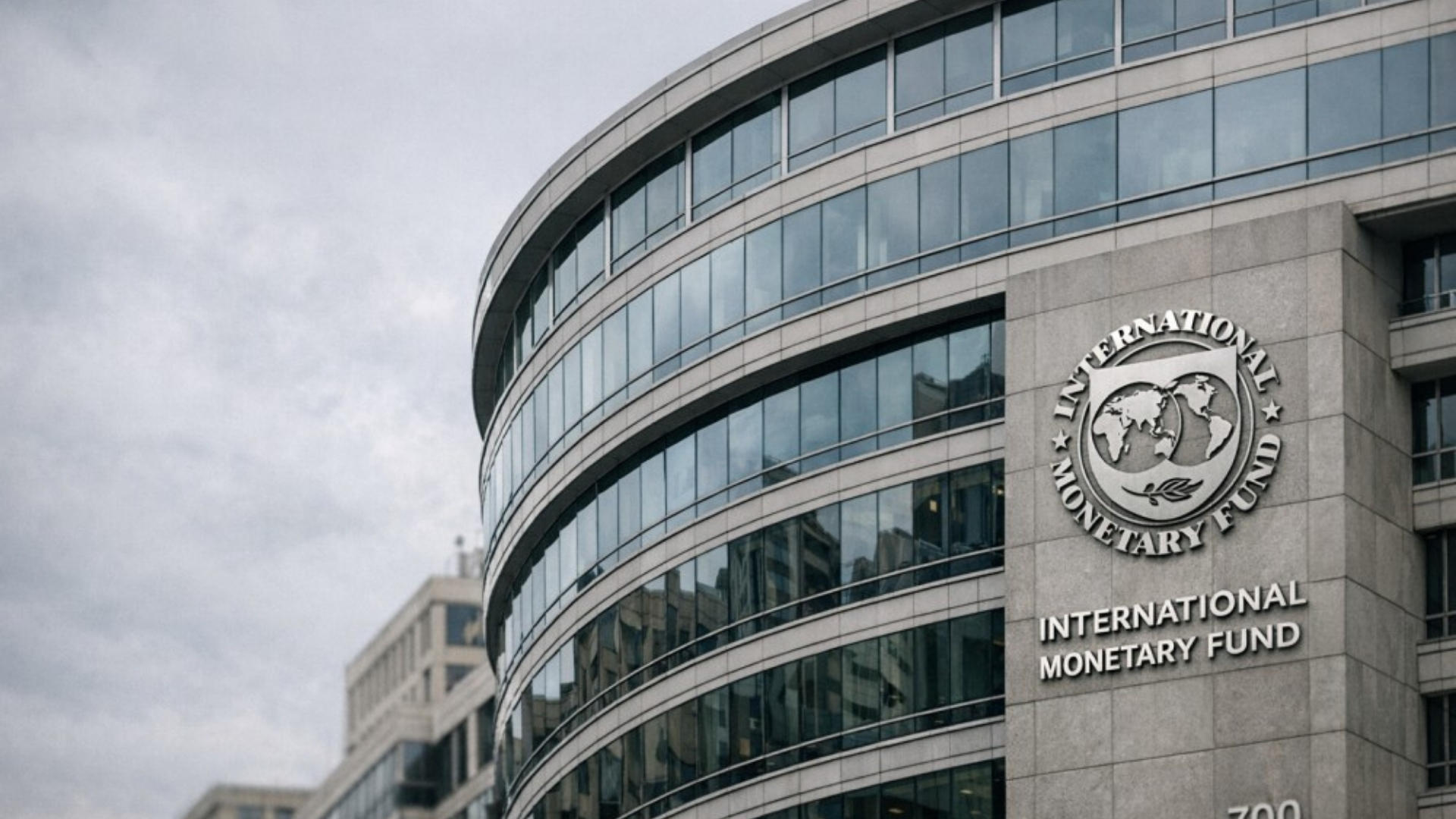
International Monetary Fund (आईएमएफ) को एक टोलीले नेपालमा सुशासन, भ्रष्टाचार जोखिम तथा आर्थिक संरचनासम्बन्धी विस्तृत अध्ययन सम्पन्न गरेको छ । नेपाल सरकारको अनुरोधमा आएको आईएमएफको क्षमता विकास टोलीले काठमाडौं र वीरगञ्जमा विभिन्न सरकारी तथा निजी निकायसँग छलफल गर्दै अध्ययन सम्पन्न गरेको हो ।
आईएमएफका अनुसार टोलीको नेतृत्व जोनाथन पाम्पोलिनाले गरेका थिए । टोलीले अप्रिल २० देखि मे ६ सम्म विभिन्न सरोकारवाला निकायसँग भेटघाट, तथ्यांक अध्ययन तथा नीतिगत विश्लेषण गरेको जनाएको छ । यो अध्ययन “गभर्नेन्स एन्ड करप्सन डायग्नोस्टिक (जीसीडी)” कार्यक्रमअन्तर्गत गरिएको हो ।
अध्ययनले नेपालको सार्वजनिक वित्त व्यवस्थापन, कर तथा भन्सार प्रशासन, वित्तीय क्षेत्रको नियमन, सार्वजनिक खरिद प्रणाली तथा राज्य स्वामित्वका संस्थाहरूमा रहेका सुशासनसम्बन्धी चुनौती र भ्रष्टाचार जोखिमको मूल्यांकन गरेको आईएमएफले जनाएको छ । विशेषगरी आर्थिक निर्णय प्रक्रियामा पारदर्शिता, संस्थागत जवाफदेहिता तथा कार्यान्वयन क्षमतामा देखिएका कमजोरीलाई अध्ययनको मुख्य केन्द्र बनाइएको बताइएको छ ।
यसअघि गत जनवरीमा प्रारम्भिक अध्ययन गरिएको थियो । त्यसपछिको दोस्रो चरणअन्तर्गत गरिएको विस्तृत अध्ययनले नेपालमा आर्थिक स्थिरता, लगानी वातावरण तथा दीर्घकालीन विकासमा असर पुर्याउने संरचनागत कमजोरी पहिचान गर्ने उद्देश्य राखेको आईएमएफले जनाएको छ ।
अध्ययनका क्रममा सरकारी निकाय, नियामक संस्था, निजी क्षेत्र, नागरिक समाज, विकास साझेदार तथा विभिन्न विज्ञ समूहसँग विस्तृत छलफल गरिएको थियो । आईएमएफले नेपालमा भ्रष्टाचार नियन्त्रण, सार्वजनिक संस्थाप्रति जनविश्वास अभिवृद्धि तथा पारदर्शिता सुधारका लागि आवश्यक नीतिगत सुधार क्षेत्र पहिचान गरिएको जनाएको छ ।
आईएमएफले तयार पार्ने प्रारम्भिक प्रतिवेदन आगामी महिनाहरूमा नेपाल सरकारलाई सुझावका लागि पठाइनेछ । त्यसपछि सरकारसँगको समन्वय र सहमतिपछि अन्तिम प्रतिवेदन सार्वजनिक गरिने बताइएको छ ।
नेपालमा पछिल्लो समय सुशासन, सार्वजनिक खर्चको पारदर्शिता, कर प्रशासन र सार्वजनिक खरिद प्रणालीलाई लिएर प्रश्न उठिरहेका बेला आईएमएफको यो अध्ययनलाई महत्त्वपूर्ण रूपमा हेरिएको छ । विशेषगरी वैदेशिक लगानी आकर्षित गर्ने, विकास साझेदारको विश्वास कायम राख्ने तथा दीर्घकालीन आर्थिक सुधार अघि बढाउने सन्दर्भमा प्रतिवेदनका निष्कर्षलाई अर्थपूर्ण मानिएको छ ।
International Monetary Fund (IMF) has completed a detailed study on governance, corruption risks and Nepal’s broader economic structure, following a request from the Government of Nepal. The assessment was carried out by an IMF capacity development mission led by Jonathan Pampolina, which conducted consultations and field-level discussions in Kathmandu and Birgunj between April 20 and May 6.
According to the IMF, the study was conducted under its Governance and Corruption Diagnostic (GCD) framework, which examines institutional weaknesses and corruption vulnerabilities that may affect economic stability, public trust and long-term development. The mission focused on identifying structural issues within Nepal’s economic governance system and evaluating areas requiring policy reform and institutional strengthening.
The assessment reviewed several critical sectors, including public financial management, tax and customs administration, financial sector regulation, public procurement mechanisms and governance practices within state-owned enterprises. The IMF stated that the study specifically analysed weaknesses related to transparency, accountability and institutional implementation capacity across these sectors.
This latest mission follows an initial preliminary assessment carried out in January. The second phase involved broader consultations and deeper policy analysis aimed at identifying structural barriers affecting Nepal’s investment climate, economic stability and sustainable growth prospects. IMF officials noted that governance-related weaknesses and institutional inefficiencies continue to pose challenges to long-term economic reform efforts in the country.
During the study period, the IMF team held extensive discussions with government agencies, regulatory bodies, private sector representatives, civil society organisations, development partners and independent experts. The mission said it had identified several areas where reforms could help strengthen anti-corruption measures, improve transparency and restore public confidence in state institutions.
The IMF is expected to prepare a preliminary report in the coming months and submit it to the Nepal government for feedback and consultation. The final report will be made public after coordination and agreement with the government, according to the institution.
The study comes at a time when concerns over governance standards, public spending transparency, tax administration and procurement systems have become increasingly prominent in Nepal’s economic and political discussions. Analysts believe the findings could play an important role in shaping future institutional reforms, particularly as Nepal seeks to improve investor confidence, strengthen relations with development partners and accelerate long-term economic restructuring.