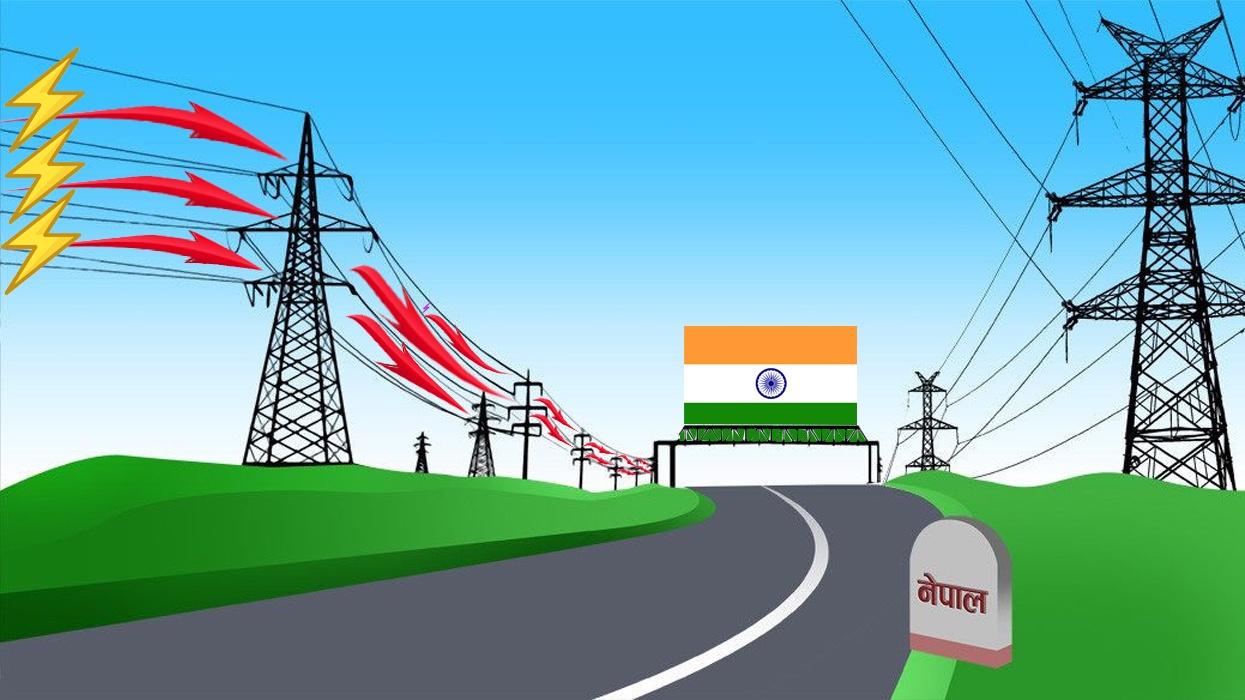
काठमाडौं — भारतले नेपाललाई दिने बिजुली आयातको समय घटाए पनि अधिकतम परिमाण भने बढाएको छ। नयाँ व्यवस्थाअनुसार नेपालले अब दैनिक १६ घण्टा मात्रै भारतबाट बिजुली आयात गर्न पाउनेछ, तर खरिद गर्न पाइने अधिकतम परिमाण ९५० मेगावाटसम्म पुर्याइएको छ।नेपाल विद्युत् प्राधिकरणका अनुसार भारतले आफ्नो इनर्जी एक्सचेन्ज बजार (आईइएक्स) मार्फत बिजुली खरिदका लागि दिएको अनुमति नवीकरण गर्दै समय घटाएको हो। यसअघि नेपालले २४ घण्टा नै ६ सय ५४ मेगावाटसम्म बिजुली आयात गर्न पाउने व्यवस्था रहेको थियो।नयाँ निर्णयअनुसार अप्रिल १ देखि १५ सम्म भने २४ घण्टा नै बिजुली आयात गर्न पाइनेछ। तर, अप्रिल १६ देखि ३० सम्म बिहान २ बजेदेखि साँझ ६ बजेसम्म र मेदेखि अगस्टसम्म बिहान ४ बजेदेखि बेलुका ८ बजेसम्म मात्र आयात गर्न पाइने व्यवस्था गरिएको छ। भारतले यसअघि पनि रातिको समय तथा उच्च माग हुने पिक आवरमा बिजुली आपूर्ति नगर्ने नीति अपनाउँदै आएको थियो।आयातको स्रोतसमेत स्पष्ट गरिएको छ। ढल्केबर–मुजफ्फरपुर ४०० केभी अन्तरदेशीय प्रसारण लाइनमार्फत ६ सय मेगावाट, उत्तरप्रदेशबाट ५० मेगावाट तथा बिहारबाट अप्रिल–मेमा २२० मेगावाट र त्यसपछिका महिनामा ३०० मेगावाटसम्म बिजुली आयात गर्न सकिनेछ।हाल नेपालले औसतमा करिब ४ सय मेगावाट बिजुली आयात गर्दै आएको छ। सुक्खायाममा नदीको बहाव घट्दा आन्तरिक उत्पादन कम हुने भएकाले भारतबाट आयातमा निर्भर रहनुपर्ने अवस्था देखिँदै आएको छ।प्राधिकरणका अधिकारीहरूका अनुसार भारतले आयात समय घटाउनुमा अन्तर्राष्ट्रिय परिस्थितिको पनि प्रभाव परेको हुन सक्छ। विशेषगरी मध्यपूर्वमा देखिएको तनाव र इन्धन आपूर्तिमा परेको असरका कारण भारतमै बिजुलीको माग बढ्ने अनुमान गरिएको छ।रातिको समयमा आयातमा कटौती भएपछि आन्तरिक माग व्यवस्थापन चुनौतीपूर्ण बन्न सक्ने भए पनि प्राधिकरणले वैकल्पिक उपायहरू रहेको जनाएको छ। भारतको पावर ट्रेडिङ कम्पनी पीटीसी इन्डियासँगको सम्झौताअनुसार १८० मेगावाट बिजुली २४ घण्टा आयात भइरहेको छ। साथै, नेपाल–भारत विद्युत् आदानप्रदान समितिमार्फत आवश्यक परे थप आपूर्ति व्यवस्थापन गर्न सकिने व्यवस्था रहेको छ।प्राधिकरणले दिउँसो बढी बिजुली आयात गरी जलाशय तथा अर्धजलाशय आयोजनामा पानी सञ्चय गर्ने र रातिको समयमा उत्पादन बढाउने रणनीति अपनाउने जनाएको छ। तर गर्मी बढेसँगै विद्युत् माग २४ सय मेगावाटसम्म पुग्ने अनुमान गरिएको छ, जसले व्यवस्थापनमा दबाब सिर्जना गर्न सक्छ।यद्यपि प्राधिकरणले समग्र आपूर्ति व्यवस्थापन गर्न सकिने दाबी गरेको छ। जेठ अन्त्यदेखि आन्तरिक उत्पादन बढ्न सुरु हुने र असारपछि निर्यातसमेत सम्भव हुने भएकाले दीर्घकालीन रूपमा विद्युत् अभाव नहुने बताइएको छ।
Investor
2 min read
NEPSE TRADING
भारतबाट बिजुली आयात समय घट्यो, परिमाण बढ्योIndia Cuts Power Supply Hours to Nepal, Increases Import Capacity
Kathmandu — India has reduced the number of hours Nepal can import electricity while increasing the total volume available for purchase, introducing a mixed impact on Nepal’s energy management. Under the new arrangement, Nepal will now be allowed to import electricity for only 16 hours per day, although the maximum import capacity has been raised to 950 MW.According to the Nepal Electricity Authority, the revised provision comes as India renewed its approval for Nepal to purchase electricity through its Indian Energy Exchange (IEX) market. Previously, Nepal was allowed to import up to 654 MW of electricity around the clock.As per the updated schedule, Nepal will be able to import electricity 24 hours a day from April 1 to April 15. However, from April 16 to April 30, imports will be limited from 2 AM to 6 PM, and from May to August, from 4 AM to 8 PM. India has historically restricted electricity supply during nighttime and peak demand hours, and the new schedule continues that trend.In terms of supply sources, Nepal can import up to 600 MW through the Dhalkebar–Muzaffarpur 400 kV cross-border transmission line, 50 MW from Uttar Pradesh, and between 220 MW (April–May) to 300 MW (subsequent months) from Bihar.Currently, Nepal imports around 400 MW of electricity on average. During the dry season, when river flows decline and domestic hydropower generation drops, reliance on electricity imports becomes essential to meet demand.Officials suggest that India’s decision to reduce supply hours may also be influenced by global factors, particularly rising tensions in the Middle East affecting fuel supply and increasing domestic electricity demand within India.Although reduced nighttime imports could create challenges in managing domestic demand, the Authority has indicated that alternative arrangements are in place. Nepal is already importing 180 MW of electricity round-the-clock under an agreement with India’s Power Trading Company (PTC India). Additionally, provisions exist to procure extra electricity through the Nepal–India Power Exchange Committee (PEC) if needed.To manage supply efficiently, the Authority plans to import more electricity during daytime and store water in reservoir and semi-reservoir hydropower projects, allowing increased generation during the evening. However, with rising temperatures, electricity demand is expected to reach up to 2,400 MW, which could strain the system.Despite these challenges, the Authority remains confident that overall supply can be managed. Officials note that domestic power generation is expected to increase by the end of Jestha (mid-June), and surplus electricity may even be exported from Asar (mid-June/July) onward, easing long-term pressure on the energy sector.
Advertisement