NEPSEtrading

Make smarter moves backed by machine learning. Join thousands of traders leveraging AI to maximize profits.

nepsetrading.com is an online news portal that provides insights into trading and investment by analyzing the stock market and the global economy. We create charts based on the analysis of various indicators. Please do not rely solely on this information for investment decisions. Self-study is crucial. Use this information only as an educational and informational resource.

Marketminds Investment Group Private Limited

DOIB Registration certificate no.: 4680-2081/2082

Director & Editor-in-chief: Dipesh Ghimire · 9802363868, 9851119988

Koteshwor 32, Kathmandu
01-5253221 · +977 9709066745

Contact support

Subscribe to our newsletter

Weekly insights from the NEPSE market in your inbox.

Market

  • Stocks
  • Sectors

Company

  • About Us
  • Our Team
  • Terms of Use
  • Our Policy
  • Training
  • Contact Us

Help

  • Support
  • Report
  • FAQ

© 2026 nepsetrading.com. All rights reserved.
Owned and operated by Marketminds Investment Group Private Limited.

Charts powered by TradingView

  • Home
  • Latest
  • Trending
  • Stock
  • Education
  • International
    1. News
    2. Investor
    3. IPO hopefuls face fresh review as SEBON stops counting premium in net worth
    प्रिमियम जोडेर नेटवर्थ बढाउने कम्पनीलाई आइपीओ अनुमति नदिने सेबोनको नीति
    Investor
    2 min read
    Published on June 23, 2026
    NEPSE TRADING

    प्रिमियम जोडेर नेटवर्थ बढाउने कम्पनीलाई आइपीओ अनुमति नदिने सेबोनको नीतिIPO hopefuls face fresh review as SEBON stops counting premium in net worth

    काठमाडौं — नेपाल धितोपत्र बोर्ड (सेबोन) ले प्रारम्भिक सार्वजनिक निष्कासन (आइपीओ) को अनुमति दिने प्रक्रियामा कडाइ गरेको छ । सेयर प्रिमियमको रकम जोडेर प्रतिसेयर नेटवर्थ ९० रुपैयाँभन्दा माथि पुर्‍याएका कम्पनीहरूको बोर्डले अब पुनः मूल्यांकन सुरु गरेको छ ।

    बोर्डले भर्खरै जारी गरेको 'प्रारम्भिक सार्वजनिक निष्कासनका लागि पेस भएका वित्तीय विवरण पुनरावलोकनसम्बन्धी मापदण्ड, २०८२' ले अब कम्पनीहरूले आइपीओ बिक्रीको अनुमति लिँदा सेयर प्रिमियमको रकमलाई नेटवर्थमा जोड्न नपाउने व्यवस्था गरेको छ । यही व्यवस्थाका कारण प्रिमियम जोडेर प्रतिसेयर नेटवर्थ ९० नाघेका कम्पनीहरू पुनरावलोकनको दायरामा परेका हुन् ।

    पछिल्ला केही वर्षमा आइपीओ बजार फराकिलो हुँदै जाँदा प्रि–आइपीओ कारोबार पनि उत्तिकै तीव्र गतिमा बढेको छ । आइपीओ ल्याउने तयारीकै नाममा केही कम्पनीले सीमित लगानीकर्तालाई अंकित मूल्य (फेस भ्यालु) भन्दा बढीमा सेयर बेच्दै आएका छन् । केबलकार, जलविद्युत्, लगानी र सिमेन्टजस्ता वास्तविक क्षेत्रका कम्पनीका सेयर प्रि–आइपीओमार्फत प्रिमियम थपेर ठूलो परिमाणमा किनबेच भएका छन् भने लिलामीबाटसमेत प्रिमियम बापत रकम संकलन भएको छ ।

    यसरी संकलित प्रिमियम रकमले कम्पनीको इक्विटी र नेटवर्थ बढाउँथ्यो । फलस्वरूप आइपीओ स्वीकृतिका लागि चाहिने वित्तीय सूचक सहजै पूरा हुने अवस्था बन्थ्यो । तर बोर्डको बुझाइमा यस्तो नेटवर्थ कम्पनीको वास्तविक व्यावसायिक प्रदर्शनबाट नभई पुँजी संकलनको माध्यमबाट बढेको थियो । यही कारण बोर्डले अब कम्पनीको सञ्चालनबाट आर्जित नाफा, सञ्चित आम्दानी र जगेडा कोषलाई बढी महत्त्व दिने नीति लिएको छ ।

    नयाँ व्यवस्थाले विशेषगरी प्रि–आइपीओमा उच्च प्रिमियम उठाएर वित्तीय सूचक सुधारेका कम्पनीलाई प्रत्यक्ष असर पुर्‍याएको छ । पाइपलाइनमा रहेका केही कम्पनीको नेटवर्थ पुनः गणना गर्दा उल्लेख्य फरक देखिन सक्ने जानकारहरू बताउँछन् ।

    बोर्डका सहप्रवक्ता तोलाकान्त न्यौपानेका अनुसार प्रिमियममा जम्मा भएको रकम जोडेर नेटवर्थ बढाएकै आधारमा अब आइपीओको अनुमति पाइने छैन । 'प्रिमियममा रकम जम्मा भएपछि त्यसले नेटवर्थ बढाउँछ । प्रतिसेयर नेटवर्थ ९० रुपैयाँभन्दा माथि पुगेर अनुमतिका लागि योग्यता पुग्ने खालका केस पनि आएका छन्,' उनले भने, 'तर अब आफ्नै व्यवसाय गरेर नेटवर्थ बढेको देखिनुपर्‍यो । व्यवसायबाहेक अन्य कारणले प्रतिसेयर नेटवर्थ बढाएको भए अनुमति पाउँदैन ।'

    आइपीओ बजारमा छिर्न चाहने कम्पनीले आफ्नो वित्तीय क्षमता वास्तविक सञ्चालन आम्दानी र नाफाबाटै प्रमाणित गर्नुपर्ने सन्देश बोर्डले दिएको छ । अनुमतिको प्रतीक्षामा रहेका कम्पनीले समेत आफ्नो नेटवर्थ पुनः समीक्षा गर्नुपर्ने भएको छ ।

    न्यौपानेका अनुसार पाइपलाइनमै रहेका, तर प्रिमियममा रकम भएका कम्पनीहरू पनि अब पुनर्मूल्यांकनमा जानुपर्छ । 'प्रतिसेयर नेटवर्थ ९० पुर्‍याउन व्यवसाय गरेर कमाएरै ल्याउनुपर्‍यो,' उनले भने, 'प्रिमियम जोडेर नेटवर्थ बढाएका जुन–जुन कम्पनी पाइपलाइनमा छन्, तिनको अहिले मर्चेन्ट बैंकमार्फत पुनरावलोकन हुनुपर्छ । कम्पनीहरूले एनएफआरएसअनुसार हिसाब गर्छन्, पैसा आएको देखाउँछन्, जुन साँच्चिकै आएको पनि हुन्छ र नेटवर्थ पनि पुगेको हुन्छ । तर अनुमति दिने विषयमा हामीले उसले वास्तविक व्यवसाय गरेर पुर्‍याएको नेटवर्थ नै हेर्छौं ।'

    यसका अतिरिक्त, बिक्री आम्दानीको ठूलो हिस्सा उठ्न बाँकी प्राप्य रकममा अड्किएको अवस्था, सम्भावित दायित्व समायोजन गर्दा नेटवर्थ कमजोर हुने स्थिति, सम्बन्धित पक्षसँगको अत्यधिक कारोबार, लेखा नीति फेरेर सुधारिएको वित्तीय सूचक र गैर–सञ्चालन आम्दानीका भरमा देखाइएको नाफाजस्ता विषय अब बोर्डको विशेष निगरानीमा पर्नेछन् ।

    क्षेत्रअनुसार पनि बोर्डले फरक–फरक जोखिम संकेत तोकेको छ । उत्पादनमूलक उद्योग, होटल तथा पर्यटन, जलविद्युत् तथा ऊर्जा र लगानी कम्पनीका वित्तीय विवरणमा देखिने विशेष प्रकृतिका जोखिमलाई लक्ष्य गरी थप समीक्षा गरिने भएको छ । यसले आइपीओ प्रक्रिया कागजी वित्तीय सूचकको परीक्षणमा मात्र सीमित नरही व्यवसायको वास्तविक अवस्था बुझ्नेतर्फ उन्मुख भएको देखिन्छ ।

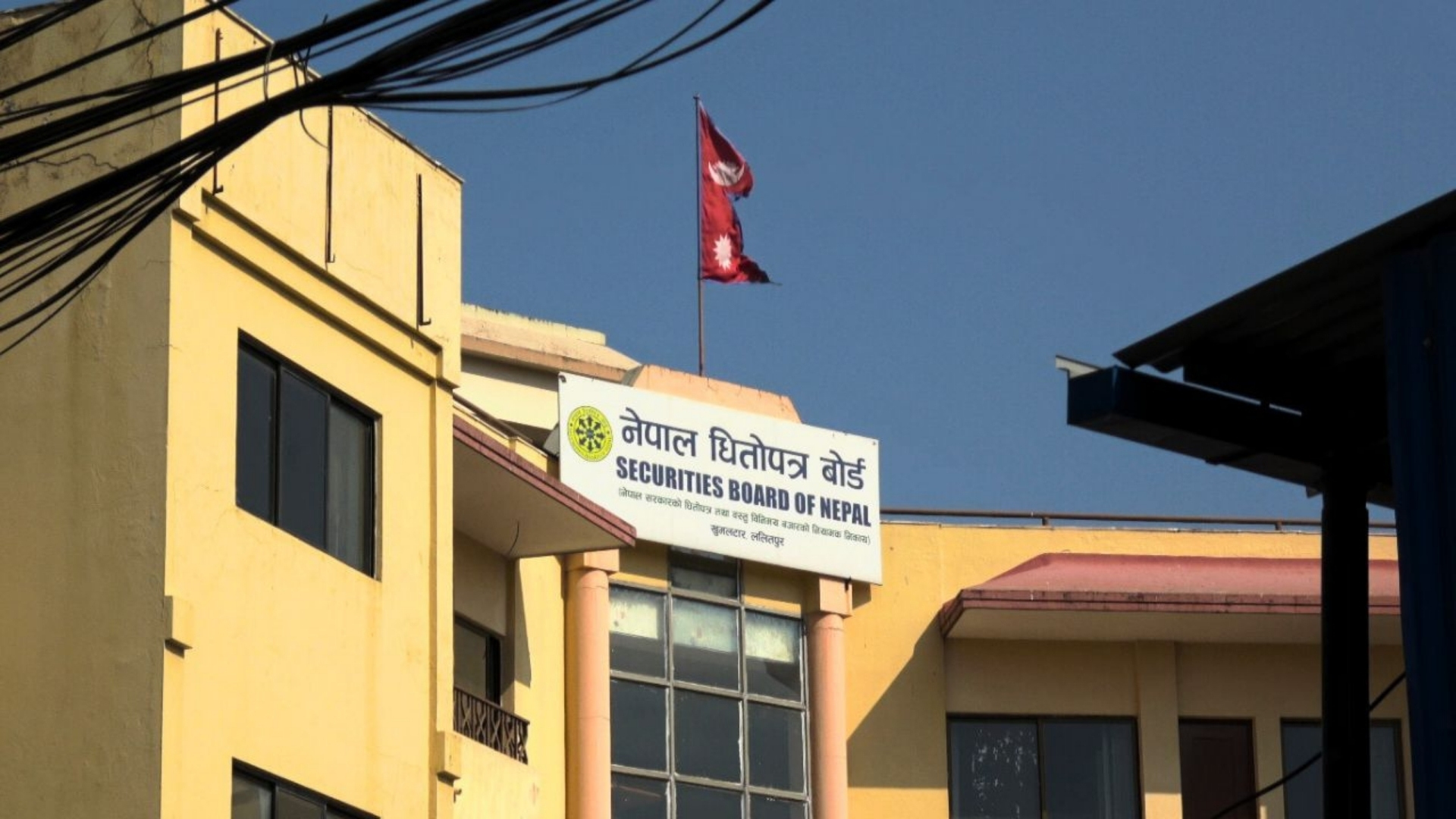
    KATHMANDU — A number of companies preparing to float shares to the public are now being forced to re-examine their financial position, after the Securities Board of Nepal (SEBON) changed the way net worth is measured for IPO approval.

    Under the board's recently issued "Standard on the Review of Financial Statements Submitted for Initial Public Offering, 2082," money raised as share premium can no longer be folded into net worth to qualify a company for an IPO. As a result, the board has begun reopening the accounts of firms that pushed their per-share net worth above Rs 90 largely on the strength of premium.

    Tolakanta Neupane, the board's co-spokesperson, explains the shift plainly. When premium money piles up, net worth does rise, and there have been instances where per-share net worth crossed Rs 90 and met the threshold for approval on that basis alone. But that route is now closed, he says. "If per-share net worth has been raised for reasons other than business, it will not get approval," Neupane said.

    Why such a rule became necessary is clear from the share market's activity in recent years. As the IPO market widened, pre-IPO trading gathered pace alongside it. Companies in the real sector — cable car, hydropower, investment and cement firms among them — sold shares to a limited pool of investors at prices well above par, all in the name of preparing for an IPO. Auctions, too, brought in healthy sums as premium.

    The premium flowing in this way inflated companies' equity and net worth. The financial indicators required for IPO approval then fell neatly into place. In the board's view, however, this rise reflected capital raised rather than money earned. The board will therefore now give greater weight to profit generated from operations, retained earnings and reserve funds.

    The change hits hardest at companies that polished their indicators by collecting large premiums in the pre-IPO stage. When the net worth of some firms already in the pipeline is recalculated under the new framework, those familiar with the matter estimate it could fall sharply.

    According to Neupane, pipeline companies sitting on premium money must also go through a fresh review via merchant banks. Calculating under NFRS, companies show the money that has come in — money that has genuinely arrived, with net worth duly met on paper. But when it comes to granting approval, the board will look only at net worth built through real business, he stressed. "To reach a per-share net worth of Rs 90, you have to earn it through business," he said.

    It is not premium alone that has drawn the board's sharper gaze. Statements in which a large share of booked sales income is still stuck in receivables, where net worth weakens once potential liabilities are adjusted, where transactions with related parties run excessively high, where indicators have been dressed up by changing accounting policy, or where profit rests on non-operating income — all will now come under the board's special watch.

    The board has also drawn up a separate risk outline for each sector. Manufacturing industries, hotels and tourism, hydropower and energy, and investment companies will face additional review aimed at the particular kinds of risk that surface in their financial statements. With this, the scrutiny of IPOs appears to be moving away from paper arithmetic and toward the actual state of the business.

    Trending News

    • Trending23 Jun, 2026

      खराब कर्जा असुली सुस्ताउँदा बैंकहरूको गैरबैंकिङ सम्पत्ति झन्डै ४६ अर्बSluggish bad-loan recovery pushes banks' non-banking assets toward Rs 46 billion

      Read news
    • Trending23 Jun, 2026

      जलविद्युत्को वर्चस्व टुट्दै, सिमेन्ट र स्टिल आईपीओ बजारतर्फCement and steel firms line up to break hydropower's grip on IPO market

      Read news
    • Trending23 Jun, 2026

      समस्याग्रस्त दुई सहकारीका थप ८२ बचतकर्ताले फिर्ता पाए बचतAround NPR 46 Billion Still Pending, 82 More Depositors Receive Refunds

      Read news

    Related News

  • Sluggish bad-loan recovery pushes banks' non-banking assets toward Rs 46 billion
    Investor

    2 min read

    खराब कर्जा असुली सुस्ताउँदा बैंकहरूको गैरबैंकिङ सम्पत्ति झन्डै ४६ अर्बSluggish bad-loan recovery pushes banks' non-banking assets toward Rs 46 billion

    NEPSE TRADING

    ·

    23 Jun, 2026

  • Cement and steel firms line up to break hydropower's grip on IPO market
    Investor

    1 min read

    जलविद्युत्को वर्चस्व टुट्दै, सिमेन्ट र स्टिल आईपीओ बजारतर्फCement and steel firms line up to break hydropower's grip on IPO market

    NEPSE TRADING

    ·

    23 Jun, 2026

  • Around NPR 46 Billion Still Pending, 82 More Depositors Receive Refunds
    Investor

    1 min read

    समस्याग्रस्त दुई सहकारीका थप ८२ बचतकर्ताले फिर्ता पाए बचतAround NPR 46 Billion Still Pending, 82 More Depositors Receive Refunds

    NEPSE TRADING

    ·

    23 Jun, 2026

  • UML Vice-chair Bishnu Poudel arrested in money laundering probe
    Investor

    3 min read

    सम्पत्ति शुद्धीकरण अनुसन्धानमा एमाले उपाध्यक्ष विष्णु पौडेल पक्राउUML Vice-chair Bishnu Poudel arrested in money laundering probe

    NEPSE TRADING

    ·

    22 Jun, 2026