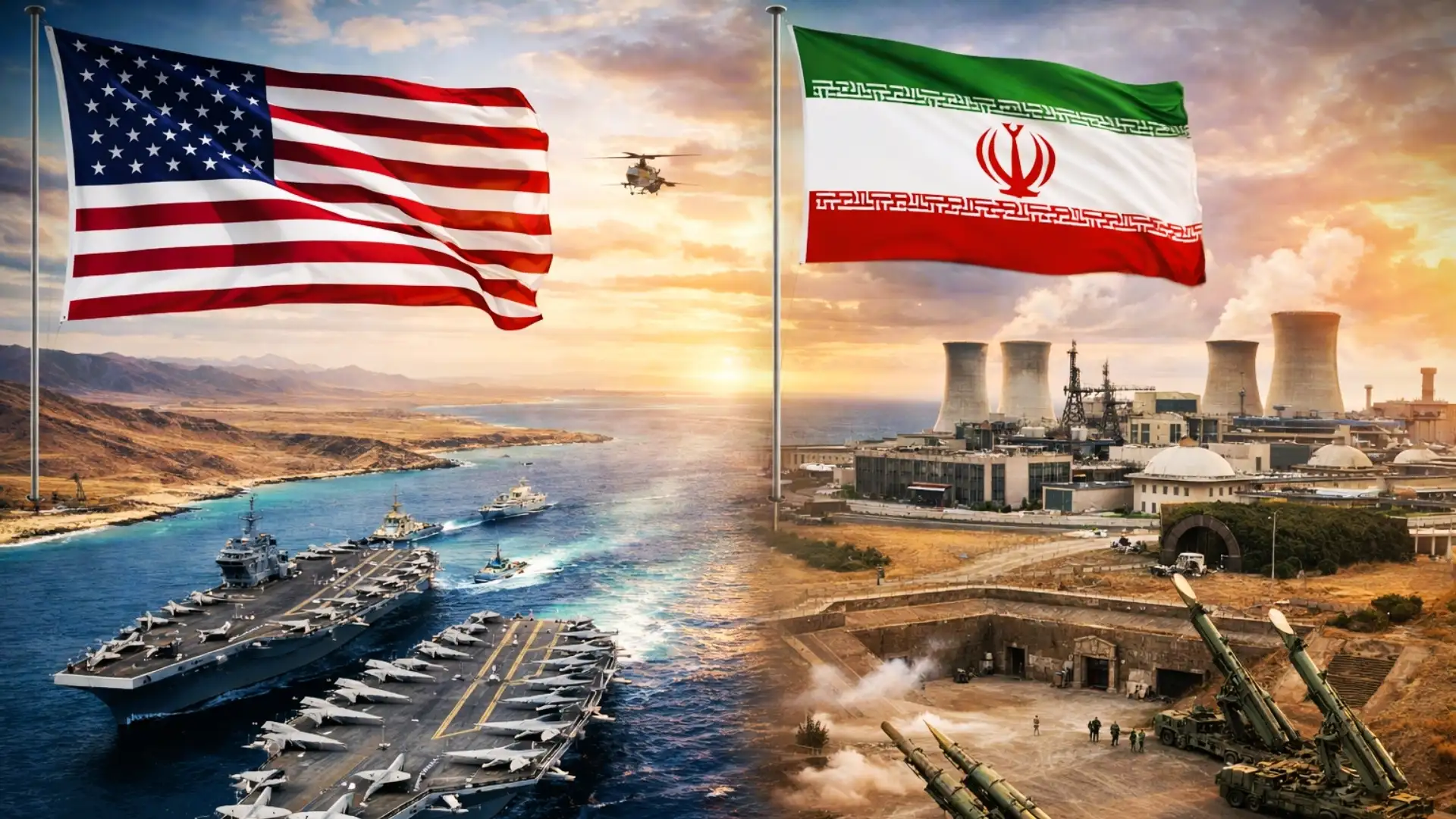
काठमाडौँ — इरान र अमेरिकाबीचको द्वन्द्व झन्–झन् चर्किंदै जाँदा मध्यपूर्वको सुरक्षा अवस्था अझ जटिल बनेको छ। अमेरिकाले लगातार दशौं रात इरानका लक्ष्यमा हवाई आक्रमण गरेपछि इरानले बहराइन, कुवेत र जोर्डनस्थित अमेरिकी सैन्य संरचनालाई निशाना बनाएको छ।
अमेरिकी राष्ट्रपति डोनाल्ड ट्रम्पले अमेरिकी सैनिकको मृत्युको बदलामा इरानले “धेरै गुणा ठूलो मूल्य चुकाउनुपर्ने” चेतावनी दिएका छन्। सोही चेतावनीपछि अमेरिकी सेनाले दक्षिणी इरानमा नयाँ आक्रमण गरेको अन्तर्राष्ट्रिय सञ्चारमाध्यमले जनाएका छन्।
द्वन्द्वकैबीच विश्वको सबैभन्दा महत्वपूर्ण तेल ढुवानी मार्गमध्ये एक स्ट्रेट अफ हर्मुजमा नयाँ सुरक्षा सङ्कट देखिएको छ। बेलायती समुद्री व्यापार निकायका अनुसार हर्मुज हुँदै गइरहेको एक तेल ट्यांकर अज्ञात प्रक्षेप्यास्त्रको आक्रमणमा परेपछि चालक दलले जहाज छाडेर लाइफबोटमा शरण लिनुपरेको थियो। इरानको आईआरजीसीले पनि हर्मुजको दक्षिणी मार्गमा दुई तेल ट्यांकर विस्फोटपछि आगलागीमा परेको जनाएको छ।
यता यमनस्थित इरान समर्थित हुथी विद्रोहीले सोमबारदेखि लागू हुने गरी साउदी अरेबियाविरुद्ध नौसैनिक नाकाबन्दी घोषणा गरेका छन्। यो कदम साउदीले यमनमाथि लगाएको कथित नाकाबन्दीको “आँखाको बदला आँखा” जवाफ भएको हुथी सैन्य प्रवक्ताले बताएका छन्। साउदी विदेश मन्त्रालयले भने यो आरोप अस्वीकार गर्दै आफ्ना जहाज र व्यापारिक मार्गको सुरक्षा गर्न आवश्यक सबै कदम चालिने जनाएको छ।
विशेषज्ञका अनुसार हुथीले नियन्त्रण गर्न खोजेको बाब–अल–मन्डेब जलडमरूमध्य विश्व व्यापार र ऊर्जा आपूर्तिका लागि अत्यन्त संवेदनशील मार्ग हो। बाब–अल–मन्डेब र हर्मुज दुवै जलडमरूमध्य एकैसाथ अवरुद्ध भए विश्व तेल आपूर्तिमा करिब ७ प्रतिशतसम्म कमी आउन सक्ने अनुमान गरिएको छ।
यसैबीच अमेरिकी रक्षा मन्त्री पिट हेगसेथले इरान युद्धका लागि माग गरिएको ६० अर्ब डलर बजेटबारे सिनेटमा जवाफ दिनुपर्ने भएको छ। उता लेबनानका राष्ट्रपति जोसेफ आउनले मंगलबार ह्वाइट हाउसमा ट्रम्पसँग भेट गरी हिजबुल्लाहलाई निःशस्त्रीकरण गर्ने र दक्षिण लेबनानबाट इजरायली फौज फिर्ता गराउने योजना प्रस्तुत गर्ने कार्यक्रम रहेको छ।
मध्यपूर्वमा फैलिँदै गएको यो द्वन्द्वले ऊर्जा बजार, अन्तर्राष्ट्रिय व्यापार र क्षेत्रीय सुरक्षामा गम्भीर असर पार्ने जोखिम बढेको विश्लेषकहरूले बताएका छन्।
Kathmandu — As the conflict between Iran and the United States continues to intensify, the security situation across the Middle East has grown even more complex. After the US carried out airstrikes on Iranian targets for a tenth consecutive night, Iran has struck US military installations in Bahrain, Kuwait and Jordan.
US President Donald Trump has warned that Iran will "pay a far greater price" in retaliation for the deaths of American soldiers. Following that warning, the US military launched fresh strikes on southern Iran, international media outlets have reported.
Amid the conflict, a new security crisis has emerged in the Strait of Hormuz, one of the world's most vital oil shipping routes. According to a British maritime trade body, an oil tanker passing through Hormuz came under attack from an unidentified projectile, forcing the crew to abandon ship and take shelter in lifeboats. Iran's IRGC has also reported that two oil tankers on the southern Hormuz route caught fire following explosions.
Meanwhile, the Iran-backed Houthi rebels in Yemen have declared a naval blockade against Saudi Arabia, effective from Monday. A Houthi military spokesperson said the move was an "eye for an eye" response to Saudi Arabia's alleged blockade of Yemen. The Saudi Foreign Ministry has rejected the accusation and said it will take all necessary measures to protect its ships and trade routes.
According to experts, the Bab al-Mandeb strait that the Houthis are seeking to control is an extremely sensitive route for global trade and energy supply. Should both the Bab al-Mandeb and Hormuz straits be blocked simultaneously, global oil supply is estimated to fall by around 7 percent.
Meanwhile, US Defense Secretary Pete Hegseth is due to answer to the Senate over the $60 billion budget requested for the war with Iran. Separately, Lebanese President Joseph Aoun is scheduled to meet Trump at the White House on Tuesday to present a plan to disarm Hezbollah and secure the withdrawal of Israeli forces from southern Lebanon.
Analysts say the widening conflict across the Middle East risks having a serious impact on energy markets, international trade and regional security.