इराकद्वारा ओपेकसँग तेल उत्पादन कोटा बढाउन आग्रहIraq Urges OPEC to Increase Its Oil Production Quota
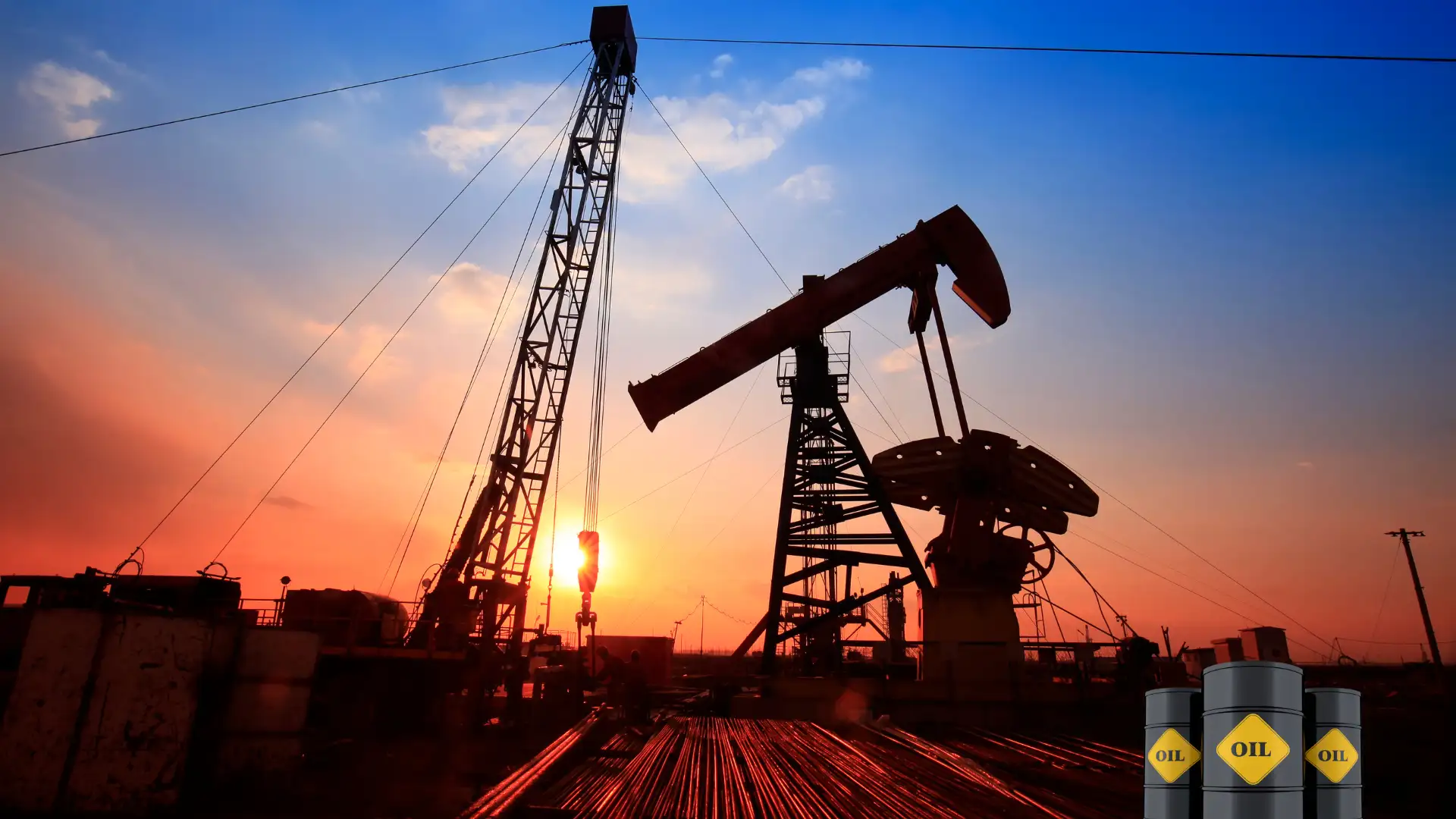
बग्दाद। इराकले तेल उत्पादक राष्ट्रहरूको संगठन ओपेकसमक्ष आफ्नो तेल उत्पादन कोटा बढाउन औपचारिक आग्रह गरेको छ। दशकौँ लामो युद्ध, अन्तर्राष्ट्रिय प्रतिबन्ध र पछिल्ला क्षेत्रीय द्वन्द्वका कारण तेल उद्योगमा ठूलो क्षति पुगेको भन्दै इराकले उत्पादन सीमा पुनरावलोकन गर्नुपर्ने माग अघि सारेको हो।
इराकको तेल मन्त्रालयले बिहीबार जारी गरेको वक्तव्यमा सदस्य राष्ट्रहरूको दिगो उत्पादन क्षमताका आधारमा उत्पादन आधाररेखा पुनः निर्धारण गर्नुपर्ने उल्लेख गरिएको छ। मन्त्रालयले इराकको विशेष सुरक्षा अवस्था, आर्थिक आवश्यकता र तेल क्षेत्रमा परेको युद्धजन्य प्रभावलाई पनि ध्यानमा राख्न ओपेकलाई आग्रह गरेको छ।
तेल मन्त्रालयका प्रवक्ता सलीम अल–रिकाबीले इराक ओपेकबाट बाहिरिने तयारीमा रहेको भन्ने समाचारको खण्डन गरेका छन्। उनले इराक अझै पनि ओपेकप्रति प्रतिबद्ध रहेको बताए। तर, इराकको उत्पादन कोटा नबढेमा संगठनमा रहने वा नबस्ने विषयमा भविष्यमा गम्भीर निर्णय लिनुपर्ने अवस्था आउन सक्ने चेतावनी पनि दिए।
उनका अनुसार इराकले आफ्नो उत्पादन क्षमता र राष्ट्रिय आवश्यकताअनुसार तेल उत्पादन बढाउने नीति अघि बढाइरहेको छ।
तेलमै निर्भर अर्थतन्त्र
इराकको अर्थतन्त्र मुख्यतः कच्चा तेल निर्यातमा निर्भर छ। सरकारी आम्दानीको ठूलो हिस्सा तेल निर्यातबाट आउने भएकाले ओपेकले तोकेको उत्पादन सीमाले इराकको राजस्वमा प्रत्यक्ष असर पार्दै आएको छ।
मन्त्रालयले ओपेकले सदस्य राष्ट्रहरूको उत्पादन क्षमता पुनरावलोकन गर्ने प्रक्रिया अघि बढाइसकेको जनाएको छ। इराकले सो प्रक्रियामा आफ्नो अवस्थालाई न्यायोचित ढंगले सम्बोधन गरिनुपर्ने माग गरेको छ।
युद्ध र क्षेत्रीय तनावको असर
पछिल्ला मध्यपूर्वी तनाव र हर्मुज जलडमरूमध्यमा देखिएको अवरोधका कारण तेल आपूर्तिमा असर परेको बताइएको छ। युद्धका क्रममा इराकका केही तेल क्षेत्रमाथि ड्रोन आक्रमणसमेत भएको विवरण सार्वजनिक भएको छ।
युद्धअघि इराकले दैनिक करिब ४० लाख ब्यारेल तेल उत्पादन गर्दै आएको थियो भने औसत ३५ लाख ब्यारेल तेल दैनिक निर्यात गर्दै आएको थियो। इराकी अधिकारीहरूले क्षेत्रीय तनाव कम हुँदै गएपछि आगामी दुई महिनाभित्र उत्पादनलाई युद्धअघिको स्तरमा पुर्याउने अपेक्षा गरेका छन्।
ओपेक छोड्ने सम्भावनाबारे मिश्रित प्रतिक्रिया
एक पूर्व इराकी तेल अधिकारीले ओपेकबाट बाहिरिनु इराकको हितमा नहुने टिप्पणी गरेका छन्। उनका अनुसार तेल व्यापारमा अत्यधिक निर्भर देशका लागि ओपेकको सदस्यता रणनीतिक रूपमा महत्त्वपूर्ण छ।
ऊर्जा परामर्शदाता संस्था रिस्टाड इनर्जीका विश्लेषक जर्ज लियोनले भने इराकले उत्पादन कोटा पुनरावलोकनका लागि दबाब सिर्जना गर्न यस्तो अभिव्यक्ति दिएको हुन सक्ने बताएका छन्। उनका अनुसार हाल भइरहेको उत्पादन क्षमता पुनरावलोकन नै सन् २०२७ को नयाँ उत्पादन कोटा निर्धारणको आधार बन्ने भएकाले इराकले आफ्नो पक्ष बलियो बनाउन खोजेको हुन सक्छ।
इराकले भने उत्पादन कोटासम्बन्धी कुनै पनि विवाद ओपेकको विद्यमान संरचनाभित्रै समाधान गर्न चाहेको स्पष्ट पारेको छ।
Baghdad: Iraq has formally urged the Organization of the Petroleum Exporting Countries (OPEC) to increase its oil production quota, arguing that decades of war, international sanctions, and recent regional conflicts have severely damaged its oil industry.
In a statement issued on Thursday, Iraq’s Oil Ministry said production baselines should be reassessed according to the sustainable production capacity of member countries. The ministry also urged OPEC to consider Iraq’s special security and economic circumstances.
Oil Ministry spokesperson Salim al-Rikabi denied reports that Iraq was preparing to leave OPEC. He said Iraq remains committed to the organization, but stressed that the country’s production quota should be increased. He also warned that if Iraq’s concerns are not addressed, the country may have to reconsider its future position within the organization.
According to al-Rikabi, Iraq is moving ahead with a policy to increase oil production in line with its production capacity and national needs.
Economy Dependent on Oil
Iraq’s economy depends heavily on crude oil exports. Around 90 percent of government revenue comes from oil exports, making production limits a direct concern for the country’s public income.
The ministry said OPEC has already begun reviewing the production capacity of member states and urged the organization to address Iraq’s situation fairly.
Impact of War and Regional Tensions
Recent conflict in the Middle East and disruptions in the Strait of Hormuz have affected oil supplies, impacting major producers including Iraq. Some Iraqi oil fields were reportedly targeted by drone attacks during the conflict.
Before the war, Iraq was producing around 4 million barrels of oil per day and exporting an average of 3.5 million barrels daily. Most of Iraq’s oil exports passed through the Strait of Hormuz.
Iraqi officials expect production to return to pre-war levels within the next two months as regional tensions ease.
Mixed Reactions Over Possible OPEC Exit
A former Iraqi oil official, speaking on condition of anonymity, said leaving OPEC would not be in Iraq’s interest. According to him, membership in OPEC remains strategically important for a country highly dependent on oil trade.
George Leon, an analyst at energy consultancy Rystad Energy, said Iraq’s remarks may be intended to put pressure on OPEC to review its quota. He said the ongoing review of production capacity could become the basis for new production quotas in 2027, and Iraq may be trying to strengthen its position.
Iraq, however, has made it clear that it wants any changes related to production quotas to be resolved within OPEC’s existing framework.