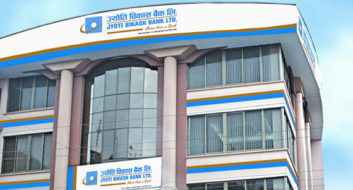
ज्योति विकास बैंकको नाफामा दोब्बरभन्दा बढी उछाल, इम्पेरमेन्ट खर्च घट्दा प्रदर्शनमा सुधारJyoti Bikas Bank Doubles Profit in Q3, Lower Impairment Charges Drive Earnings Growth
ज्योति विकास बैंक लिमिटेड (JBBL) ले चालु आर्थिक वर्षको तेस्रो त्रैमाससम्मको अपरिष्कृत वित्तीय विवरण सार्वजनिक गरेको छ। सार्वजनिक विवरणअनुसार बैंकले नाफामा उल्लेख्य सुधार गर्दै गत वर्षको तुलनामा दोब्बरभन्दा बढी वृद्धि हासिल गरेको देखिन्छ। यद्यपि, केही आधारभूत सूचकहरूले भने जोखिम पक्ष अझै कायम रहेको संकेत गरेका छन्।
चालु आर्थिक वर्षको पहिलो नौ महिनामा बैंकले करिब ६२ करोड ९४ लाख रुपैयाँ खुद नाफा आर्जन गरेको छ। अघिल्लो आर्थिक वर्षको सोही अवधिमा बैंकको नाफा करिब ३० करोड ६६ लाख रुपैयाँमा सीमित रहेको थियो। यस आधारमा बैंकको नाफा १०५ प्रतिशतभन्दा बढीले बढेको देखिन्छ, जुन पछिल्लो समयको बलियो वित्तीय प्रदर्शनमध्ये एक मानिएको छ।
बैंकको आम्दानी संरचना हेर्दा ब्याज आम्दानीमा भने अपेक्षाकृत न्यून वृद्धि देखिएको छ। खुद ब्याज आम्दानी मात्र ०.७८ प्रतिशतले बढेको छ, जसले कोर बैंकिङ आम्दानीमा खासै ठूलो विस्तार नभएको संकेत गर्छ। तर शुल्क तथा कमिसन आम्दानीमा उल्लेख्य वृद्धि देखिँदा कुल सञ्चालन आम्दानी करिब ६ प्रतिशतभन्दा बढीले बढेको छ, जसले वैकल्पिक आम्दानी स्रोततर्फ बैंकको झुकाव बढेको देखाउँछ।
नाफा बढ्नुको मुख्य कारण भने खर्चतर्फ आएको सुधार हो। विशेषगरी इम्पेरमेन्ट चार्जमा आएको तीव्र गिरावटले बैंकको नाफा उकास्न महत्वपूर्ण भूमिका खेलेको देखिन्छ। अघिल्लो वर्ष करिब ५२ करोड रुपैयाँ पुगेको यस्तो खर्च घटेर करिब ११ करोड रुपैयाँमा झरेको छ। यसले बैंकको सञ्चालन मुनाफा र अन्ततः खुद नाफामा ठूलो उछाल ल्याएको विश्लेषण गरिएको छ।
यद्यपि, बैंकको निष्क्रिय कर्जा (NPL) भने बढ्दो क्रममा रहेको छ। अघिल्लो वर्ष ४.९८ प्रतिशत रहेको निष्क्रिय कर्जा बढेर ७.८३ प्रतिशत पुगेको छ, जसले कर्जा गुणस्तरमा केही दबाब देखिएको संकेत गर्छ। इम्पेरमेन्ट खर्च घटे पनि भविष्यमा यस्तो बढ्दो निष्क्रिय कर्जाले पुनः खर्च बढाउन सक्ने जोखिमलाई नजरअन्दाज गर्न नसकिने विश्लेषकहरू बताउँछन्।
नाफासँगै प्रतिशेयर आम्दानी (EPS) मा पनि उल्लेख्य सुधार देखिएको छ। बैंकको EPS करिब ९ रुपैयाँभन्दा बढीले बढेर १९ रुपैयाँ नाघेको छ। मूल्य–आम्दानी अनुपात (P/E Ratio) १९.४३ गुणामा कायम रहँदा बजारले बैंकको सेयरलाई मध्यम मूल्याङ्कन दिएको संकेत गर्छ। प्रतिशेयर नेटवर्थ १६३ रुपैयाँभन्दा माथि रहनुले बैंकको आधारभूत अवस्था बलियो देखिन्छ।
पूँजी संरचनातर्फ बैंकको चुक्ता पूँजी करिब ४ अर्ब ३९ करोड रुपैयाँ रहेको छ भने जगेडा कोषमा करिब २ अर्ब ७८ करोड रुपैयाँ सञ्चित छ। तर वितरणयोग्य मुनाफा भने अझै ऋणात्मक रहनु बैंकका लागि चुनौतीपूर्ण पक्ष हो, जसले तत्काल लाभांश वितरण क्षमतामा प्रभाव पार्न सक्छ।
निक्षेप र कर्जा विस्तारमा बैंकले सन्तुलित वृद्धि कायम राखेको छ। चैत मसान्तसम्म बैंकले करिब ६४ अर्ब ४९ करोड रुपैयाँ निक्षेप संकलन गरी करिब ४७ अर्ब ९८ करोड रुपैयाँ कर्जा लगानी गरेको छ। यसले बैंकको बजार उपस्थितिलाई बलियो बनाएको देखिन्छ, यद्यपि कर्जा–निक्षेप अनुपात उच्च रहँदा तरलता व्यवस्थापनमा सतर्कता आवश्यक देखिन्छ।
समग्रमा, ज्योति विकास बैंकले तेस्रो त्रैमाससम्ममा नाफामा उल्लेख्य सुधार देखाए पनि यसको आधार मुख्यतः खर्च घटाउनमा निर्भर रहेको देखिन्छ। निष्क्रिय कर्जामा देखिएको वृद्धि र वितरणयोग्य मुनाफा ऋणात्मक रहनुले आगामी दिनमा बैंकले गुणस्तरीय कर्जा विस्तार र दीर्घकालीन आम्दानी वृद्धिमा ध्यान दिनुपर्ने आवश्यकता औंल्याएको छ।

Jyoti Bikas Bank Limited (JBBL) has reported a strong financial performance in its unaudited third-quarter results of the current fiscal year, with net profit more than doubling compared to the same period last year. The bank’s earnings growth appears impressive on the surface, although underlying indicators suggest a mixed operational picture.
During the first nine months of the fiscal year, the bank posted a net profit of approximately NPR 629.46 million, marking a significant increase of 105.30 percent from NPR 306.61 million recorded in the corresponding period of the previous year. This sharp rise in profitability reflects a major improvement in overall financial outcomes, positioning the bank among the stronger performers in the development banking segment.
However, a closer look at income components shows that core earnings growth remains relatively modest. Net interest income increased by only 0.78 percent year-on-year, indicating limited expansion in the bank’s primary lending business. While total operating income grew by around 6.17 percent, the increase was supported partly by higher fee and commission income, suggesting a gradual diversification of revenue sources rather than strong organic lending growth.
The key driver behind the surge in profit has been a substantial decline in impairment charges. The bank’s provisioning expenses dropped sharply from approximately NPR 521.61 million last year to about NPR 118.49 million in the current period. This significant reduction in credit loss provisions has directly boosted both operating profit and net profit, highlighting the impact of cost-side improvements on overall earnings.
Despite the improvement in profitability, asset quality has shown signs of deterioration. The non-performing loan (NPL) ratio increased from 4.98 percent to 7.83 percent, indicating rising stress in the loan portfolio. This trend raises concerns about potential future provisioning requirements, which could put pressure on earnings if not managed effectively.
Profitability ratios, however, have strengthened considerably. Earnings per share (EPS) increased to NPR 19.09 from NPR 9.30, reflecting enhanced returns to shareholders. The price-to-earnings (P/E) ratio stands at 19.43 times, suggesting a moderate market valuation. Net worth per share has also improved to NPR 163.43, indicating a relatively solid capital base.
On the balance sheet side, the bank’s paid-up capital remains stable at NPR 4.39 billion, with reserves amounting to approximately NPR 2.78 billion. However, distributable profit is still negative at around NPR 434.84 million, which could limit the bank’s ability to declare dividends in the near term.
In terms of business expansion, Jyoti Bikas Bank has maintained steady growth in both deposits and lending. Customer deposits increased by 6.63 percent to NPR 64.49 billion, while loans and advances grew by 6.09 percent to NPR 47.99 billion. The credit-to-deposit ratio stands at around 81.45 percent, indicating active lending, though it also calls for careful liquidity management.
Overall, Jyoti Bikas Bank’s third-quarter results highlight strong headline profit growth driven largely by lower impairment expenses rather than robust core income expansion. While improved earnings and capital strength are positive indicators, rising non-performing loans and negative distributable profit suggest that the bank must focus on asset quality and sustainable income growth to maintain long-term financial stability.