सेबोन नेतृत्वविहीन हुँदा अड्किए ६९ अर्ब ३० करोडका १०४ आईपीओLeaderless SEBON Leaves Rs 69 Billion of IPOs from 104 Companies in Limbo
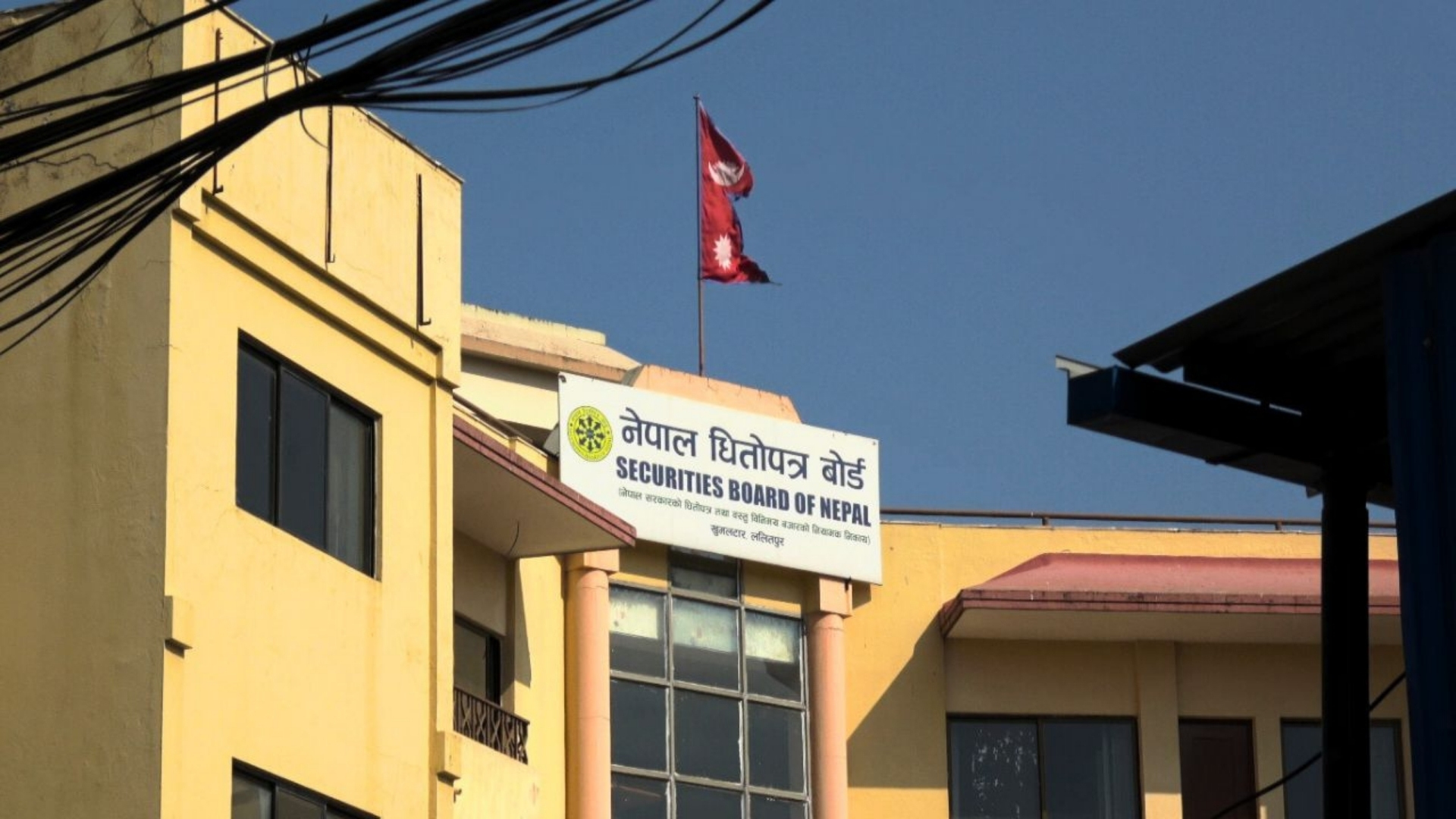
काठमाडौँ — नियामक निकाय नेपाल धितोपत्र बोर्ड (सेबोन) मा अध्यक्ष नियुक्त हुन नसक्दा प्राथमिक सार्वजनिक निष्कासन (आईपीओ) स्वीकृतिको प्रक्रिया नै ठप्पजस्तै बनेको छ । बोर्डको पछिल्लो तथ्यांकअनुसार विभिन्न क्षेत्रका १०४ कम्पनीले माग गरेका ६९ अर्ब ३० करोड ७७ लाख रुपैयाँ बराबरका ४७ करोड २८ लाख ९४ हजार कित्ताभन्दा बढी सेयरका प्रस्ताव स्वीकृतिकै पर्खाइमा थन्किएका छन् ।
तत्कालीन अध्यक्ष सन्तोषनारायण श्रेष्ठले राजीनामा दिएयता बोर्ड करिब एक महिनादेखि नेतृत्वविहीन छ । नयाँ अध्यक्ष सिफारिसका लागि गठित समितिले डा. नवराज अधिकारी, विनयदेव आचार्य, मुकुन्दकुमार क्षेत्री र डा. गोपालप्रसाद भट्टलाई अन्तिम सूचीमा राखेको थियो र तीमध्ये तीन जनाको नाम मन्त्रिपरिषद्मा पुगिसकेको छ — तर नियुक्तिले टुंगो पाएको छैन । सर्टलिस्टिङ प्रक्रिया पारदर्शी नभएको भन्दै लगानीकर्ता र सरोकारवालाले प्रश्न उठाइरहेका छन् भने प्रधानमन्त्री कार्यालयले नै सिफारिस प्रक्रियाबारे थप अध्ययन गर्न आग्रह गरेको चर्चा बजारमा चल्दा प्रक्रिया झनै लम्बिएको बताइन्छ ।
नेतृत्व शून्यताको मूल्य भने कम्पनीहरूले तिरिरहेका छन् । लामो समय स्वीकृति नपाउँदा पुँजी संकलनका योजना प्रभावित बनेका छन् — विशेषगरी जलविद्युत्, उत्पादनमूलक उद्योग र पर्यटन क्षेत्रका कम्पनीले परियोजना विस्तार, ऋण व्यवस्थापन र वित्तीय पुनर्संरचनामा चुनौती भोग्न थालेका छन् । असर आईपीओमा मात्र सीमित छैन — पूँजी बजारसम्बन्धी नीतिगत निर्णय पनि रोकिएका छन् । नियामक निकाय लामो समय नेतृत्वविहीन रहँदा लगानीकर्ता, कम्पनी र समग्र बजारमै नकारात्मक असर पर्ने जोखिम बढेको बजार सहभागीहरू बताउँछन् ।
पाइपलाइनको बनोट हेर्दा रकमका आधारमा सबैभन्दा ठूलो हिस्सा उत्पादन तथा प्रशोधन क्षेत्रको छ — यस समूहका ३० कम्पनीले ३५ अर्ब ३५ करोड रुपैयाँभन्दा बढीको आईपीओ निष्कासनका लागि निवेदन दिएका छन्, जसमा जगदम्बा स्टिल, शौर्य सिमेन्ट, मारुती सिमेन्ट र रिद्धिसिद्धि सिमेन्टजस्ता ठूला औद्योगिक कम्पनी छन् । कम्पनी संख्याका हिसाबले भने जलविद्युत् अगाडि छ — ३४ कम्पनीले १७ अर्ब ५० करोड रुपैयाँभन्दा बढी बराबरका १७ करोड १४ लाख कित्ता सेयरको अनुमति मागेका छन् । त्यस्तै होटल तथा पर्यटनका १८ कम्पनीले ६ अर्ब ४५ करोड, अन्य क्षेत्रका १४ कम्पनीले ५ अर्ब ९० करोड, लगानी समूहका पाँच कम्पनीले ३ अर्ब ४१ करोड र माइक्रो इन्स्योरेन्सका तीन कम्पनीले ६७ करोड ५० लाख रुपैयाँ बराबरका प्रस्ताव गरेका छन् ।
पाइपलाइनभित्रको अर्को प्रवृत्ति पनि उल्लेखनीय छ — प्रिमियम मूल्यमा आईपीओ जारी गर्ने चलन बढ्दो छ । एक दर्जनभन्दा बढी कम्पनीले अंकित मूल्यभन्दा माथिको दरमा सेयर बेच्ने प्रस्ताव गरेका छन्, जसमध्ये आधा दर्जन त उत्पादन तथा प्रशोधन क्षेत्रकै छन् । तर केही प्रवर्द्धकले आईपीओलाई 'एक्जिट प्लान' का रूपमा प्रयोग गर्न खोजेको भन्दै बजारमा चिन्ता पनि व्यक्त हुन थालेको छ । कम्पनीको वित्तीय अवस्था, नाफा क्षमता र दीर्घकालीन सम्भावना हेरेर मात्रै प्रिमियम आईपीओ स्वीकृत गर्नुपर्ने विज्ञहरूको जोड छ ।
स्वीकृति खुलेपछिको परिदृश्यबारे पनि विश्लेषकहरू सतर्क छन् । एकैपटक ठूलो परिमाणमा आईपीओ निष्कासन भए दोस्रो बजारबाट तरलता तानिने जोखिम रहन्छ । हाल दोस्रो बजारको कारोबार अपेक्षाकृत कमजोर र लगानीकर्ताको मनोबल अस्थिर रहेकाले आईपीओ बजारको भविष्य समग्र बजार अवस्थामै निर्भर रहने उनीहरूको भनाइ छ ।
ब्याजदर घट्दो क्रममा रहेकाले दीर्घकालीन लगानीकर्ताका लागि आईपीओ आकर्षक बन्न सक्ने भए पनि परियोजनामा आधारित — विशेषगरी जलविद्युत् र उत्पादन क्षेत्रका — कम्पनीमा लगानी गर्दा जोखिम मूल्यांकन अनिवार्य रहेको विज्ञहरूको सुझाव छ । सेबोनले स्वीकृति प्रक्रिया छरितो बनाउँदै गुणस्तरीय कम्पनीलाई प्राथमिकता दिन सके पूँजी बजारप्रतिको विश्वास थप सुदृढ हुने उनीहरूको निष्कर्ष छ ।

KATHMANDU — With the post of chairman lying vacant at the Securities Board of Nepal (SEBON), the approval process for initial public offerings has ground to a near halt. According to the regulator's latest data, proposals from 104 companies across various sectors — seeking to issue more than 472.9 million shares worth Rs 69.31 billion in total — are stuck in the queue awaiting clearance.
The board has been without leadership for around a month since then-chairman Santosh Narayan Shrestha resigned. The recommendation committee formed to pick a successor shortlisted four names — Dr. Nawaraj Adhikari, Binaya Dev Acharya, Mukunda Kumar Kshetri and Dr. Gopal Prasad Bhatta — and three of them have been forwarded to the cabinet, yet the appointment remains unconcluded. Investors and market stakeholders have questioned the transparency of the shortlisting, and with talk circulating in the market that the Prime Minister's Office has sought further study of the recommendation process, the appointment is said to have been delayed further.
The cost of the vacuum is being borne by the companies in the pipeline. Prolonged approval delays have begun disrupting capital-raising plans, with firms in hydropower, manufacturing and tourism in particular facing difficulties in project expansion, debt management and financial restructuring. The damage is not confined to IPOs either — policy decisions concerning the capital market have also stalled. Market participants warn that a regulator left leaderless for an extended period risks inflicting harm on investors, companies and the market as a whole.
A look at the pipeline shows manufacturing and processing holding the largest share by value: 30 companies from the sector have applied to raise more than Rs 35.35 billion, with major industrial names such as Jagdamba Steel, Shaurya Cement, Maruti Cement and Riddhi Siddhi Cement on the list. By number of companies, hydropower leads — 34 firms have sought permission to issue 171.4 million shares worth over Rs 17.5 billion. Eighteen hotel and tourism companies have proposed IPOs worth Rs 6.45 billion, 14 companies from other sectors Rs 5.9 billion, five investment-group companies Rs 3.41 billion, and three micro-insurance companies Rs 675 million.
Another trend inside the pipeline stands out: premium-priced IPOs are on the rise. More than a dozen companies in the queue have proposed selling shares above face value, half a dozen of them from the manufacturing and processing sector alone. The trend has stirred unease, with concerns voiced in the market that some promoters are attempting to use IPOs as an exit plan. Experts insist the regulator should approve premium offerings only on the strength of a company's financial position, profitability and long-term prospects.
Analysts are also weighing what happens once approvals resume. Releasing a large volume of IPOs at once risks draining liquidity from the secondary market — which is currently trading on relatively weak turnover and unsteady investor sentiment. The fortunes of the primary market, they say, will therefore hinge on the health of the broader market.
With interest rates on a downward path, IPOs could prove attractive to long-term investors. But experts advise careful risk assessment before investing in project-based companies, particularly in hydropower and manufacturing. If SEBON streamlines its approval process and gives priority to quality companies, they conclude, confidence in the capital market will only grow stronger.