NEPSEtrading

Make smarter moves backed by machine learning. Join thousands of traders leveraging AI to maximize profits.

nepsetrading.com is an online news portal that provides insights into trading and investment by analyzing the stock market and the global economy. We create charts based on the analysis of various indicators. Please do not rely solely on this information for investment decisions. Self-study is crucial. Use this information only as an educational and informational resource.

Marketminds Investment Group Private Limited

DOIB Registration certificate no.: 4680-2081/2082

Director & Editor-in-chief: Dipesh Ghimire · 9802363868, 9851119988

Koteshwor 32, Kathmandu
01-5253221 · +977 9709066745

Contact support

Subscribe to our newsletter

Weekly insights from the NEPSE market in your inbox.

Market

  • Stocks
  • Sectors

Company

  • About Us
  • Our Team
  • Terms of Use
  • Our Policy
  • Training
  • Contact Us

Help

  • Support
  • Report
  • FAQ

© 2026 nepsetrading.com. All rights reserved.
Owned and operated by Marketminds Investment Group Private Limited.

Charts powered by TradingView

  • Home
  • Latest
  • Trending
  • Stock
  • Education
  • International
    1. News
    2. Investor
    3. Liquidity Piles Up in Banks as Credit Demand Remains Weak
    बैंकमा पैसा थुप्रिँदै, बजारमा लगानी सुस्त
    Investor
    2 min read
    Published on May 21, 2026
    NEPSE TRADING

    बैंकमा पैसा थुप्रिँदै, बजारमा लगानी सुस्तLiquidity Piles Up in Banks as Credit Demand Remains Weak

    नेपालको बैंकिङ प्रणाली अहिले असामान्य तरलताको दबाबमा देखिएको छ। बैंक तथा वित्तीय संस्थामा पैसा लगातार बढिरहे पनि त्यसअनुसार कर्जा विस्तार हुन नसक्दा ठूलो रकम निष्क्रियजस्तै बनेको हो। आर्थिक गतिविधि अपेक्षाअनुसार चलायमान हुन नसक्नु, निजी क्षेत्र नयाँ लगानीमा उत्साहित नदेखिनु र बजारमा माग कमजोर रहनुले बैंकहरूमा पैसा थुप्रिने क्रम अझ तीव्र बनेको छ।

    नेपाल राष्ट्र बैंकको पछिल्लो विवरणअनुसार बैंक तथा वित्तीय संस्थासँग अहिले करिब १३ खर्ब रुपैयाँ बराबरको लगानीयोग्य स्रोत उपलब्ध छ। तर, कर्जा माग कमजोर हुँदा बैंकहरूले त्यो रकम बजारमा परिचालन गर्न नसकी फेरि राष्ट्र बैंककै उपकरणमा राखिरहेका छन्। अहिले १० खर्ब रुपैयाँभन्दा बढी रकम विभिन्न मौद्रिक उपकरणमार्फत केन्द्रीय बैंकमै फर्किएको अवस्था छ।

    राष्ट्र बैंकले अत्यधिक तरलता नियन्त्रणका लागि निक्षेप संकलन उपकरण, स्थायी निक्षेप सुविधा (एसडीएफ) र ऋणपत्र प्रयोग गरिरहेको छ। बजारमा बढी पैसा रहँदा ब्याजदर अत्यधिक तल झर्ने जोखिम भएपछि केन्द्रीय बैंकले निरन्तर रकम तानिरहेको हो। बैंकहरूले राष्ट्र बैंकमा पैसा राख्दा न्यून प्रतिफल मात्रै पाइरहेका छन्, जसले उनीहरूको नाफामा दीर्घकालीन दबाब पर्न सक्ने संकेत देखिएको छ।

    पछिल्ला महिनामा रेमिट्यान्स आप्रवाह उल्लेख्य बढेपछि बैंकिङ प्रणालीमा निक्षेप बढ्दो क्रममा छ। हाल कुल निक्षेप झन्डै ८० खर्ब रुपैयाँ पुगेको छ। तर कर्जा प्रवाह भने त्यसको तुलनामा निकै कम छ। बैंकहरूले निक्षेपको ठूलो हिस्सा अझै लगानी गर्न नसकेको देखिन्छ। नियामकीय रूपमा बैंकहरूले धेरै कर्जा विस्तार गर्न सक्ने अवस्था हुँदाहुँदै पनि बजारमा माग नआउँदा पैसा निष्क्रिय बन्न पुगेको हो।

    बैंकिङ क्षेत्रका अनुसार अहिले समस्या ब्याजदर मात्र होइन, समग्र आर्थिक मनोविज्ञानको हो। ब्याजदर घटे पनि उद्योगी–व्यवसायी नयाँ लगानीमा तत्काल जोखिम लिन इच्छुक छैनन्। धेरै व्यवसायी अहिले विस्तारभन्दा पुरानो दायित्व व्यवस्थापनमा केन्द्रित देखिएका छन्। व्यापार सुस्त हुँदा निजी क्षेत्रको आत्मविश्वास पूर्ण रूपमा फर्किन सकेको छैन।

    बजारमा अझै अनिश्चितताको वातावरण कायम रहनुले पनि लगानी निर्णय प्रभावित भएको देखिन्छ। कर प्रशासनको कडाइ, सम्पत्ति शुद्धीकरणसम्बन्धी निगरानी तथा विभिन्न नियामकीय अनुसन्धानले व्यवसायीहरू थप सतर्क बनेका छन्। यसले नयाँ परियोजनामा लगानी गर्नेभन्दा ‘पर्ख र हेर’ रणनीति अपनाउने प्रवृत्ति बढाएको बैंकरहरूको बुझाइ छ।

    कर्जा प्रवाह बढाउने उद्देश्यले राष्ट्र बैंकले मौद्रिक नीतिको समीक्षामार्फत विभिन्न सहुलियत घोषणा गरेको थियो। ओभरड्राफ्ट सीमा बढाउनेदेखि साना तथा मझौला कर्जामा सहजीकरणसम्मका व्यवस्था गरिए पनि त्यसले बजारमा उल्लेख्य उत्साह ल्याउन सकेको छैन। बैंकहरूले अहिले पनि ठूलो रकम सुरक्षित र अल्पकालीन उपकरणमै राखिरहेका छन्।

    अर्थविद्हरू भने बैंकमा पैसा थुप्रिनुलाई मात्रै सकारात्मक संकेत मान्न नहुने बताउँछन्। उनीहरूका अनुसार तरलता उत्पादनशील क्षेत्रमा नजाँदा अर्थतन्त्रको गति सुस्त रहन सक्छ। उद्योग, व्यापार, निर्माण र उपभोग क्षेत्र कमजोर हुँदा त्यसको असर रोजगारीदेखि सरकारी राजस्वसम्म पर्न सक्ने उनीहरूको विश्लेषण छ।

    यद्यपि बैंकिङ क्षेत्रले आगामी दिनमा सुधारको अपेक्षा भने त्यागेको छैन। लगानीकर्ताको मनोबल विस्तारै फर्किन थाले अहिले बैंकिङ प्रणालीमा थुप्रिएको यही तरलता पुनः अर्थतन्त्र चलायमान बनाउन प्रयोग हुन सक्ने विश्वास बैंकिङ क्षेत्रको छ।

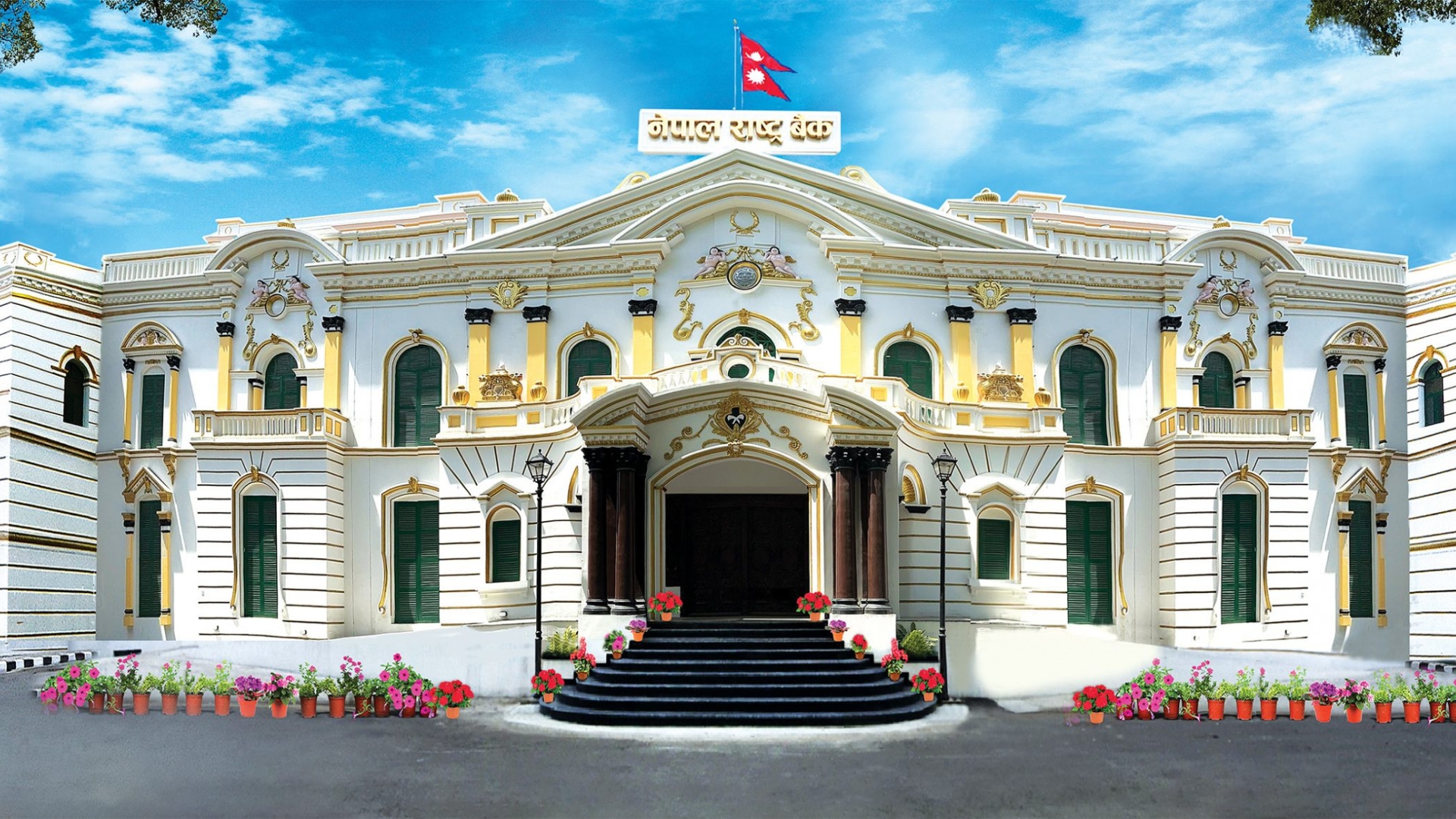
    Nepal’s banking system is currently facing mounting pressure from excess liquidity as banks continue to accumulate large amounts of idle cash amid weak credit demand. Although deposits in banks and financial institutions have been rising steadily, the overall slowdown in economic activity and cautious sentiment in the private sector have limited the expansion of lending.

    According to the latest data from the Nepal Rastra Bank, the country’s banking and financial institutions now hold investable funds worth nearly NPR 13 trillion. However, due to the lack of quality borrowers and limited investment appetite in the market, banks have been unable to channel that money into productive sectors. As a result, more than NPR 10 trillion has been parked back at the central bank through various monetary instruments.

    To manage the growing liquidity pressure, the central bank has been using deposit collection instruments, Standing Deposit Facility (SDF), and Nepal Rastra Bank bonds to absorb cash from the financial system. Officials say these measures have become necessary to prevent interbank interest rates from falling excessively due to the abundance of money in the market.

    Despite the banking rate remaining at 6 percent, commercial banks are earning only around 2.6 to 3 percent returns by depositing money at the central bank. Financial analysts believe this trend could gradually put pressure on bank profitability if credit expansion continues to remain weak.

    The rapid rise in remittance inflows over recent months has significantly boosted deposits across the banking system. Nepal’s total bank deposits have now reached nearly NPR 80 trillion. However, lending growth has failed to keep pace. Current figures show that only around 73 percent of total deposits have been converted into loans, indicating that a large portion of available resources remains unused.

    Bankers argue that the problem is no longer limited to interest rates alone. Although borrowing costs have declined sharply over the past year and a half, businesses are still reluctant to take fresh loans. Many entrepreneurs are currently focused on managing existing liabilities rather than expanding operations or launching new projects.

    The private sector’s cautious stance is also linked to broader uncertainty in the economy. Increased scrutiny related to anti-money laundering investigations, tax administration pressures, and tighter regulatory oversight have contributed to a growing “wait-and-watch” mentality among businesses. Bankers say policy stability and stronger investment confidence are still lacking despite repeated government commitments to support the private sector.

    In an attempt to encourage lending, the central bank introduced several relaxation measures through its mid-term monetary policy review. These included lowering liquidity facility rates, increasing overdraft limits, reducing risk weights for small and medium-sized loans, and offering restructuring facilities for disaster-affected borrowers. However, these measures have yet to produce any major improvement in credit demand.

    Economists say excess liquidity in banks should not automatically be viewed as a positive sign. If funds fail to flow into productive sectors, economic activity could remain sluggish for a prolonged period. Weak lending growth affects industries, trade, construction, and consumption, ultimately impacting employment generation, private investment, and government revenue collection.

    Even so, the banking sector remains cautiously optimistic about long-term recovery. Bankers believe that once investor confidence gradually returns and economic activity improves, the liquidity currently sitting idle in the financial system could once again support stronger market expansion and economic growth.

    Trending News

    • Trending14 Jun, 2026

      असारमा वाणिज्य बैंकको मुद्दति ब्याजदर थप घट्यो, ७ बैंकले दर घटाए

      Read news
    • Trending14 Jun, 2026

      नेपालकै सबैभन्दा ठूलो सम्पत्ति शुद्धीकरण मुद्दा अदालत पुग्यो, एक खर्ब ६ अर्बभन्दा बढी बिगो दाबी

      Read news
    • Trending14 Jun, 2026

      अमेरिका–इरान शान्ति सम्झौता निर्णायक मोडमा, पाकिस्तानले भन्यो — '२४ घण्टामा हस्ताक्षर सम्भव'

      Read news

    Related News

  • असारमा वाणिज्य बैंकको मुद्दति ब्याजदर थप घट्यो, ७ बैंकले दर घटाए
    Investor

    1 min read

    असारमा वाणिज्य बैंकको मुद्दति ब्याजदर थप घट्यो, ७ बैंकले दर घटाए

    NEPSE TRADING

    ·

    14 Jun, 2026

  • नेपालकै सबैभन्दा ठूलो सम्पत्ति शुद्धीकरण मुद्दा अदालत पुग्यो, एक खर्ब ६ अर्बभन्दा बढी बिगो दाबी
    Investor

    4 min read

    नेपालकै सबैभन्दा ठूलो सम्पत्ति शुद्धीकरण मुद्दा अदालत पुग्यो, एक खर्ब ६ अर्बभन्दा बढी बिगो दाबी

    NEPSE TRADING

    ·

    14 Jun, 2026

  • अमेरिका–इरान शान्ति सम्झौता निर्णायक मोडमा, पाकिस्तानले भन्यो — '२४ घण्टामा हस्ताक्षर सम्भव'
    Top

    1 min read

    अमेरिका–इरान शान्ति सम्झौता निर्णायक मोडमा, पाकिस्तानले भन्यो — '२४ घण्टामा हस्ताक्षर सम्भव'

    NEPSE TRADING

    ·

    14 Jun, 2026

  • शेयर बजारमा जलविद्युत कम्पनी : अनुत्तरित प्रश्नहरूको भारले थिचिएको लगानीकर्ता
    Investor

    5 min read

    शेयर बजारमा जलविद्युत कम्पनी : अनुत्तरित प्रश्नहरूको भारले थिचिएको लगानीकर्ता

    NEPSE TRADING

    ·

    12 Jun, 2026

  • नेपालको पुँजी बजार : तीन दशकको यात्रा, अझै अधुरो सुधार
    Investor

    3 min read

    नेपालको पुँजी बजार : तीन दशकको यात्रा, अझै अधुरो सुधार

    Dipesh Ghimire

    ·

    12 Jun, 2026