इरानसँग सम्बन्धित युद्ध तथा मध्यपूर्वमा चर्किएको तनावले विश्व अर्थतन्त्रमा नयाँ दबाब सिर्जना गरेको छ। ऊर्जा आपूर्तिको मुख्य केन्द्र मानिने यस क्षेत्रको अस्थिरताका कारण अन्तर्राष्ट्रिय बजारमा कच्चा तेलको मूल्य तीव्र रूपमा बढ्दै गएको छ, जसको असर विस्तारै दैनिक उपभोग्य वस्तुहरूसम्म पुग्न थालेको छ।
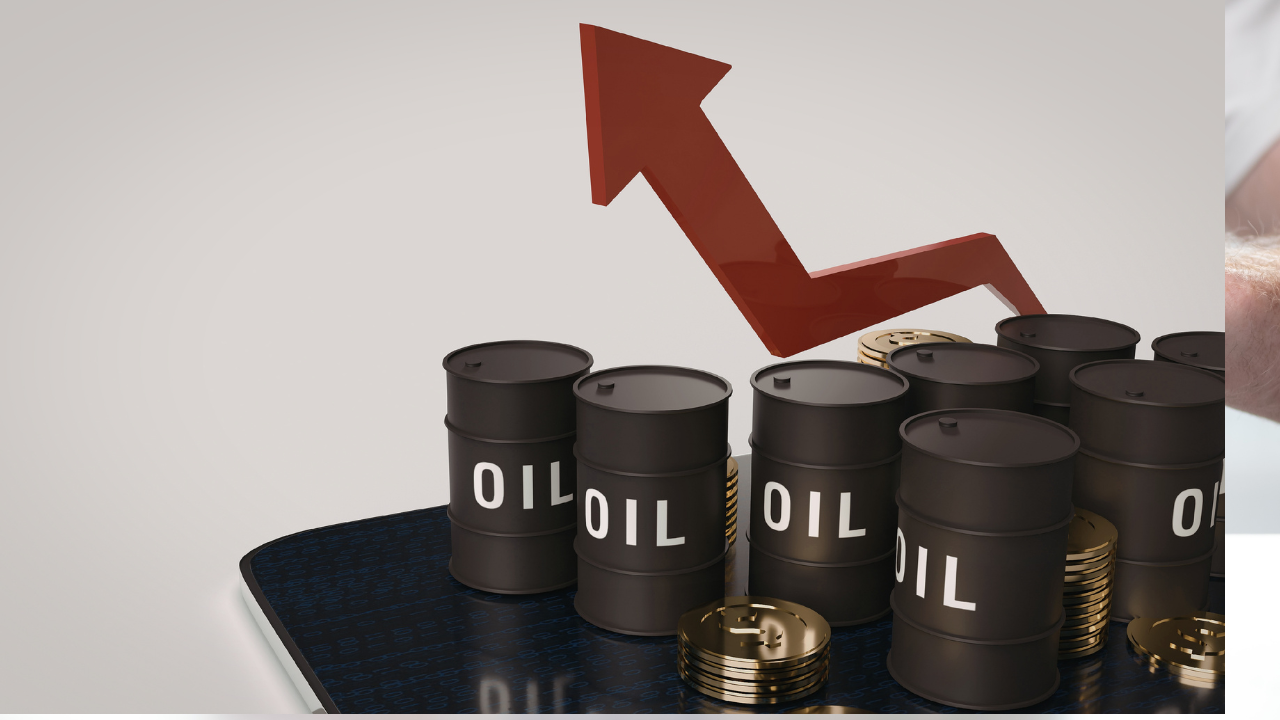
मध्यपूर्व विश्वको प्रमुख तेल उत्पादक क्षेत्र भएकाले त्यहाँको कुनै पनि राजनीतिक वा सैन्य तनावले विश्व बजारलाई सीधै प्रभावित पार्ने गर्छ। पछिल्लो अवस्थाले आपूर्ति शृंखलामा अनिश्चितता बढाएको छ भने तेलको मूल्यमा आएको उछालले उद्योग तथा उपभोक्ता दुवैलाई दबाबमा पारेको छ।
विशेषगरी पेट्रोलियमजन्य कच्चा पदार्थमा निर्भर उद्योगहरू सबैभन्दा बढी प्रभावित भएका छन्। पोलिस्टर, एक्रिलिकजस्ता कृत्रिम धागो तथा रसायनको लागत बढ्दा कपडा, जुत्ता, प्लास्टिक, सौन्दर्य सामग्री, औषधि तथा इलेक्ट्रोनिक उपकरण उत्पादन महँगिँदै गएको छ। उद्योगीहरूले कच्चा पदार्थको मूल्य १० देखि १५ प्रतिशतसम्म बढिसकेको जनाउँदै यसको असर निकट भविष्यमै खुद्रा बजारमा थप देखिने संकेत गरेका छन्।
यता इन्धनको मूल्य वृद्धिले ढुवानी क्षेत्रलाई पनि प्रभावित बनाएको छ। पेट्रोल र डिजेल महँगिएसँगै यातायात खर्च बढेको छ, जसको प्रत्यक्ष असर खाद्यान्न, लत्ताकपडा लगायतका आवश्यक वस्तुको मूल्यमा परेको देखिन्छ। यसले महँगीलाई थप चर्काउने सम्भावना बढाएको छ।
पर्यटन तथा हवाई क्षेत्रमा पनि यसको प्रभाव देखिन थालेको छ। हवाई इन्धन महँगिएपछि एयरलाइन्सहरूले टिकट दर बढाउन थालेका छन्, जसले यात्रुहरूलाई थप आर्थिक भार पारेको छ। अन्तर्राष्ट्रिय उडानसँगै आन्तरिक उडानमा पनि लागत वृद्धि देखिने संकेत मिलेको छ।
अर्थशास्त्रीहरूका अनुसार तेलमा निर्भर विश्व अर्थतन्त्रका लागि यस्तो प्रकारको द्वन्द्व दीर्घकालीन चुनौती बन्न सक्छ। यसले महँगी दर बढाउने, आपूर्ति शृंखला अवरुद्ध गर्ने र समग्र आर्थिक गतिविधिमा सुस्तता ल्याउने जोखिम रहेको उनीहरूको भनाइ छ। त्यसैले इरानसँग जोडिएको यो तनाव केवल क्षेत्रीय मुद्दामा सीमित नरही विश्वव्यापी आर्थिक स्थिरतामै चुनौतीका रूपमा देखा परेको विश्लेषण गरिएको छ।
Rising geopolitical tensions involving Iran have begun to exert significant pressure on the global economy, with sharp increases in crude oil prices already creating ripple effects across multiple sectors. As instability deepens in the Middle East—one of the world’s most critical energy supply regions—concerns are growing over its broader economic consequences.
The Middle East plays a central role in global energy supply, and any disruption in the region tends to directly impact international markets. The recent escalation has led to uncertainty in oil supply, driving prices upward and placing immediate strain on both industries and consumers worldwide.
Industries heavily dependent on petroleum-based raw materials are among the most affected. The cost of synthetic fibers such as polyester and acrylic, along with various petrochemicals, has risen noticeably. This increase is gradually pushing up production costs in sectors like textiles, footwear, plastics, cosmetics, pharmaceuticals, and electronics. Industry sources indicate that raw material prices have already climbed by 10 to 15 percent, with further increases expected to be passed on to consumers in the coming weeks.
The impact is also being felt in transportation. Higher fuel prices have led to increased logistics and distribution costs, which are now feeding into the prices of essential goods such as food and clothing. This trend is likely to intensify inflationary pressures, particularly in import-dependent economies.
The travel and aviation sector has not been spared either. With aviation fuel costs rising, airlines have started adjusting ticket prices upward, adding financial strain on travelers. Both international and domestic airfares are expected to reflect this cost escalation if the situation persists.
Economists warn that prolonged conflict in the region could pose a serious challenge to global economic stability. Increased oil prices tend to drive inflation higher, disrupt supply chains, and slow down overall economic activity. As a result, the ongoing tensions linked to Iran are increasingly being viewed not just as a regional conflict, but as a developing global economic risk.