प्रसारण लाइन निर्माणमा निजी क्षेत्र भित्र्याउँदै प्राधिकरण, चार आयोजनामा १८ कम्पनीको चासोNEA Opens Transmission Line Development to Private Competition
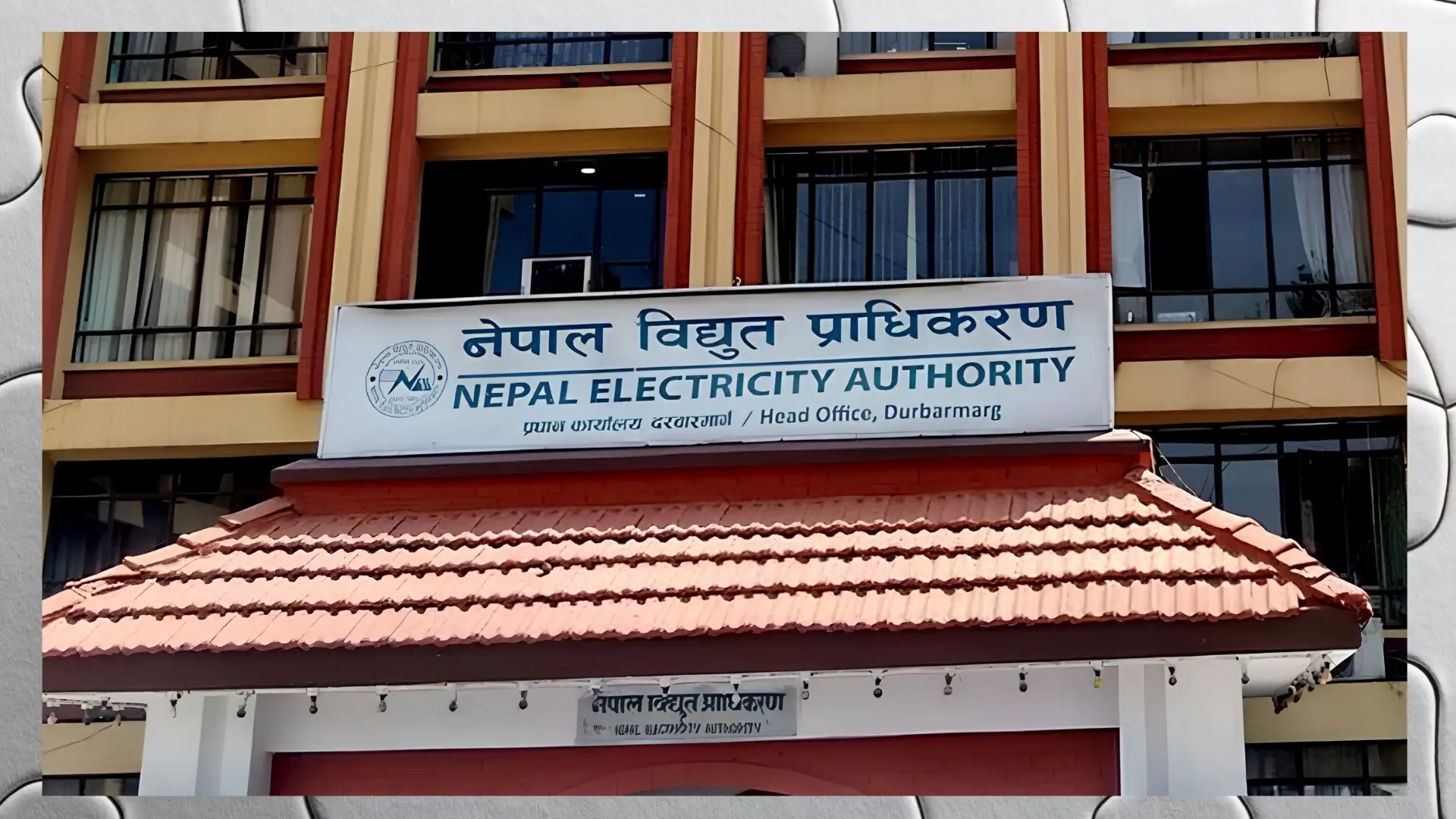
काठमाडौँ — नेपाल विद्युत् प्राधिकरणले प्रसारण लाइन निर्माणमा निजी तथा विदेशी लगानीकर्तालाई प्रतिस्पर्धामार्फत सहभागी गराउने प्रक्रिया अघि बढाएको छ। प्राधिकरणले पहिलो पटक ट्यारिफ बेस्ड कम्पिटिटिभ बिडिङ ९टीबीसीबी० मोडलअन्तर्गत चार प्रसारण लाइन आयोजना निर्माण, सञ्चालन र हस्तान्तरणका लागि कम्पनीहरूबाट आशयपत्र मागेको हो।
प्राधिकरणले अघि सारेको यो प्रक्रिया नेपालको प्रसारण पूर्वाधार विकासमा नयाँ अभ्यासका रूपमा हेरिएको छ। यसअघि अधिकांश प्रसारण लाइन प्राधिकरण आफैंले निर्माण गर्दै आएकोमा अब निजी क्षेत्रलाई पनि प्रसारण पूर्वाधारमा प्रत्यक्ष रूपमा सहभागी गराउने बाटो खुलेको छ।
चार प्रसारण लाइनका लागि नेपाल, भारत, चीन र अमेरिकासम्मका कम्पनी तथा संयुक्त उपक्रमले चासो देखाएका छन्। प्राधिकरणका अनुसार स्वदेशी तथा विदेशी गरी १८ कम्पनी/कन्सोर्टियमले आशयपत्र पेस गरेका छन्।
प्राधिकरणले अब प्राप्त प्रस्तावको प्राविधिक तथा वित्तीय मूल्यांकन गर्नेछ। पहिलो चरणमा योग्य कम्पनीहरू छनोट भएपछि दोस्रो चरणमा उनीहरूलाई विस्तृत प्रस्ताव मागिनेछ। अन्तिम प्रतिस्पर्धामा सबैभन्दा उपयुक्त र प्रतिस्पर्धी प्रसारण सेवा शुल्क प्रस्ताव गर्ने कम्पनीले आयोजना पाउनेछ।
यो मोडलअन्तर्गत छनोट हुने कम्पनीले आयोजना अध्ययन, विस्तृत डिजाइन, लगानी व्यवस्थापन, निर्माण, सञ्चालन तथा मर्मतसम्भारको जिम्मेवारी आफैं लिनुपर्नेछ। आयोजना व्यावसायिक सञ्चालनमा आएपछि कम्पनीले निश्चित अवधिसम्म प्रसारण लाइन सञ्चालन गर्नेछ। त्यसपछि प्रसारण लाइन र सम्बन्धित संरचना प्राधिकरणलाई हस्तान्तरण गर्नुपर्ने व्यवस्था छ।
प्राधिकरणले प्रतिस्पर्धाका लागि अघि सारेका आयोजनामा शीतलपाटी ९अरुण हब०–इनरुवा ४०० केभी प्रसारण लाइन, तिङ्ला–न्यू खिम्ती–सुनकोशी हब–ढल्केबर ४०० केभी प्रसारण लाइन, डाँडाखेत–बुर्तिबाङ १३२ केभी प्रसारण लाइन र रिडी–तम्घास १३२ केभी प्रसारण लाइन छन्।
शीतलपाटी–इनरुवा प्रसारण लाइन करिब ९५ किलोमिटर लामो हुनेछ। संखुवासभाको शीतलपाटीदेखि सुनसरीको इनरुवासम्म पुग्ने यो लाइन अरुण करिडोरमा निर्माणाधीन तथा प्रस्तावित जलविद्युत् आयोजनाबाट उत्पादन हुने विद्युत् राष्ट्रिय प्रसारण प्रणालीमा जोड्न महत्वपूर्ण मानिएको छ।
त्यस्तै तिङ्ला–न्यू खिम्ती–सुनकोशी हब–ढल्केबर प्रसारण लाइन चार आयोजनामध्ये सबैभन्दा ठूलो हो। करिब १३४ किलोमिटर लामो यो लाइनले सोलुखुम्बु, ओखलढुंगा, रामेछाप, दोलखा, सिन्धुली र धनुषासम्मको क्षेत्र समेट्नेछ। यसलाई पूर्वी र मध्य नेपालको विद्युत् प्रवाह प्रणाली बलियो बनाउने प्रमुख आयोजनाका रूपमा लिइएको छ।
डाँडाखेत–बुर्तिबाङ १३२ केभी प्रसारण लाइन म्याग्दी र बागलुङ क्षेत्रमा निर्माण हुने प्रस्ताव गरिएको छ। करिब ३३ किलोमिटर लामो यो लाइनले पश्चिमी भेगका जलविद्युत् आयोजनाबाट उत्पादन हुने विद्युत् प्रवाहलाई सहज बनाउने अपेक्षा गरिएको छ।
रिडी–तम्घास १३२ केभी प्रसारण लाइन पाल्पा र गुल्मी जोड्ने आयोजना हो। करिब २८ किलोमिटर लामो यो लाइनले लुम्बिनी प्रदेशका पहाडी जिल्लामा विद्युत् आपूर्ति र प्रसारण प्रणालीलाई थप भरपर्दो बनाउने विश्वास गरिएको छ।
प्राधिकरणले खुलाएका चार आयोजनामध्ये रिडी–तम्घास प्रसारण लाइनमा सबैभन्दा धेरै कम्पनीको चासो देखिएको छ। त्यसपछि डाँडाखेत–बुर्तिबाङ, शीतलपाटी–इनरुवा र तिङ्ला–न्यू खिम्ती–सुनकोशी हब–ढल्केबर आयोजनामा क्रमशः कम्पनीहरूले आवेदन दिएका छन्।
प्रतिस्पर्धामा भारत र चीनका ठूला प्रसारण तथा पूर्वाधार कम्पनीको उपस्थिति उल्लेखनीय देखिएको छ। भारतको पावर ग्रिड कर्पोरेसन अफ इन्डिया, अशोका बिल्डकन, मेघा इन्जिनियरिङलगायत कम्पनीले विभिन्न आयोजनामा चासो देखाएका छन्। चीनका टीबीईए र चाइना नेसनल मेसिनरी इम्पोर्ट एन्ड एक्सपोर्ट कर्पोरेसन पनि प्रतिस्पर्धामा सहभागी भएका छन्।
विदेशी कम्पनीसँगै नेपाली कम्पनी तथा संयुक्त उपक्रमले पनि आशयपत्र पेस गरेका छन्। पावर ट्रान्समिसन कम्पनी नेपाल, हाई हिमालय हाइड्रो कन्स्ट्रक्सन, शिवश्री–डाँफे जेभी, युनिभर्सल–माउन्टेन कन्सोर्टियम, सिग्मा कन्स्ट्रक्सन–हुलास स्टिललगायत समूहले विभिन्न आयोजनामा चासो देखाएका छन्।
तर, नेपाली निजी क्षेत्रको सहभागिता अपेक्षाकृत कम देखिएको छ। ऊर्जा उद्यमीहरूका अनुसार प्रसारण लाइन निर्माणमा लगानी ठूलो पर्ने, प्रतिफलको सुनिश्चितता चाहिने, बैंकबाट ऋण जुटाउन सहज हुने गरी सम्झौता संरचना स्पष्ट हुनुपर्ने र क्षमता बुकिङसम्बन्धी व्यवस्था व्यावहारिक हुनुपर्ने विषय अझै चुनौतीका रूपमा छन्।
नेपालमा आगामी वर्षहरूमा जलविद्युत् उत्पादन तीव्र रूपमा बढ्ने प्रक्षेपण गरिएको छ। उत्पादन बढे पनि प्रसारण लाइन समयमै निर्माण हुन नसक्दा विद्युत् खेर जाने जोखिम रहँदै आएको छ। यही कारण सरकारले प्रसारण पूर्वाधारमा नयाँ लगानी मोडल अघि सार्न थालेको हो।
ऊर्जा क्षेत्रका जानकारहरूका अनुसार टीबीसीबी मोडल सफल भए प्रसारण लाइन निर्माणमा निजी लगानी बढ्न सक्छ। यसले प्राधिकरणमाथिको वित्तीय भार कम गर्न, आयोजना निर्माणको गति बढाउन र विद्युत् प्रवाह प्रणालीलाई बलियो बनाउन सहयोग पुग्ने अपेक्षा गरिएको छ।
यद्यपि यो मोडलको सफलता प्राधिकरणले तयार पार्ने सम्झौता संरचना, लगानीकर्ताले पाउने प्रतिफल, बैंकहरूले गर्ने विश्वास र सरकारी निकायबाट हुने सहजीकरणमा निर्भर रहनेछ।
अब प्राधिकरणले प्राप्त आशयपत्रको मूल्यांकन गरी योग्य कम्पनीहरूको सूची तयार पार्नेछ। त्यसपछि दोस्रो चरणको प्रतिस्पर्धाबाट चारवटै प्रसारण लाइन आयोजना कुन कम्पनीले बनाउने भन्ने टुंगो लाग्नेछ।
Kathmandu — Nepal Electricity Authority has moved ahead with a new model to involve private and international companies in the development of transmission infrastructure.
For the first time, the authority has introduced competition under the Tariff-Based Competitive Bidding model for the construction, ownership, operation and eventual transfer of transmission line projects. The process is being viewed as a major shift in Nepal’s power transmission sector, which has largely been handled by the authority itself until now.
According to the authority, 18 domestic and international companies and consortiums have submitted expressions of interest for four transmission line projects. Companies from Nepal, India, China and the United States have shown interest in the projects.
The authority will now evaluate the technical and financial capacity of the applicants. Companies that qualify in the first stage will be invited to participate in the second stage, known as the request for proposal process.
In the final stage, the company offering the most competitive annual transmission service charge will be selected for the project. The selected developer will be responsible for detailed studies, financing, construction, operation and maintenance of the transmission line.
Under the proposed arrangement, the company will operate the transmission line for a fixed period after commercial operation begins. After that period, the entire project infrastructure will be handed over to Nepal Electricity Authority free of cost.
The four projects opened for competition include the Shitalpati, or Arun Hub, to Inaruwa 400 kV transmission line; the Tingla–New Khimti–Sunkoshi Hub–Dhalkebar 400 kV transmission line; the Dandakhet–Burtibang 132 kV transmission line; and the Ridi–Tamghas 132 kV transmission line.
The Shitalpati–Inaruwa transmission line will be around 95 kilometres long. It is expected to help bring electricity generated from hydropower projects in the Arun corridor into the national grid.
The Tingla–New Khimti–Sunkoshi Hub–Dhalkebar line is the largest among the four projects. The proposed 134-kilometre transmission line will pass through several districts, including Solukhumbu, Okhaldhunga, Ramechhap, Dolakha, Sindhuli and Dhanusha.
The Dandakhet–Burtibang transmission line will connect Myagdi and Baglung. The 33-kilometre line is expected to strengthen the power evacuation system for hydropower projects in the western region.
Similarly, the Ridi–Tamghas 132 kV transmission line will connect Palpa and Gulmi. The 28-kilometre line is expected to improve electricity transmission and supply reliability in the hilly districts of Lumbini Province.
Among the four projects, the Ridi–Tamghas line has attracted the highest number of applicants. The Dandakhet–Burtibang project has also drawn strong interest, while comparatively fewer proposals have been received for the larger 400 kV projects.
Major Indian and Chinese companies have shown notable interest in the competition. India’s Power Grid Corporation of India, Ashoka Buildcon and other infrastructure firms have applied for different projects. Chinese companies, including TBEA and China National Machinery Import and Export Corporation, have also entered the competition.
Nepali companies and joint ventures are also participating in the process. These include Power Transmission Company Nepal, High Himalaya Hydro Construction, Shivashree–Danfe JV, Universal–Mountain Consortium, Sigma Construction–Hulas Steel and other local groups.
However, the participation of Nepal’s private sector appears relatively limited. Energy entrepreneurs say the investment model must be more bankable, with clearer provisions on returns, financing security and capacity booking.
Nepal is preparing for a major expansion in hydropower generation in the coming years. However, delays in transmission line construction have remained one of the biggest obstacles to evacuating electricity from new projects.
Officials and energy sector experts believe that the competitive bidding model could help attract private investment, reduce the financial burden on the government and the authority, and speed up transmission infrastructure development.
Still, the success of the model will depend on the clarity of project agreements, investor confidence, bank financing and timely support from government agencies.
The authority will now shortlist qualified companies after evaluating the submitted expressions of interest. The future of the four transmission line projects will be decided through the next stage of competitive bidding.