१९औँ गणतन्त्र दिवस : इतिहासको सम्झना, भविष्यको जिम्मेवारीNepal Marks 19th Republic Day: Reflecting on the Past, Reckoning with the Future
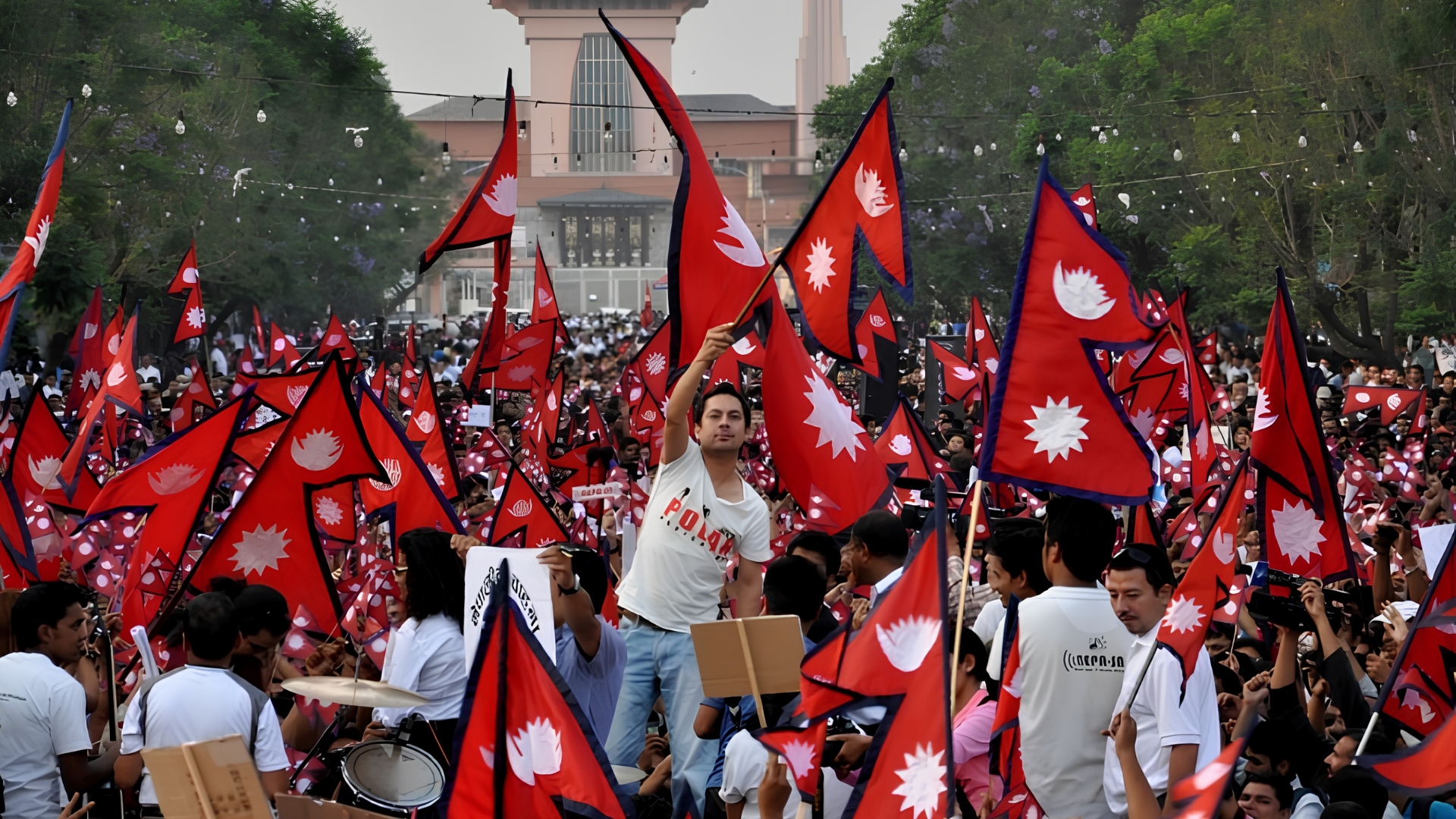
काठमाडौं — २४० वर्षे शाहवंशीय राजतन्त्रलाई विदाई दिएर जनसत्ता स्थापना भएको त्यो ऐतिहासिक क्षणलाई आज देशले फेरि एकपटक सम्झिँदैछ। जेठ १५ गतेको यो दिनमा नेपाल आफ्नो १९औँ गणतन्त्र दिवस राष्ट्रिय गर्वका साथ मनाउँदैछ।
२०६५ साल जेठ १५ गते निर्वाचित पहिलो संविधानसभाको ऐतिहासिक बैठकले नेपाललाई सङ्घीय लोकतान्त्रिक गणतन्त्र घोषणा गरेको थियो। सात राजनीतिक दलको शान्तिपूर्ण जनआन्दोलन र नेकपा माओवादीको दशकौँ लामो सशस्त्र सङ्घर्षको संयुक्त परिणतिले यो कीर्तिमानी परिवर्तन सम्भव बनाएको थियो। त्यही दिनदेखि नागरिक सर्वोच्चताको नयाँ अध्याय सुरु भएको हो।
मूल समारोह आज सैनिक मञ्च टुँडिखेलमा भव्य रूपमा आयोजना गरिएको छ। राष्ट्रपति रामचन्द्र पौडेलको अध्यक्षतामा हुने यस समारोहमा उपराष्ट्रपति, प्रधानमन्त्री, सभामुख र राष्ट्रियसभाका अध्यक्षसहित राज्यका उच्च पदस्थ व्यक्तित्वहरू सहभागी हुनेछन्। नेपाली सेना, नेपाल प्रहरी र सशस्त्र प्रहरी बलका जवानहरूको मार्चपास्ट र विविध सांस्कृतिक झाँकीहरूले समारोहलाई थप रौनक दिनेछन्।
यस अवसरमा गणतन्त्र स्थापनाका लागि प्राण आहुती दिने सहिदहरूप्रति श्रद्धाञ्जली अर्पण गरिँदैछ। लोकतन्त्रका लागि सङ्घर्ष, त्याग र बलिदान गर्ने अगुवाहरूको योगदानलाई राष्ट्रले कृतज्ञतापूर्वक स्मरण गर्दैछ। गणतन्त्र केवल एक शासन व्यवस्था मात्र नभई यो नागरिकको जीवन जिउने एक गरिमामय पद्धति पनि हो भन्ने भावना यस दिवसको केन्द्रमा रहेको छ।
गणतन्त्रले नागरिकलाई शिक्षा, स्वास्थ्य, सामाजिक सुरक्षा र समावेशी अधिकारको संवैधानिक ग्यारेन्टी दिएको छ। तर अठार वर्षको यात्रामा राजनीतिक अधिकारको उपलब्धिपछि अब आर्थिक समृद्धि र सुशासनको खाँचो नागरिकले तीव्र रूपमा महसुस गरिरहेका छन्।
राजनीतिक विश्लेषकहरूका अनुसार गणतन्त्रको वास्तविक सफलता कागजी घोषणामा होइन, नागरिकको दैनिक जीवनमा आउने सकारात्मक परिवर्तनमा मापन हुन्छ। रोजगारी विस्तार, उत्पादन वृद्धि र भ्रष्टाचारमुक्त प्रशासनमार्फत आम जनतालाई गणतन्त्रको मर्म बुझाउनु नै आजको सबभन्दा ठूलो राष्ट्रिय दायित्व रहेको उनीहरूको ठम्याइ छ।
Kathmandu — The nation paused today to remember the moment it rewrote its own history — the day a 240-year-old monarchy gave way to the will of the people. Nepal is celebrating its 19th Republic Day on the 15th of Jestha, marking nearly two decades since the proclamation that fundamentally transformed the country's political identity.
On this day in 2065 BS, the first elected Constituent Assembly convened a landmark session and formally declared Nepal a Federal Democratic Republic. The transformation was the culmination of a dual struggle — the peaceful mass movement led by seven major political parties and the decade-long armed insurgency of the CPN (Maoist). Together, these forces dismantled centuries of monarchical rule and placed sovereignty firmly in the hands of the citizenry.
The central celebration is being held today at the Army Pavilion, Tundikhel, in a grand state ceremony. President Ram Chandra Paudel is presiding over the event, with the Vice President, Prime Minister, Speaker of the House of Representatives, and the Chairman of the National Assembly among the dignitaries in attendance. The ceremony features a formal march past by the Nepal Army, Nepal Police, and the Armed Police Force, accompanied by vibrant cultural performances representing the nation's rich diversity.
The occasion is also one of solemn reflection. Tributes are being paid to the martyrs who sacrificed their lives for the cause of democracy, and the contributions of those who endured hardship, persecution, and exile in pursuit of a free republic are being honoured with deep national gratitude. Republic Day, in that sense, is as much a memorial as it is a celebration.
The system established on that historic day has since guaranteed citizens their constitutional rights to education, healthcare, social security, and proportional inclusion in state affairs. These achievements represent a significant departure from the exclusionary structures of the past. Yet as Nepal enters the 20th year of its republican journey, public expectations have grown sharper and more urgent.
Political analysts argue that the true measure of a republic lies not in its founding declaration but in the daily lives of its people. Sustainable employment, increased domestic production, and a corruption-free administration are no longer aspirational demands — they are the unfinished obligations of a system that promised transformation. Delivering on those promises, analysts say, remains the defining challenge and the most pressing national responsibility of this era.