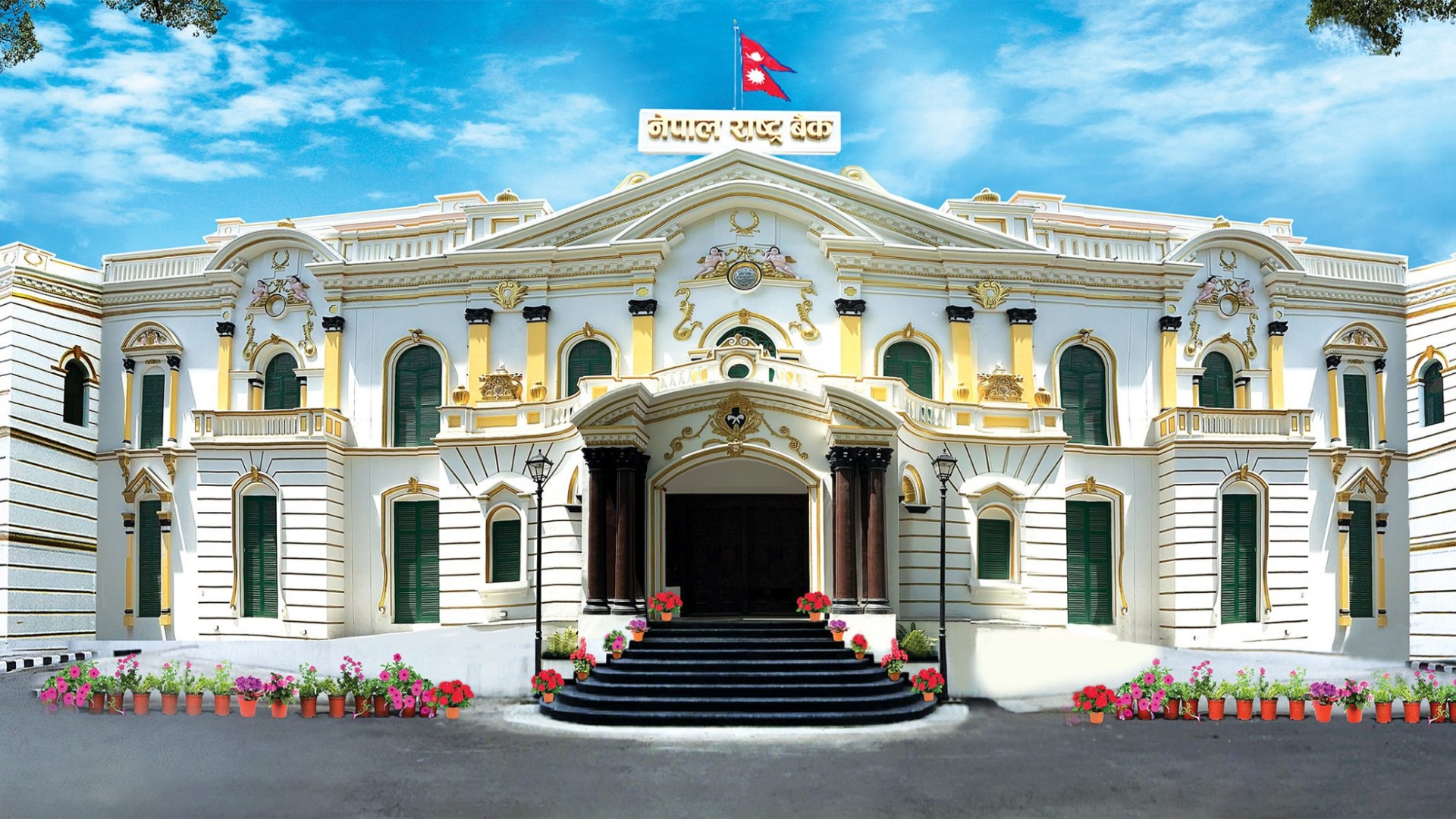
नेपाल राष्ट्र बैंकले चालु आर्थिक वर्षको मौद्रिक नीतिको तेस्रो त्रैमासिक समीक्षा सार्वजनिक गर्दै अहिलेको लचिलो नीति निरन्तरता दिएको छ । विदेशी मुद्रा सञ्चिति बलियो रहनु, मुद्रास्फीति नियन्त्रणभित्र हुनु र अर्थतन्त्र अपेक्षाअनुसार चलायमान हुन नसक्नुका कारण केन्द्रीय बैंकले नीतिगत दरहरू यथावत् राखेको हो ।
राष्ट्र बैंकले बैंकदर, सीआरआर, एसएलआर तथा ब्याजदर करिडोरमा कुनै परिवर्तन नगरेपछि तत्काल ब्याजदरमा ठूलो उतारचढाव नआउने संकेत देखिएको छ । अहिले बैंकिङ प्रणालीमा अधिक तरलता रहे पनि कर्जा विस्तार भने सुस्त नै छ ।
समीक्षाअनुसार चालु आर्थिक वर्षमा आर्थिक वृद्धिदर ३.८५ प्रतिशतमा सीमित रहने अनुमान गरिएको छ । कृषि क्षेत्र कमजोर देखिए पनि उद्योग र सेवा क्षेत्रमा सामान्य सुधारको संकेत देखिएको छ ।
राष्ट्र बैंकले विप्रेषण आप्रवाह बढ्दा बाह्य क्षेत्र बलियो बनेको जनाएको छ । तर पश्चिम एसियामा बढ्दो तनावले इन्धन मूल्य, विप्रेषण र आयात खर्चमा दबाब पर्न सक्ने चेतावनी पनि दिएको छ ।
हाल औसत निक्षेप ब्याजदर ३.४० प्रतिशत र कर्जा ब्याजदर ६.७७ प्रतिशत कायम छ । यद्यपि ब्याजदर घट्दा पनि निजी क्षेत्रको लगानी र कर्जा माग अपेक्षाअनुसार बढ्न सकेको छैन ।
समग्रमा राष्ट्र बैंकले अहिले कडाइभन्दा अर्थतन्त्रलाई चलायमान बनाउने रणनीति रोजेको देखिएको छ ।
Nepal Rastra Bank has continued its flexible monetary policy stance through the third quarterly review of the current fiscal year, citing strong foreign exchange reserves, controlled inflation, and weaker-than-expected economic growth.
The central bank has kept key policy tools such as the bank rate, CRR, SLR, and interest rate corridor unchanged, signaling that major fluctuations in interest rates are unlikely in the near term. Although liquidity remains high in the banking system, credit expansion is still slow.
According to the review, Nepal’s economic growth is projected to remain limited to 3.85 percent this fiscal year. While the agriculture sector has weakened due to unfavorable weather and natural disasters, the industrial and service sectors have shown moderate improvement.
The central bank stated that rising remittance inflows have strengthened the external sector. However, it also warned that growing geopolitical tensions in West Asia could create pressure on fuel prices, remittance inflows, and import costs in the coming months.
Currently, the average deposit interest rate of commercial banks stands at 3.40 percent, while the average lending rate remains at 6.77 percent. Despite lower interest rates, private sector investment and credit demand have not expanded as expected.
Overall, Nepal Rastra Bank appears focused on supporting economic activity rather than tightening monetary conditions at this stage.