NEPSEtrading

Make smarter moves backed by machine learning. Join thousands of traders leveraging AI to maximize profits.

nepsetrading.com is an online news portal that provides insights into trading and investment by analyzing the stock market and the global economy. We create charts based on the analysis of various indicators. Please do not rely solely on this information for investment decisions. Self-study is crucial. Use this information only as an educational and informational resource.

Marketminds Investment Group Private Limited

DOIB Registration certificate no.: 4680-2081/2082

Director & Editor-in-chief: Dipesh Ghimire · 9802363868, 9851119988

Koteshwor 32, Kathmandu
01-5253221 · +977 9709066745

Contact support

Subscribe to our newsletter

Weekly insights from the NEPSE market in your inbox.

Get the app

Track markets, signals and alerts from your phone.

Get it onGoogle Play

Market

  • Stocks
  • Sectors

Company

  • About Us
  • Our Team
  • Terms of Use
  • Our Policy
  • Training
  • Contact Us

Help

  • Support
  • Report
  • FAQ

© 2026 nepsetrading.com. All rights reserved.
Owned and operated by Marketminds Investment Group Private Limited.

Charts powered by TradingView

  1. News
  2. Top
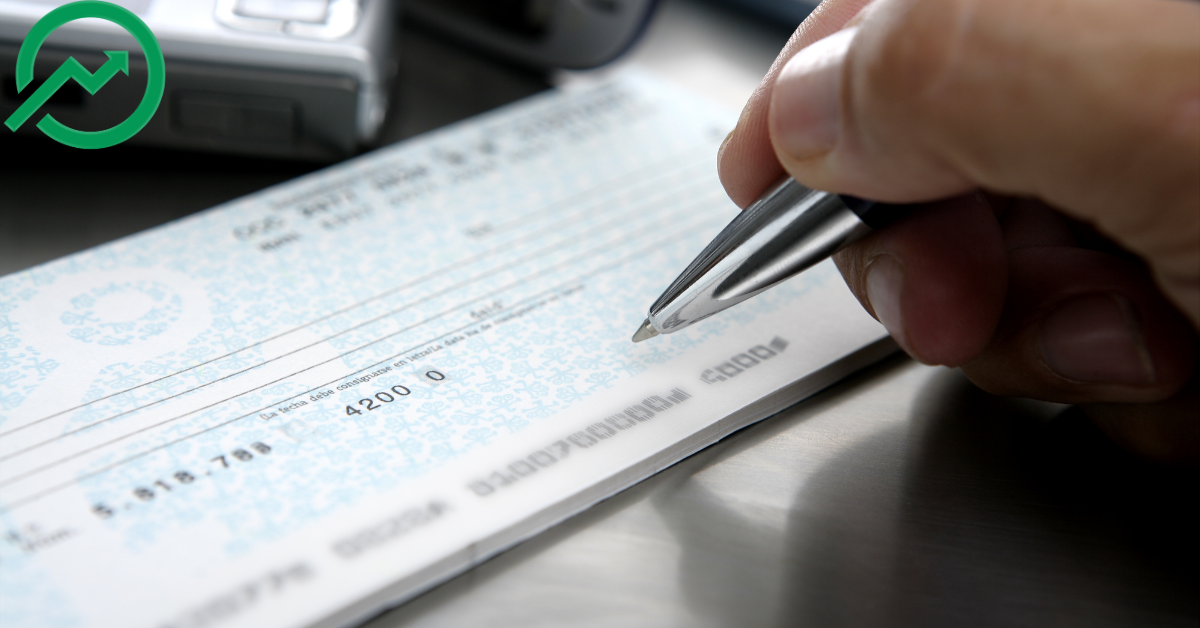
  3. Nepal Rastra Bank Issues Procedural Manual on Cheque Dishonour Cases
चेक बाउन्ससम्बन्धी मुद्दा व्यवस्थापनका लागि राष्ट्र बैंकको नयाँ निर्देशिका सार्वजनिक
Top
2 min read
Updated on July 11, 2025
NepseTrading

चेक बाउन्ससम्बन्धी मुद्दा व्यवस्थापनका लागि राष्ट्र बैंकको नयाँ निर्देशिका सार्वजनिकNepal Rastra Bank Issues Procedural Manual on Cheque Dishonour Cases

काठमाडौं, २७ असार – चेक बाउन्ससम्बन्धी मुद्दालाई विधिसम्मत, पारदर्शी र एकरूप रूपमा समाधान गर्ने उद्देश्यले नेपाल राष्ट्र बैंकले एक महत्वपूर्ण निर्देशिका सार्वजनिक गरेको छ। “रोकिएको चेकसम्बन्धी कसूरको कारबाही प्रक्रिया, २०८१” शीर्षकमा सार्वजनिक यो निर्देशिका न्याय परिषद्, सरकारी वकिल कार्यालय र अन्य कानुनी निकायको सहकार्यमा तयार पारिएको हो।

उद्देश्य र पृष्ठभूमि

चेक बाउन्ससम्बन्धी मुद्दामा विगतमा देखिएका कानुनी अन्योल, निर्णयमा असमानता र दुरुपयोगको सम्भावनालाई न्यून गर्ने उद्देश्यले यो निर्देशिका ल्याइएको हो। सर्वोच्च अदालतको फैसलाको आधारमा यो दस्तावेजले चेक बाउन्सलाई दण्डनीय कसूर बनाउने कानुनी मापदण्डलाई स्पष्ट पारेको छ।

प्रमुख परिभाषा र कानुनी मान्यता

निर्देशिकाले ‘चेक दिने व्यक्ति’, ‘चेक रोकिएको अवस्था’ र ‘कसूर’ जस्ता महत्वपूर्ण पदहरूलाई स्पष्ट परिभाषा दिएको छ। स्पष्ट रूपमा उल्लेख गरिएको छ कि चेक रोकिने कारण खातामा पैसा नहुनु वा खाता बन्द भएको हुनुपर्छ। अन्य कारण, जस्तै हस्ताक्षर नमिल्नु वा स्टप पेमेंट, स्वतः दण्डनीय हुँदैनन् जबसम्म कपट नियत प्रमाणित हुँदैन।

मुद्दा दायर गर्ने प्रक्रिया

चेक बाउन्सको मुद्दा कानुनी रूपमा अगाडि बढाउन निम्न प्रक्रिया अपनाउनुपर्ने उल्लेख छ:

  1. कानुनी सूचना पठाउने – चेक रोकिएपछि भुक्तानीको माग गर्दै लिखित सूचना पठाउनुपर्नेछ।

  2. १५ दिनको समय – सो समयावधिमा भुक्तानी नभए मुद्दा अगाडि बढ्न सक्छ।

  3. मुद्दा दर्ता – चेक रोकिएको मितिबाट ३ महिनाभित्र जिल्ला अदालतमा मुद्दा दर्ता गर्नुपर्नेछ।

  4. कागजात संकलन – चेकको प्रतिलिपि, बैंकको मेमो र कानुनी सूचना अनिवार्य रूपमा पेश गर्नुपर्नेछ।

वित्तीय संस्थाहरूको भूमिका

निर्देशिकाले स्पष्ट पारेको छ कि कुनै बैंक वा वित्तीय संस्थाले आफैं मुद्दा दर्ता गर्न पाउँदैनन्। केवल पीडित पक्षले मात्रै मुद्दा अगाडि बढाउन सक्नेछ।

एकै व्यक्तिबाट रोकिएका धेरै चेकको हकमा प्रत्येक चेकका लागि छुट्टै मुद्दा दर्ता गर्नुपर्ने व्यवस्था पनि गरिएको छ।

विशेष अवस्था र व्याख्या

निर्देशिकाले विशेष अवस्थाहरूका लागि पनि स्पष्टता दिएको छ, जस्तै:

  • ग्यारेन्टीका रूपमा चेक दिइएको भए र प्रत्यक्ष भुक्तानीको आशय नभए, यो फौजदारी मुद्दाको दायरामा पर्दैन।

  • मृत्युपछि खाता बन्द भएर रोकिएको चेक फौजदारी कसूरमा पर्दैन।

  • स्टप पेमेंट वा हस्ताक्षर नमिल्दा रोकिएको चेकमा नियत प्रमाणित भए मात्र मुद्दा चल्न सक्नेछ।

चेक बाउन्स मुद्दामा एकरूपता, पारदर्शिता र न्यायिक प्रक्रिया सुनिश्चित गर्न राष्ट्र बैंकले ल्याएको यो निर्देशिका कानुनी कार्यान्वयनको हिसाबले अत्यन्त महत्वपूर्ण मानिएको छ। यसले नक्कली मुद्दा रोक्न र बैंकिङ प्रणालीप्रति जनविश्वास बढाउन सहयोग पुर्‍याउने अपेक्षा गरिएको छ।

Kathmandu, July 11 – In a significant move to streamline the legal and procedural response to cheque dishonour cases, Nepal Rastra Bank (NRB), in coordination with key judicial and legal institutions, has published a comprehensive manual titled "Procedure for Handling Cheque Dishonour Offenses, 2081." This manual aims to provide uniformity, clarity, and legal grounding for handling cases related to bounced cheques, especially in the context of financial fraud, non-payment, and banking malpractice.

Purpose and Background

The manual has been jointly endorsed by NRB and other financial regulators to address long-standing inconsistencies in handling cheque-related disputes. It is a direct follow-up to the recommendations made during the Financial Sector Reform Program and a judicial interpretation issued under case number 075-WO-0417. The Supreme Court’s ruling has played a pivotal role in establishing the legal benchmarks referenced throughout the manual.

Key Definitions and Legal Interpretation

The manual precisely defines terms such as "cheque issuer cheque dishonour" , and "offense". It clarifies that a cheque dishonour becomes legally actionable only if the dishonour occurs due to insufficient funds or account closure, and not in cases like stop payments or signature mismatch, unless these are proven to be fraudulent.

To initiate legal proceedings under the new framework, certain preconditions must be met:

  • A cheque must be issued in settlement of a financial obligation.

  • The cheque must be presented within the validity period and get dishonoured.

  • The payee must issue a formal legal notice to the drawer, providing an opportunity to settle the dues.

Procedural Clarity for Prosecution

The manual lays out a step-by-step process for filing a case:

  1. Initial Legal Notice: After dishonour, the payee must send a written demand for payment.

  2. Waiting Period: If the drawer does not comply within 15 days, the case can proceed.

  3. Filing at District Court: The appropriate case must be filed within three months of the dishonour date.

  4. Document Checklist: The complainant must submit a copy of the dishonoured cheque, bank memo, and proof of legal notice.

Notably, the responsibility to prove intent or fraud lies with the complainant. If the cheque was issued as a loan guarantee or security, and not as actual payment, the manual clarifies that criminal proceedings may not apply unless deception is clearly established.

Clarifications for Financial Institutions and Lawyers

The manual explicitly mentions that financial institutions cannot act as legal complainants on behalf of clients. Only the aggrieved payee or rightful recipient can initiate legal proceedings.

Furthermore, in case of multiple cheques dishonoured from the same person, the complainant must file individual cases with separate documentary evidence for each incident.

Special Considerations

There are specific directives for state attorneys, judges, and investigating officers on how to interpret cheque dishonour intent, particularly when:

  • The cheque was issued with a backdated obligation.

  • There are contradictory claims regarding the loan or payment.

  • Dishonour occurred for technical banking reasons unrelated to fund sufficiency.

The manual also outlines cases where cheque dishonour may not lead to criminal liability, such as:

  • Account closures due to death of the account holder.

  • Legal suspension of payment due to court orders or force majeure conditions.

By introducing this manual, NRB and related institutions have created a structured framework that balances financial accountability with fair legal process. The manual is expected to reduce unnecessary litigation, discourage misuse of cheques as tools of financial threat, and enhance trust in Nepal’s financial system.

Trending News

  • Trending2 Jul, 2026

    नेप्सेको आजको चार्टले के भन्छ : सन्तुलनको धरातलमा उभिएको बजारNEPSE Forms Hammer at Weak Low: Technical Signals Hint at Possible Turnaround, But Confirmation Still Pending

    Read news
  • Trending2 Jul, 2026

    चीनको बेइजिङमा नेपाल लगानी सम्मेलन, २०० भन्दा बढी लगानीकर्ता सहभागी हुनेNepal Investment Conference Begins in Beijing, Over 200 Investors Expected

    Read news
  • Trending2 Jul, 2026

    सरकारको १०० दिनमा आर्थिक सुधारको सकारात्मक संकेत देखिएको दाबीGovernment Claims Early Economic Gains Amid Reform Drive

    Read news

Related News

  • NEPSE Forms Hammer at Weak Low: Technical Signals Hint at Possible Turnaround, But Confirmation Still Pending
    Investor

    3 min read

    नेप्सेको आजको चार्टले के भन्छ : सन्तुलनको धरातलमा उभिएको बजारNEPSE Forms Hammer at Weak Low: Technical Signals Hint at Possible Turnaround, But Confirmation Still Pending

    NEPSE TRADING

    ·

    2 Jul, 2026

  • Nepal Investment Conference Begins in Beijing, Over 200 Investors Expected
    Top

    1 min read

    चीनको बेइजिङमा नेपाल लगानी सम्मेलन, २०० भन्दा बढी लगानीकर्ता सहभागी हुनेNepal Investment Conference Begins in Beijing, Over 200 Investors Expected

    NEPSE TRADING

    ·

    2 Jul, 2026

  • Government Claims Early Economic Gains Amid Reform Drive
    Top

    2 min read

    सरकारको १०० दिनमा आर्थिक सुधारको सकारात्मक संकेत देखिएको दाबीGovernment Claims Early Economic Gains Amid Reform Drive

    NEPSE TRADING

    ·

    2 Jul, 2026

  • Draft Company Law Amendment Proposes Stronger Investment Protection for Infrastructure Projects
    Investor

    1 min read

    कम्पनी ऐन संशोधन मस्यौदामा पूर्वाधार लगानीकर्तालाई नयाँ सुरक्षाDraft Company Law Amendment Proposes Stronger Investment Protection for Infrastructure Projects

    NEPSE TRADING

    ·

    2 Jul, 2026

  • Foreign Exchange Rates: Dollar Selling Rate at Rs 151.76, Kuwaiti Dinar the Most Expensive
    Investor

    1 min read

    विदेशी मुद्रा विनिमय दर : डलरको बिक्री मूल्य १५१.७६ रुपैयाँ, कुवेती दिनार सबैभन्दा महँगोForeign Exchange Rates: Dollar Selling Rate at Rs 151.76, Kuwaiti Dinar the Most Expensive

    Dipesh Ghimire

    ·

    1 Jul, 2026