अधिक तरलता व्यवस्थापनमा राष्ट्र बैंक सक्रिय, ४० अर्ब रुपैयाँ बजारबाट तान्दैNepal Rastra Bank Moves to Absorb Rs 40 Billion Amid Excess Liquidity Pressure
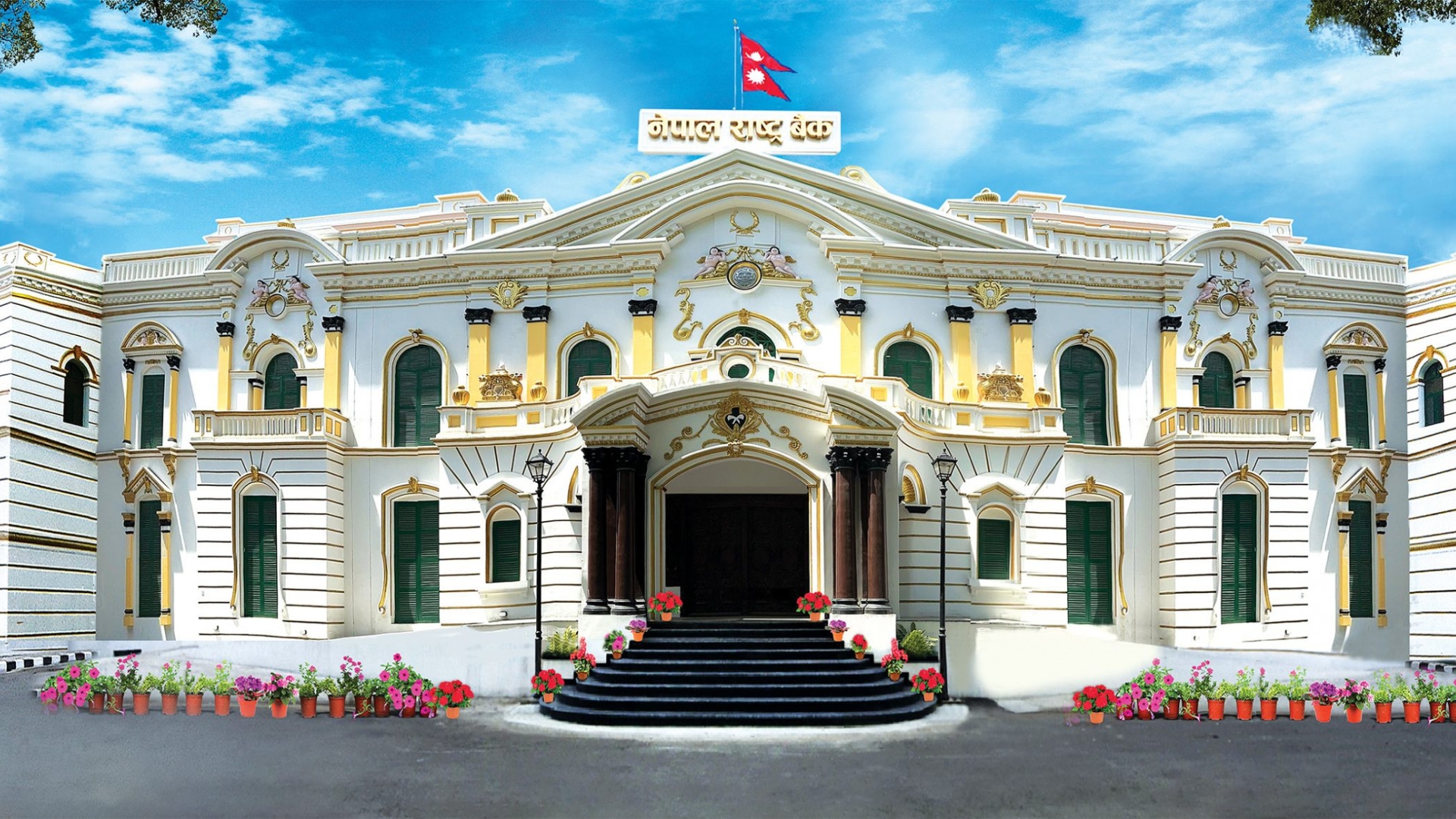
नेपाल राष्ट्र बैंकले बैंकिङ प्रणालीमा थुप्रिएको अधिक तरलता व्यवस्थापन गर्न ४० अर्ब रुपैयाँ बराबरको निक्षेप संकलन उपकरण जारी गर्ने भएको छ। केन्द्रीय बैंकले आज दिउँसो ३ बजे बोलकबोल प्रक्रिया सञ्चालन गर्ने जनाएको छ। पछिल्लो समय बैंक तथा वित्तीय संस्थामा कर्जा माग सुस्त रहँदा ठूलो परिमाणमा पैसा निष्क्रिय अवस्थामा थुप्रिएको सन्दर्भमा राष्ट्र बैंकले यो कदम चालेको हो।
राष्ट्र बैंकका अनुसार ‘क’, ‘ख’ र ‘ग’ वर्गका बैंक तथा वित्तीय संस्थाले उक्त निक्षेप संकलनमा सहभागी हुन सक्नेछन्। सहभागी संस्थाहरूले न्यूनतम १० करोड रुपैयाँदेखि ५ करोड रुपैयाँका गुणनफलमा कुल आह्वान रकमसम्म बोलकबोल गर्न पाउने व्यवस्था गरिएको छ। बहुब्याजदरमा प्रस्ताव पेश गर्न सकिने प्रावधानले प्रतिस्पर्धात्मक ब्याजदर निर्धारणमा सहयोग पुग्ने अपेक्षा गरिएको छ।
४९ दिन अवधिको यो उपकरणको साँवा तथा ब्याज असार ३ गते भुक्तानी गरिनेछ। अल्पकालीन रूपमा तरलता व्यवस्थापन गर्न प्रयोग गरिने यस्तो उपकरण राष्ट्र बैंकको मौद्रिक नीतिगत औजारमध्ये एक महत्वपूर्ण साधन मानिन्छ। बजारमा अत्यधिक तरलता हुँदा ब्याजदरमा दबाब पर्ने र वित्तीय सन्तुलन बिग्रने जोखिम हुने भएकाले यसमार्फत तरलता सोस्ने प्रयास गरिएको हो।
हाल बैंक तथा वित्तीय संस्थाहरूमा करिब १२ खर्ब रुपैयाँ लगानीयोग्य तरलता थुप्रिएको छ। कर्जाको माग कमजोर हुँदा बैंकहरूले संकलन गरेको निक्षेप पर्याप्त मात्रामा लगानीमा रूपान्तरण हुन सकेको छैन। बैंकर्स संघका अनुसार बजारमा लगानीको वातावरण अनिश्चित हुँदा निजी क्षेत्र कर्जा लिन उत्साहित देखिएको छैन।
औसत कर्जा ब्याजदर घटेर ६.९ प्रतिशतमा झरे पनि कर्जा विस्तार अपेक्षित रूपमा बढ्न नसक्नुले अर्थतन्त्रमा माग पक्ष कमजोर रहेको संकेत गर्दछ। बैंकहरूको तेस्रो त्रैमासिक विवरणअनुसार ७१ खर्ब रुपैयाँ निक्षेप संकलन गरी करिब ५२ खर्ब रुपैयाँ कर्जा प्रवाह भए पनि खुद ब्याज आम्दानी करिब ७ अर्ब रुपैयाँले मात्र बढेको छ, जसले बैंकिङ क्षेत्रको आम्दानी क्षमतामा दबाब देखिएको स्पष्ट हुन्छ।
विशेषगरी जलविद्युत आयोजनाबाट सीमित कर्जा माग आएको भए पनि ठूला औद्योगिक परियोजना तथा नयाँ लगानी योजनामा विस्तार नदेखिनु चिन्ताको विषय बनेको छ। व्यवसायीहरू अझै लगानी वातावरणप्रति विश्वस्त नभएकाले आगामी बजेटपछि मात्र नयाँ लगानी निर्णय गर्ने मनस्थितिमा रहेको बताइएको छ।
यसबीच बैंकहरूको निष्क्रिय कर्जा अनुपात ४.९८ प्रतिशतबाट बढेर ५.२५ प्रतिशत पुगेको छ, जसले कर्जा गुणस्तरमा दबाब बढेको संकेत गर्दछ। यद्यपि कर्जा असुली प्रक्रियामा सुधार देखिएकाले जोखिम व्यवस्थापनका लागि छुट्याइने प्रावधान रकम भने केही घटेको छ।
वित्तीय सूचकहरू कमजोर बन्दै जाँदा बैंकहरूको लाभांश क्षमता पनि प्रभावित भएको छ। हालै सार्वजनिक विवरणअनुसार ६ वटा वाणिज्य बैंकले चालु वर्ष लाभांश वितरण गर्न नसक्ने अवस्था देखिएको छ भने अन्य बैंकहरूले पनि न्यून लाभांश दिने सम्भावना रहेको छ।
समग्रमा, राष्ट्र बैंकको ४० अर्ब रुपैयाँ सोस्ने निर्णयले छोटो अवधिमा तरलता व्यवस्थापनमा केही राहत दिन सक्ने भए पनि दीर्घकालीन समाधानका लागि कर्जा माग वृद्धि र लगानी वातावरण सुधार अपरिहार्य देखिन्छ।

Nepal Rastra Bank (NRB) has announced plans to withdraw Rs 40 billion from the banking system through a deposit collection instrument in an effort to manage excess liquidity. The central bank is set to conduct a bidding process at 3 PM today, signaling a proactive step to address the growing imbalance between deposits and credit demand in the financial system.
According to NRB, Class ‘A’, ‘B’, and ‘C’ banks and financial institutions will be eligible to participate in the bidding process. Institutions can submit bids starting from a minimum of Rs 100 million, in multiples of Rs 50 million, up to the total amount announced. The provision to submit bids at multiple interest rates is expected to encourage competitive pricing and efficient allocation of funds.
The deposit collection instrument will have a maturity period of 49 days, with both principal and interest scheduled for repayment on Ashar 3. Such short-term monetary tools are commonly used by the central bank to absorb surplus liquidity and stabilize interest rates when excess funds begin to exert downward pressure on the financial market.
At present, banks and financial institutions are estimated to be holding around Rs 1.2 trillion in investable liquidity. The primary reason behind this surplus is weak credit demand, as deposits collected by banks are not being converted into loans at the expected pace. According to the Bankers’ Association, the private sector remains cautious, leading to subdued borrowing despite favorable lending conditions.
Although the average lending interest rate has declined to around 6.9 percent, credit expansion has not picked up as anticipated. Financial data from the third quarter of the current fiscal year 2082/83 shows that net interest income across banks has increased by only around Rs 7 billion. Despite mobilizing deposits of approximately Rs 7.1 trillion and extending loans of about Rs 5.2 trillion, the growth in earnings remains limited, reflecting pressure on banking profitability.
Loan demand has been largely concentrated in a few hydropower projects, while investment in large-scale industrial ventures and new business expansions remains weak. Business leaders have cited uncertainty in the investment climate, indicating that major investment decisions are likely to be postponed until after the announcement of the upcoming national budget.
Meanwhile, asset quality indicators have also shown signs of deterioration. The non-performing loan (NPL) ratio has increased from 4.98 percent to 5.25 percent, suggesting rising credit risk within the system. However, improvements in loan recovery processes have slightly reduced the provisioning requirements for potential losses.
The overall weakening of financial indicators has started to impact shareholder returns as well. Recent disclosures suggest that at least six commercial banks may not be able to distribute dividends this year, while others are expected to offer only modest payouts.
In this context, NRB’s move to absorb Rs 40 billion is likely to provide short-term relief in managing liquidity pressures and stabilizing market conditions. However, experts emphasize that a sustainable solution will depend on reviving credit demand, restoring investor confidence, and improving the overall investment environment in the economy.