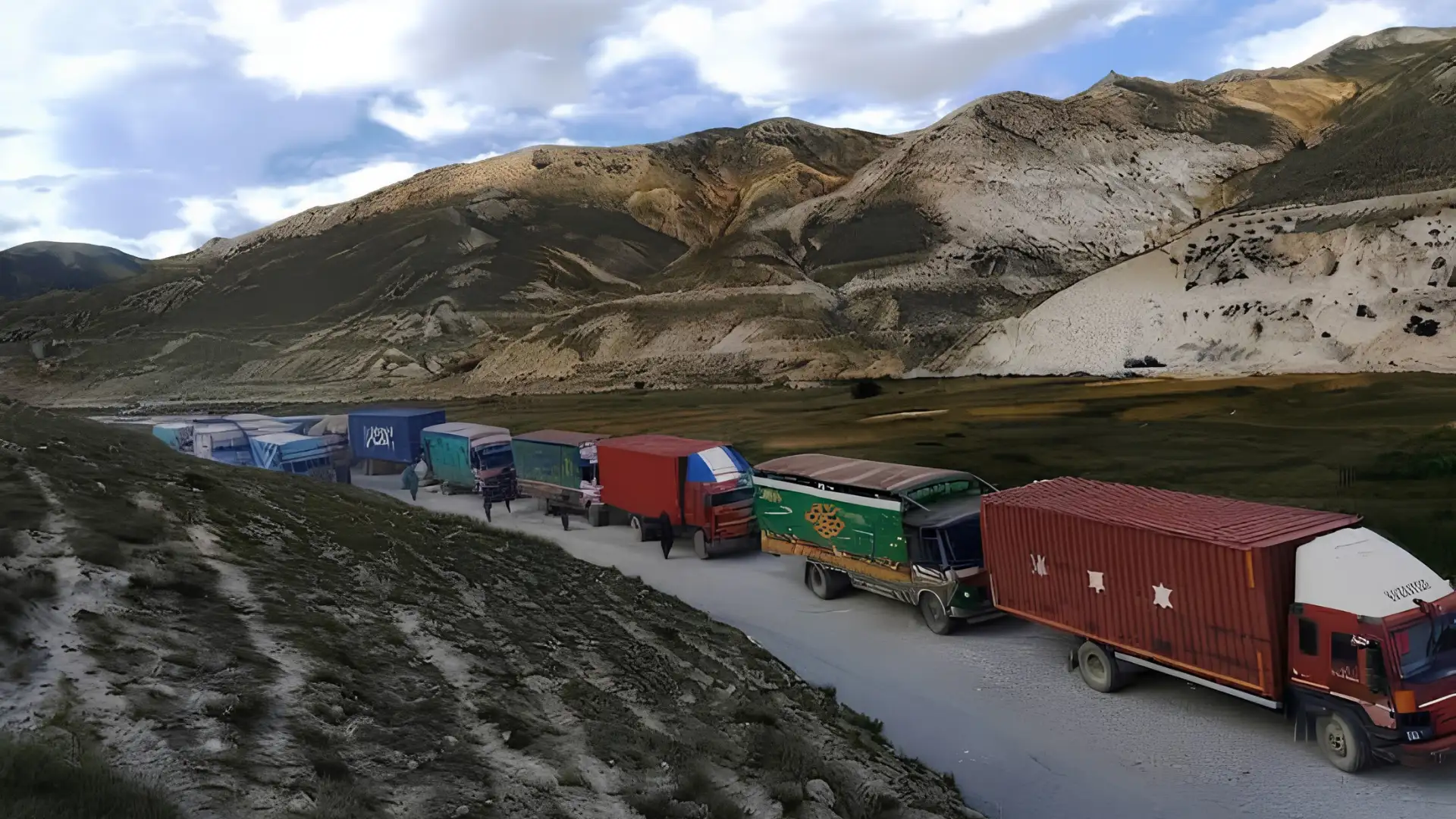
नेपालगन्ज भन्सारको १० महिने राजस्व : लक्ष्यको ६८ प्रतिशत मात्र, बाँकी दुई महिनामा ठूलो चुनौतीNepalgunj Customs Collects Only 68 Percent of Annual Target in Ten Months, Faces Uphill Task
नेपालगन्ज — चालु आर्थिक वर्षको दश महिना बित्दा पनि नेपालगन्ज भन्सार कार्यालयले वार्षिक लक्ष्यको दुई तिहाइभन्दा कम राजस्व मात्र उठाउन सकेको छ, र अन्तिम दुई महिनामा बाँकी एक तिहाइ पूरा गर्नुपर्ने कठिन दबाब सामना गर्नुपरेको छ।
कार्यालय प्रमुख जनार्दन पौडेलका अनुसार चालु आव २०८२/८३ का लागि रु २४ अर्ब ५४ करोड ५७ लाख ८२ हजारको वार्षिक राजस्व लक्ष्य निर्धारण गरिएकोमा वैशाख मसान्तसम्म रु १६ अर्ब ७३ करोड ९७ लाख ५९ हजार मात्र संकलन भएको छ, जुन लक्ष्यको ६८.२ प्रतिशत हो। असार र जेठमा बाँकी ३२ प्रतिशत अर्थात् करिब रु सात अर्ब ८० करोड उठाउनुपर्ने अवस्था छ।
मासिक तथ्याङ्क हेर्दा चालु आवमा एक पनि महिना लक्ष्य पूरा भएको छैन। साउनमा ७४, भदौमा ७०, असोजमा ८८, कात्तिकमा ७२, मङ्सिरमा ८३, पुसमा ८३, माघमा ८८ र फागुनमा ८८ प्रतिशत मात्र राजस्व संकलन भएको थियो। तथापि चैतमा ९८.३७ प्रतिशतसम्म पुगेपछि मनोबल केही बढेको थियो, तर वैशाखमा पुनः ८५.३८ प्रतिशतमा खुम्चियो।
गत वर्षहरूसँग तुलना गर्दा लक्ष्य पूरा नहुनु नयाँ कुरा होइन। आव २०८१/८२ मा नेपालगन्ज भन्सारले वार्षिक लक्ष्यको ७४.६४ प्रतिशत मात्र उठाएको थियो भने त्योभन्दा अगाडिको आव २०८०/८१ मा यो दर झन् तल झरेर ६३.३५ प्रतिशतमा सीमित थियो। यस दृष्टिले यस वर्षको उपलब्धि तुलनात्मक रूपमा सुधारिएको देखिए पनि लक्ष्यदेखि अझै टाढा नै छ।
नेपाल–भारत सीमाको जमुनाहा नाकामा एकीकृत जाँचचौकी सञ्चालनमा आएपछि व्यापार प्रवाह बढ्ने र राजस्व उल्लेख्य रूपमा वृद्धि हुने अपेक्षा गरिएको थियो। तर प्रमुख पौडेलका अनुसार त्यो अपेक्षा अझसम्म पूरा हुन सकेको छैन र लक्ष्य पूरा नहुने क्रम कायमै छ।
भन्सार विज्ञहरू भन्छन् — आयात संरचना, अनौपचारिक व्यापार र सीमा व्यवस्थापनका कमजोरी नसुधार्दासम्म राजस्व लक्ष्य पूरा गर्न सधैँ कठिन हुनेछ। आव समाप्त हुन अब दुई महिना मात्र बाँकी छन् र नेपालगन्ज भन्सारका लागि यो अन्तिम खण्ड निर्णायक साबित हुनेछ।

NEPALGUNJ — With just two months remaining in the current fiscal year, the Nepalgunj Customs Office finds itself in a familiar bind — having collected barely two-thirds of its annual revenue target, it must now chase down the remaining one-third in a compressed timeframe.
According to Janardan Paudel, chief of the Nepalgunj Customs Office, the office was assigned an annual revenue target of Rs 24.54 billion for the fiscal year 2082/83. However, cumulative collections through the end of Baisakh stood at Rs 16.74 billion — amounting to just 68.2 percent of the full-year goal. To meet the target, the office must generate approximately Rs 7.80 billion in revenue during Jestha and Ashadh alone.
A month-by-month breakdown of the current fiscal year paints a consistent picture of shortfall. Collections reached 74 percent of the monthly target in Shrawan, 70 percent in Bhadra, 88 percent in Ashoj, 72 percent in Kartik, 83 percent in Mangsir, 83 percent in Poush, and 88 percent in Magh. The office came closest to its monthly goal in Chaitra, achieving 98.37 percent, before slipping back to 85.38 percent in Baisakh. Not a single month this fiscal year has seen the target fully met.
Placed against the performance of previous years, the trend is one of persistent underachievement. In fiscal year 2081/82, the office managed to collect 74.64 percent of its annual target, while the year before that, in 2080/81, collections fell even further to just 63.35 percent. This year's figures, though slightly better than the two-year trend, still fall well short of what was planned.
The opening of an Integrated Check Post at the Jamunaha border crossing between Nepal and India had raised hopes of a significant boost in trade volumes and, by extension, customs revenue. However, Paudel acknowledged that those expectations have yet to translate into results, and the pattern of missing targets has continued unabated.
Trade analysts point to structural factors — the composition of imports, the persistence of informal cross-border trade, and gaps in border management — as underlying reasons why revenue targets remain difficult to achieve. With the fiscal year drawing to a close, the Nepalgunj Customs Office faces a critical final stretch that will determine how close it comes to its annual goal.