NEPSEtrading

Make smarter moves backed by machine learning. Join thousands of traders leveraging AI to maximize profits.

nepsetrading.com is an online news portal that provides insights into trading and investment by analyzing the stock market and the global economy. We create charts based on the analysis of various indicators. Please do not rely solely on this information for investment decisions. Self-study is crucial. Use this information only as an educational and informational resource.

Marketminds Investment Group Private Limited

DOIB Registration certificate no.: 4680-2081/2082

Director & Editor-in-chief: Dipesh Ghimire · 9802363868, 9851119988

Koteshwor 32, Kathmandu
01-5253221 · +977 9709066745

Contact support

Subscribe to our newsletter

Weekly insights from the NEPSE market in your inbox.

Market

  • Stocks
  • Sectors

Company

  • About Us
  • Our Team
  • Terms of Use
  • Our Policy
  • Training
  • Contact Us

Help

  • Support
  • Report
  • FAQ

© 2026 nepsetrading.com. All rights reserved.
Owned and operated by Marketminds Investment Group Private Limited.

Charts powered by TradingView

  • Home
  • Latest
  • Trending
  • Stock
  • Education
  • International
    1. News
    2. Investor
    3. Nepal’s Top 10 Import Items: Billions Spent in Just Two Months
    शीर्ष १० आयात वस्तु : दुई महिनामै खर्बौँको वस्तु भित्रियो
    Investor
    2 min read
    Published on September 23, 2025
    NEPSE TRADING

    शीर्ष १० आयात वस्तु : दुई महिनामै खर्बौँको वस्तु भित्रियोNepal’s Top 10 Import Items: Billions Spent in Just Two Months

    काठमाडौं । चालु आर्थिक वर्ष २०८२/८३ को पहिलो दुई महिनामा नेपालले ३ खर्ब बढीको वस्तु तथा सेवा आयात गरेको छ। भन्सार विभागको तथ्याङ्कअनुसार कुल आयात रकम ३ खर्ब ५ अर्ब १५ करोड रुपैयाँ पुगेको छ। सो अवधिमा आयात वृद्धि दर १६ प्रतिशतभन्दा बढी रहेको छ। यसमध्ये शीर्ष १० आयात वस्तुले मात्रै ठूलो हिस्सा ओगटेका छन्।

    खनिज इन्धन र तेलमै उच्चतम आयात

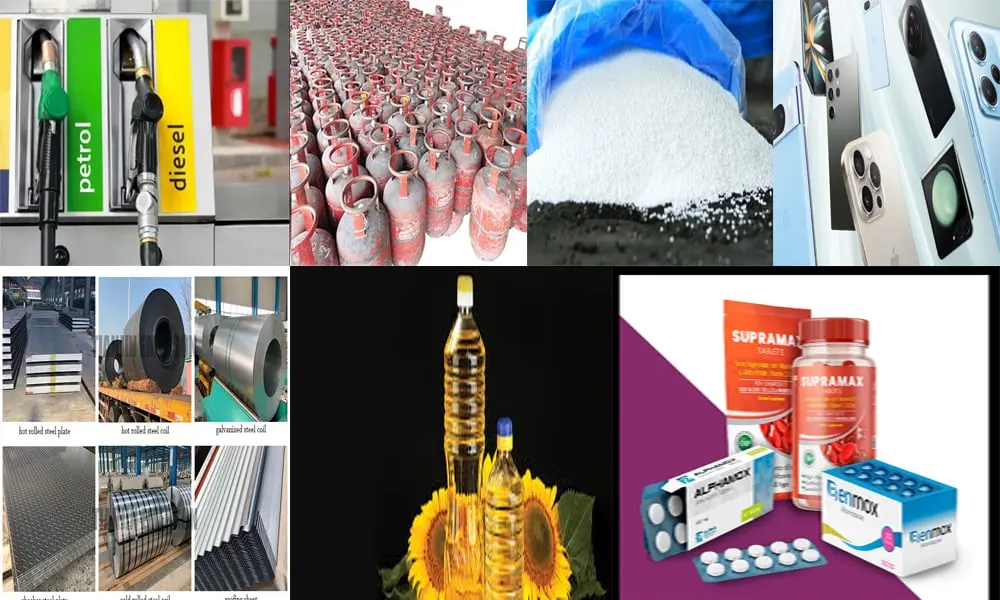
    सबैभन्दा ठूलो हिस्सा खनिज इन्धन, पेट्रोलियम पदार्थ र अन्य तेलजन्य उत्पादनको छ। यस शिर्षकअन्तर्गत दुई महिनामै ४५ अर्ब ३९ करोड रुपैयाँभन्दा बढी बराबरको वस्तु आयात भएको छ। नेपालको कुल आयातमा पेट्रोलियम पदार्थ नै प्रमुख रहँदै आएको छ, जसले विदेशी मुद्रा सञ्चितिमा ठूलो दबाब सिर्जना गरेको छ।

    खाद्य तेल दोस्रो स्थानमा

    दोस्रो ठूलो आयात जनावर तथा वनस्पतिजन्य तेल र बोसो हो। यस शिर्षकमा करिब २७ अर्ब ४१ करोड रुपैयाँ बराबरको तेल र बोसो भित्रिएको छ। नेपालमा खाद्य तेल उद्योग सक्रिय भए पनि यसको आयातको परिमाण उच्च देखिएको छ, जसले उद्योगहरू कच्चा पदार्थमा आयात निर्भर रहेको संकेत गर्छ।

    फलाम, स्टील र मेसिनरी

    तेस्रो स्थानमा फलाम र स्टील रहेका छन्। यस शीर्षकमा दुई महिनामै करिब २२ अर्ब ९७ करोड रुपैयाँ बराबरको वस्तु आयात भएको छ। मुलुकमा पूर्वाधार तथा उद्योग निर्माण बढेसँगै स्टील उत्पादनका लागि कच्चा पदार्थमा आयात बढिरहेको विश्लेषण गरिएको छ।

    चौथो र पाँचौँ स्थानमा क्रमशः विद्युतिय उपकरण तथा पार्टपुर्जा (२२ अर्ब १६ करोड रुपैयाँ) र मेसिनरी तथा मेकानिकल उपकरण (२१ अर्ब १८ करोड रुपैयाँ) रहेका छन्। यी दुई वस्तुहरू मुलुकको औद्योगिक र प्राविधिक विकासमा आवश्यक भए पनि ठूलो परिमाणमा आयात हुनु भने व्यापार घाटा बढाउने कारक बनेको छ।

    सवारीसाधन र मल आयात

    छैटौँ स्थानमा सवारीसाधन तथा पार्टपुर्जा रहेका छन्। नेपालले दुई महिनामै १७ अर्ब २२ करोड रुपैयाँभन्दा बढी मूल्यका सवारीसाधन आयात गरेको छ। यसले नेपालमा विदेशी गाडीको निर्भरता अझै बढिरहेको देखाएको छ।

    सातौँ स्थानमा रासायनिक मल छ। यो शीर्षकमा करिब १६ अर्ब १७ करोड रुपैयाँ बराबरको मल आयात भएको छ। नेपालमा कृषि क्षेत्र अझै आयातित मलमा अत्यधिक निर्भर रहँदा कृषि नीतिमा चुनौती देखिएको छ।

    अन्य शीर्ष वस्तु

    शीर्ष १० मा प्लास्टिकका वस्तु (११ अर्ब ७८ करोड रुपैयाँ), औषधि (७१ अर्ब रुपैयाँ), र अनाज (८ अर्ब ७९ करोड रुपैयाँ) पनि परेका छन्। यी सबै वस्तु नेपालमा उपभोग र उद्योग दुवैका लागि आवश्यक भए पनि आयातले व्यापार घाटामा थप बोझ थपेको छ।

    यी शीर्ष १० वस्तुले मात्रै कुल आयातको ठुलो हिस्सा ओगटेका छन्। पेट्रोलियम, खाद्य तेल, फलाम–स्टील, मेसिनरी, विद्युतिय उपकरण, सवारीसाधन र मल आयात नै नेपालको अर्थतन्त्रमा सबैभन्दा ठूलो दबाबका कारक बनेका छन्। विज्ञहरूका अनुसार यस्ता वस्तुहरूको घरेलु उत्पादन र वैकल्पिक ऊर्जा स्रोतमा लगानी नगरेसम्म व्यापार घाटा अझै बढ्दै जानेछ।


    Kathmandu – In the first two months of the current fiscal year 2082/83 (July–September 2025), Nepal imported goods and services worth over Rs. 305 billion. According to the Department of Customs, imports grew by more than 16% compared to the same period last year. Among these, the top 10 import items alone account for the largest share, highlighting Nepal’s heavy reliance on certain goods.

    Petroleum Products Lead the Chart

    The highest import share belongs to mineral fuels, petroleum products, and related oils. In just two months, Nepal imported goods worth over Rs. 45.39 billion under this category. Petroleum products remain the single largest driver of Nepal’s import bill, exerting constant pressure on foreign currency reserves.

    Edible Oils in Second Place

    The second-highest import is animal and vegetable oils and fats, amounting to nearly Rs. 27.41 billion. Despite domestic edible oil industries being active, the large volume of imports shows that these industries remain heavily dependent on imported raw materials.

    Iron, Steel, and Machinery

    Iron and steel stand in third place with imports worth Rs. 22.97 billion, largely driven by growing demand in construction and infrastructure projects.

    At fourth and fifth positions are electrical machinery and equipment (Rs. 22.16 billion) and machinery and mechanical appliances (Rs. 21.18 billion). While vital for industrial and technological development, such large-scale imports also fuel the widening trade deficit.

    Vehicles and Fertilizers

    In sixth place are vehicles and parts, with Nepal spending more than Rs. 17.22 billion in just two months. This reflects Nepal’s growing dependency on foreign automobiles.

    Fertilizers take the seventh spot with imports of around Rs. 16.17 billion. Heavy reliance on imported fertilizers underscores the challenges in Nepal’s agricultural sector.

    Other Key Items

    Completing the top 10 are plastics and plastic products (Rs. 11.78 billion), pharmaceutical products (Rs. 7.1 billion), and cereals (Rs. 8.79 billion). These categories cover both industrial and consumer needs but add further weight to Nepal’s growing trade imbalance.

    The dominance of petroleum, edible oils, iron and steel, machinery, vehicles, and fertilizers in the import list shows how Nepal’s economy is tied to a handful of essential goods. Experts warn that unless Nepal invests in alternative energy, local industrial capacity, and self-reliance in agriculture, the trade deficit will continue to worsen in the coming years.

    Trending News

    • Trending14 Jun, 2026

      असारमा वाणिज्य बैंकको मुद्दति ब्याजदर थप घट्यो, ७ बैंकले दर घटाए

      Read news
    • Trending14 Jun, 2026

      नेपालकै सबैभन्दा ठूलो सम्पत्ति शुद्धीकरण मुद्दा अदालत पुग्यो, एक खर्ब ६ अर्बभन्दा बढी बिगो दाबी

      Read news
    • Trending14 Jun, 2026

      अमेरिका–इरान शान्ति सम्झौता निर्णायक मोडमा, पाकिस्तानले भन्यो — '२४ घण्टामा हस्ताक्षर सम्भव'

      Read news

    Related News

  • असारमा वाणिज्य बैंकको मुद्दति ब्याजदर थप घट्यो, ७ बैंकले दर घटाए
    Investor

    1 min read

    असारमा वाणिज्य बैंकको मुद्दति ब्याजदर थप घट्यो, ७ बैंकले दर घटाए

    NEPSE TRADING

    ·

    14 Jun, 2026

  • नेपालकै सबैभन्दा ठूलो सम्पत्ति शुद्धीकरण मुद्दा अदालत पुग्यो, एक खर्ब ६ अर्बभन्दा बढी बिगो दाबी
    Investor

    4 min read

    नेपालकै सबैभन्दा ठूलो सम्पत्ति शुद्धीकरण मुद्दा अदालत पुग्यो, एक खर्ब ६ अर्बभन्दा बढी बिगो दाबी

    NEPSE TRADING

    ·

    14 Jun, 2026

  • अमेरिका–इरान शान्ति सम्झौता निर्णायक मोडमा, पाकिस्तानले भन्यो — '२४ घण्टामा हस्ताक्षर सम्भव'
    Top

    1 min read

    अमेरिका–इरान शान्ति सम्झौता निर्णायक मोडमा, पाकिस्तानले भन्यो — '२४ घण्टामा हस्ताक्षर सम्भव'

    NEPSE TRADING

    ·

    14 Jun, 2026

  • शेयर बजारमा जलविद्युत कम्पनी : अनुत्तरित प्रश्नहरूको भारले थिचिएको लगानीकर्ता
    Investor

    5 min read

    शेयर बजारमा जलविद्युत कम्पनी : अनुत्तरित प्रश्नहरूको भारले थिचिएको लगानीकर्ता

    NEPSE TRADING

    ·

    12 Jun, 2026

  • नेपालको पुँजी बजार : तीन दशकको यात्रा, अझै अधुरो सुधार
    Investor

    3 min read

    नेपालको पुँजी बजार : तीन दशकको यात्रा, अझै अधुरो सुधार

    Dipesh Ghimire

    ·

    12 Jun, 2026