स्थिर सरकार आए पनि नेप्से दबाबमा : ‘क्लिनअप फेज’ बीच अवसर र जोखिम दुबैNEPSE Under Pressure Despite Stable Government: ‘Cleanup Phase’ Signals Both Risk and Opportunity
राजनीतिक अस्थिरता हटेपछि सेयर बजारले गति लिन्छ भन्ने अपेक्षा व्यापक थियो। तर अहिले देशमा स्थिर सरकार बनेको, नीतिगत स्पष्टता आउने संकेत देखिएको अवस्थामा पनि पुँजीबजार भने तत्कालै सुधारको लय समात्न सकेको छैन। करिब दुई तिहाइ नजिकको बहुमतसहित राष्ट्रिय स्वतन्त्र पार्टी को नेतृत्वमा सरकार गठन भए पनि बजारमा अपेक्षित उत्साह देखिन नसक्नुले लगानीकर्ताबीच नयाँ प्रश्नहरू उठ्न थालेका छन्।
सरकार गठनअघि करिब २९५० विन्दु आसपास रहेको NEPSE Index अहिले झरेर २७०० को हाराहारीमा आइपुगेको छ। पछिल्ला २४ कारोबार दिनमा बजार लगातार दबाबमा रहनु केवल आर्थिक कारणले मात्र होइन, मनोवैज्ञानिक कारणले पनि भएको विश्लेषण गर्न थालिएको छ। विशेषगरी सरकारले बजारमा अनैतिक गतिविधिमा संलग्न व्यक्तिहरूमाथि अनुसन्धान र कारबाही सुरु गरेपछि लगानीकर्तामा अल्पकालीन त्रास देखिएको छ।
तर यही घटनालाई अर्को कोणबाट हेर्नेहरू पनि छन्। उनीहरूका अनुसार यो ‘डर’ भन्दा बढी बजार शुद्धीकरणको संकेत हो। विगतमा बजारमा प्रभाव जमाउँदै आएका केही शक्तिशाली समूहहरू नियन्त्रणमा आउनु भनेको दीर्घकालीन रूपमा स्वस्थ बजार निर्माणतर्फको कदम हो। “बजारमा गलत खेलाडी हटेपछि मात्रै वास्तविक लगानीकर्ताको भूमिका बढ्छ,” भन्ने धारणा विस्तारै बलियो हुँदै गएको छ।
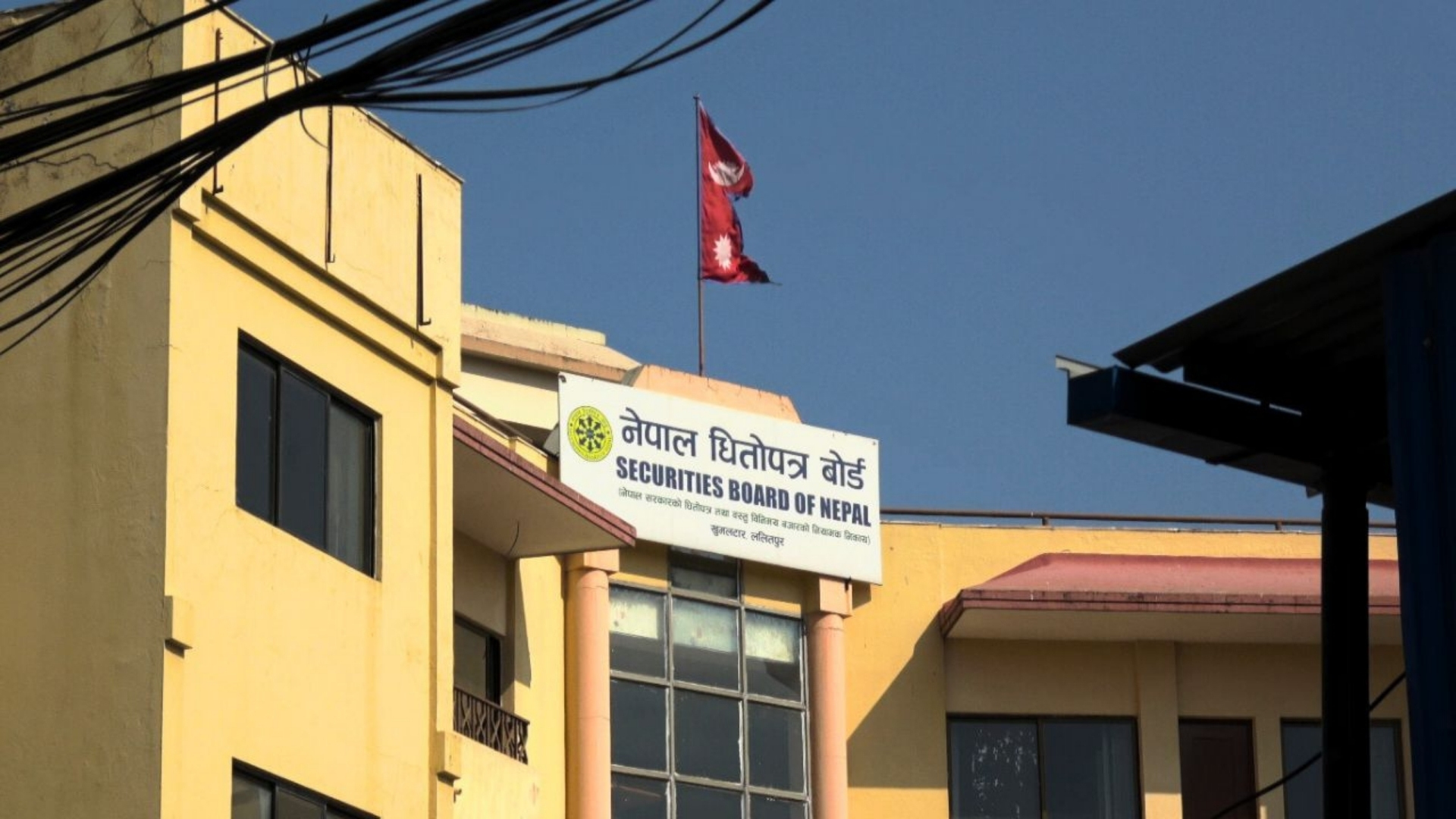
यसैबीच अर्थमन्त्री डा. स्वर्णिम वाग्ले ले पुँजीबजारलाई अन्तर्राष्ट्रिय अभ्यासअनुसार अघि बढाउने प्रतिबद्धता जनाइसकेका छन्। नियामक संरचनामा सुधार, पारदर्शिता र प्रतिस्पर्धात्मक वातावरण निर्माणतर्फ सरकारको ध्यान केन्द्रित देखिन्छ। विशेषगरी नेपाल धितोपत्र बोर्ड को नेतृत्व प्रतिस्पर्धाबाट चयन हुने प्रक्रिया र नेपाल स्टक एक्सचेञ्ज (नेप्से) को पुनर्संरचना योजना दीर्घकालीन सुधारका आधार मानिएका छन्।
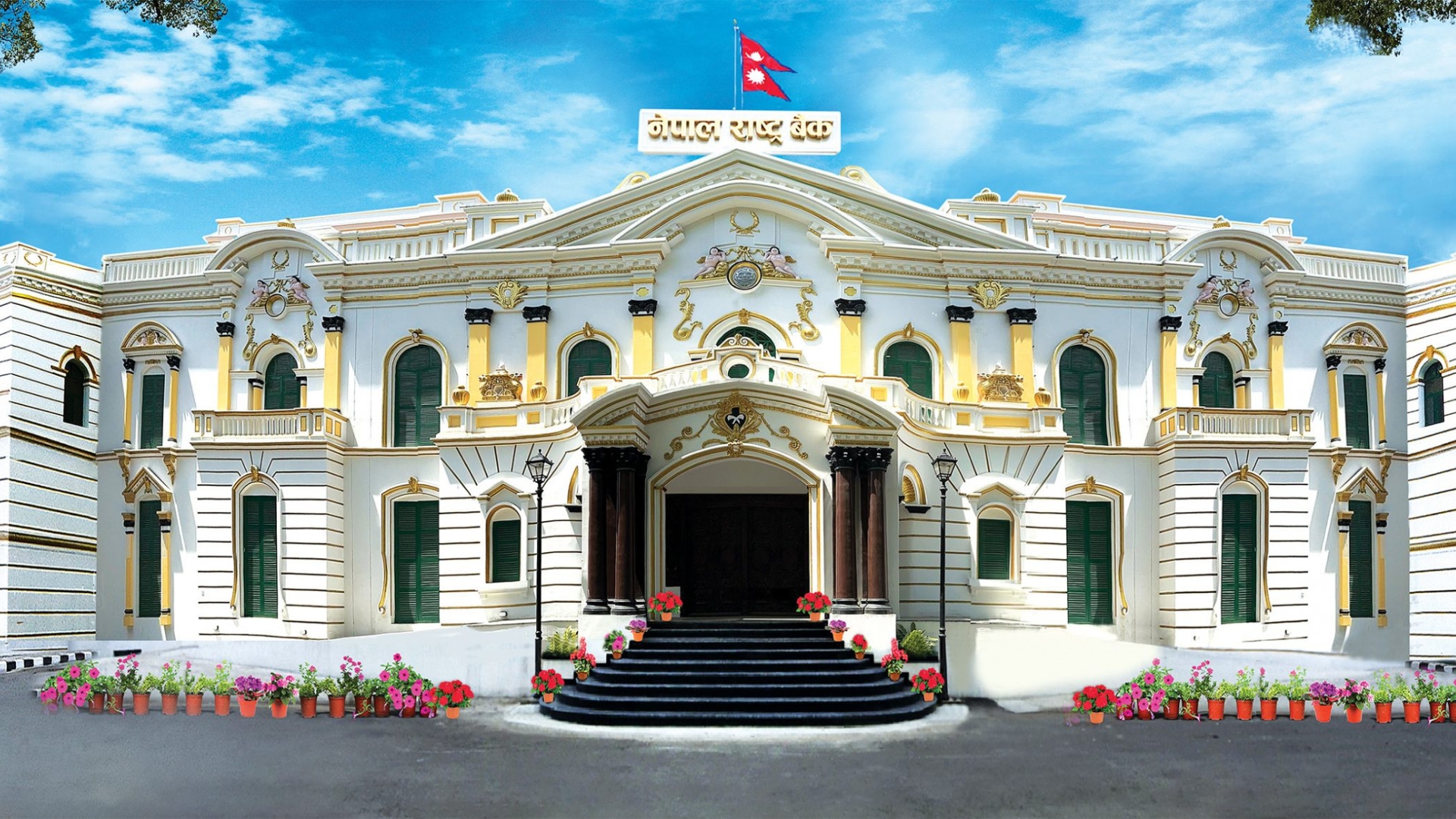
आधारभूत पक्षहरू पनि बजारका लागि सकारात्मक देखिन्छन्। नेपाल राष्ट्र बैंक ले तरलता सहज बनाउन नीतिगत सहजीकरण गरिरहेको छ भने बैंक ब्याजदर ऐतिहासिक रूपमा न्यून विन्दुमा पुगेको छ। यसले सेयर बजारमा लगानी आकर्षित गर्ने सम्भावना बढाएको छ। त्यसमाथि, बहुप्रतीक्षित ‘मार्जिन कारोबार’ सुरु भइसकेको छ, जसले बजारमा थप सक्रियता ल्याउने अपेक्षा गरिएको छ।
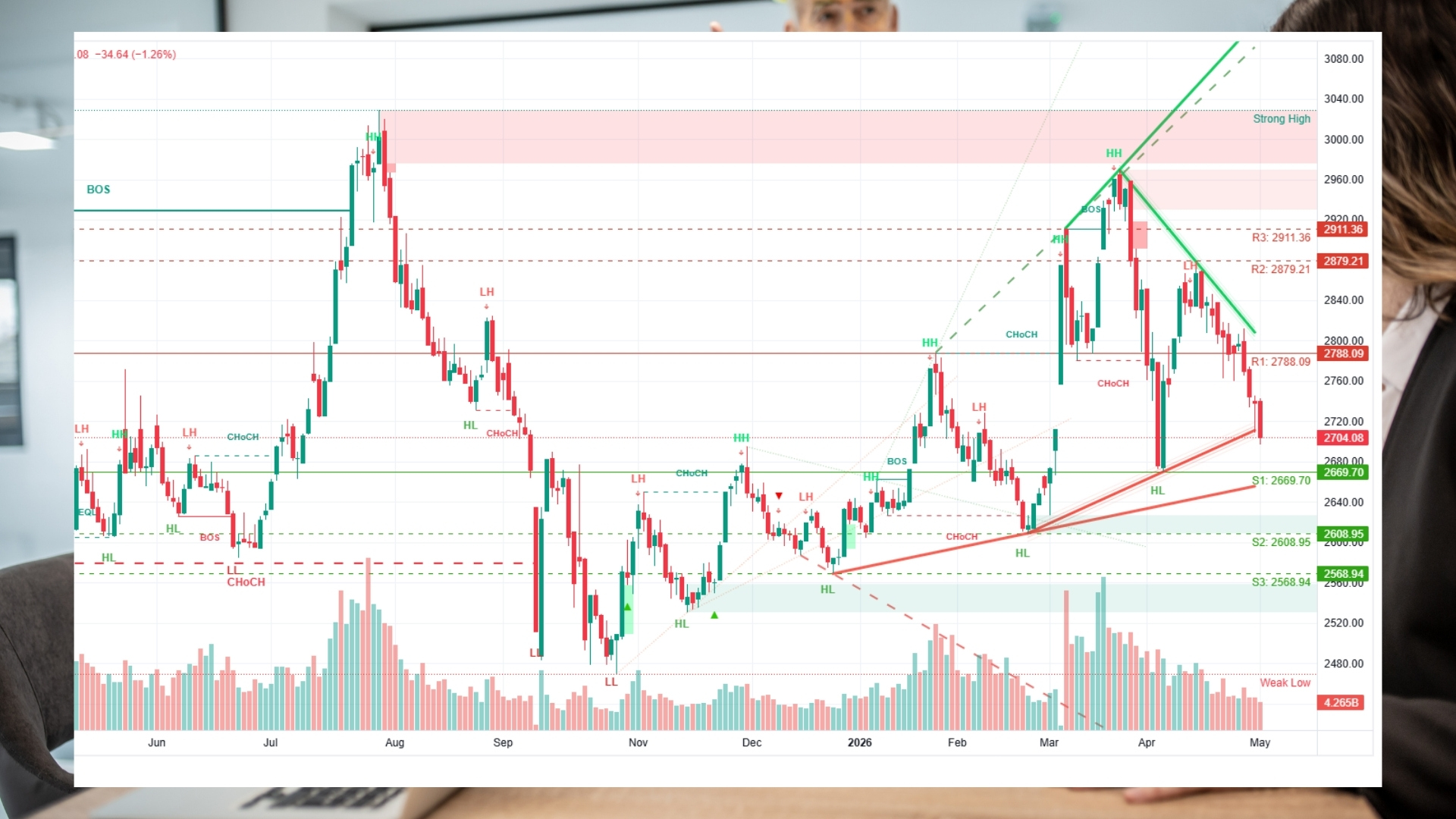
प्राविधिक दृष्टिले हेर्दा भने बजार अझै कमजोर संरचनामा देखिएको छ। पछिल्लो अपट्रेन्डलाई समर्थन गर्दै आएको ट्रेन्डलाइन भत्किएको संकेत देखिएको छ। यसअघि बनेको Higher High पछि अहिले Lower High को संरचना देखिनु भनेको बजारले अल्पकालीन रूपमा डाउनट्रेन्डतर्फ संकेत गरिरहेको बुझिन्छ। आजको कारोबारमा बनेको ठूलो रातो क्यान्डलले बिक्री दबाब अझै बलियो रहेको पुष्टि गर्छ।

यद्यपि, बजार अहिले महत्वपूर्ण सपोर्ट जोन नजिक पुगेको छ। करिब २६६०–२६७० को क्षेत्रलाई धेरै विश्लेषकहरूले बलियो आधारको रूपमा हेरिरहेका छन्। यदि बजारले यो स्तर सम्हाल्न सफल भयो भने छोटो अवधिमा rebound आउन सक्ने सम्भावना रहन्छ। तर, यो स्तर तलतिर भत्किएमा थप गिरावटको जोखिम पनि उत्तिकै रहन्छ।
यता, कारोबार रकम घट्दै जानु बजारमा ‘पर्ख र हेर’को अवस्था हाबी भएको संकेत हो। ठूलो संख्यामा लगानीकर्ताहरू स्पष्ट दिशा नआउँदासम्म प्रतीक्षामा बसेका छन्। तर, यस्तै समयमा केही अनुभवी लगानीकर्ताहरू भने बजारलाई अवसरका रूपमा हेर्दै क्रमशः गुणस्तरीय सेयर संकलन गरिरहेका छन्। “बजार घट्दा किन्न सक्ने धैर्य भएकाले नै बढ्दा नाफा कमाउँछन्,” भन्ने बुझाइ उनीहरूमा देखिन्छ।
समग्रमा हेर्दा अहिलेको बजार दुई विपरीत धारको बीचमा उभिएको छ—एकातर्फ अल्पकालीन दबाब र त्रास, अर्कोतर्फ दीर्घकालीन सुधार र अवसर। स्थिर सरकार, नीतिगत सुधार, पारदर्शिता र नियमन बलियो हुने संकेतहरूले भविष्यप्रति आशा जगाएको छ। अबको केही कारोबार दिनमा सपोर्ट क्षेत्रमा बजारले देखाउने प्रतिक्रिया नै नेप्सेको आगामी दिशाको निर्णायक आधार बन्नेछ।

The expectation was clear—once political instability eased, the stock market would regain momentum. However, even after the formation of a stable government with near two-thirds majority under Rastriya Swatantra Party, Nepal’s capital market has yet to respond as anticipated. The lack of immediate upward movement has raised fresh questions among investors.
Before the government formation, the NEPSE Index was hovering around the 2950 level. It has now declined to the 2700 range, reflecting sustained pressure over the past 24 trading sessions. Analysts suggest that this downturn is not purely driven by economic fundamentals but is significantly influenced by investor psychology. The government’s recent actions targeting individuals involved in unethical market manipulation have created short-term fear in the market.
However, another perspective is gaining traction. Many see this as a necessary “cleanup phase” rather than a negative development. The removal of influential players who previously distorted the market is being interpreted as a step toward building a healthier and more transparent investment environment. “A truly sustainable market can only emerge after such distortions are addressed,” market observers note.
Meanwhile, Finance Minister Dr. Swarnim Wagle has emphasized aligning Nepal’s capital market with international standards. Structural reforms, improved transparency, and competitive regulatory frameworks are being prioritized. Key developments such as the competitive selection of leadership at the Securities Board of Nepal and the ongoing restructuring of the Nepal Stock Exchange are viewed as important steps toward long-term market strengthening.
From a macro perspective, the fundamentals remain supportive. Nepal Rastra Bank has been facilitating liquidity through policy easing, while interest rates remain at historically low levels. These conditions typically favor equity market participation. Additionally, the long-awaited introduction of margin trading has already been implemented, which is expected to gradually increase market activity.
Technically, however, the market shows signs of weakness. The recent break of the upward trendline indicates a loss of short-term bullish momentum. After forming a Higher High, the market has now transitioned into a Lower High structure, suggesting a short-term downtrend. The formation of a strong bearish candle in the latest session further confirms the dominance of sellers.

At present, the market is approaching a crucial support zone around 2660–2670. Analysts believe that if this level holds, a short-term rebound could occur. On the other hand, a breakdown below this support could open the door for further downside movement.
Declining trading volume also indicates a “wait-and-watch” sentiment among investors. Many participants are staying on the sidelines until clearer direction emerges. However, experienced investors are beginning to view this phase as an opportunity, gradually accumulating fundamentally strong stocks. “Those who accumulate during declines are the ones who benefit the most during recoveries,” is a widely shared belief among seasoned market participants.
Overall, the market currently stands at a critical juncture—caught between short-term fear and long-term optimism. While immediate pressures persist, ongoing reforms, improved governance, and structural changes provide a foundation for future growth. The market’s reaction around the key support zone in the coming sessions will likely determine the next direction of NEPSE.