मुद्रास्फीति लक्ष्यभन्दा कम, विदेशी विनिमय सञ्चिति बलियो, तर कर्जा विस्तार अपेक्षाभन्दा सुस्त
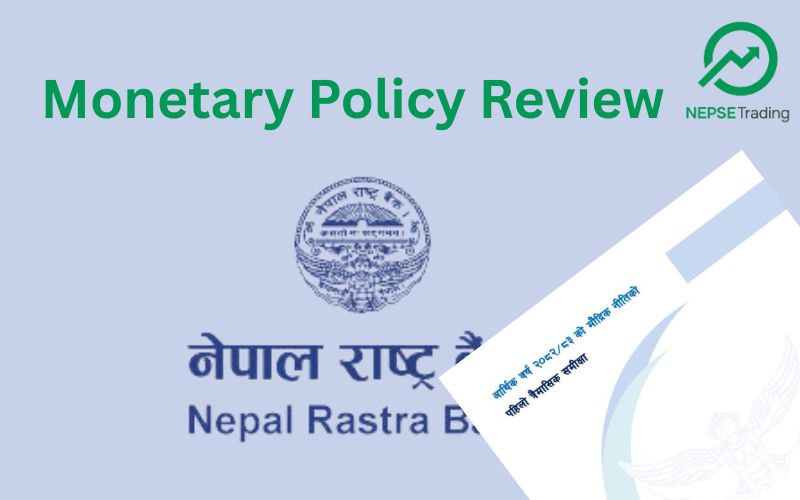
नेपाल राष्ट्र बैंकले आर्थिक वर्ष २०८२/८३ को मौद्रिक नीतिको पहिलो त्रैमासिक समीक्षा सार्वजनिक गर्दै देशको समष्टिगत आर्थिक अवस्थाको विस्तृत विश्लेषण प्रस्तुत गरेको छ। समीक्षा अनुसार नेपालमा आर्थिक स्थायित्वका प्रमुख सूचकहरू—जस्तै मुद्रास्फीति, विदेशी विनिमय सञ्चिति र बैंकिङ क्षेत्रको तरलता—सुधारको दिशामा देखिएको छ, तर निजी क्षेत्रतर्फ कर्जा विस्तार भने अपेक्षित गतिमा हुन नसकेको उल्लेख गरिएको छ।
१. पृष्ठभूमि: राजनीतिक अस्थिरता, प्राकृतिक विपत्ति र कृषि उत्पादनमा असर
मौद्रिक नीति सार्वजनिक भएपछि देशमा राजनीतिक अस्थिरता र जेन–जी आन्दोलनले नयाँ परिस्थिति सिर्जना गरेको थियो। भदौ २३ र २४ गतेका आन्दोलनका कारण जनधनको क्षति मात्र नभई व्यवसाय, उद्योग र यातायातमा पनि नकारात्मक असर परेको समीक्षा बताउँछ।
त्यसैगरी, मनसुन ढिलाइ भएर सुरु हुनु र असोज महिनामा अत्यधिक वर्षा हुनु कृषि उत्पादनका लागि प्रतिकूल साबित भएको उल्लेख छ। धानलगायत वर्षे बालीमा प्रत्यक्ष प्रभाव परेका कारण चालु आर्थिक वर्षको कृषि क्षेत्रको योगदान अपेक्षाभन्दा कम हुने प्रारम्भिक आकलन गरिएको छ।
२. पर्यटन, व्यापार र विप्रेषणले अर्थतन्त्रलाई धानिरहेका संकेत
जेन–जी आन्दोलनबाट केही होटलहरूमा क्षति भए पनि मुलुकको शान्ति–सुरक्षामा विदेशी पर्यटक विश्वस्त देखिएको समीक्षा बताउँछ। नेपाल पर्यटन बोर्डका अनुसार २०२५ को पहिलो १० महिनामा करिब ९ लाख ४४ हजार पर्यटक नेपाल आएका छन्, जुन अघिल्लो वर्षभन्दा बढी हो।
वस्तु आयात कोभिडपूर्वको स्थितिमा फर्किएको छ भने निर्यातमा पनि उल्लेख्य सुधार देखिएको छ। समीक्षामा विप्रेषण आप्रवाह ३५.४ प्रतिशतले बढेको उल्लेख छ, जसले चालु खाता र शोधनान्तर दुवै खातालाई ठूलो मात्रामा बचतमा राख्दै विदेशी विनिमय सञ्चिति बलियो तुल्याएको छ।
३. मुद्रास्फीति लक्ष्यभन्दा तल, मूल्य वृद्धि नियन्त्रणमा
मौद्रिक नीतिले तय गरेको ५ प्रतिशतको मुद्रास्फीति लक्ष्यभन्दा पनि धेरै तल उपभोक्ता मुद्रास्फीति झरेको समीक्षा देखाउँछ। २०८२ असोजमा मुद्रास्फीति १.४७ प्रतिशत मात्र रहेको छ, जुन अघिल्लो वर्षको ४.८२ प्रतिशतको तुलनामा उल्लेखनीय रूपमा कम हो।
खाद्य समूहमा, विशेष गरी तरकारी, दाल, गेडागुडी र मसला समूहमा मूल्य घटेकाले खाद्य मुद्रास्फीति ऋणात्मक–२.५४ प्रतिशतमा आएको छ। गैर–खाद्य तथा सेवा समूहको मुद्रास्फीति भने ३.८० प्रतिशतमा स्थिर देखिन्छ।
यसै अवधिमा थोक मुद्रास्फीति पनि १.३२ प्रतिशतमा सीमित छ, जबकि तलब तथा ज्याला सूचकांक ४.४८ प्रतिशतले बढेको देखिन्छ, जसले रोजगारी क्षेत्र केही सक्रिय रहेको संकेत गर्छ।
४. व्यापार घाटा अझै ठूलो, तर बाह्य क्षेत्र समग्रमा सन्तुलित
पहिलो त्रैमासमा निर्यात ८९.६ प्रतिशतले बढेर रु. ७२ अर्ब ७८ करोड पुगेको छ। यद्यपि, निर्यात बढे पनि आयात १९.८ प्रतिशतले वृद्धि भएर रु. ४६८ अर्ब ८ करोड पुगेको छ।
यसले व्यापार घाटा अझै ठूलो—रु. ३९५ अर्ब ३० करोड—रहेको देखाउँछ। तर, विप्रेषण आप्रवाह अत्यधिक वृद्धि भएकोले चालु खाता र शोधनान्तर दुवै खाता लामो समयपछि उच्च बचतमा पुगेको राष्ट्र बैंकले जनाएको छ।
चालु खाता रु. २३७ अर्ब ५९ करोड बचतमा छ भने शोधनान्तर रु. २६४ अर्ब ३ करोड बचतमा पुगेको छ।
५. सरकारी खर्च र राजस्व स्थिति: खर्च बढ्यो तर राजस्व स्थिर
महालेखा नियन्त्रक कार्यालयको तथ्यांक अनुसार पहिलो त्रैमासमा कुल सरकारी खर्च १०.८ प्रतिशतले वृद्धि भएर रु. ३६४ अर्ब ५९ करोड पुगेको छ।
यस मध्ये—
चालु खर्च: रु. २५६ अर्ब ८१ करोड
पुँजीगत खर्च: रु. १९ अर्ब १८ करोड
वित्तीय व्यवस्था खर्च: रु. ८८ अर्ब ६० करोड
तर राजस्व मात्र ०.३ प्रतिशतले वृद्धि भई रु. २४९ अर्ब ५ करोड जुटेको छ। राजस्व वृद्धिमा देखिएको सुस्तताले सरकारको वित्तीय अनुशासनमा चुनौती रहेको समीक्षा बताउँछ।
६. बैंकिङ क्षेत्र: प्रचुर तरलता, न्यून ब्याजदर, तर कर्जा विस्तार कमजोर
समीक्षा अनुसार बैंक तथा वित्तीय संस्थाहरूमा तरलता प्रशस्त छ र ब्याजदर ऐतिहासिक रूपमा न्यून छ।
निक्षेप वृद्धि: ३%
कर्जा वृद्धि: १.५% मात्र
विस्तृत मुद्राप्रदाय वृद्धि: १२.२%
निक्षेपको भारित औसत ब्याजदर घट्दै गएको छ, तर वास्तविक ब्याजदर धनात्मक नै रहेको छ।
तर, कर्जा विस्तार अपेक्षाभन्दा धेरै कमजोर देखिएको छ, जसले निजी क्षेत्रको लगानीगत गतिविधि धीमा रहेको संकेत गर्छ।
७. निष्क्रिय कर्जा (NPL) बढ्दै, बैंकिङ क्षेत्र जोखिमयुक्त हुँदै
२०८२ असोजसम्म वित्तीय संस्थाहरूको औसत निष्क्रिय कर्जा अनुपात ५.२६ प्रतिशत पुगेको छ।
वाणिज्य बैंक: ५.०३%
विकास बैंक: ६.०३%
वित्त कम्पनी: १२.५२%
एनपीएल बढ्नु बैंकहरूको जोखिम व्यवस्थापनमा चुनौती देखिएको संकेत हो, जसले कर्जा विस्तारमा थप सावधानी अपनाउनुपर्ने अवस्था ल्याएको समीक्षा बताउँछ।
८. मौद्रिक नीतिमा गरिएका प्रमुख कार्यान्वयनहरू
समीक्षामा उल्लेख गरिएका मुख्य उपलब्धिहरू—
मुद्रास्फीति ५% लक्ष्यभन्दा तल
विदेशी विनिमय सञ्चिति १६.४ महिनाको आयात धान्ने
नीतिगत दर ५% → ४.५%
बैंकदर ६.५% → ६.०%
स्थायी निक्षेप सुविधा दर ३% → २.७५%
साथै, कृषि, लघु तथा साना उद्यम, आवास कर्जा, रियलस्टेट पुनरसंरचना, वैदेशिक रोजगार कर्जा आदिमा लचकता अपनाइएको छ।
९. जेन–जी आन्दोलन प्रभावित उद्योगलाई विशेष राहत
आन्दोलनको क्षतिबाट प्रभावित उद्योग तथा व्यवसायलाई आधारदर + ०.५% मा कर्जा उपलब्ध गराइने व्यवस्था गरिएको छ।
पुस मसान्तसम्म कर्जा पुनरसंरचना तथा पुनरतालिकीकरण गर्न सकिनेछ।
यसले व्यवसायलाई पुनः सञ्चालनमा फर्कन सहयोग गर्ने अपेक्षा गरिएको छ।
सवारी साधन प्रतिस्थापनमा LTV ८०% सम्म बनाउन अनुमति दिइएको छ।
१०. सेयर बजारसम्बन्धी महत्वपूर्ण नीतिगत परिवर्तन
राष्ट्र बैंकले सेयर धितो कर्जामा एकल ग्राहक सीमा हटाएको छ।
अब बैंकहरूले सूचीबद्ध सेयर तथा डिबेञ्चरमा ६ महिनाभन्दा बढी अवधिका लागि मात्र लगानी गर्न सक्नेछन् (पहिले १ वर्ष थियो)।
त्यसैगरी, एक आर्थिक वर्षमा प्राथमिक पुँजीको २० प्रतिशत मात्र सेयर बिक्री गर्न सकिने प्रतिबन्ध पनि हटाइएको छ, जसले दलाल र लगानीकर्ता दुवैमाथि सकारात्मक प्रभाव पार्ने अपेक्षा गरिएको छ।
११. अर्थतन्त्रको आगामी परिदृश्य: वृद्धि लक्ष्यभन्दा कम तर स्थिरता बलियो
जलविद्युत् उत्पादनमा ३०९ मेगावाटको थप, पर्यटनमा सुधार, विप्रेषण वृद्धि र विनिमय सञ्चिति मजबुत भएका कारण आगामी महिनाहरूमा अर्थतन्त्र क्रमशः सुधारोन्मुख रहने समीक्षा बताउँछ।
तर, मनसुन असन्तुलनका कारण कृषि उत्पादन कमजोर हुने, र आगामी निर्वाचन खर्चले मुद्रास्फीति केही बढ्न सक्ने चेतावनी पनि समीक्षाले दिएको छ।
चालु वर्षको औसत मुद्रास्फीति ४% को आसपास रहने अनुमान गरिएको छ।
१२. निष्कर्ष: मूल्य स्थिरता र वित्तीय स्थायित्व मजबुत, तर कर्जा विस्तार मुख्य चुनौती
राष्ट्र बैंकको निष्कर्षमा मुद्रास्फीति, विनिमय सञ्चिति र बैंकिङ स्थायित्व जस्ता महत्वपूर्ण सूचकहरू सकारात्मक देखिएको उल्लेख छ।
तर, निजी क्षेत्रतर्फ कर्जा विस्तार नबढ्नु, व्यापार घाटा निरन्तर ठूलो रहनु, कृषि उत्पादन घट्नु र NPL बढ्नु आगामी महिनाहरूमा चुनौतीपूर्ण बन्न सक्ने समीक्षा बताउँछ।
राष्ट्र बैंकले सबैको सहयोगमा मौद्रिक नीतिको प्रभावकारी कार्यान्वयन गर्ने प्रतिबद्धता व्यक्त गर्दै समीक्षा सार्वजनिक गरेको छ।