NEPSEtrading

Make smarter moves backed by machine learning. Join thousands of traders leveraging AI to maximize profits.

nepsetrading.com is an online news portal that provides insights into trading and investment by analyzing the stock market and the global economy. We create charts based on the analysis of various indicators. Please do not rely solely on this information for investment decisions. Self-study is crucial. Use this information only as an educational and informational resource.

Marketminds Investment Group Private Limited

DOIB Registration certificate no.: 4680-2081/2082

Director & Editor-in-chief: Dipesh Ghimire · 9802363868, 9851119988

Koteshwor 32, Kathmandu
01-5253221 · +977 9709066745

Contact support

Subscribe to our newsletter

Weekly insights from the NEPSE market in your inbox.

Get the app

Track markets, signals and alerts from your phone.

Get it onGoogle Play

Market

  • Stocks
  • Sectors

Company

  • About Us
  • Our Team
  • Terms of Use
  • Our Policy
  • Training
  • Contact Us

Help

  • Support
  • Report
  • FAQ

© 2026 nepsetrading.com. All rights reserved.
Owned and operated by Marketminds Investment Group Private Limited.

Charts powered by TradingView

  1. News
  2. Investor
  3. NRB Raises Open Market Transaction Limit to Rs 45 Billion
खुला बजार कारोबारमा राष्ट्र बैंक थप लचिलो, विभागीय सीमा ४५ अर्ब पुग्यो
Investor
3 min read
Published on July 16, 2026
NEPSE TRADING

खुला बजार कारोबारमा राष्ट्र बैंक थप लचिलो, विभागीय सीमा ४५ अर्ब पुग्योNRB Raises Open Market Transaction Limit to Rs 45 Billion

काठमाडौँ — नेपाल राष्ट्र बैंकले बैंकिङ प्रणालीको तरलता व्यवस्थापन र ब्याजदर करिडोरको कार्यान्वयन प्रभावकारी बनाउन खुला बजार कारोबारसम्बन्धी विनियमावली संशोधन गरेको छ। नयाँ व्यवस्थासँगै मौद्रिक व्यवस्थापन विभागले पहिलेभन्दा ठूलो परिमाणमा तत्काल रिपो, रिभर्स रिपो तथा निक्षेप संकलन कारोबार गर्न सक्ने भएको छ।

संशोधित व्यवस्थाअनुसार विभागीय तहबाट सञ्चालन गर्न सकिने नियमित खुला बजार कारोबारको सीमा ३० अर्ब रुपैयाँबाट बढाएर ४५ अर्ब रुपैयाँ पुर्‍याइएको छ। दैनिक कारोबार सीमा पनि १० अर्बबाट बढेर १५ अर्ब रुपैयाँ पुगेको छ।

यो परिवर्तनले बैंकिङ प्रणालीमा अचानक तरलता अभाव हुँदा रकम प्रवाह गर्न र अधिक तरलता हुँदा बजारबाट रकम तान्न राष्ट्र बैंकलाई छिटो निर्णय गर्न सहज बनाउनेछ। ठूलो परिमाणको कारोबारका लागि पटक–पटक उच्च तहको स्वीकृति लिनुपर्ने अवस्था कम हुने अपेक्षा गरिएको छ।

राष्ट्र बैंकले स्थायी निक्षेप सुविधा प्रयोगसम्बन्धी व्यवस्था पनि परिमार्जन गरेको छ। ब्याजदर करिडोरको तल्लो सीमाभन्दा कम ब्याजदरमा बचत वा मुद्दती निक्षेपको दर प्रकाशित गर्ने बैंक तथा वित्तीय संस्थाले अब एक महिनासम्म स्थायी निक्षेप सुविधा प्रयोग गर्न पाउने छैनन्।

यसअघि यस्तो अवस्थामा सुविधा अनिश्चित अवधिसम्म रोक्न सकिने व्यवस्था थियो। नयाँ प्रावधानले कारबाहीको अवधि स्पष्ट पारे पनि बैंकहरूलाई करिडोरको तल्लो सीमाभन्दा तल निक्षेप ब्याजदर नघटाउन दबाब कायम राखेको छ।

हाल ब्याजदर करिडोरको तल्लो सीमा २.७५ प्रतिशत छ। त्यसैले कुनै बैंकले बचत वा मुद्दती निक्षेपमा सोभन्दा कम ब्याजदर सार्वजनिक गरे एक महिनासम्म राष्ट्र बैंकमा अतिरिक्त रकम राखेर ब्याज आम्दानी गर्ने सुविधा पाउने छैन।

गलत विवरण वा झुटो स्वघोषणा पेश गरी स्थायी निक्षेप सुविधा लिएको पाइए राष्ट्र बैंकले प्राप्त ब्याज असुल गर्नेछ। त्यसमाथि सुविधा प्रयोग गरेको अवधिका लागि प्रचलित बैंकदरको दोब्बर दरले हर्जाना तिराउने व्यवस्था पनि गरिएको छ।

विनियमावलीले विदेशी मुद्रा कारोबारबाट उत्पन्न हुन सक्ने अधिक तरलता नियन्त्रण गर्न ‘स्टेरिलाइज्ड इन्टरभेन्सन’ सञ्चालनको कानुनी आधारसमेत तयार गरेको छ। विदेशबाट प्राप्त विदेशी मुद्रालाई सोही मुद्रामा व्यवस्थापन गर्न सकिने भएकाले विदेशी मुद्रा खरिद गर्दा बराबरको नेपाली रुपैयाँ बजारमा प्रवाह गर्नुपर्ने दबाब कम हुन सक्छ।

यो व्यवस्था विशेषगरी विदेशी मुद्रा सञ्चिति बढिरहेको अवस्थामा उपयोगी हुन सक्छ। विदेशी मुद्रा खरिदका कारण बैंकिङ प्रणालीमा ठूलो मात्रामा नेपाली रुपैयाँ प्रवेश गर्दा अल्पकालीन ब्याजदर अत्यधिक घट्ने र मौद्रिक व्यवस्थापन जटिल बन्ने जोखिम रहन्छ।

तरलता प्रशोचनका लागि हुने निक्षेप संकलन बोलकबोलमा सबैभन्दा कम ब्याजदर प्रस्ताव गर्ने संस्थालाई प्राथमिकता दिइनेछ। यसले राष्ट्र बैंकको तरलता व्यवस्थापन लागत घटाउन सहयोग पुग्ने देखिन्छ।

संशोधित विनियमावलीले मौद्रिक व्यवस्थापन विभागलाई खुला बजार कारोबारसम्बन्धी त्रैमासिक प्रतिवेदन तयार गर्न पनि अनिवार्य गरेको छ। प्रतिवेदनमा कारोबारको प्रक्रिया, निर्णय, औसत ब्याजदर, तरलतामा परेको प्रभाव तथा राष्ट्रिय र अन्तर्राष्ट्रिय आर्थिक अवस्थाको विश्लेषण समावेश गर्नुपर्नेछ।

विशेष आर्थिक वा वित्तीय अवस्था उत्पन्न भए सामान्य सीमाभन्दा बढी तरलता प्रवाह वा प्रशोचन गर्न सकिने अधिकार खुला बजार कारोबार सञ्चालन समितिलाई दिइएको छ। दुई साताभन्दा लामो तरलता असन्तुलन देखिए दीर्घकालीन रिपो, रिभर्स रिपो, राष्ट्र बैंक ऋणपत्र तथा सरकारी सुरक्षणपत्रको खरिद–बिक्रीजस्ता संरचनात्मक उपकरण प्रयोग गर्न सकिनेछ।

राष्ट्र बैंकले ब्याजदर करिडोरका दर भने परिवर्तन गरेको छैन। हाल माथिल्लो सीमा अर्थात् स्थायी तरलता सुविधा दर ५.७५ प्रतिशत, नीतिगत दर ४.२५ प्रतिशत र तल्लो सीमा अर्थात् स्थायी निक्षेप सुविधा दर २.७५ प्रतिशत कायम छ।

समग्रमा विनियमावली संशोधनले ब्याजदर परिवर्तनभन्दा पनि मौद्रिक उपकरण सञ्चालन गर्ने प्रक्रियामा जोड दिएको देखिन्छ। विभागीय अधिकार विस्तार, कारबाहीको अवधि स्पष्टता र विदेशी मुद्रा कारोबारबाट उत्पन्न तरलता नियन्त्रणको व्यवस्थाले राष्ट्र बैंकलाई बजारमा छिटो र लक्षित हस्तक्षेप गर्न सहज बनाउने अपेक्षा गरिएको छ।
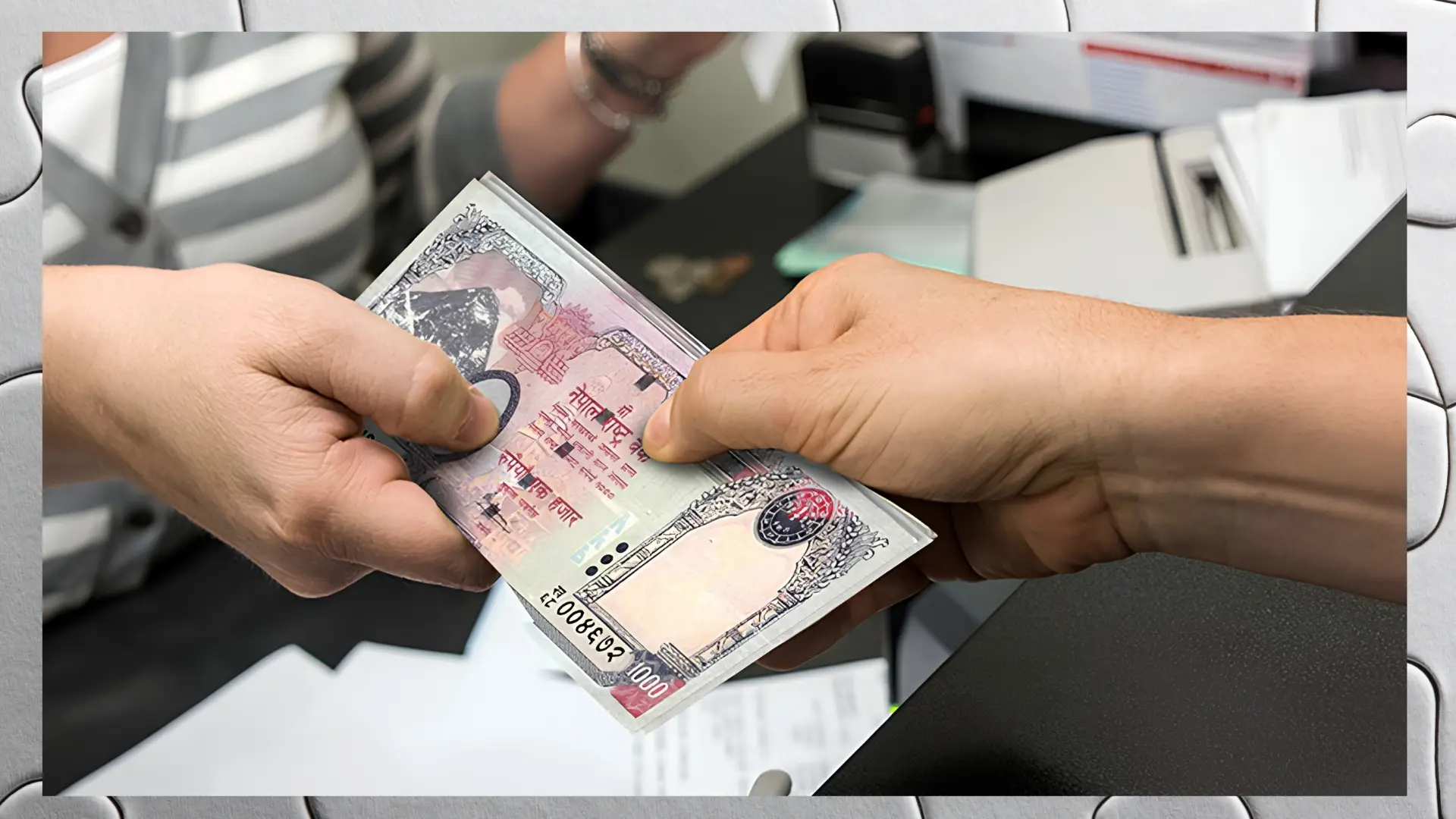
Kathmandu — Nepal Rastra Bank has amended its open market transaction regulations to strengthen liquidity management and improve the operation of the interest rate corridor.

Under the revised rules, the Monetary Management Department can now conduct regular open market transactions of up to Rs 45 billion, up from the previous ceiling of Rs 30 billion. The daily transaction limit has also been increased from Rs 10 billion to Rs 15 billion.

The higher limit will allow the central bank to respond more quickly when the banking system faces either excess liquidity or a shortage of funds. It will also reduce the need to seek higher-level approval for routine market interventions.

The amendment has also revised the conditions governing the Standing Deposit Facility, or SDF. Banks and financial institutions publishing savings or fixed-deposit rates below the lower limit of the interest rate corridor will be barred from using the facility for one month.

The lower limit of the interest rate corridor currently stands at 2.75 percent. This means a bank offering deposit rates below that level will not be allowed to place excess funds with the central bank under the SDF for one month.

The earlier arrangement did not clearly specify the duration of the restriction. The revised provision makes the penalty period definite while continuing to discourage banks from lowering deposit rates below the corridor floor.

The central bank has also introduced stricter penalties for misuse of the facility. If a bank obtains the SDF by submitting false declarations or incorrect information, all interest earned from the facility will be recovered.

In addition, the institution will have to pay a penalty calculated at twice the prevailing bank rate on the deposited amount for the period during which the facility was used.

The amendment has also created a legal basis for “sterilised intervention,” a measure aimed at controlling excess domestic liquidity created through foreign exchange operations.

Under this arrangement, foreign currency received from abroad may be managed in the same currency. This could reduce the need to release an equivalent amount of Nepali currency into the banking system when the central bank purchases foreign exchange.

The measure is expected to be useful when foreign exchange reserves are rising. Large-scale foreign currency purchases can inject substantial liquidity into the market, pushing short-term interest rates downward and complicating monetary management.

For deposit collection auctions conducted to absorb excess liquidity, priority will be given to banks offering the lowest interest rates. This is expected to reduce the central bank’s cost of liquidity absorption.

The revised regulation also requires the Monetary Management Department to prepare quarterly reports on open market operations. The reports must include transaction procedures, major decisions, average interest rates, the effect on banking-system liquidity and a brief analysis of domestic and international economic conditions.

The Open Market Operations Committee may also use additional monetary instruments during exceptional economic or financial conditions. Such intervention can be made when the normal limits are insufficient to inject or absorb the required amount of liquidity.

If liquidity imbalances continue for more than two weeks, the central bank may use longer-term instruments, including long-term repo and reverse repo transactions, deposit collection, NRB bonds and the direct purchase or sale of securities.

The structure of the Open Market Operations Committee remains unchanged. It will continue to be chaired by a deputy governor and include senior officials from the central bank and a representative from the Ministry of Finance.

The interest rate corridor itself has not been changed. The upper limit, represented by the Standing Liquidity Facility, remains at 5.75 percent, while the policy rate is 4.25 percent and the lower limit, represented by the Standing Deposit Facility, is 2.75 percent.

Overall, the amendment focuses more on strengthening the implementation of monetary policy than on changing policy rates. The expansion of departmental authority, clearer penalty provisions and the introduction of sterilised intervention are expected to help the central bank manage liquidity and short-term interest rates more efficiently.

Trending News

  • Trending16 Jul, 2026

    सार्वजनिक विद्युतीय बस किन्न ८० प्रतिशतसम्म कर्जाBanks Allowed to Finance Up to 80 Percent of Large Electric Public Vehicles

    Read news
  • Trending16 Jul, 2026

    असुल नभएको ब्याजबाट लाभांश बाँड्न नपाइने, राष्ट्रिय परिचयपत्रसँग केवाईसी जोड्न समयसीमाBanks Barred from Distributing Dividends on Uncollected Interest

    Read news
  • Trending16 Jul, 2026

    खुला बजार कारोबारमा राष्ट्र बैंक थप लचिलो, विभागीय सीमा ४५ अर्ब पुग्योNRB Raises Open Market Transaction Limit to Rs 45 Billion

    Read news

Related News

  • Banks Allowed to Finance Up to 80 Percent of Large Electric Public Vehicles
    Investor

    2 min read

    सार्वजनिक विद्युतीय बस किन्न ८० प्रतिशतसम्म कर्जाBanks Allowed to Finance Up to 80 Percent of Large Electric Public Vehicles

    NEPSE TRADING

    ·

    16 Jul, 2026

  • Banks Barred from Distributing Dividends on Uncollected Interest
    Investor

    2 min read

    असुल नभएको ब्याजबाट लाभांश बाँड्न नपाइने, राष्ट्रिय परिचयपत्रसँग केवाईसी जोड्न समयसीमाBanks Barred from Distributing Dividends on Uncollected Interest

    NEPSE TRADING

    ·

    16 Jul, 2026

  • Banks Can Now Lend Up to 80 Percent Against Shares of Strong Companies
    Investor

    1 min read

    बलिया कम्पनीको सेयर धितोमा अब ८० प्रतिशतसम्म कर्जाBanks Can Now Lend Up to 80 Percent Against Shares of Strong Companies

    NEPSE TRADING

    ·

    16 Jul, 2026

  • Finance Committee's directive: a capital market reform blueprint within 10 days
    Investor

    2 min read

    अर्थ समितिको निर्देशन : पुँजी बजार सुधारको खाका १० दिनभित्र, तीन महिनाभित्र सर्ट सेलिङ कार्यान्वयन गर्ने सेबोनको तयारीFinance Committee's directive: a capital market reform blueprint within 10 days

    NEPSE TRADING

    ·

    15 Jul, 2026