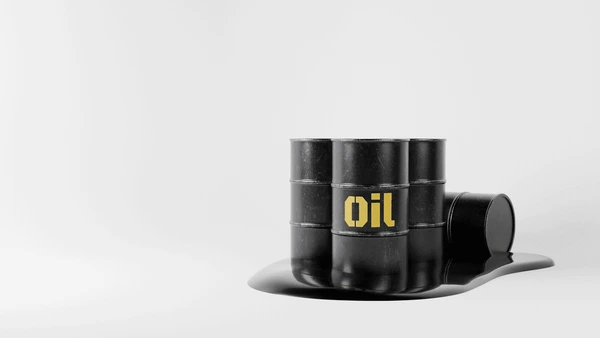
पश्चिम एसियामा चुलिँदै गएको भूराजनीतिक तनाव र समुद्री आपूर्ति मार्गमा आएको अवरोधका कारण अन्तर्राष्ट्रिय कच्चा तेलको मूल्य पुनः तीव्र रूपमा बढेको छ । ऊर्जा विश्लेषक एलेक्स किमानीका अनुसार इरानले Strait of Hormuz क्षेत्रमा व्यावसायिक जहाज नियन्त्रणमा लिएपछि आपूर्ति जोखिम बढ्दै तेलको मूल्य प्रति ब्यारेल १०० डलर नाघेको हो। अन्तर्राष्ट्रिय सञ्चारमाध्यमहरूका अनुसार Islamic Revolutionary Guard Corps ले दुईवटा जहाज नियन्त्रणमा लिएपछि खाडी क्षेत्रमा आपूर्ति अवरोधको त्रास बढेको छ, जसका कारण ब्रेन्ट कच्चा तेल १०१ डलर माथि पुगेको छ भने वेस्ट टेक्सास इन्टरमिडिएट पनि उल्लेख्य रूपमा बढेको छ। यसैबीच Donald Trump ले युद्धविराम अवधि लम्ब्याउने घोषणा गरे पनि इरानमाथिको नाकाबन्दी कायम राख्ने निर्णयले बजारमा अन्योल बढाएको छ। Standard Chartered का ऊर्जा विज्ञहरूले वर्तमान अवस्थालाई “अस्थिर सन्तुलन” भन्दै मूल्य उच्च रहिरहने तर जोखिम पनि उत्तिकै रहने बताएका छन्। OPEC ले नयाँ उत्पादन मापन प्रणाली लागू गर्ने तयारी गरिरहेको अवस्थामा आपूर्ति कडाइ, राजनीतिक तनाव र आपूर्ति शृंखलामा आएको अवरोधले दीर्घकालीन रूपमा पनि तेलको मूल्य उच्च रहन सक्ने संकेत देखिएको छ ।
Top
1 min read
NEPSE TRADING
पश्चिम एसियाली तनाव चुलिँदा Strait of Hormuz संकटबीच तेल मूल्य १०० डलर नाघ्योOil Prices Surge Past $100 Amid West Asia Tensions and Strait of Hormuz Crisis
Rising geopolitical tensions in West Asia and disruptions in maritime supply routes have pushed global crude oil prices sharply higher once again. According to energy analyst Alex Kimani, oil prices surged past $100 per barrel after Iran seized commercial vessels in the Strait of Hormuz, raising serious supply concerns. International reports state that the Islamic Revolutionary Guard Corps took control of two ships, intensifying fears of supply disruptions in the الخليج region, driving Brent crude above $101 per barrel while West Texas Intermediate also recorded significant gains. Meanwhile, U.S. President Donald Trump announced an extension of the ceasefire period but maintained sanctions on Iran’s ports, adding uncertainty to the market. Energy experts at Standard Chartered described the situation as an “unstable equilibrium,” warning that prices may remain elevated amid persistent risks. As OPEC moves toward implementing a new production capacity framework, ongoing supply constraints, geopolitical risks, and supply chain disruptions suggest that oil prices could stay structurally higher in the long term.
Advertisement