NEPSEtrading

Make smarter moves backed by machine learning. Join thousands of traders leveraging AI to maximize profits.

nepsetrading.com is an online news portal that provides insights into trading and investment by analyzing the stock market and the global economy. We create charts based on the analysis of various indicators. Please do not rely solely on this information for investment decisions. Self-study is crucial. Use this information only as an educational and informational resource.

Marketminds Investment Group Private Limited

DOIB Registration certificate no.: 4680-2081/2082

Director & Editor-in-chief: Dipesh Ghimire · 9802363868, 9851119988

Koteshwor 32, Kathmandu
01-5253221 · +977 9709066745

Contact support

Subscribe to our newsletter

Weekly insights from the NEPSE market in your inbox.

Get the app

Track markets, signals and alerts from your phone.

Get it onGoogle Play

Market

  • Stocks
  • Sectors

Company

  • About Us
  • Our Team
  • Terms of Use
  • Our Policy
  • Training
  • Contact Us

Help

  • Support
  • Report
  • FAQ

© 2026 nepsetrading.com. All rights reserved.
Owned and operated by Marketminds Investment Group Private Limited.

Charts powered by TradingView

  1. News
  2. Latest
  3. Potential Economic Impact of the Iran-Israel Conflict
इरान–इजरायल द्वन्द्वको सम्भावित आर्थिक प्रभाव
Latest
2 min read
Updated on October 3, 2024
Dipesh Ghimire

इरान–इजरायल द्वन्द्वको सम्भावित आर्थिक प्रभावPotential Economic Impact of the Iran-Israel Conflict

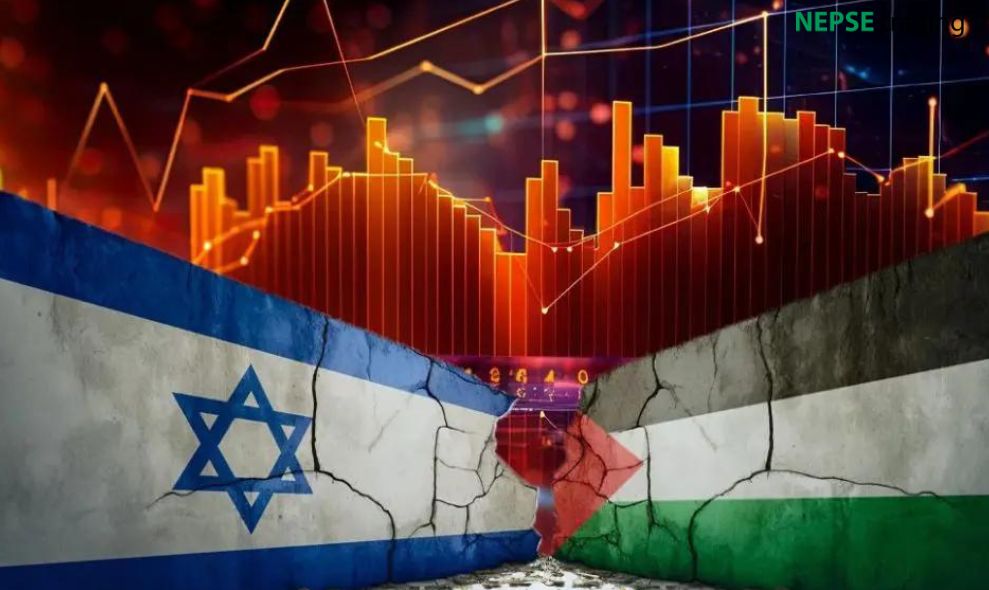
इरान र इजरायलबीचको द्वन्द्वले विश्व अर्थतन्त्रमा गहिरो असर पार्न सक्छ। यो विशेष गरी ऊर्जा, व्यापार, र वित्तीय बजारहरूमा देखिनेछ। तल सम्भावित प्रमुख आर्थिक प्रभावहरूको विवरण प्रस्तुत गरिएको छ:

१. ऊर्जाको मूल्यवृद्धि

  • तेल आपूर्तिमा अवरोध: इरान विश्वको प्रमुख तेल उत्पादक राष्ट्र भएकोले कुनै पनि द्वन्द्वले तेल उत्पादन र निर्यातमा अवरोध पुर्याउन सक्छ। यसले विश्वभर तेलको मूल्यमा तीव्र वृद्धि गराउन सक्छ।

  • मुद्रास्फीति: तेलको मूल्यवृद्धिले यातायात र निर्माण लागत बढाउँछ, जसले मुद्रास्फीतिलाई थप बल दिन्छ। विशेषगरी भारत र युरोपेली राष्ट्रहरूजस्ता तेल आयातमा निर्भर देशहरूलाई गम्भीर असर पुग्न सक्छ।

२. वैश्विक व्यापारमा अवरोध

  • आपूर्ति श्रृंखलामा अस्थिरता: द्वन्द्वले होर्मुजको जलडमरुमा अवरोध पुर्याउन सक्छ, जहाँ विश्वव्यापी तेल ढुवानीको महत्वपूर्ण मार्ग छ। यसले आपूर्ति श्रृंखलामा अवरोध सिर्जना गरी वस्तुहरू र कच्चा पदार्थको मूल्य बढ्न सक्छ।

  • वैश्विक वृद्धिमा मन्दी: द्वन्द्वले उपभोक्ता र व्यापारिक विश्वासमा गिरावट ल्याउँछ, जसले विश्वव्यापी आर्थिक वृद्धिलाई मन्द बनाउँछ। उड्डयन, पर्यटन, र निर्माण उद्योगहरूमा प्रत्यक्ष असर देखिन सक्छ।

३. वित्तीय बजारहरूमा अस्थिरता

  • सेयर बजारमा उतारचढाव: भू-राजनीतिक द्वन्द्वहरूले सेयर बजारमा अस्थिरता ल्याउँछ। लगानीकर्ताहरू सुरक्षित सम्पत्तिहरू, जस्तै बन्ड र सुनमा लगानी बढाउन सक्छन्, जसले सेयर बजारमा गिरावट ल्याउँछ।

  • विदेशी लगानीको बहिर्गमन: द्वन्द्वले भारत र ब्राजिल जस्ता उदाउँदा बजारहरूमा विदेशी लगानीकर्ताहरूलाई पूँजी फिर्ता गर्न प्रेरित गर्न सक्छ, जसले स्थानीय मुद्रामा अवमूल्यन र तरलता संकुचनको अवस्था सिर्जना गर्न सक्छ।

४. मूल्य घटाउने नीतिमा प्रभाव

  • केन्द्रीय बैंकहरूको रणनीति परिवर्तन: तेलको मूल्यवृद्धि र मुद्रास्फीतिले विश्वभरका केन्द्रीय बैंकहरूलाई ब्याज दर घटाउने योजना पुनर्विचार गर्न बाध्य बनाउँछ। यसले मुद्रास्फीति नियन्त्रणका लागि कडा मौद्रिक नीति अपनाउन सक्छ, जसले आर्थिक सुधारलाई सुस्त बनाउँछ।

५. वस्तुहरूको मूल्यमा असर

  • सुनको मूल्य वृद्धि: द्वन्द्वले सुरक्षित सम्पत्तिमा लगानी बढाउँछ, जसले सुनको मूल्य उच्च बिन्दुमा पुर्याउँछ।

  • अन्य वस्तुहरूको उतारचढाव: प्राकृतिक ग्यास, गहुँ, र धातुहरू जस्ता वस्तुहरूको मूल्य पनि द्वन्द्वको कारण आपूर्ति श्रृंखला अवरोध र बजार अनिश्चितताका कारण प्रभावित हुन सक्छ।

६. क्षेत्रीय प्रभाव

  • मध्य पूर्वको अर्थतन्त्रमा असर: द्वन्द्वले मध्य पूर्वका देशहरूमा पूर्वाधार क्षति, तेल उत्पादनमा अवरोध, र लगानीकर्ताहरूको विश्वास घटाउन सक्छ। खाडी राष्ट्रहरूको तेलमा निर्भर अर्थतन्त्रमा प्रत्यक्ष असर पर्न सक्छ।

  • वैश्विक कूटनीतिक सम्बन्धमा तनाव: प्रमुख विश्व शक्तिहरू, विशेष गरी अमेरिका, रूस, र चीनबीच कूटनीतिक तनाव बढ्न सक्छ, यदि उनीहरू प्रत्यक्ष रूपमा द्वन्द्वमा संलग्न भएमा।

निष्कर्ष

इरान र इजरायलबीचको द्वन्द्वले विश्व अर्थतन्त्रमा गहिरो प्रभाव पार्न सक्छ। ऊर्जा मूल्यमा वृद्धि, मुद्रास्फीति, वित्तीय बजारमा अस्थिरता, र व्यापार आपूर्ति श्रृंखलामा अवरोधले विश्वव्यापी आर्थिक वृद्धि मन्द गर्न सक्छ। केन्द्रीय बैंकहरूले मौद्रिक नीतिहरूलाई पुनर्विचार गर्नुपर्ने स्थिति आउन सक्छ।


A conflict between Iran and Israel could have profound effects on the global economy, particularly in the energy, trade, and financial markets. Below is an overview of the key potential economic impacts:

1. Rising Energy Prices

  • Oil Supply Disruption: As Iran is a major oil-producing country, any conflict could disrupt its oil production and exports. This could lead to a sharp rise in global oil prices.

  • Inflation: Higher oil prices would increase transportation and construction costs, fueling inflation. Countries heavily reliant on oil imports, such as India and European nations, could be significantly affected.

2. Disruption in Global Trade

  • Supply Chain Instability: The conflict could disrupt the Strait of Hormuz, a critical shipping route for global oil. This would cause supply chain disruptions and lead to higher prices for goods and raw materials.

  • Slowdown in Global Growth: A conflict would reduce consumer and business confidence, slowing down global economic growth. Industries like aviation, tourism, and construction could be directly impacted.

3. Financial Market Volatility

  • Stock Market Fluctuations: Geopolitical conflicts typically lead to volatility in stock markets. Investors may shift towards safe assets like bonds and gold, causing a decline in stock markets.

  • Foreign Investment Outflow: The conflict could prompt foreign investors to withdraw capital from emerging markets like India and Brazil, leading to currency depreciation and liquidity contraction.

4. Impact on Monetary Policies

  • Central Bank Strategies: Rising oil prices and inflation could force central banks worldwide to reconsider their plans to lower interest rates. They may adopt tighter monetary policies to control inflation, slowing down economic recovery.

5. Impact on Commodity Prices

  • Gold Price Surge: The conflict would drive investments towards safe assets, pushing gold prices to higher levels.

  • Fluctuation in Other Commodities: Prices of commodities like natural gas, wheat, and metals could also be affected due to supply chain disruptions and market uncertainty caused by the conflict.

6. Regional Impact

  • Effect on Middle Eastern Economies: The conflict could damage infrastructure, disrupt oil production, and decrease investor confidence in Middle Eastern countries. Gulf economies, which are heavily reliant on oil, could be directly impacted.

  • Strain on Global Diplomatic Relations: Diplomatic tensions between major world powers, especially the U.S., Russia, and China, could escalate if they become directly involved in the conflict.

Conclusion

A conflict between Iran and Israel could have significant repercussions on the global economy. Rising energy prices, inflation, financial market volatility, and disruptions to global trade supply chains could slow down global economic growth. Central banks may be forced to rethink monetary policies in response to these challenges.

Trending News

  • Trending2 Jul, 2026

    नेप्सेको आजको चार्टले के भन्छ : सन्तुलनको धरातलमा उभिएको बजारNEPSE Forms Hammer at Weak Low: Technical Signals Hint at Possible Turnaround, But Confirmation Still Pending

    Read news
  • Trending2 Jul, 2026

    चीनको बेइजिङमा नेपाल लगानी सम्मेलन, २०० भन्दा बढी लगानीकर्ता सहभागी हुनेNepal Investment Conference Begins in Beijing, Over 200 Investors Expected

    Read news
  • Trending2 Jul, 2026

    सरकारको १०० दिनमा आर्थिक सुधारको सकारात्मक संकेत देखिएको दाबीGovernment Claims Early Economic Gains Amid Reform Drive

    Read news

Related News

  • NEPSE Forms Hammer at Weak Low: Technical Signals Hint at Possible Turnaround, But Confirmation Still Pending
    Investor

    3 min read

    नेप्सेको आजको चार्टले के भन्छ : सन्तुलनको धरातलमा उभिएको बजारNEPSE Forms Hammer at Weak Low: Technical Signals Hint at Possible Turnaround, But Confirmation Still Pending

    NEPSE TRADING

    ·

    2 Jul, 2026

  • Nepal Investment Conference Begins in Beijing, Over 200 Investors Expected
    Top

    1 min read

    चीनको बेइजिङमा नेपाल लगानी सम्मेलन, २०० भन्दा बढी लगानीकर्ता सहभागी हुनेNepal Investment Conference Begins in Beijing, Over 200 Investors Expected

    NEPSE TRADING

    ·

    2 Jul, 2026

  • Government Claims Early Economic Gains Amid Reform Drive
    Top

    2 min read

    सरकारको १०० दिनमा आर्थिक सुधारको सकारात्मक संकेत देखिएको दाबीGovernment Claims Early Economic Gains Amid Reform Drive

    NEPSE TRADING

    ·

    2 Jul, 2026

  • Draft Company Law Amendment Proposes Stronger Investment Protection for Infrastructure Projects
    Investor

    1 min read

    कम्पनी ऐन संशोधन मस्यौदामा पूर्वाधार लगानीकर्तालाई नयाँ सुरक्षाDraft Company Law Amendment Proposes Stronger Investment Protection for Infrastructure Projects

    NEPSE TRADING

    ·

    2 Jul, 2026

  • Foreign Exchange Rates: Dollar Selling Rate at Rs 151.76, Kuwaiti Dinar the Most Expensive
    Investor

    1 min read

    विदेशी मुद्रा विनिमय दर : डलरको बिक्री मूल्य १५१.७६ रुपैयाँ, कुवेती दिनार सबैभन्दा महँगोForeign Exchange Rates: Dollar Selling Rate at Rs 151.76, Kuwaiti Dinar the Most Expensive

    Dipesh Ghimire

    ·

    1 Jul, 2026